
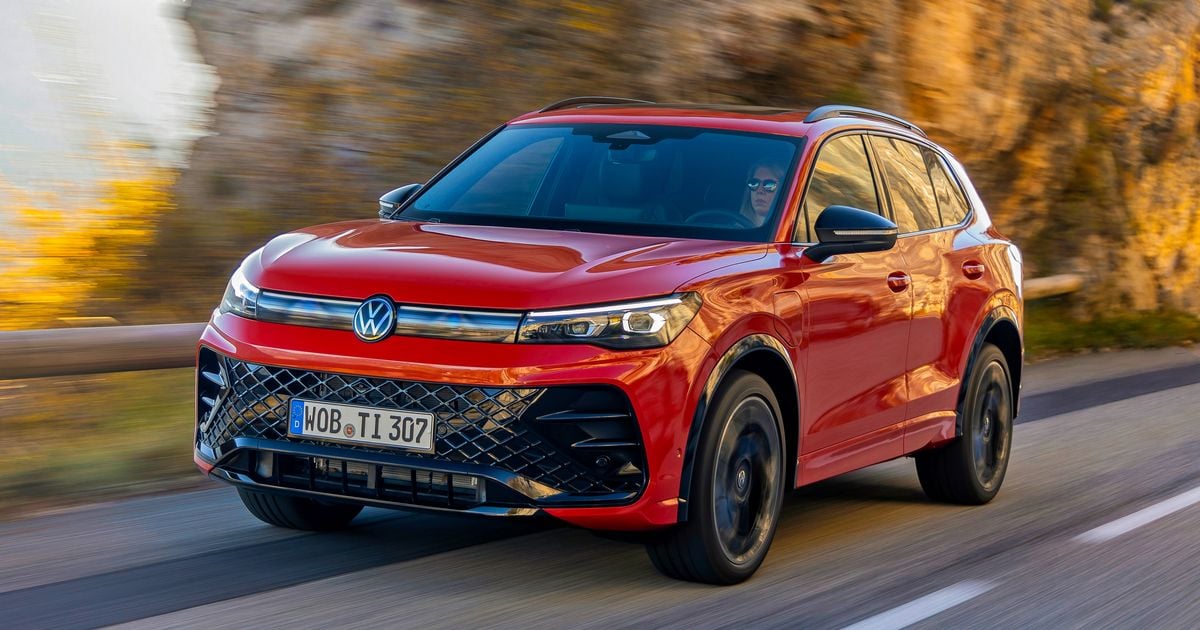
Volkswagen Australia is belatedly introducing more plug-in hybrids (PHEVs) with the Tiguan and Tayron SUVs, despite its global parent being a pioneer of the tech in Europe, and early signs are showing it’s attracting former VW customers back into the German brand’s showrooms.
“Based on the verbatim feedback we’re receiving from our dealerships, that’s been the case – particularly metro dealerships have given us that feedback, and its quite strong,” says Arjun Nidigallu, head of product for Volkswagen Australia’s passenger car division.
Mr Nidigallu added, however: “They’ve only been on sale since 1 May, so the data hasn’t come back yet – typically we need three months of data and it will take one month [more] to clean that data”.
Looking for your next car? We’ll help you research and compare so you choose with confidence.
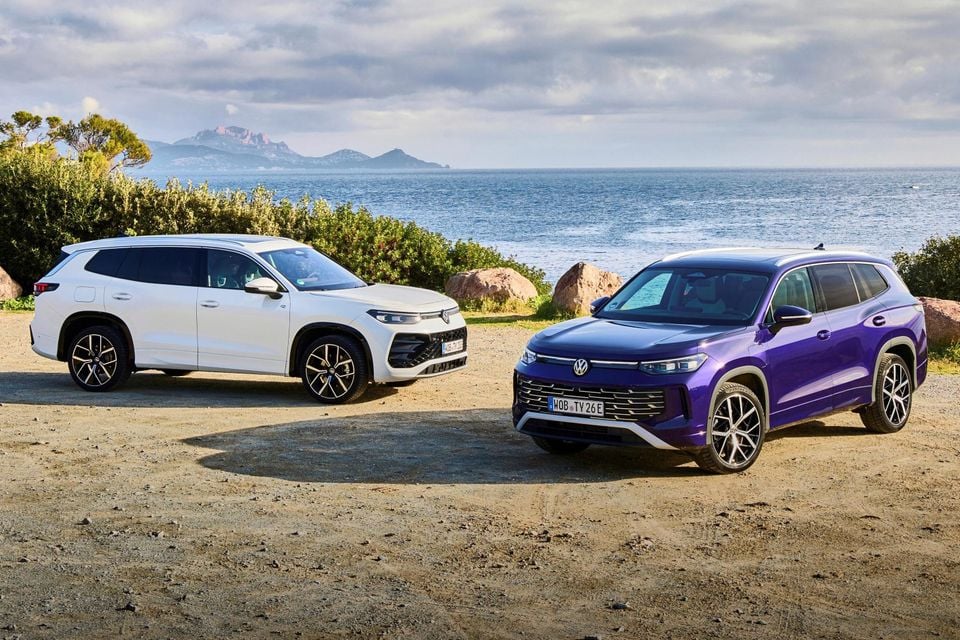
The plug-in ‘eHybrid’ versions of the Tiguan and Tayron SUVs mark the first time Volkswagen Australia has offered PHEV powertrains in any of its core range, the technology having previously been reserved for the Touareg R flagship.
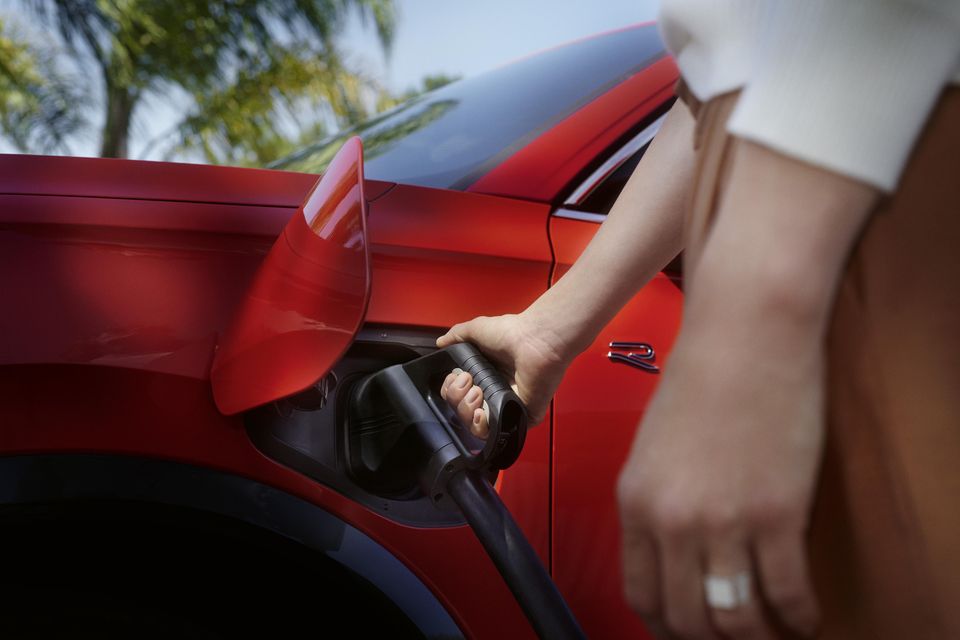
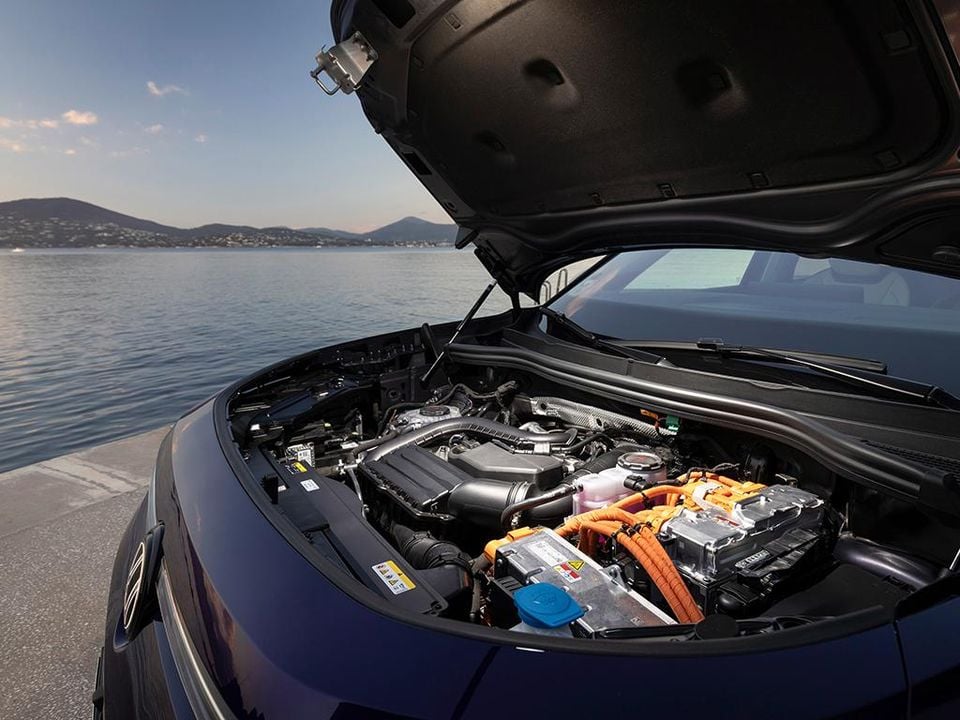
Both pair a 1.5 TSI four-cylinder turbo-petrol engine with 110kW or 130kW with an 85kW/350Nm electric motor integrated into the six-speed DSG dual-clutch automatic transmission, fed by a 19.7kWh (net) lithium-ion battery – the same system found in other VW Group models from Cupra and Skoda.
System outputs are either 150kW or 200kW, while claimed EV driving range is between 110-120km based on WLTP testing, depending on variant. All models are exclusively front-wheel drive (FWD).
The introduction of the Tiguan and Tayron eHybrids finally gives Volkswagen a rival to the likes of the Mitsubishi Outlander PHEV and BYD Sealion 6 in Australia, though price-wise they’re positioned as more premium alternatives to both.
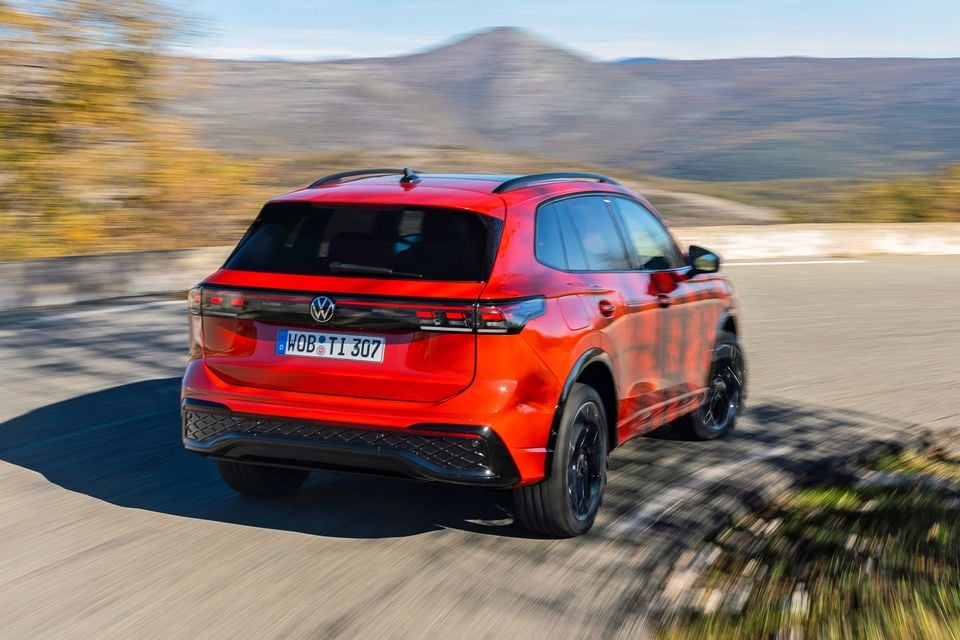
However, until June 30, 2026, the Tiguan and Tayron PHEVs are being offered with nationwide drive-away pricing, starting from $63,990 and $61,990, respectively – the larger Tayron is cheaper at the base level as it doesn’t include the contents of the optional Sound & Vision Package as standard like the smaller Tiguan.
At that price point, both models in their 150TSI eHybrid Elegance trim come in cheaper than the cheapest Toyota RAV4 PHEV (from ~$64,900 D/A), which is arriving in Australia imminently.
Volkswagen has also managed to undercut the related Skoda Kodiaq PHEV, which uses the 150kW version of the same 1.5 TSI eHybrid powertrain, and starts from $68,990 drive-away in Australia.
Hybrid and PHEV sales continue to rise in Australia, particularly amidst the ongoing fuel crisis due to the conflict in the Middle East. Registrations of conventional hybrids is up 6.2 per cent year to date to 65,114 to the end of April, following a 15 per cent increase for the 2025 calendar year to 199,133 units.
PHEV sales, meanwhile, are up 76.9 per cent so far in 2026 though off a lower base, with 28,858 plug-in hybrids registered in Australia from January-April this year. In 2025, PHEVs grew by 130.9 per cent to 53,484 registrations.
No doubt VW Australia is hoping these new electrified models will flip its fortunes Down Under. Once a top 10 brand in Australia, the German auto giant dropped by 20.6 per cent in 2025 to 28,970 sales across its passenger and commercial vehicle lines despite overall market growth, finishing 14th in the brand sales race.
So far in 2026 it’s not looking any better for Volkswagen, down 15.7 per cent year to date largely due to the lacklustre sales performance of its core SUV lineup – which the new eHybrids hope to address.
The German brand has also confirmed the second-generation T-Roc – its best-selling passenger vehicle and second overall to the Amarok ute – is coming in 2027 with mild-hybrid petrol engines from launch, though that could still be another 12 months away.
Stay tuned to CarExpert for our Australian first drive reviews of the Tiguan and Tayron eHybrid range on Thursday, 28 May
MORE: Explore the Volkswagen Tayron showroom
MORE: Explore the Volkswagen Tiguan showroom