
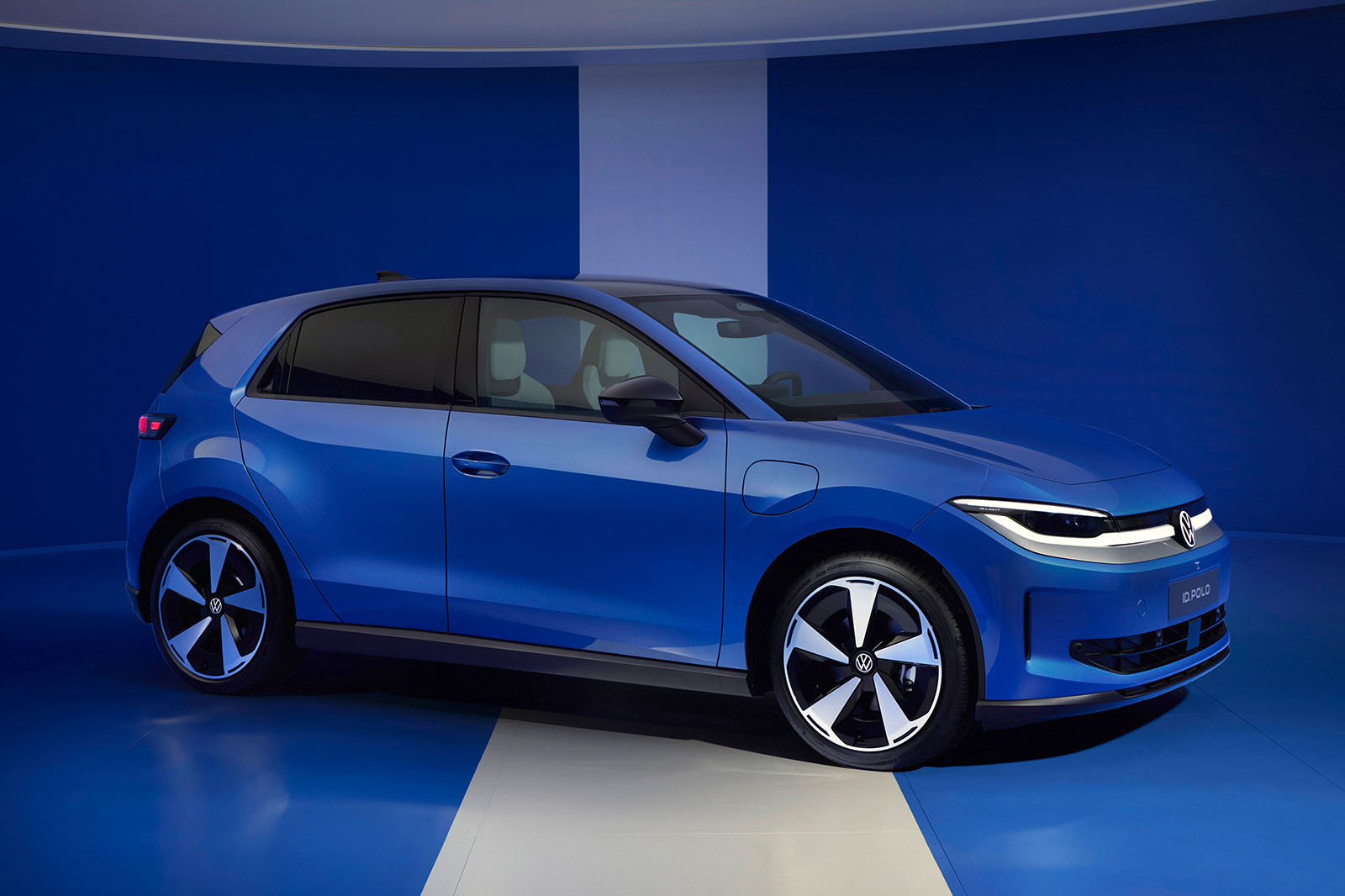
Combined with large, sculpted wheel arches, the car has a “strong and stable look” and a design that is “calm and timeless”, said Grunitz. “A Volkswagen should look modern today, but still look good 10 years from now,” he added.
Inside, it features Volkswagen’s new-age cabin, which made its debut on the facelifted ID 3 Neo last month. Grunitz called it a “big jump forward” that “addresses many of the criticisms our customers had” about past ID models.
The dashboard houses a 10.25in digital information display and a 13in landscape infotainment screen. The latter no longer has the controversial ‘slider’ controls for the volume and heating. Instead, below the screen is a row of physical controls for the heating, air conditioning and hazard warning lights. There is also a rotary dial that can control the infotainment volume and change tracks or radio stations. A new-shape steering wheel hosts two clusters of physical buttons.
Schäfer said Mindt’s new design language “was really an inspiration to the entire team” and has transformed the firm. He added that the “clarity” it has brought has “changed everything” about how decisions are made, “even small ones”.
For example, he explained why the ID Polo has physical door handles, rather than flush, touch-sensitive ones like on the ID 4: “You stand in front of the car, you have your shopping bags in your hand, and you do not know how to open the door. And we said: ‘Hold on. This is not it at Volkswagen.’ It must feel right immediately; it must be intuitive; it must be likeable.”
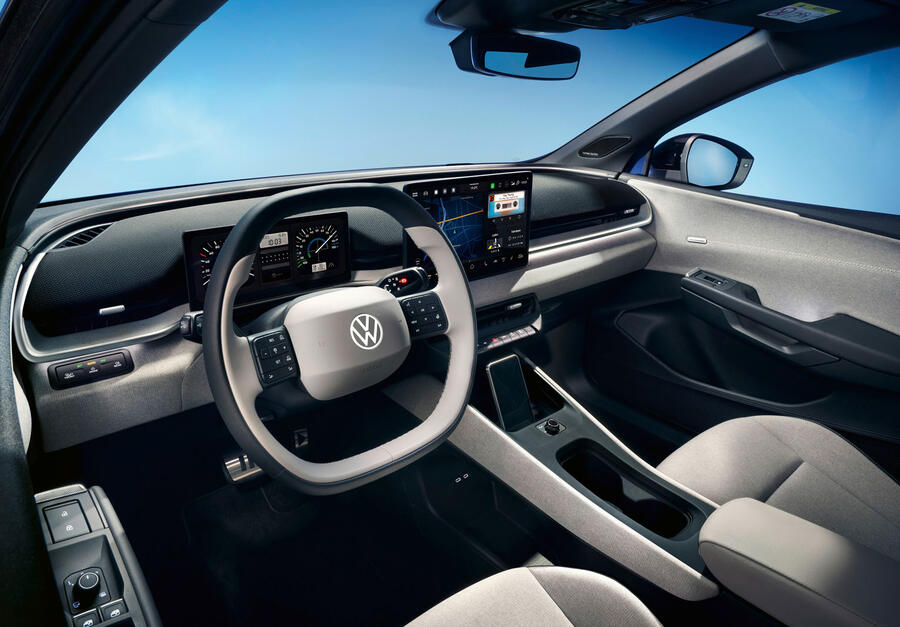 Schäfer added that “this is why we also bring back real buttons, intuitive usability, but also real names” so Volkswagens are cars “you can understand immediately”.