
Luxury cars have become louder than ever. Not just in terms of design, but in the way they’re marketed, positioned, and even engineered. Bigger grilles, sharper creases, larger screens, more modes, more data. The message is always the same: more equals better.
The Lexus ES 300h doesn’t subscribe to that logic. It exists in the same premium space as the usual German heavyweights, yet it takes a noticeably calmer route. There’s no attempt to redefine the segment or dominate the conversation. Instead, the ES 300h focuses on ownership realities—comfort, durability, efficiency, and the kind of refinement that doesn’t need explaining. That restraint is precisely why it succeeds.
Why The Lexus ES 300h Doesn’t Scream For Attention
Simple Styling, Brand Awareness, And Quiet Confidence

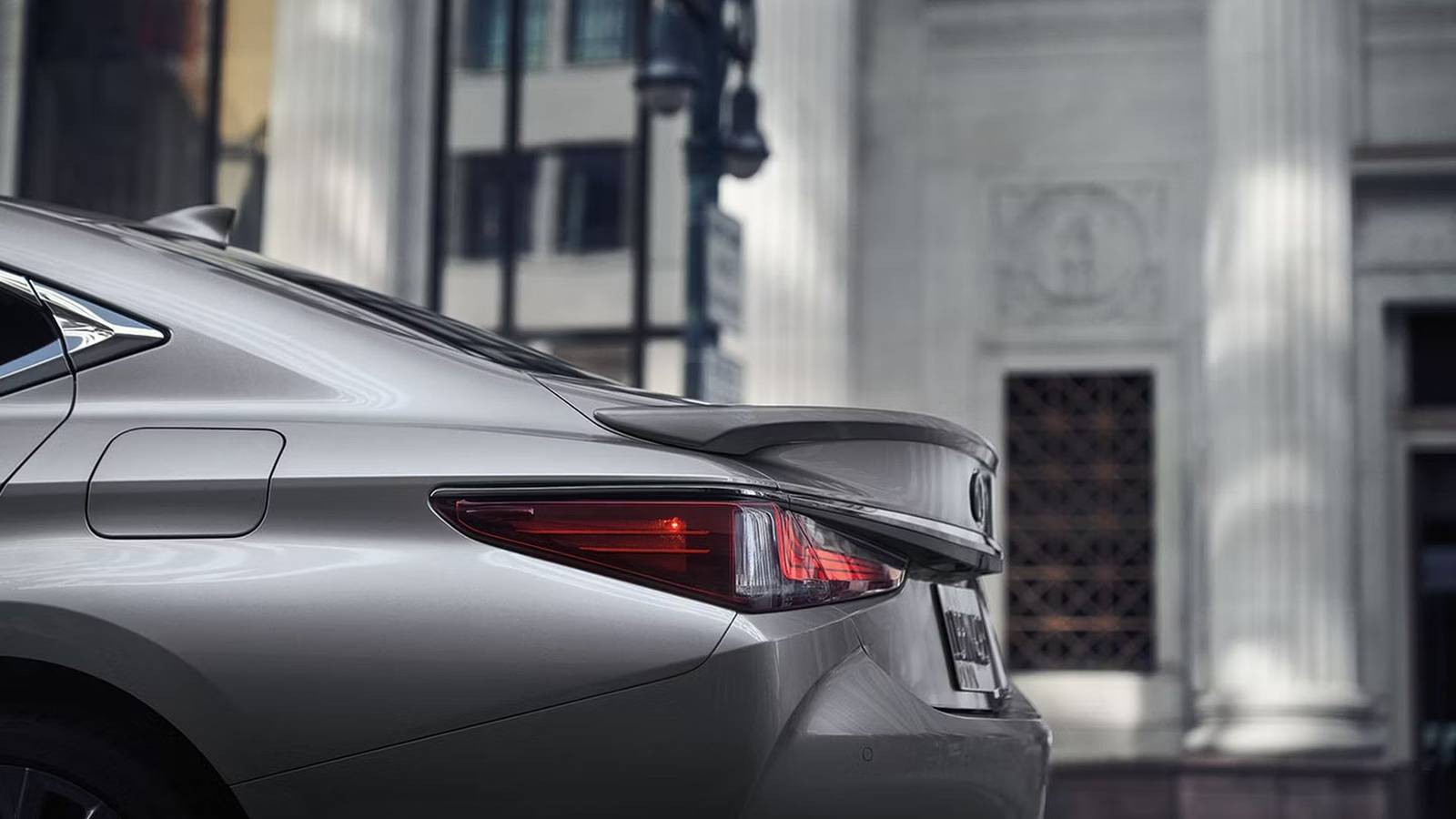
Simple styling is often overlooked, while many luxury sedans fall short by being too dramatic and over-the-top. The Lexus ES 300h exudes class. It was designed with intent; there are no exaggerated, ugly lines. Lexus has taken a different approach to sculpting this luxurious sedan, using controlled, sharp lines across its silhouette. And in today’s world, keeping something tidy and straightforward in the looks department often results in a timeless look that will age with grace. Highly expressive designs usually age quickly, especially when they’re built around trends rather than proportions.

The ES avoids that trap by sticking to a cleaner, more conservative shape—one that still looks appropriate years down the line. Lexus has always favored this approach. It doesn’t chase heritage narratives or performance mythology. The Japanese marque has carved its own path by building its reputation on consistency and executing all the correct elements well, from looks to drive and cabin build quality. The ES 300h comes to mind and fits the mold. In fact, there’s not much coming to be done, if you ask me; we all know it belongs right up there with the top dogs in the luxury segment. It derives its confidence from refinement, not flash.

This Luxury Car Blends Classic Styling With Modern Tech
A sedan that whispers luxury, not screams it. Discover the car that stays true to its roots while embracing modern advancements.
Comfort And Refinement Are The Things That Actually Matter
Driveability, A Well-insulated Cabin, And Long-Distance Commuting

You see, in the luxury sedan segment, it appears a lot of it’s based on specifications and what the cars come with, but often neglected is the track record of how well it holds up during ownership of a luxury saloon; it’s borderline a quiet topic. Simple questions we usually forget about, such as whether there is any noise from the outside spilling into the cabin and making a racket?

How well does it handle unfavorable road conditions, especially when carting around occupants? Is the vehicle comfortable for a long trip, and does it make one feel at ease rather than uncomfortable? All of these are essential questions to probe and prod. Now here’s where the Lexus ES 300h enters the chat: it was designed around the questions I proposed, and actually prioritizes them quite well. Noise, vibration, and harshness are deliberately kept low, which plays a significant role in how the car feels day to day.
Serenity And Efficiency Combine

The hybrid drivetrain contributes to this sense of calm, particularly in urban conditions where electric operation is most common. Combined with generous sound insulation, the result is a cabin environment that remains consistently composed, even in less-than-ideal surroundings.

This long-distance bias also shows in the ES’s overall layout. Space is used efficiently, seating is designed for comfort rather than aggression, and the car’s character leans toward predictability rather than constant engagement. It’s a luxury sedan built to reduce fatigue, not demand attention.

The Hybrid Sedan That Balances Luxury And Practicality Perfectly
Luxury might sound expensive, but this hybrid sedan offers both class and practicality at an affordable price.
Interior Quality Without The Usual Luxury Complications
Quality Materials, Seating, And Thoughtful Design Cues

Stepping into the ES 300h, the theme of simplicity is immediately carried out and reflected in the cabin. And in reality, that’s where a lot of luxury manufacturers overdo it, and it can be a major pitfall as they all hop on the bandwagon and overcomplicate — no pun intended.

The ES 300h does win the hearts through a vast amount of technology, but it focuses on the basics and does it well: quality materials, excellent execution of the layout, and strong build quality. Everything feels purposeful. Surfaces are solid, controls operate with consistency, and the overall finish reflects Lexus’ long-standing reputation for precision. There’s no sense of experimentation for its own sake. The design choices here are conservative but proven.
A Livable Cabin That Doesn’t Sacrifice Refinement

Physical controls are present and play an essential role in making everyday engagement easy. Regularly used functions don’t require menu-diving or unnecessary steps. That may not sound exciting, but it becomes increasingly valuable the longer a vehicle is owned. Rather than chasing interior trends, the ES 300h prioritizes clarity. The result is a cabin that feels easy to understand and easy to live with—two qualities that are often overlooked in favor of novelty.

Lexus Begins Selling A New, Compelling Remedy For High Gas Prices
The 2026 Lexus ES EV offers 307 miles of range and a $47,500 starting price as a remedy for rising gas prices.
A Hybrid Powertrain Designed For Everyday Efficiency
Why The ES 300h’s Complete Hybrid System Outperforms Mild Hybrids

Hybrid technology is now standard across the luxury segment, but not all systems are created equal. The Lexus ES 300h uses a full self-charging hybrid system built around a 2.5-liter naturally aspirated four-cylinder petrol engine, paired with an electric motor and a continuously variable transmission. Together, the system produces a combined output of 215 horsepower, delivered in a way that prioritizes smoothness rather than outright performance theatrics.

Unlike the mild-hybrid systems used by many rivals — which primarily act as stop-start enhancers and torque fillers — the ES 300h’s setup is capable of running on electric power alone under low-speed and stop-start conditions. Mild hybrids remain heavily dependent on their combustion engines, offering efficiency gains only at the margins. A full hybrid, by contrast, actively reduces engine workload during everyday driving, particularly in urban environments.
That Distinction Brings Tangible Benefits

The ES 300h’s powertrain operates seamlessly in the background, requiring no driver input or behavioral changes. There’s no need to plug in, select modes, or adjust routines — the system continuously optimizes itself to deliver efficiency where it matters most. In real-world use, this translates into impressive fuel economy, low noise levels, and an overall sense of mechanical calm.

Equally important is the maturity of Lexus’ hybrid technology. This isn’t an experimental or first-generation system. It’s the result of decades of refinement and large-scale real-world application, and that experience shows in how effortlessly the ES 300h goes about its business. Rather than chasing novelty or headline numbers, the powertrain is engineered for consistency, longevity, and day-to-day dependability — qualities that align perfectly with the ES’s luxury brief.

The 2026 Lexus ES Arrives With Hybrid and Electric Power
Lexus’s best-selling car received some serious upgrades.
The ES 300h’s Biggest Weakness Isn’t Mechanical
Infotainment, Driving Engagement, And The One Area Lexus Still Lags Behind
Look, the Lexus ES 300h really doesn’t have many meaningful flaws. It’s dead quiet, seriously efficient, comfortable for long drives, and built with that legendary Lexus durability that still leaves most luxury brands in the dust when it comes to long-term reliability. That said, there’s one place where it quietly reminds you it’s not trying to win any awards: the tech and overall vibe inside.
Even the latest versions feel a step behind the Germans when it comes to sharp interfaces, quick screen response, and that polished digital feel everyone’s chasing. Some Lexus models have closed the gap a lot recently, but the ES still isn’t the one you pick if you want a cutting-edge cockpit. It’s the opposite—you buy it precisely because you don’t want your luxury sedan to feel like it’s still in beta.
Same story with the driving experience. It’s smooth, composed, and effortless, but it’s never going to feel sporty like a BMW 5 Series or deliver that crisp, tied-down handling you get from a well-optioned E-Class. The steering is accurate and safe rather than talkative, and the hybrid CVT is tuned for silence and smoothness, not drama. But honestly, that’s kind of the whole deal.
The ES 300h isn’t here to entertain you or make every drive feel like an event. It’s built to make your life calmer and easier. It’s for the driver who’d rather arrive relaxed than arrive looking like they just conquered a racetrack. Once you get that, what look like “weaknesses” to some people start feeling more like deliberate choices. And when the goal is peace of mind, predictability, and ownership that doesn’t stress you out, the ES 300h absolutely nails what it set out to do.
Safety And Driver Assistance: Peace Of Mind In Every Mile
It’s Part Of The Refinement
In a car that’s all about calm and refinement, the Lexus Safety System+ suite feels perfectly at home—quietly effective, reliable, and happy to stay in the background instead of demanding attention. Adaptive Cruise Control (or Dynamic Radar Cruise Control, as Lexus calls it) adjusts your speed smoothly to match traffic ahead, without that annoying constant surging or braking you get from some more aggressive setups. Lane Tracing Assist and Lane Departure Alert with Steering Assist gently nudge you back toward the center of the lane when you start drifting, with just a light touch on the wheel that keeps everything feeling serene inside.
The Pre-Collision System with Pedestrian Detection is always watching, ready to step in with warnings or braking if things get too close, but it does its job so cleanly you barely notice it until it’s already saved the day. Blind-Spot Monitor and Rear Cross-Traffic Alert feed you info through subtle indicators on the dash or a soft vibration in the seat—no blaring alarms or flashing lights to break the peace.
While some luxury sedans pile on flashy, over-the-top driver aids, the ES 300h keeps things thoughtful and deliberate. There aren’t a bunch of sporty driving modes to fiddle with—just a well-tuned set of safety features that quietly support the car’s overall composure on long drives.
It’s another way Lexus builds confidence: not by dazzling you with tech fireworks, but through consistent, predictable help that lets you relax mile after mile. Put it all together, and the ES 300h isn’t just comfortable and efficient—it genuinely looks out for you, in the most understated, reassuring way possible.
This Luxury Car Blends Classic Styling With Modern Tech
A sedan that whispers luxury, not screams it. Discover the car that stays true to its roots while embracing modern advancements.
Why The Lexus ES 300h Wins Where Luxury Ownership Matters
Reliability, Rivals, Resale Value, And Peace Of Mind

In the United States, the Lexus ES 300h delivers real value against its core competitors. For reference, recent hybrid-equipped ES models start from the low-to-mid $40,000s (with base ES 300h examples commonly in the $43,000–$45,000 range), depending on trim and dealer pricing.

That positions it noticeably below many of the German rivals it’s often compared with. For example, the BMW 5 Series starts in the low $60,000s, the Mercedes-Benz E-Class from the mid $60,000s, and the Audi A5 near the upper $50,000–$58,000, depending on the trim you opt for.

The actual test of a luxury car isn’t how it feels in its first few months—it’s how it holds up over time. This is where the Lexus ES 300h consistently earns its reputation. Reliability is central to the Lexus brand, and the ES benefits directly from that focus. Fewer unexpected issues, predictable maintenance requirements, and proven component longevity all contribute to a more stable ownership experience.
Running Costs Reinforce Its Advantage

Strong fuel efficiency and lower servicing demands help keep long-term expenses in check, especially compared to similarly priced luxury sedans with more complex drivetrains. Resale value adds another layer of appeal. Lexus hybrids tend to remain in demand on the used market, supported by their durability and reputation for low ownership risk. That translates into stronger value retention, which is an essential factor for buyers looking beyond the initial purchase.

In a segment that often prioritizes spectacle, the Lexus ES 300h takes a quieter route. It doesn’t compete for attention, yet it delivers where it matters most. By focusing on fundamentals rather than theatrics, it proves that genuine luxury isn’t about excess—it’s about consistency, comfort, and confidence over time.
Sources: Edmunds, Lexus USA