
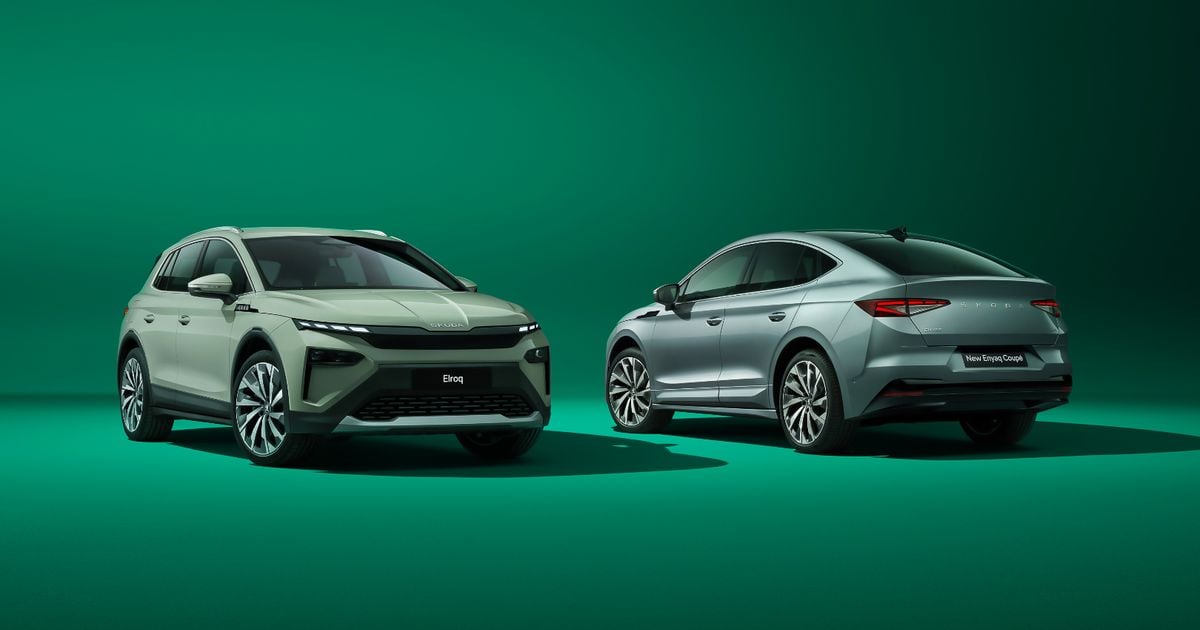
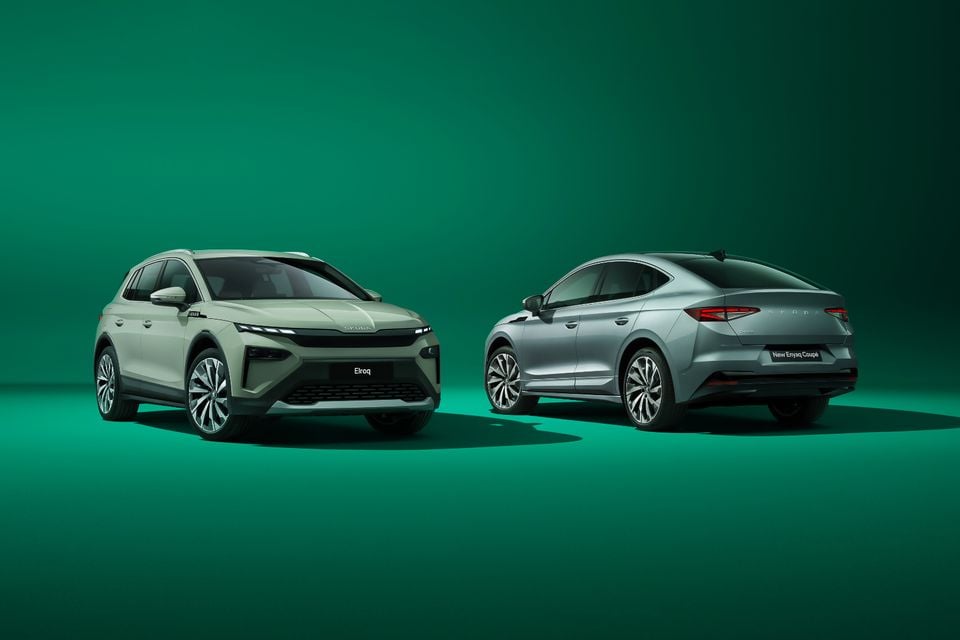
The Skoda Elroq and Enyaq electric SUVs have received a raft of running changes in Europe and the UK, including new digital functions, improved assistance systems, and “modernised” infotainment.
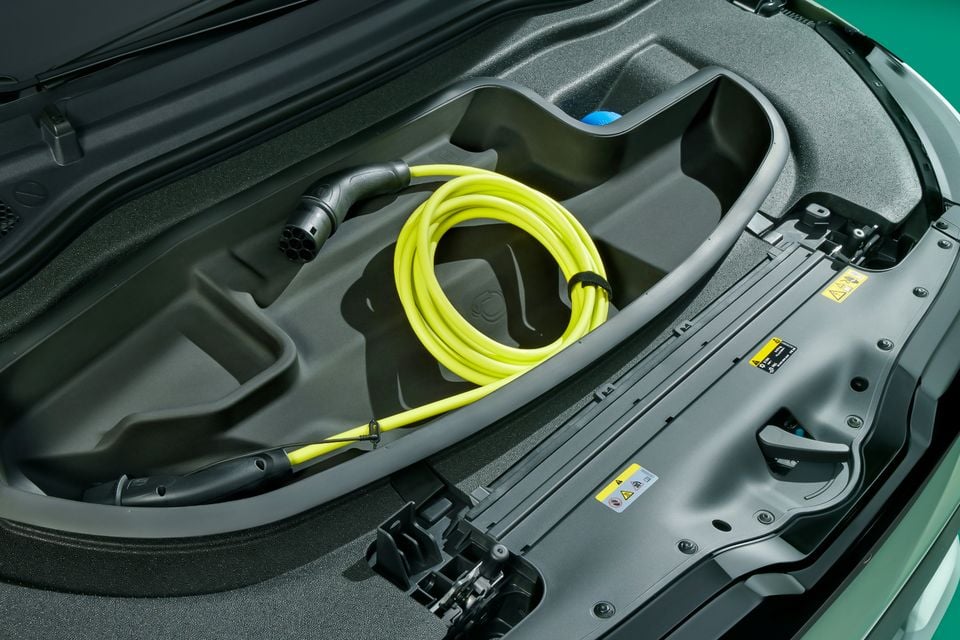
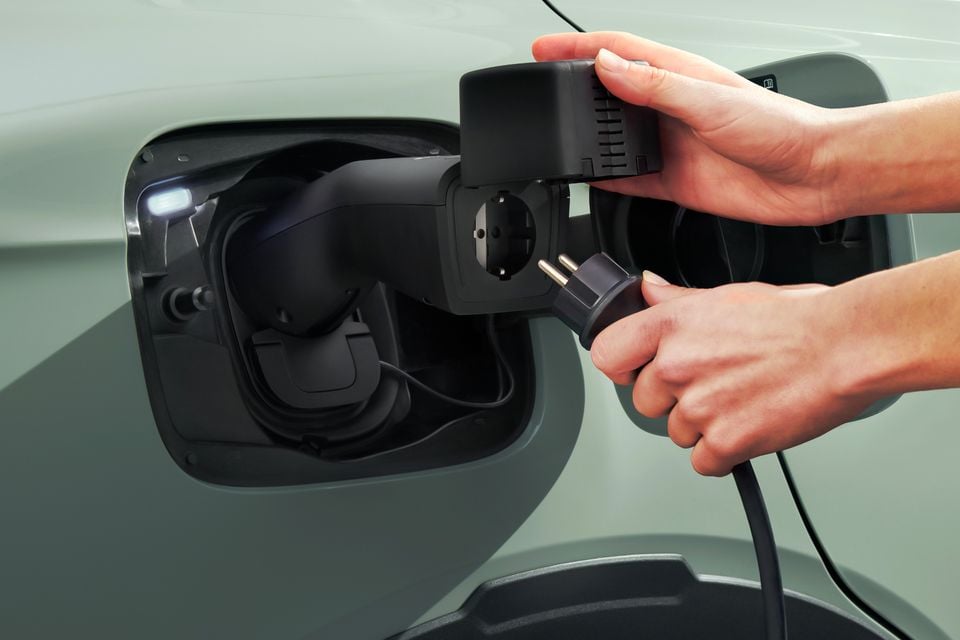
Headline acts include a new front luggage compartment – or ‘frunk’ – with a capacity of 21 litres under a bonnet accessed via new gas struts, which the Czech brand says is perfect for storing charging cables. The Elroq and Enyaq also gain Vehicle-to-Load (V2L) functionality, which enable the EVs to power external electrical devices via an adapter, or via a 230V socket inside the car.
A new one-pedal regenerative braking mode is accessible via the B setting on the drive selector, with the stronger of the two levels of braking force “capable of bringing the vehicle to a complete stop” – the regen braking modes can be toggled via the infotainment system or the steering wheel-mounted paddle shifters.
CarExpert can save you thousands on a new car. Click here to get a great deal.
Speaking of the infotainment, the Elroq and Enyaq pick up the Volkswagen Group’s redesigned user interface based on an Android operating system, bringing “a redesigned home screen, grid layout, favourites and search function as well as enhanced personalisation options for an improved, more intuitive experience”.
In addition to the new look, the Android-based multimedia system opens up access to a new in-car app store, plus ‘Powerpass’ charging station app integration, ‘Plug & Charge’ capability, as well as enhanced functionality in conjunction with the MyŠkoda app, including a new stolen vehicle tracking function and the ability to flash the lights to help locate the vehicle in carparks.
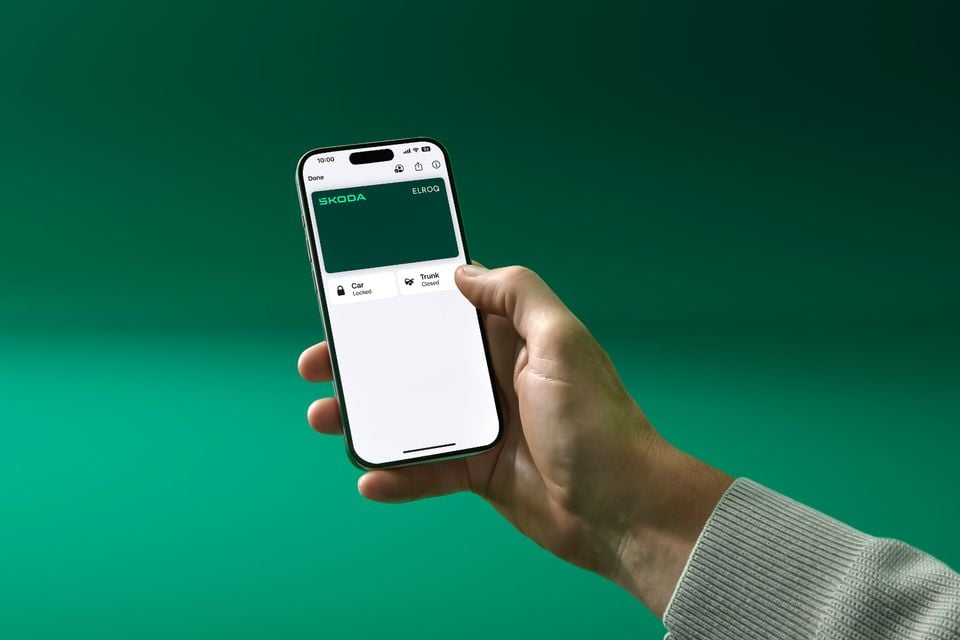
The updated Skodas are now compatible with Digital Key technology, allowing compatible smartphones to be synchronised with the vehicle via the MyŠkoda app and be used as a key, which is also shareable with other users when required.
New 25W wireless smartphone chargers with MagSafe compatibility also feature, while the enhanced Travel Assist 3.0 assistant brings “hardware-upgraded sensors, including new radar units” for “smoother and more natural responses during assisted driving”. There’s also a new driver monitor camera which “further improves the detection of driver inattention or fatigue”.
The automatic headlight system has a new setting too. Instead of just distinguishing light and darkness, the new Elroq and Enyaq will also be able to sense ‘twilight’ lighting conditions, automatically activating the daytime running lights and tail-lights in reduced visibility conditions such as in overcast weather, and at dawn or dusk.
While the enhanced models are due to hit the UK in late June, it’s unclear when these changes might be rolled out to Australian models – especially given Skoda Australia only just launched new variants of the Elroq and Enyaq.
“At this stage, final specifications for our upcoming model-year updates remain under review. As always, we aim to balance several factors: what is available to our market, what our customers are asking for, and the overall impact on price and value,” said Skoda Australia in a statement.
“It’s also important that we manage any transitions carefully so we can continue to support existing stock before introducing updates to the model range. We will share more detailed information once plans are confirmed.”
It’s worth noting that most of the Volkswagen Group brands present in Australia have struggled to bring their latest digital technologies Down Under, with only Audi and the ultra-premium Bentley and Lamborghini brands offering proper inbuilt connectivity from the factory.
Volkswagen, Skoda and Cupra have all been lobbying with their respective global parents to established a factory-backed connected services network in Australia, to better compete with rival brands as well as offer certain technologies like online navigation and Digital Key, as well as smartphone app connectivity.
Cupra Australia, in particular, says it’s “pushing really hard” to fast-track a factory-backed solution, based on feedback from its customers.
In 2024, VW’s passenger car and commercial vehicle divisions introduced the third-party Goconnect system in Australia, allowing drivers to view their parking position, visualise recent trips, interact and book appointments with their dealer, view errors, warning messages and battery status, and monitor driving speed.
Let us know your thoughts in the comments.
MORE: Explore the Skoda Elroq showroom
MORE: Explore the Skoda Enyaq showroom