
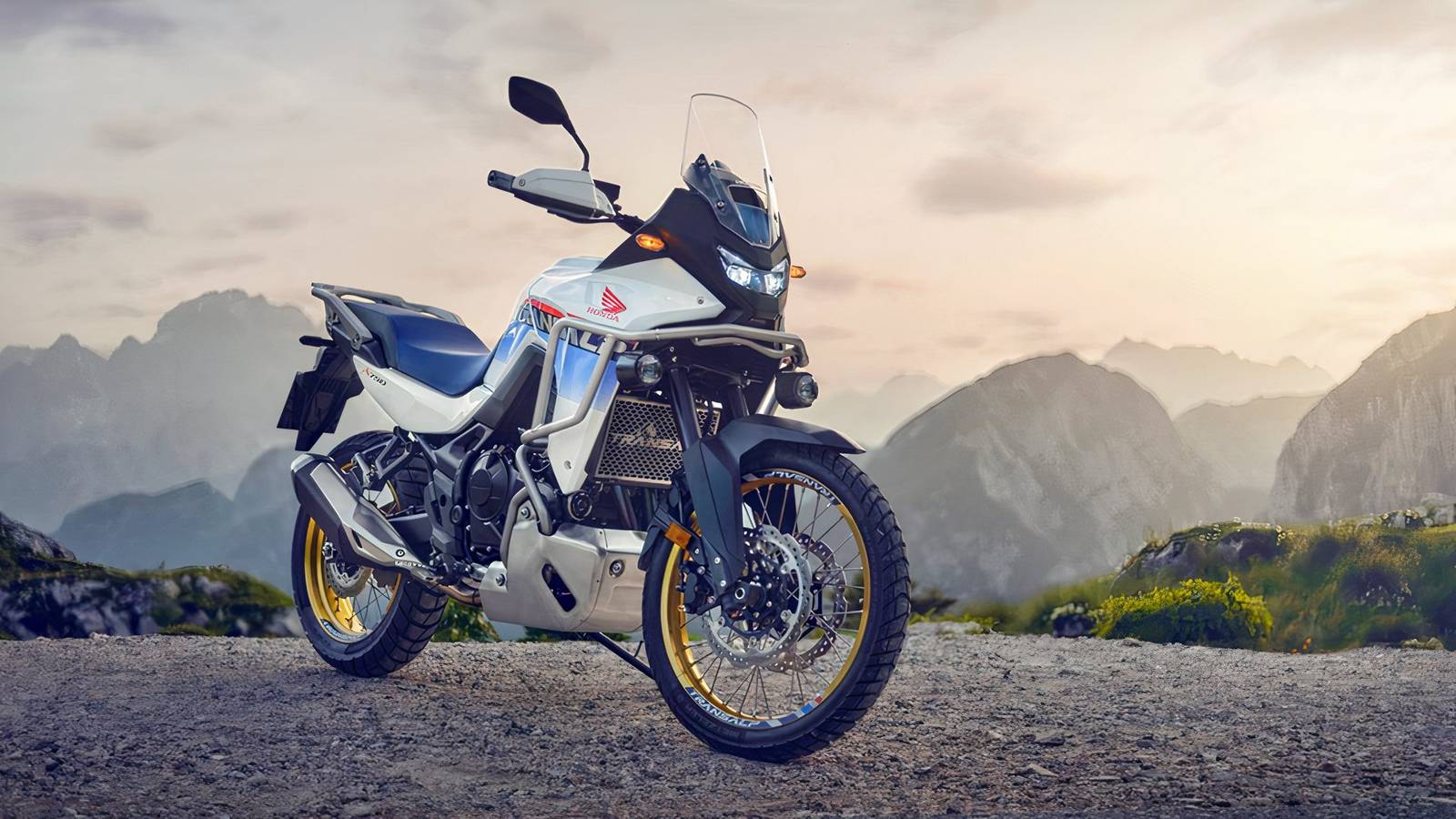
Modern adventure bikes have drifted into a strange place. They’re bigger, heavier, and packed with more tech than ever, but they’re also more intimidating. What used to feel like go-anywhere tools now feel like machines you need to prepare for. Tall seat heights, complex electronics, and curb weights pushing well past 500 pounds have become the norm—and that’s not always a good thing.
The problem is that most riders don’t actually need all that. They’re not crossing continents every month or blasting through Dakar-style terrain. They want something that works on a daily ride, handles a weekend escape, and doesn’t feel like a handful in traffic or on a loose gravel road. That’s where the gap starts to show, and where a different kind of adventure bike begins to make a lot more sense.
Adventure Bikes Got Bigger, But Not Always Better

There’s no denying that the flagship ADV class has become incredibly capable. Bikes like the BMW GS and KTM Super Adventure have pushed performance, comfort, and tech to impressive levels. But that capability comes at a cost. These machines are physically massive, often tipping the scales at well over 500 pounds, and they demand a certain level of skill and confidence to fully exploit.
When Size And Power Start To Work Against Everyday Riders

For a lot of riders, that extra size and power doesn’t translate into more fun. It can actually do the opposite. Maneuvering a heavy bike in tight spaces or picking it up after a drop isn’t exactly appealing. Even on the road, the sheer bulk can make them feel less agile than you’d expect, especially when things get technical or unpredictable.
There’s also the reality of how these bikes are actually used. Most spend the majority of their time on pavement, with only occasional detours onto dirt or gravel. In those situations, having 150 horsepower and a long list of rider modes doesn’t necessarily make the ride better. It just adds complexity. For many riders, that’s when the idea of something lighter and more approachable starts to sound a lot more appealing.

The Adventure Bike You Should Buy Used Instead Of New
Although the new version of this bike offers a lot of value, the used version has depreciated into something of a bargain
The Sweet Spot Is Where Versatility Meets Approachability

The industry has started to recognize this shift. Not everyone wants the biggest and most powerful option available. Instead, there’s growing demand for bikes that strike a balance between capability and usability. Something that can still handle a proper adventure, but without the intimidation factor that comes with the heavyweight class.
The Rise Of Middleweight ADVs That Try To Do It All

That’s where middleweight adventure bikes have found their footing. They’re lighter, simpler, and often more engaging to ride at sane speeds. Instead of chasing peak numbers, they focus on delivering a well-rounded experience. Enough power to cruise comfortably at highway speeds, enough suspension travel to handle rough terrain, and ergonomics that don’t wear you out after a few hours.
What makes this category interesting is how varied it has become. Some lean heavily into off-road capability, while others aim for road-biased touring. But the best ones manage to blur that line. They feel just as comfortable carving through a set of twisties as they do exploring a dirt trail. That balance is what defines the sweet spot, and it’s exactly where things get interesting.
The Honda XL750 Transalp Is An Adventure Bike That Ticks A Lot Of Boxes

This is where Honda steps in with something that feels refreshingly straightforward. The XL750 Transalp doesn’t try to outgun the big players or overwhelm you with tech. Instead, it focuses on being usable, predictable, and genuinely enjoyable in a wide range of situations. It’s the kind of bike that makes sense the moment you swing a leg over it.
At its core is a 755cc parallel-twin engine that produces around 90 horsepower and 55 lb-ft of torque. It’s paired with a six-speed transmission and a slip-and-assist clutch, with an optional quickshifter available. The power delivery is smooth and linear, making it easy to manage whether you’re navigating city traffic or rolling on the throttle out of a corner on a back road.
A Parallel-Twin That Delivers Usable, Friendly Performance

What stands out about this engine isn’t just the numbers, but how it delivers them. It’s not intimidating or overly aggressive. Instead, it builds power in a predictable way that encourages you to ride it harder without feeling like it’s going to bite back. That’s a big part of what makes it so approachable, especially for riders who are stepping up from smaller machines.
Honda backs this up with a solid electronics package that includes ride modes, traction control, wheelie control, and engine braking adjustment. There’s also a five-inch TFT display with smartphone connectivity. It’s enough tech to enhance the ride without getting in the way, which fits the overall character of the bike perfectly.
|
Engine |
755cc liquid-cooled parallel-twin, 8-valve, Unicam |
|
Output |
90 horsepower @ 9,500 rpm | 55 pound-feet @ 7,250 rpm |
|
Transmission |
6-speed manual, slip-and-assist clutch, optional quickshifter |
|
Final Drive |
Chain |
Chassis And Ergonomics That Inspire Confidence On Any Surface

The chassis plays an equally important role in how the Transalp feels. It uses a steel diamond frame paired with a 43mm Showa SFF-CA inverted fork and a Pro-Link rear shock. Suspension travel sits at around 7.9 inches up front and 7.5 inches at the rear, giving it enough capability for rough roads without making it feel overly tall or unwieldy.
At around 459 pounds wet, it’s significantly lighter than most large ADV bikes, and that makes a noticeable difference in how it handles. The 21-inch front and 18-inch rear wheel setup gives it genuine off-road credibility, while the riding position remains comfortable and upright. The 33.7-inch seat height is manageable for most riders, striking a good balance between ground clearance and accessibility.
|
Frame |
Steel diamond frame |
|
Suspension |
Front: 43mm Showa SFF-CA inverted fork, 7.9 inches travel Rear: Pro-Link monoshock, 7.5 inches travel |
|
Wheels and Tires |
Front: 21-inch Rear: 18-inch |
|
Brakes |
Front: Dual 310mm discs, 2-piston calipers Rear: Single 256mm disc ABS (switchable rear) |
|
Wet Weight |
459 pounds |

The Adventure Bike With Honda Reliability And BMW Touring Comfort
The Suzuki V-Strom 1050DE might seem long in the tooth, but it has everything you need, including reliability and comfort that is right up there with
The Kind Of Bike That Makes You Want To Ride More, Not Prove More
What really defines the Transalp is how it makes you feel as a rider. It doesn’t challenge you in a way that feels like a test of skill or endurance. Instead, it encourages you to just get on and ride. Whether it’s a quick trip across town or a full day exploring unfamiliar roads, it feels like a willing partner rather than something you have to manage.
That ease of use translates into confidence. You’re more likely to take that dirt road you’ve been curious about or push a little further on a long ride. It removes the hesitation that can come with bigger, more demanding machines. In that sense, it captures the original spirit of what adventure bikes were meant to be: practical, versatile, and fun.

Another strength of the Transalp is how wide its appeal is. It’s approachable enough for newer riders who are ready tostep into the ADV world, but it still has enough performance to keep more experienced riders engaged. That’s not an easy balance to strike, but Honda manages to pull it off without making the bike feel watered down.
Strong Value At $9,999

Pricing plays a big role here too. With an MSRP of $9,999, the Transalp undercuts many of its direct competitors while still offering a complete package. You’re getting a capable engine, a well-sorted chassis, modern electronics, and Honda’s reputation for reliability. It’s the kind of value proposition that makes it easy to justify as a daily rider, not just a weekend toy.
Why Simplicity And Balance Still Win In The Real World

In a segment filled with strong contenders like the Yamaha Tenere 700 and the Aprilia Tuareg 660, the Transalp stands out by sticking to a clear philosophy. It doesn’t try to outdo them in any single category. Instead, it focuses on being the most balanced option overall.

That balance is what makes it so compelling. It’s capable without being overwhelming, comfortable without being bulky, and advanced without being complicated. For riders who want a bike that can genuinely do a bit of everything, and do it well, the Transalp makes a strong case for itself. It’s a reminder that sometimes, less really is more.
Source: Honda Powersports