
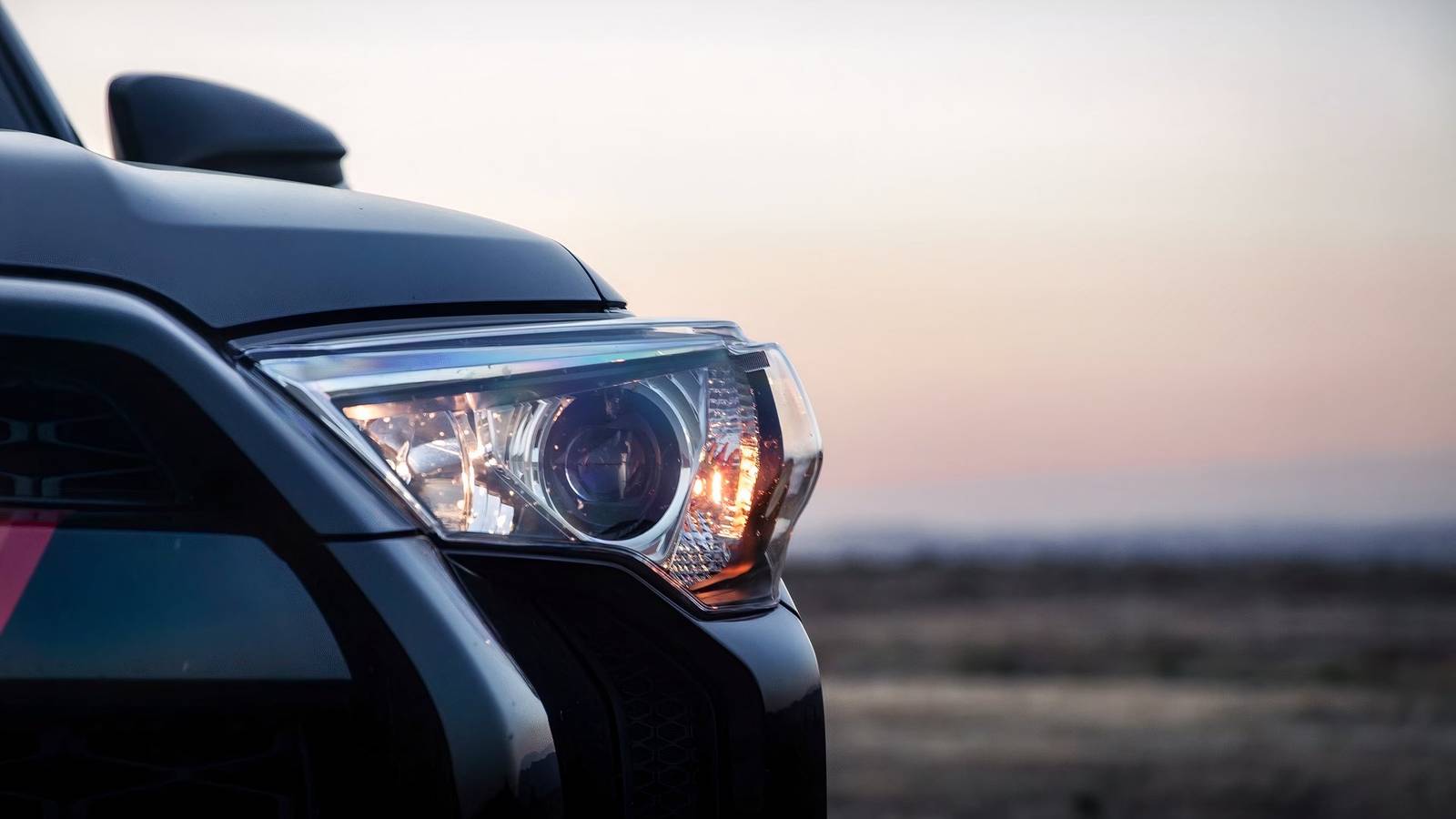
The modern SUV is everywhere—but it doesn’t mean the same thing it used to. Walk through any parking lot or dealership, and you’ll see rows of high-riding vehicles promising versatility and capability. On paper, they check every box. They’re spacious, comfortable, and packed with features designed to make everyday driving easier. But for most of them, that’s where the story ends.
While SUVs still look rugged, very few are actually built to go off-road. The segment has shifted toward comfort and convenience, prioritizing smooth rides and efficiency over durability and true off-road ability. And for the majority of drivers, that’s perfectly fine. But now and then, a vehicle comes along that reminds people what an SUV was originally meant to be—not just something that fits into daily life, but something that expands it.
Why Most Modern SUVs Rarely Leave The Road
Comfort Took Priority Over Capability

Walk into almost any dealership today, and you’ll see the same thing: SUVs everywhere. But spend a few minutes looking closer, and a pattern starts to emerge. Most of them are built for the road—and only the road. They’re quiet, comfortable, and packed with features designed to make daily driving easier. For the majority of buyers, that’s exactly what matters. Convenience has become the priority. For urban drivers, these vehicles fit seamlessly into everyday life. They handle traffic without effort, smooth out rough city streets, and offer just enough practicality for school runs, shopping trips, and the occasional weekend getaway.
The Modern SUV Buyer’s Shifting Needs

Fuel efficiency matters. Ride quality matters. Technology matters. Off-road capability rarely enters the conversation. And over time, that’s reshaped the entire segment. What used to be defined by toughness and versatility has gradually shifted toward something softer. Many of today’s SUVs still look rugged, but underneath, they’re built on platforms that favor comfort and efficiency over durability. There’s nothing inherently wrong with that—it reflects what most people actually need. But it does leave something missing because now and then, a vehicle reminds you that an SUV can be more than just a practical daily driver. It can offer something beyond the routine—something that encourages you to go further than you normally would.

Why The 2025 Toyota 4Runner Is The Perfect Blend Of Rugged And Refined
The 2025 Toyota 4Runner saw a bold shift to a hybrid powertrain, but has it lost its rugged soul in the process?
How The 2024 Toyota 4Runner Made Off-Roading Feel Accessible
The SUV That Quietly Changed How People Drive

That’s where the 2024 Toyota 4Runner comes in. Unlike most of the segment, the 4Runner never fully transitioned into a road-first philosophy. While other SUVs evolved toward lighter platforms and more comfort-focused setups, it held onto a more traditional approach—one rooted in durability and real capability. At first glance, that might seem like a disadvantage in today’s market. It’s not the most refined SUV, and it doesn’t try to match the polish of newer crossovers.

But spend some time with it, and you start to understand why it has built such a loyal following. It offers something different. For many drivers—especially those coming from city-focused vehicles—the 4Runner feels like an introduction to a completely new way of thinking about driving. It doesn’t just expand where you can go; it changes how willing you are to go there in the first place. And that shift happens surprisingly quickly.

How Toyota’s Legendary 4Runner Has Remained Unstoppable for 40 Years
Discover what has made Toyota’s off-roading icon so popular for so long.
From Curiosity To Confidence
Why Drivers Start Exploring Without Planning To

For most urban drivers, off-roading isn’t something they actively plan. It’s distant. It feels technical. It’s often associated with heavily modified vehicles and experienced enthusiasts. It doesn’t feel accessible, and it certainly doesn’t feel like something you’d try in your daily SUV. The Toyota 4Runner changes that almost immediately. It doesn’t overwhelm you with complexity or demand a steep learning curve. Instead, it builds confidence in small, subtle ways. You start by taking a gravel road instead of turning back.

Then maybe a slightly rougher path. Nothing dramatic—just enough to realize the car is completely at ease. And once that realization sets in, something shifts. What started as hesitation turns into curiosity. Curiosity turns into exploration. Before long, you’re going places you wouldn’t have considered before—not because you planned to, but because the car makes it feel natural. That’s the difference. The 4Runner doesn’t just offer capability—it encourages you to use it.

The Buzz Awards: Toyota 4Runner Named Best Off-Road Warrior For 2026
The Toyota 4Runner takes home The Buzz Award for Best Off-Road Vehicle thanks to its legendary capability, modern tech, and everyday comfort.
Built Differently For A Reason
Old-School Engineering That Still Has A Place

What sets the 4Runner apart becomes clearer the further you move away from smooth tarmac. While most modern SUVs rely on unibody construction for efficiency and ride comfort, the 4Runner sticks with a body-on-frame setup. It’s a more traditional approach, but one that brings a level of strength and durability that’s hard to replicate in lighter designs. That foundation changes how the vehicle behaves. The chassis is designed to handle uneven terrain without feeling fragile. The suspension allows movement over obstacles, keeping the wheels planted where they matter.

Ground clearance gives you the freedom to navigate surfaces that would make most crossovers hesitate. Then there’s the four-wheel-drive system. This isn’t just there for bad weather—it’s designed for proper off-road use. Low-range gearing, terrain management systems, and available locking differentials all help give the driver more control when conditions become unpredictable. You may not think about these features every day. But when you need them, they’re the difference between turning around and continuing forward.

Every Toyota 4Runner Generation And How It’s Changed
The Toyota 4Runner has been smashing through our trails and deserts for 41 years – here is what you need to know about all the 4Runner generations.
A Different Kind Of Performance
Why Simplicity Still Works

Under the hood, the 4Runner takes a similarly straightforward approach. The 4.0-liter naturally aspirated V6 isn’t trying to compete with modern turbocharged engines on paper. It doesn’t lead the segment in power, and it won’t impress anyone looking purely at numbers. But out on the road—and especially off it—that’s not what matters.

The engine is often reviewed and described as smooth; there’s no sudden surge, no complicated power delivery to manage. It responds consistently, which makes it easier to control in a wide range of conditions. That predictability builds trust. The five-speed automatic transmission follows the same logic. It’s not cutting-edge, but it’s durable and well-matched to the vehicle’s purpose. Everything works together in a way that feels cohesive rather than complicated. It’s not about performance for the sake of it. It’s about reliability when it counts.

2025 4Runner Vs Wrangler: One SUV Gives You More For Less
Off-road legends collide as we compare the 2025 4Runner and Wrangler to see which one offers the better experience for less.
Living With It Every Day
More Practical Than You Might Expect

Despite its rugged nature, the 4Runner doesn’t feel out of place in everyday driving. It’s easy enough to live with once you get used to its size. Visibility is strong, controls are intuitive, and the overall driving experience settles into a comfortable rhythm over time. Inside, the focus is clearly on practicality. The layout is simple, the materials feel durable, and everything is designed to handle regular use without feeling delicate. It may not have the same level of polish as some newer SUVs, but it feels built to last—and that carries its own appeal.

There’s also plenty of space. Passengers have room to get comfortable, and there’s enough cargo capacity for gear, luggage, or anything else that comes with an active lifestyle. Whether it’s a long trip or just daily errands, the 4Runner handles it without unnecessary fuss. It’s not trying to impress you with luxury. It’s trying to make your life easier.

2025 Toyota 4Runner: The Comeback Of The Classic Gas-Powered SUV
The all-new SUV is modern and relevant but still emphatically a Toyota 4Runner.
Why It Still Matters In Today’s Market
Capability That Goes Beyond The Spec Sheet

In a segment filled with SUVs that prioritize comfort and efficiency, the Toyota 4Runner offers something different. It doesn’t chase trends, and it doesn’t try to be everything at once. Instead, it focuses on doing one thing exceptionally well—being capable in a way that feels genuine.

That’s what resonates with drivers because, even if you don’t plan to go off-road every weekend, knowing that you can change how you experience the car. It adds a layer of confidence, and more importantly, a sense of possibility. And that’s something many modern SUVs, for all their advancements, don’t quite deliver. The 4Runner doesn’t just handle the journey. It expands what that journey can be.