
In today’s car world, enthusiast attention usually goes to obvious performance machines—sports cars, hot hatches, and aggressive sedans. Family sedans, by contrast, are typically judged on practicality, comfort, and fuel economy rather than driving enjoyment. That’s how the “dad car” image took hold, with midsize sedans seen as sensible choices rather than exciting ones.
As SUVs grew in popularity, that perception only deepened. Sedans became associated with responsibility, not passion. But that assumption overlooked an important truth: not every family sedan was dull. Some were engineered with real care, offering balance and responsiveness that could genuinely appeal to drivers. Among those understated standouts, one model quietly built a lasting reputation.
Why Family Sedans Often Get Overlooked By Enthusiasts
The Rise Of The So-Called “Dad Car”

Family sedans have long suffered from an image problem. They’re usually associated with life stages rather than driving pleasure. The moment a car starts offering rear legroom, a large trunk, and a soft ride, many enthusiasts stop paying attention. That reaction is understandable in a market where so many sedans were tuned purely for comfort and predictability. Most of them were meant to disappear into daily life, not stand out on a back road. That’s exactly why the “dad car” label stuck so easily. It became shorthand for something dependable, practical, and deeply unexciting. The idea wasn’t always insulting, but it was definitely limiting.

Once a car landed in that category, it was rarely judged on anything beyond convenience and common sense. The irony is that family sedans were once the default shape for some genuinely great driver’s cars. Before crossovers took over, the midsize sedan market was filled with cars that had to do everything well. That meant comfort, efficiency, and practicality mattered, but so did road manners. A car couldn’t just carry a family comfortably. It also had to feel composed at highway speed, stable in the wet, and rewarding enough that owners didn’t resent driving it every day.

Over time, though, most buyers stopped demanding that last part. Manufacturers responded by building sedans that were softer, lighter, and less engaging, because that was what the market seemed to want. Steering became more isolated. Chassis tuning became more conservative. The result was a class full of cars that did the job but rarely left an impression. That made the rare exceptions stand out even more.

How Mid-Size Sedans Are Quietly Beating SUVs In Value And Comfort
Sedans, often overshadowed by their larger counterparts, are proving themselves as smarter, more economical choices for buyers who prioritize comfort.
Some Everyday Cars Hide Surprising Driving Talent
When Practicality And Performance Come Together

The best everyday cars are often the ones that don’t advertise how good they are. They don’t need giant wings, loud exhausts, or exaggerated styling to prove a point. Instead, they win drivers over in subtler ways. The steering feels right. The body stays controlled through a corner. The suspension absorbs rough pavement without floating. The whole car seems to move with a kind of natural coordination. That sort of talent is much harder to engineer than headline horsepower. Plenty of cars are quick. Far fewer are genuinely satisfying at normal speeds, on ordinary roads, in the kinds of situations owners face every day.

A practical car with real driving ability is special because it turns routine trips into something enjoyable without forcing the driver to accept major compromises. This is where some everyday sedans earned quiet respect. They looked like commuter cars, but they behaved like something more considered. They showed that practicality and driver appeal didn’t have to be opposites.

In the right hands, a family sedan could still have balance, poise, and personality. That’s also why these cars tend to age well in the eyes of enthusiasts. When a model offers genuine driving quality beneath an ordinary shape, people often appreciate it more with time. Once the marketing noise fades and the market moves on, the engineering becomes easier to see for what it was. Few mainstream sedans demonstrate that better than the Mazda6.
The 2014–2021 Mazda6 Quietly Became A Driver’s Favorite
A Family Sedan With Genuine Enthusiast Appeal

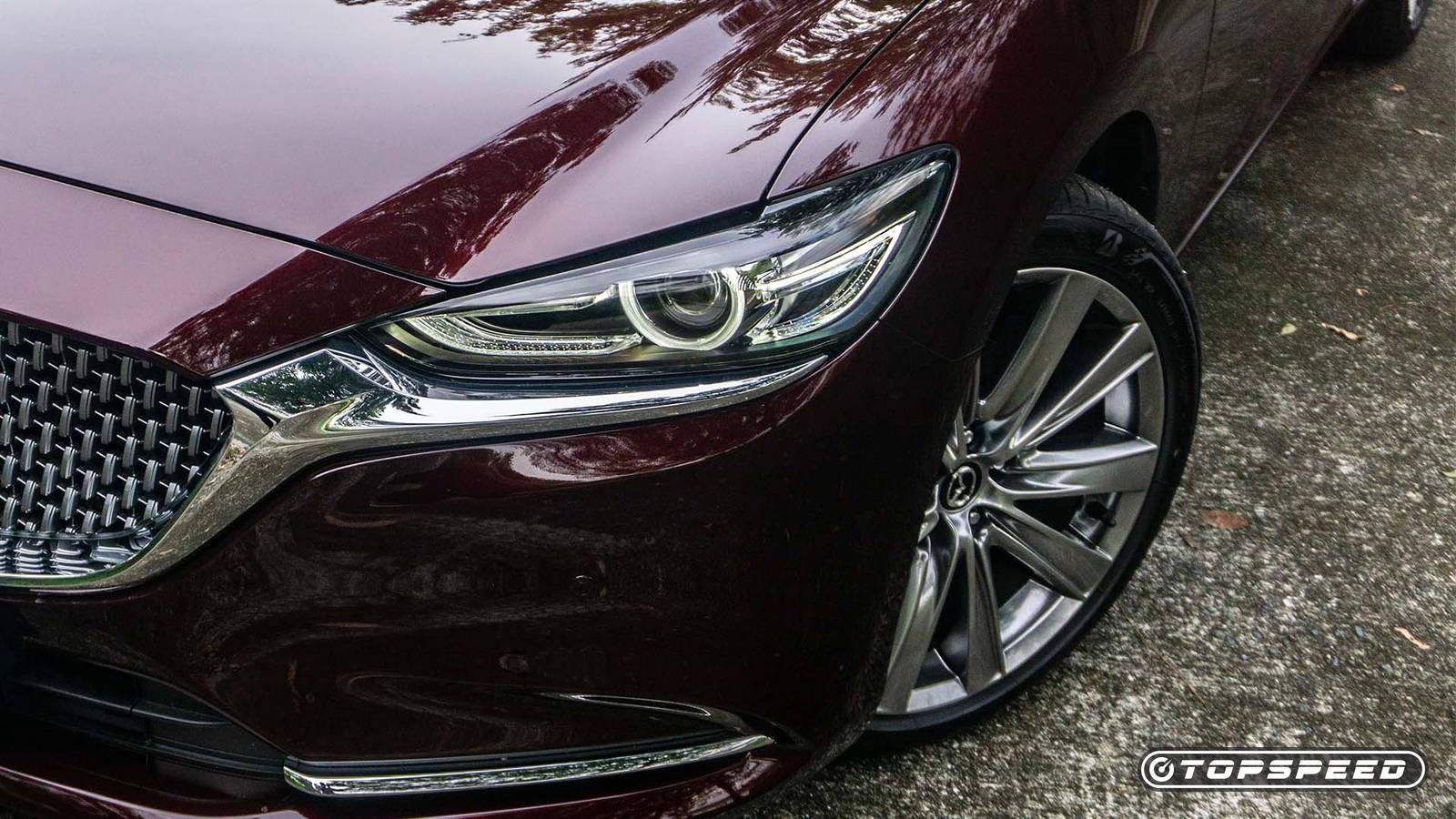
The Mazda6 never looked like a typical performance car, and that was part of its charm. It was sleek, mature, and handsome without trying too hard. On paper, it seemed like a sensible midsize sedan built to compete with the Honda Accord, Toyota Camry, Ford Fusion, and Nissan Altima. In practice, it offered something many of those rivals didn’t: genuine driver engagement. Mazda had already built a reputation for caring about how its cars felt from behind the wheel, and the Mazda6 became one of the clearest expressions of that philosophy. Instead of treating the midsize sedan segment as a purely practical exercise, Mazda engineered the car with a noticeable focus on balance and control.

It was the sort of car that immediately felt a little sharper, a little more connected, and a little more alive than you expected. That difference was not always obvious from the outside. The Mazda6 didn’t shout about its abilities. It didn’t need a loud performance badge to make its case. It simply drove in a way that made people notice. Reviewers picked up on it, owners appreciated it, and enthusiasts quietly started treating it as one of the few family sedans that still understood the joy of driving.

That’s what made it a favorite. The Mazda6 offered the practicality people needed, but it delivered it in a package that felt turned by people who genuinely cared. The car was usable, comfortable, and stylish, but underneath all that was a sedan that wanted to be driven properly.

The Sports Car That Aged Better Than Its Rivals
This aging Japanese roadster still looks young and fresh.
What Makes The Mazda6 So Good To Drive
Balanced Chassis And Responsive Steering

The Mazda6’s appeal starts with its chassis. Mazda managed to give the car a sense of balance that many family sedans never achieve. It feels planted without being heavy, composed without being stiff, and eager without becoming nervous. That balance is what gives the car its broad appeal. It is enjoyable in corners, but it is also comfortable and relaxed in daily use. Steering plays a major role, too. One of the Mazda6’s standout qualities has always been the way it responds to driver input. The steering is direct and confidence-inspiring, giving the driver a stronger sense of connection to the front end than many rivals manage.

In a segment where numb steering became common, that alone helped the Mazda feel special. The suspension tuning deserves credit as well. Mazda found an unusually smart middle ground. The car is firm enough to feel disciplined when the road starts twisting, but it is not punishing or overly aggressive. It still works as a family sedan, which is exactly why the driving experience feels so impressive. The Mazda6 didn’t become good to drive by sacrificing everyday livability. It became good to drive by being better judged than most of its competitors. That smart tuning gives the car real fluidity. It moves with a cohesiveness that makes the driver trust it almost immediately.

Power was never the whole story, but even there, the Mazda6 usually felt well matched to its purpose. Depending on generation and market, the car offered engines that delivered enough strength to support the chassis without overwhelming it. Later turbocharged versions added welcome muscle, but even the naturally aspirated models made sense because the car’s character was never about brute force. It was about rhythm, response, and the way everything worked together. That’s what separates the Mazda6 from merely competent rivals. It’s not just that it handles well for a family sedan. It handles well, full stop.

2026 Mazda CX-5 First Drive: Bigger, Better, And More Tech-Savvy
The CX-5 is all-new this year with a new look, more room, and a vastly improved infotainment system.
Why It Still Stands Out Among Modern Sedans
A Rare Blend Of Practicality And Driving Enjoyment

The Mazda6 remains respected because it struck a rare balance. It offered the space, comfort, and practicality of a midsize sedan, but never felt like an appliance. It was a car you could live with every day—and still enjoy driving.
That balance became even more valuable as many sedans disappeared or shifted toward softness and isolation. The Mazda6 stayed true to a different idea: that a practical car could still feel engaging.

Its clean design, thoughtful cabin, and cohesive driving experience helped it age gracefully and stand out in a crowded segment. In a market that often separates practicality from enjoyment, the Mazda6 proved the two could coexist. It looked like a typical “dad car,” but delivered the kind of driving feel and balance enthusiasts remember—something few family sedans manage to achieve.
Sources: CarAndDriver, Edmunds, Motortrend