
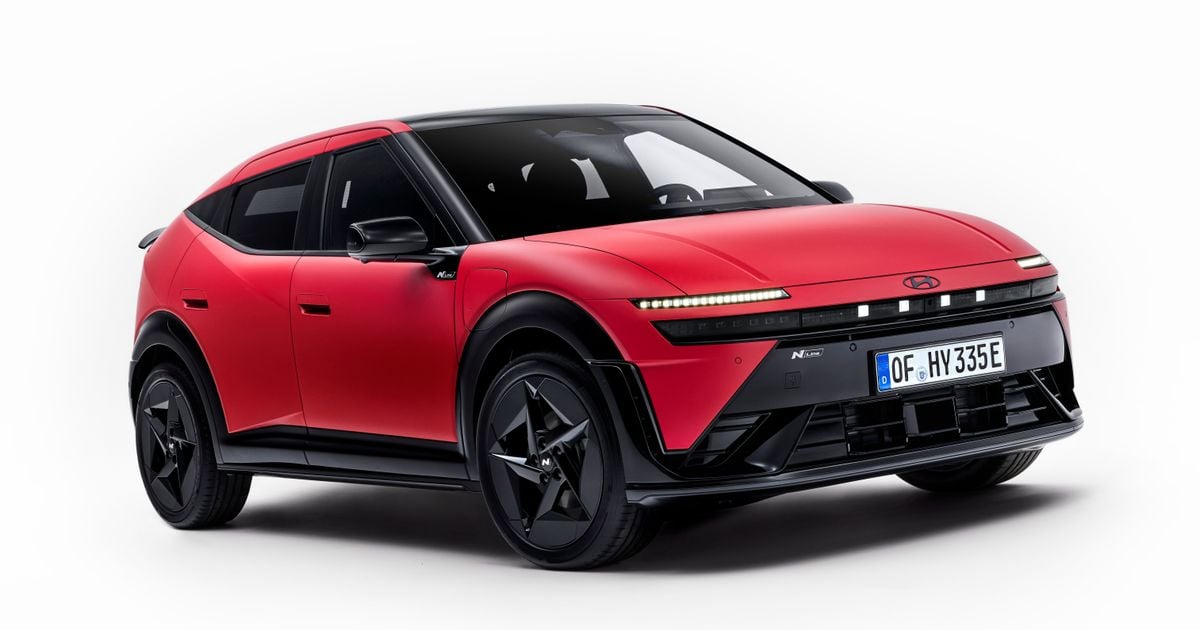
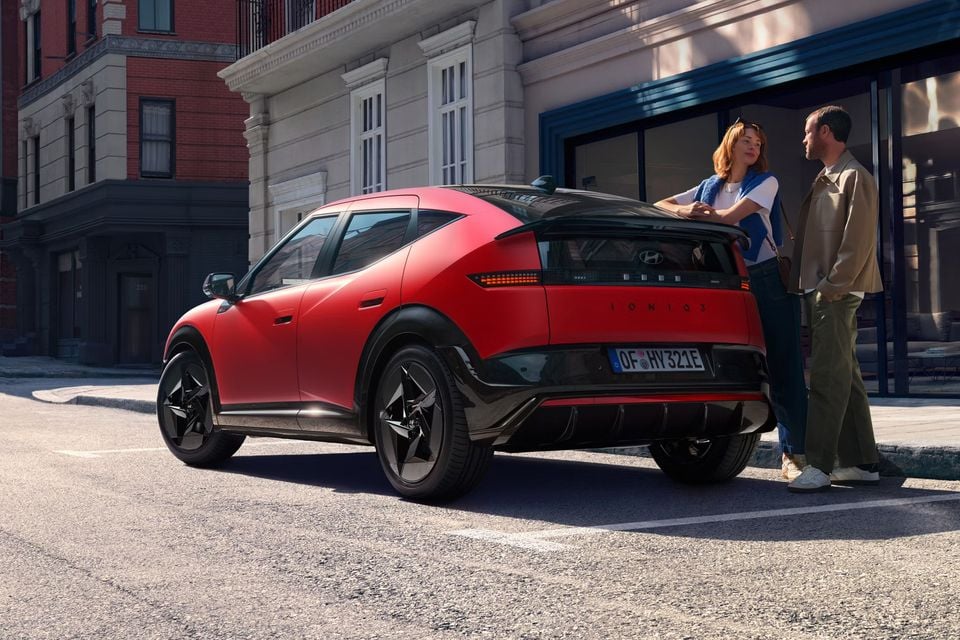
The Hyundai Ioniq 3 is a new small electric hatchback developed primarily for the European market, but it will also be available in Australia.
“Our existing EV lineup already covers 85 per cent of the market, and with the introduction of the Staria Commercial Van later this year and Ioniq 3 hatch early next year, we expect to reach 96 per cent overall EV market coverage,” said Hyundai Motor Company Australia sales director David Rodda in a statement last week.
Revealed overnight in Europe, the Ioniq 3 rides on a 400V volt version of the E-GMP architecture employed by the larger Ioniq 5, much like the slightly larger Kia EV3, and will be built in Türkiye.
CarExpert can save you thousands on a new car. Click here to get a great deal.
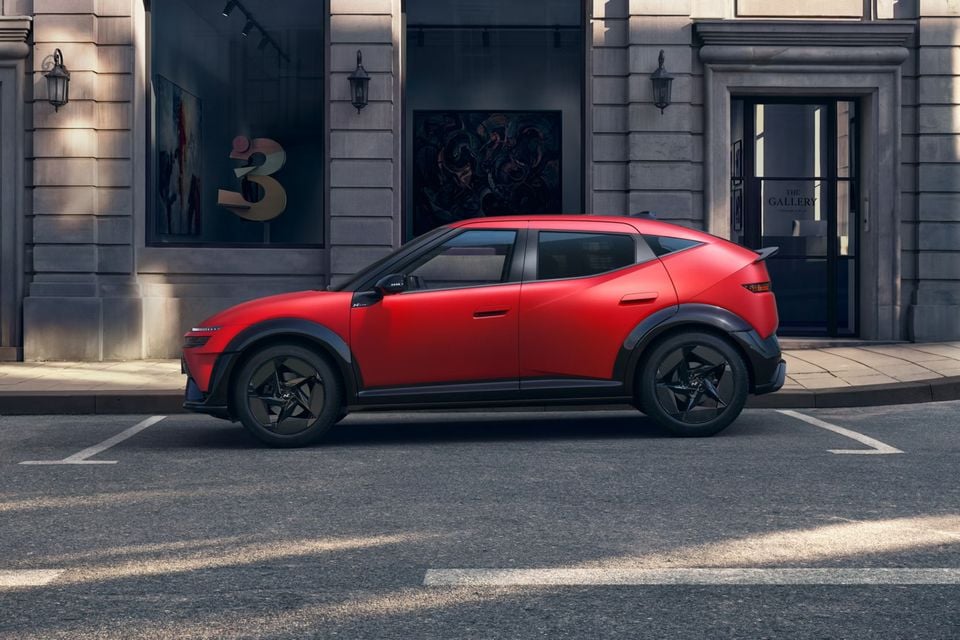
Hyundai is calling it an “aero hatch”, but with a bubble-like shape and thick wheel-arch cladding it superficially resembles the Genesis GV60.
There’s a sharper greenhouse and feature line than on the Genesis, per Hyundai’s new ‘Art of Steel’ design language, but the shape is designed to deliver maximum interior space. It also has a drag coefficient of 0.263Cd.
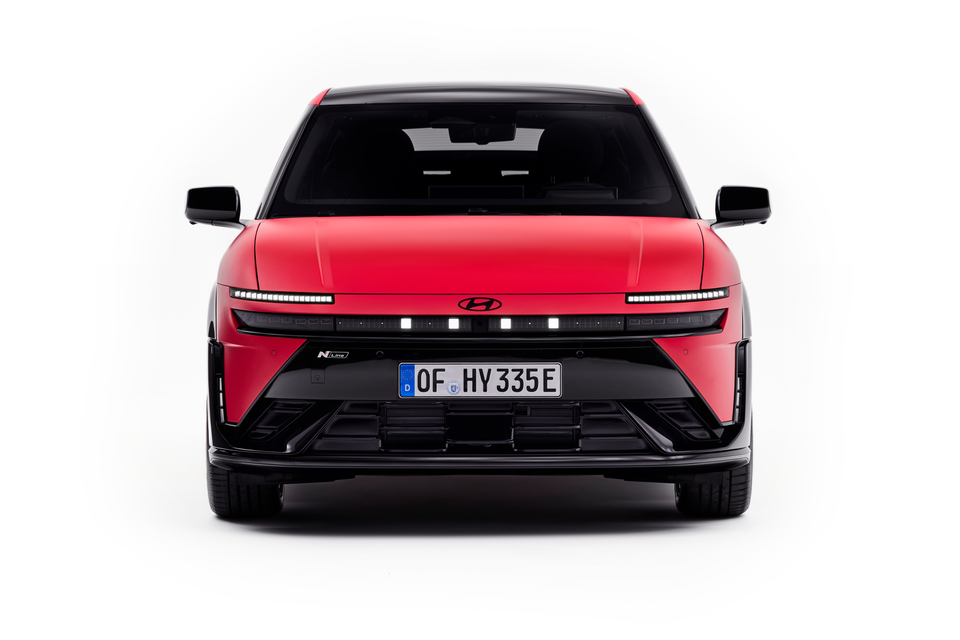
Hyundai’s signature pixel lighting elements can be found on the Ioniq 3, and the four centred dots at either end of the vehicle reference the letter ‘H’ in Morse code. Hyundai’s traditional logo can still be found on the vehicle, however.
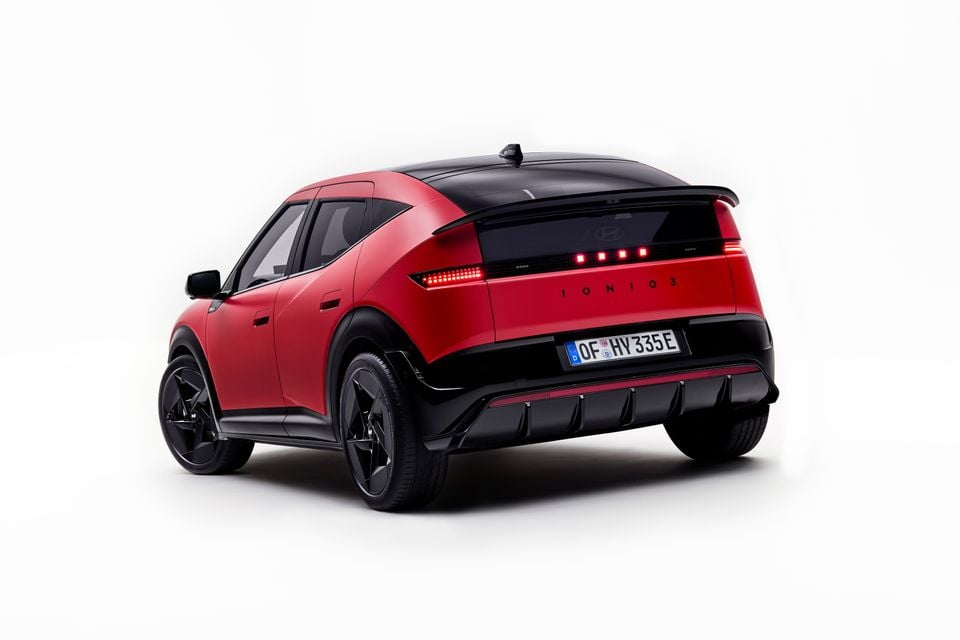
The Ioniq 3 measures 4155mm long (4170mm in N Line guise), 1800mm wide and 1505mm tall on a 2680mm wheelbase.
That makes it up to 132mm shorter than the MG 4, as well as 36mm narrower and 16mm lower on a 25mm shorter wheelbase.
It’s also 500mm shorter than the Ioniq 5 on a 320mm shorter wheelbase.
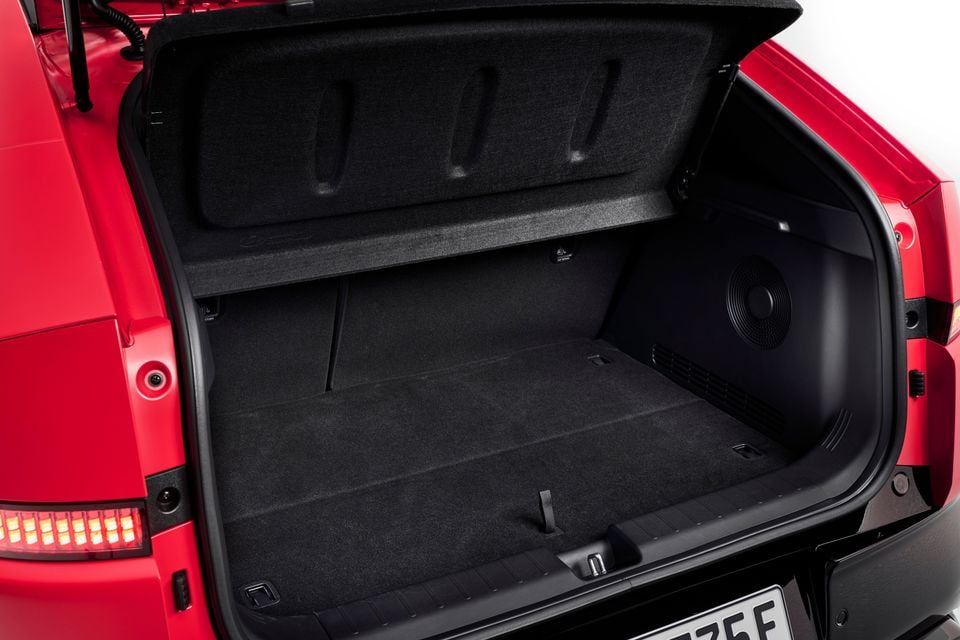
Boot space is 441 litres, split between 322L above the cargo floor and 119L in the ‘Megabox’ below. The Kona Electric has a claimed 407L in the back, despite being 200mm longer than the Ioniq 3.
There’s a choice of 42.2kWh or 61kWh batteries, good for WLTP range figures of 344km and 496km respectively.
The Ioniq 3 can be charged at up to 22kW on AC power, while a 10-80 per cent DC fast-charge takes 29 minutes “under optimal conditions”. There’s also vehicle-to-load (V2L) functionality, allowing you to power small electrical appliances using either an interior or exterior outlet.
Available only in single-motor front-wheel drive guise, the Ioniq 3 produces between 99.5kW and 107.8kW of power, and up to 250Nm of torque. Claimed 0-100km/h times are 9.0 seconds in Standard Range guise and 9.6 seconds in Long Range guise.
The Ioniq 3 will be available with 16-, 17-, 18- and 19-inch wheels.
It weighs between 1550kg and 1580kg, so up to 215kg lighter than the Kona Electric which is not based on a dedicated electric vehicle (EV) platform.
Inside, there’s a choice of 12.9-inch or 14.6-inch touchscreens running Hyundai’s new Pleos Connect infotainment system that’s based on Android Automotive OS.
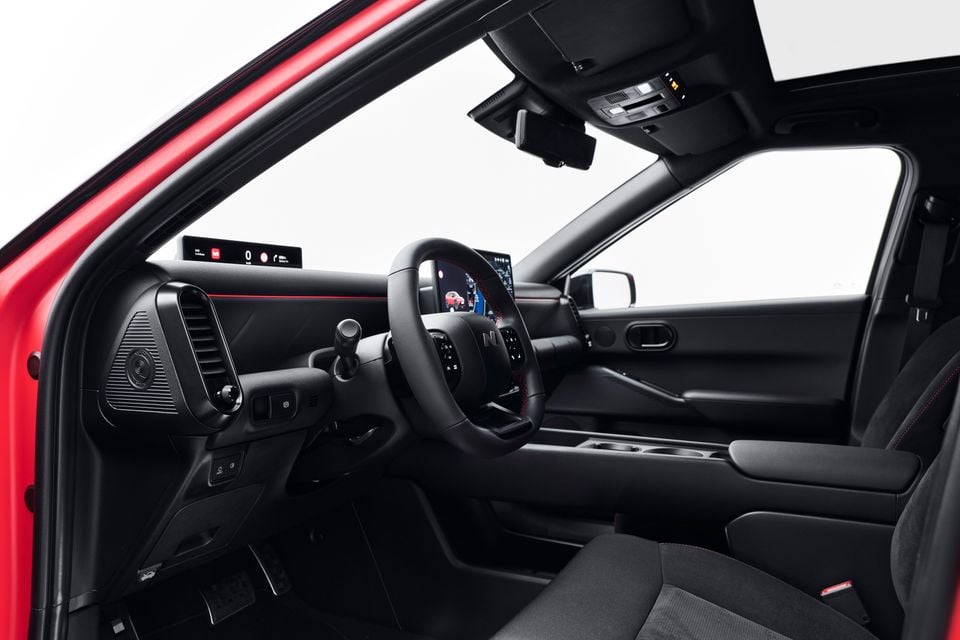
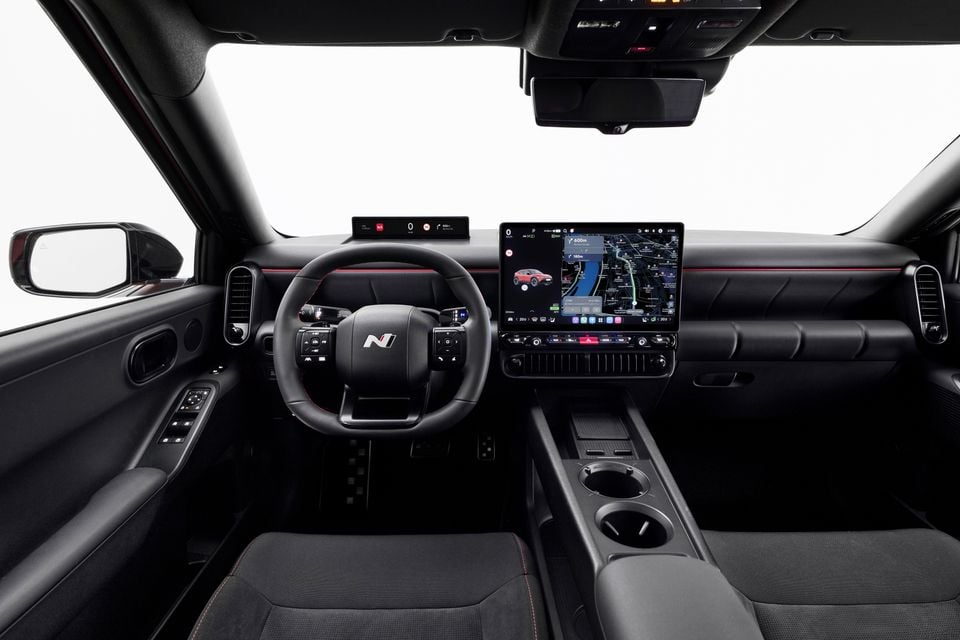
While there are anchored on-screen shortcuts for functions like the climate control, below the screen also sits a row of physical switches and knobs.
There’s a two-tier centre console, with a wireless charging pad sitting at the base of the centre stack, while the gear shifter is mounted on the steering column. A slim digital instrument cluster is mounted high on the dash, within the driver’s sight line.
The dashboard also features unusual padded sections, much like the new Nexo. The N Line seen here has a black interior with red accents, but Hyundai will also offer simple black plus two-tone beige/grey and blue/grey colourways.
Available tech includes a Bose sound system, ambient lighting, and Digital Key 2 functionality, allowing you to unlock and start the vehicle with your smart phone or watch.
There’s also Remote Smart Parking Assist, an intelligent parking system that also allows you to move the vehicle from outside of it using the key fob.
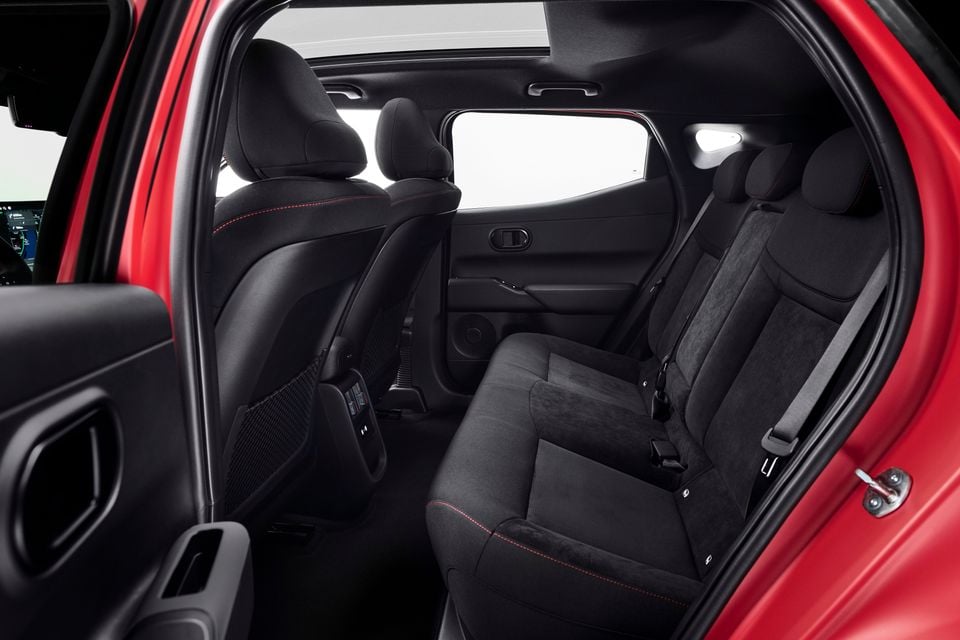
Heated and ventilated front Relaxation Seats are also available, and Hyundai says the Ioniq 3 uses “carefully selected textile materials inspired by natural landscapes and 1970s Italian furniture design, including recycled and bio-based materials”.
Safety technology includes Hyundai’s Blind-Spot View Monitor, displaying a view of the vehicle’s blind spot inside the cabin, plus Highway Driving Assist 2, Memory Reverse Assist, and a surround-view camera.
It’s unclear at this point how much the Ioniq 3 will cost in Australia.
The Kona Electric starts at $54,000 before on-road costs (though it’s currently being offered from $45,990 drive-away), slotting in under the Elexio ($58,990 plus on-roads, currently $57,990 drive-away) and the Ioniq 5 ($76,200 before on-roads, currently $71,990 drive-away).
Hyundai’s current entry-level EV is the Inster, priced from $39,900 plus on-roads ($38,990 drive-away).
Over at sister brand Kia’s showrooms, the EV3 starts at $47,600 plus on-roads, and is currently being offered for $46,990 drive-away.
Given the Ioniq 3’s Turkish production, we wouldn’t expect it to be priced quite as sharply as the growing contingent of small Chinese electric hatchbacks including the BYD Dolphin and GAC Aion UT.