
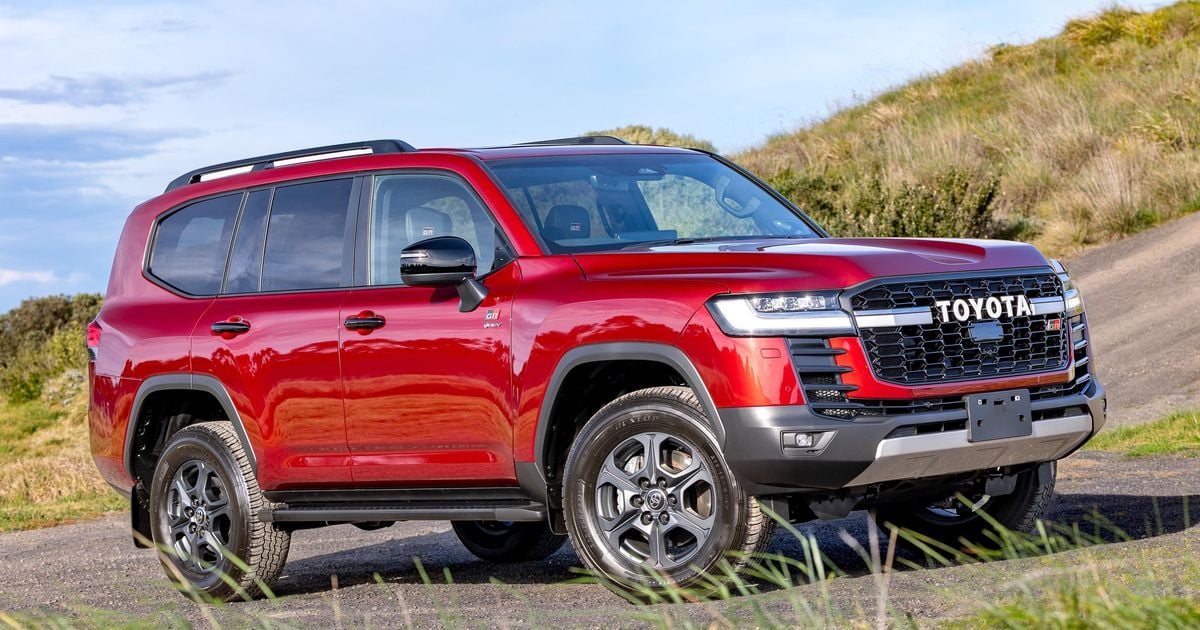
The Toyota LandCruiser 300 Series ‘performance hybrid’ has been priced for Australia, and it’s not cheap.
The twin-turbocharged 3.4-litre petrol V6 ‘i-Force Max’ hybrid powertrain is available only in the GR Sport and Sahara ZX trim levels, the most expensive in the LandCruiser 300 Series lineup.
The GR Sport hybrid has been priced at $156,060 before on-road costs and the Sahara ZX hybrid at $156,810 before on-roads, up $8900 on their V6 diesel-powered counterparts.
The new variants go on sale in Australia mid-year.
CarExpert can save you thousands on a new car. Click here to get a great deal.
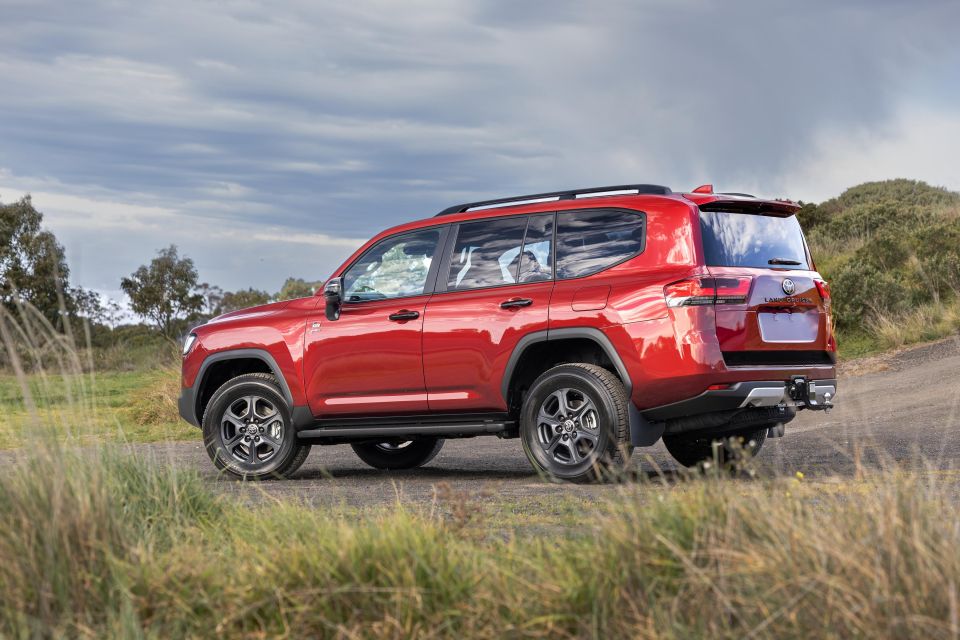
The ‘performance’ parallel hybrid powertrain, also seen in the Tundra pickup, combines a twin-turbo 3.4-litre petrol V6 with a single electric motor-generator placed between the engine and the 10-speed automatic transmission. A 1.8kWh nickel metal hydride (NMH) battery sits at the rear, necessitating the relocation of the spare wheel.
Total system outputs are 341kW of power and 790Nm of torque, up 114kW and 90Nm on the 3.3-litre turbo-diesel V6 that powers the rest of the 300 Series lineup.
In addition to their petrol-electric powertrain, performance hybrid versions of the 300 Series also switch from hydraulic to electric power steering assistance, gain an upgraded 200V/1500W rear auxiliary power outlet capable of powering small electrical appliances, and feature a 40/20/40-split/folding rear seat back.
As with the diesel GR Sport and Sahara ZX, performance hybrid variants are offered only with a five-seat layout.
If you want seven seats, you’ll need to step up to the LandCruiser hybrid’s fancier Lexus LX700h cousin, the lone three-row variant of which is priced at $199,800 before on-roads.
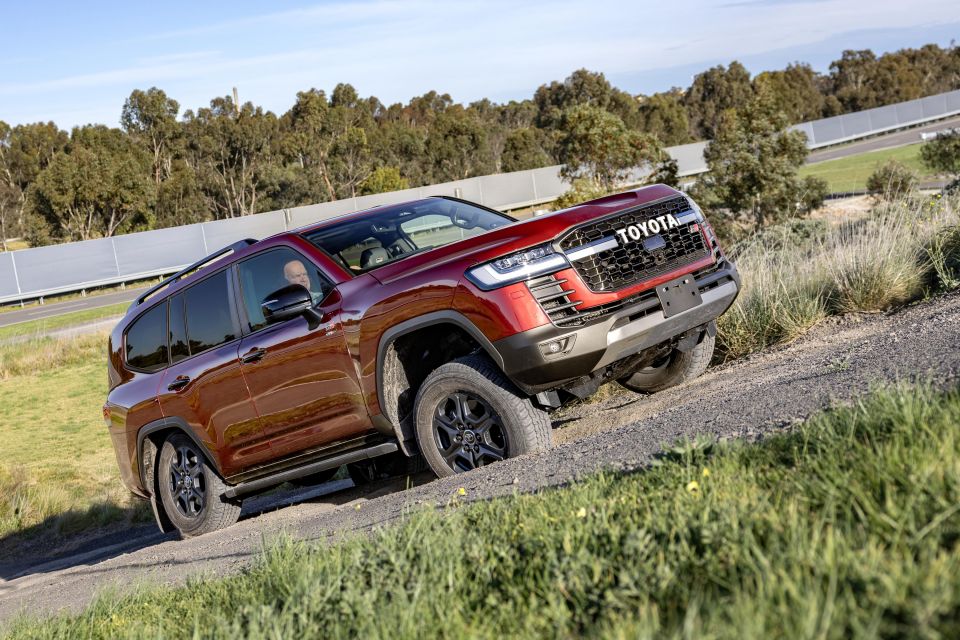
Both LC300 hybrid variants retain a full-time four-wheel drive system, while the Sahara ZX is equipped with a Torsen limited-slip rear differential and the GR Sport comes with locking front and rear differentials, plus electronically controlled E-KDSS suspension.
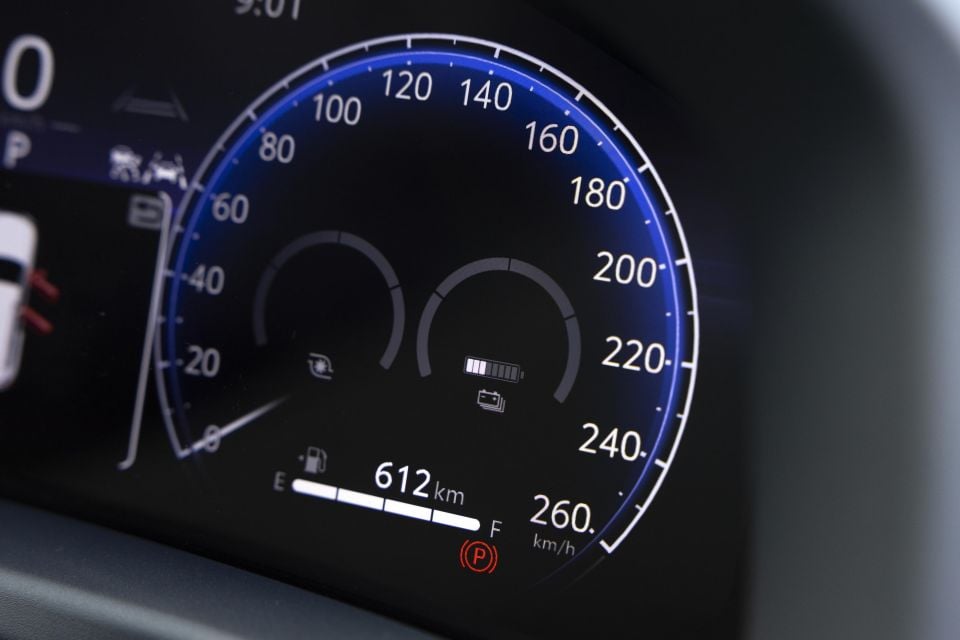
Braked towing capacity remains 3500kg, though fuel economy figures have yet to be announced for Australia.
Overseas figures show a combined-cycle claim of 10.9L/100km, up from 9.9L/100km for Australian-market diesel variants. CO2 emissions figures have yet to be announced either, but Toyota expects the first LandCruiser hybrid won’t escape Australian Government emissions penalties.
Toyota Australia is backing the hybrid LandCruiser with its five-year, unlimited-kilometre warranty, with capped-price servicing for the first five years or 100,000km, limited to $450 per service.
“Unlike our efficiency hybrids in vehicles like Camry and RAV4, this hybrid powertrain is all about improving performance – whether that’s for off-road adventures well beyond the tarmac or towing heavy loads such as caravans, horse floats or boats,” said John Pappas, Toyota Australia’s vice president for sales, marketing and franchise operations, in a press release today.
“Toyota customers have experienced the power and towing performance of the i-Force Max powertrain in the Tundra landmark truck, with that proven capability now coming into the LandCruiser family.
“As the most powerful LandCruiser we have ever produced, the new performance hybrid GR Sport and Sahara ZX offer the ultimate performance in a premium 4WD SUV.”
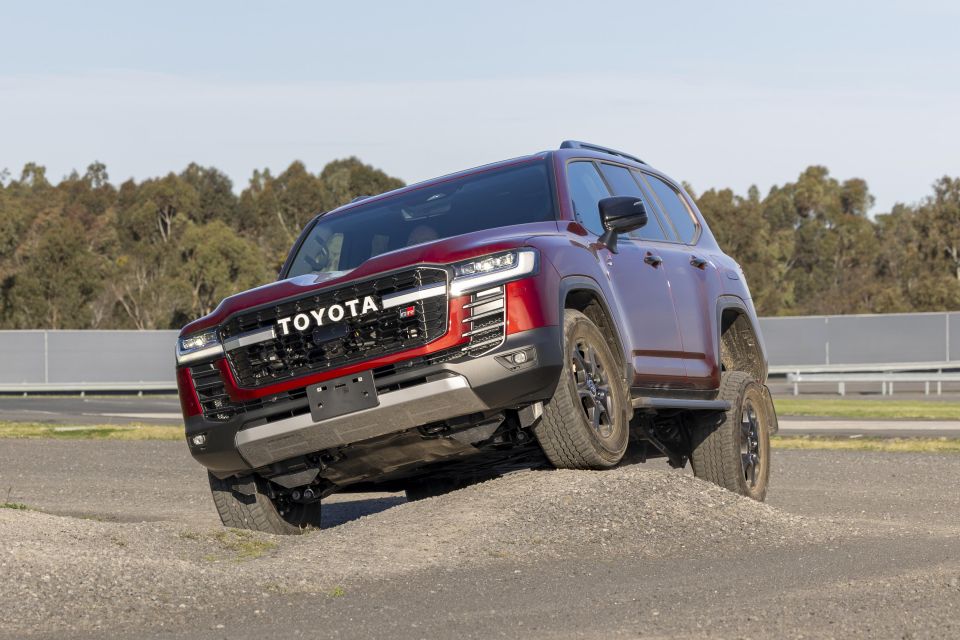
The inaugural LandCruiser hybrid was originally due on sale here in March 2026, before Toyota confirmed in April that it would be arriving mid-year.
BYD’s premium Denza brand has beaten Toyota to market with a full-size, electrified off-road SUV.
The Denza B8, which produces slightly more power but slightly less torque at 425kW and 760Nm respectively, is a plug-in hybrid that’s also capable of towing 3500kg.
Featuring a third row of seats, the B8 is priced between $91,000 and $97,990 before on-road.