
It’s not a lemon list, more a herd of sacred cows about which the world thinks of in one way yet the reality can be slightly different.
All – or, at least, most – of these cars have some mega plus-points, but they also have reputations that are a bit larger than life. We take a look at some, and explain why those reputations can be over the top:
Land Rover Series I (1948)
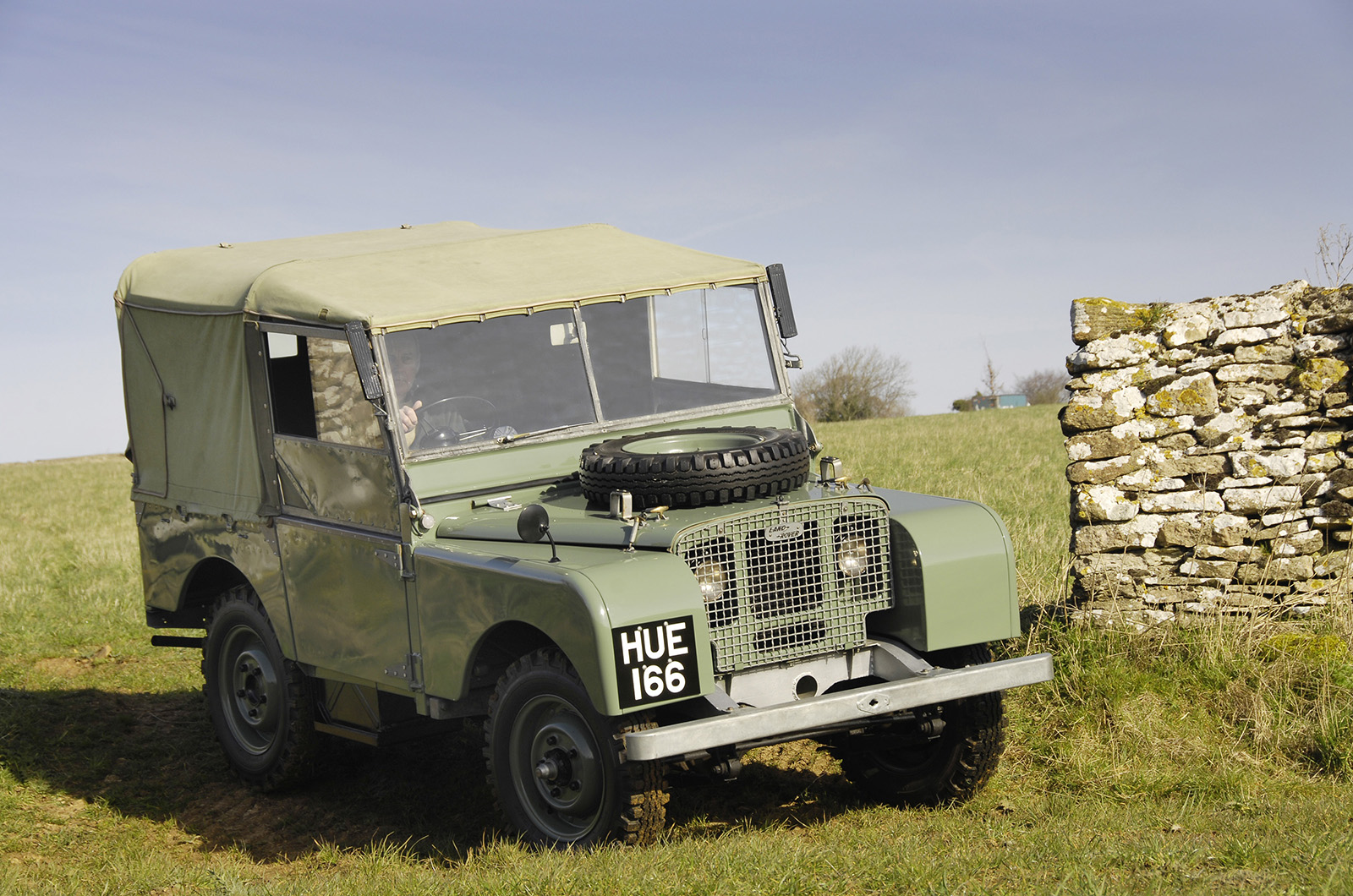
The lovable Land Rover is hailed, quite rightly, as the grandfather of all civilian off-roaders, and how these very early vehicles can still perform in the rough is impressive – were you to submit your Series I to some farm life. ‘Dual-purpose’ is where the concept falls down.
Land Rover Series I (1948)
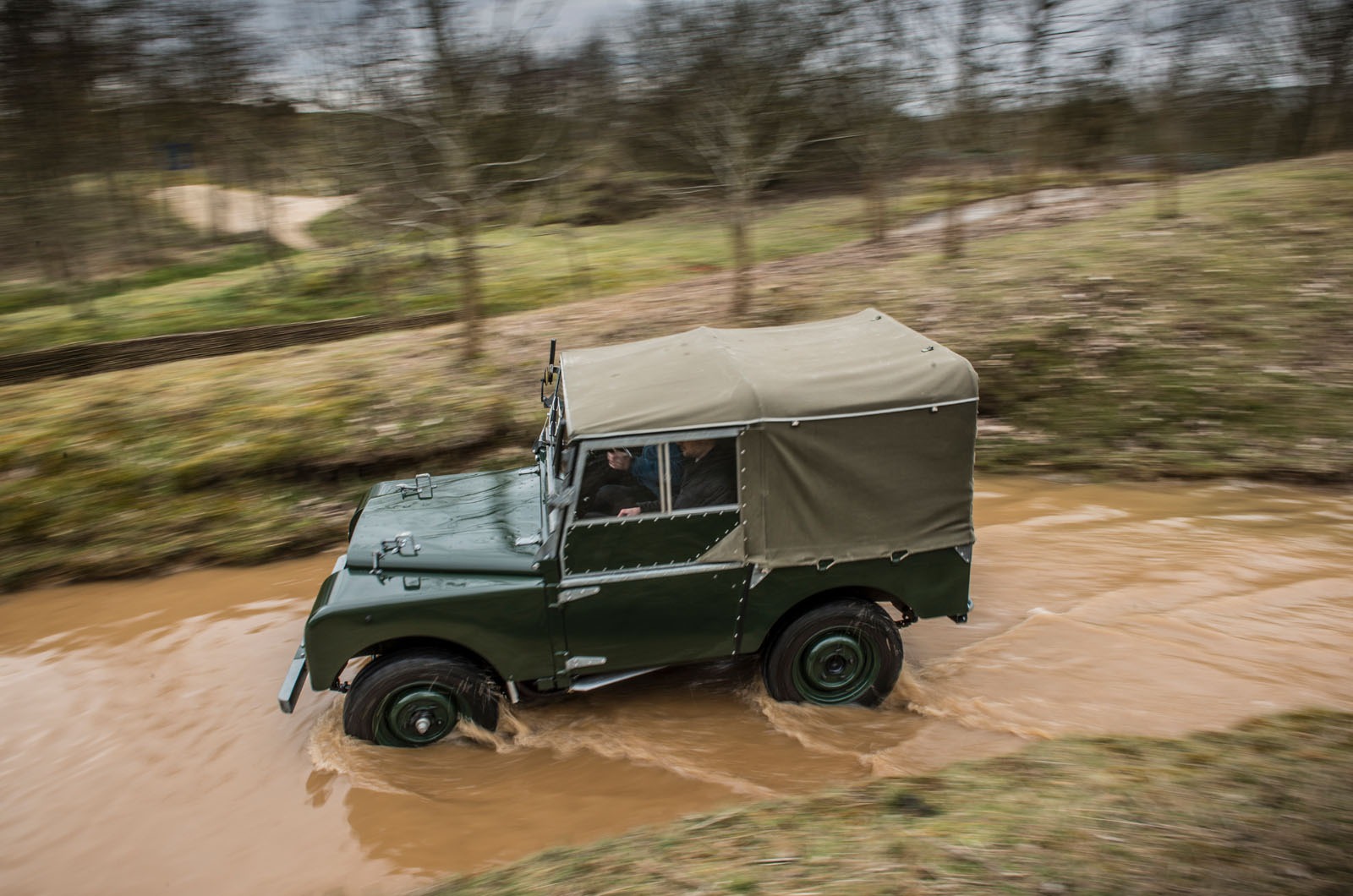
While there’s no disputing it can, legally, be driven on tarmac, the experience is one that should be kept as short as possible in the best interests of your spine, teeth, joints and nerves as the leaf springs, chassis girders and hefty, turning axles make their jarring progress. Think of it as not really a car, and keep to the fields, and you’ll be fine.
Volkswagen ‘Beetle’ (1950)
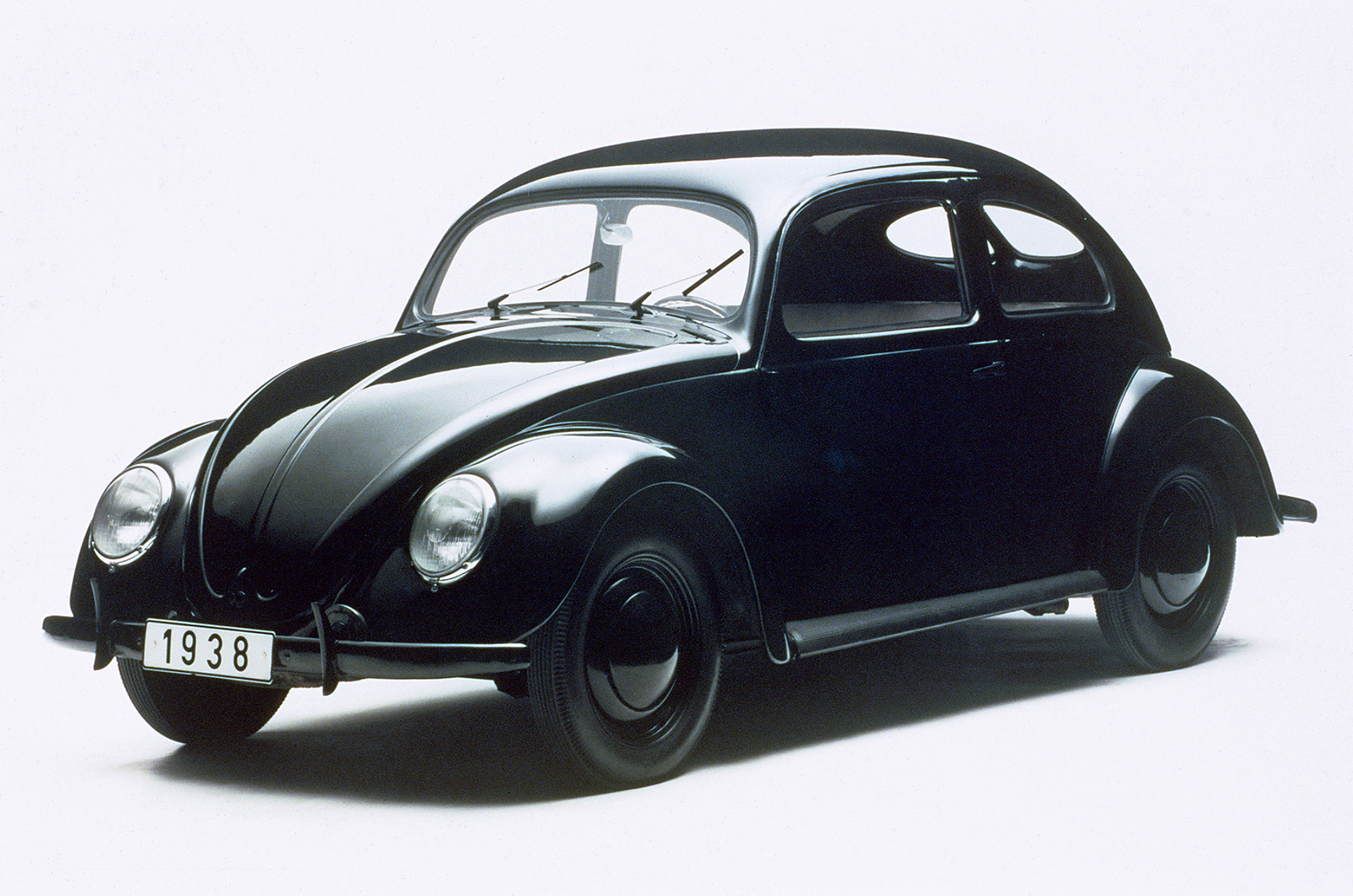
That a cheap, 1930s economy car design should survive on sale for some 60 years, and sell 21 million examples, is of course a phenomenon. It is, though, one celebrated today by people who would find a Beetle an appalling prospect, as it certainly did not set the pattern for the modern car. The rear-engined layout, and weight bias, is not the most forgiving.
Volkswagen ‘Beetle’ (1950)
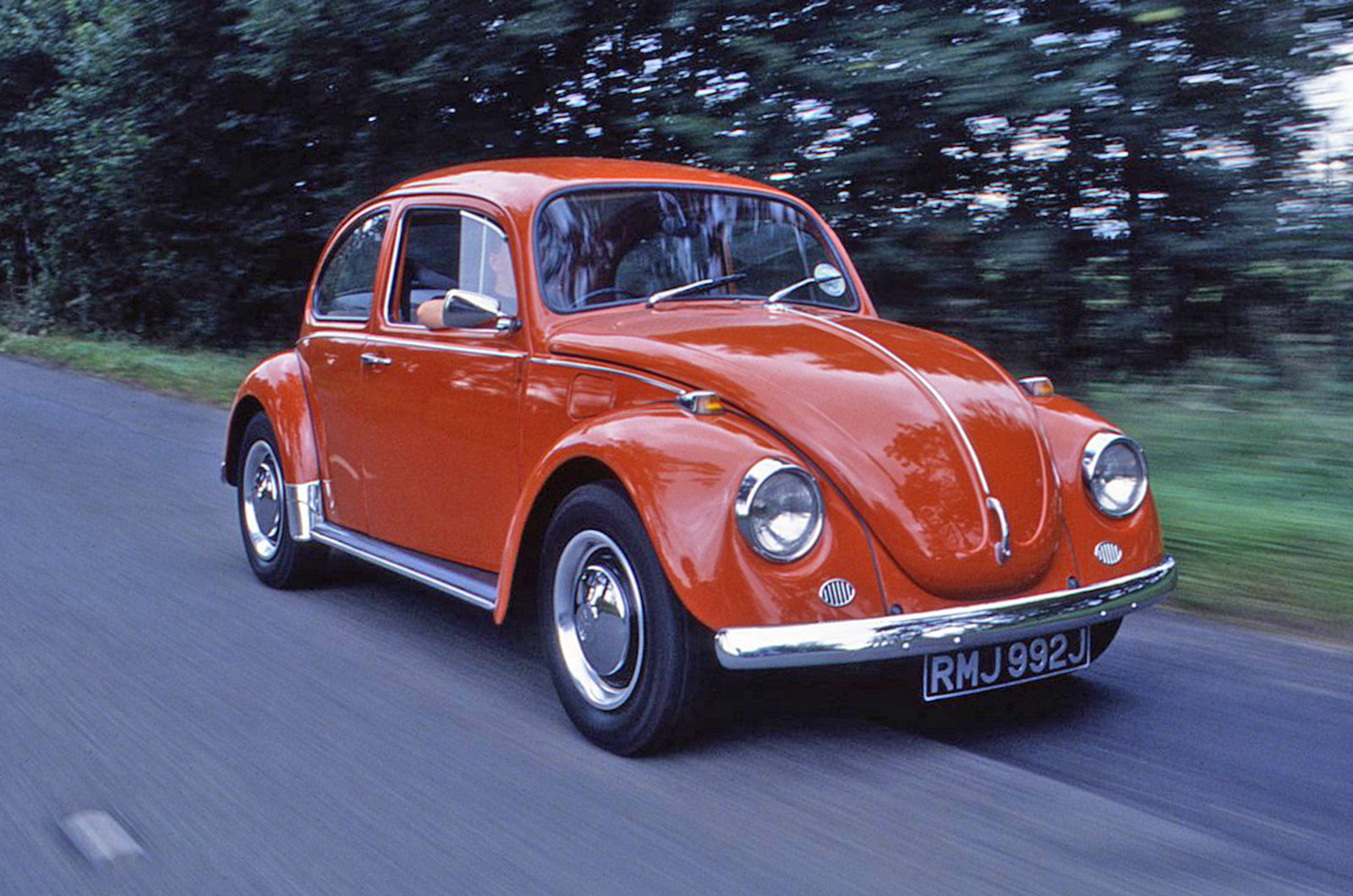
And by the mid 1960s – the Beetle’s heyday, especially in the US – the flimsy structure, complete absence of safety systems, and poor brakes was anachronistic in the extreme. “But it’s so reliable,” people said; or were they getting confused with the ease with which you could work on it? Yes, there’s charm, but the Golf couldn’t come along soon enough…
MGB (1962)
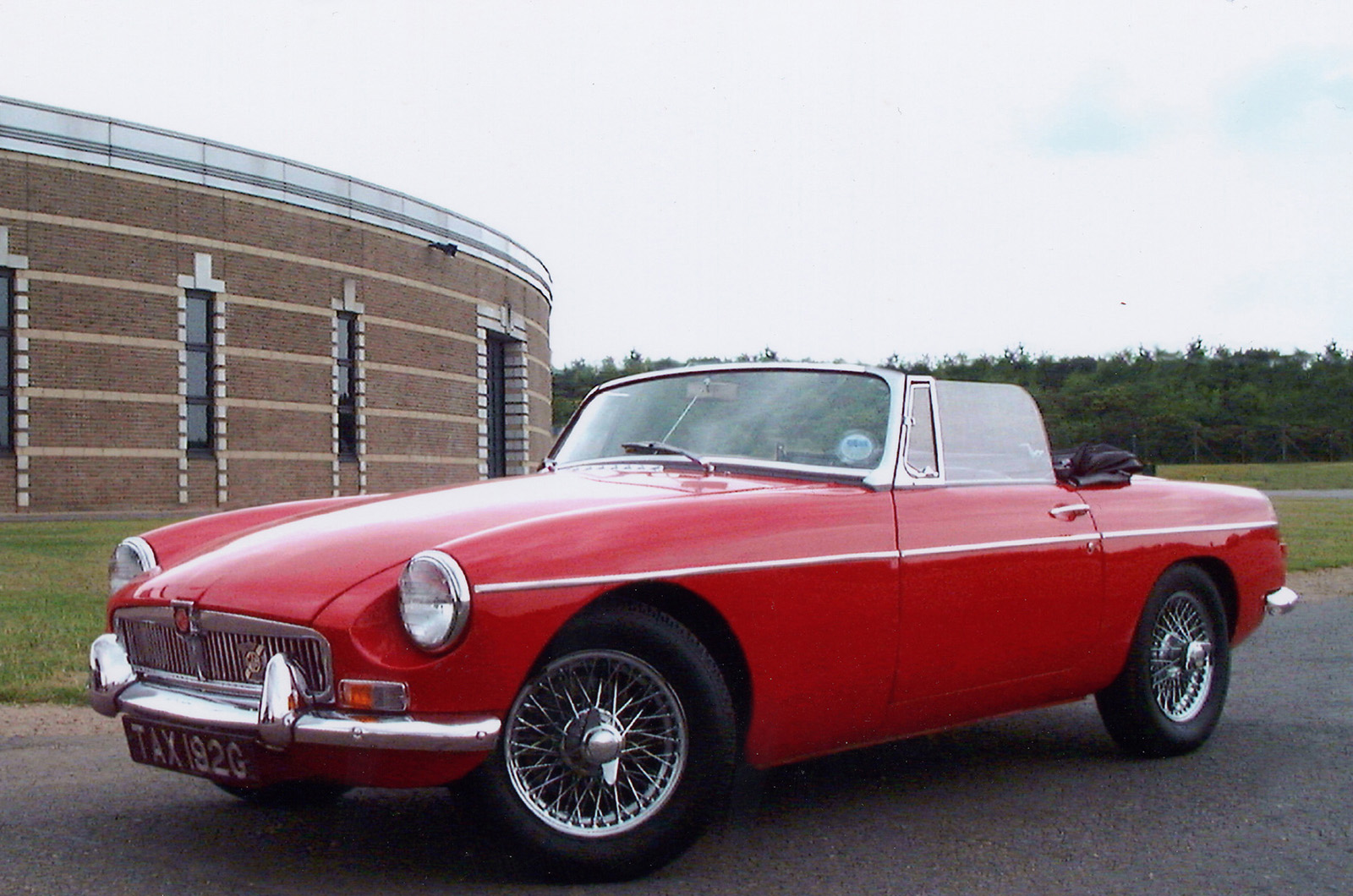
Here’s another car whose venerability, like the Beetle’s, has given it an aura that usually makes it immune to proper analysis. Introduced in 1962, it had monocoque construction and solid performance with all the inconveniences – sweaty cockpit, heavy steering, leaky hood, rust traps aplenty – that a sports car owner was expected to overlook.
MGB (1962)
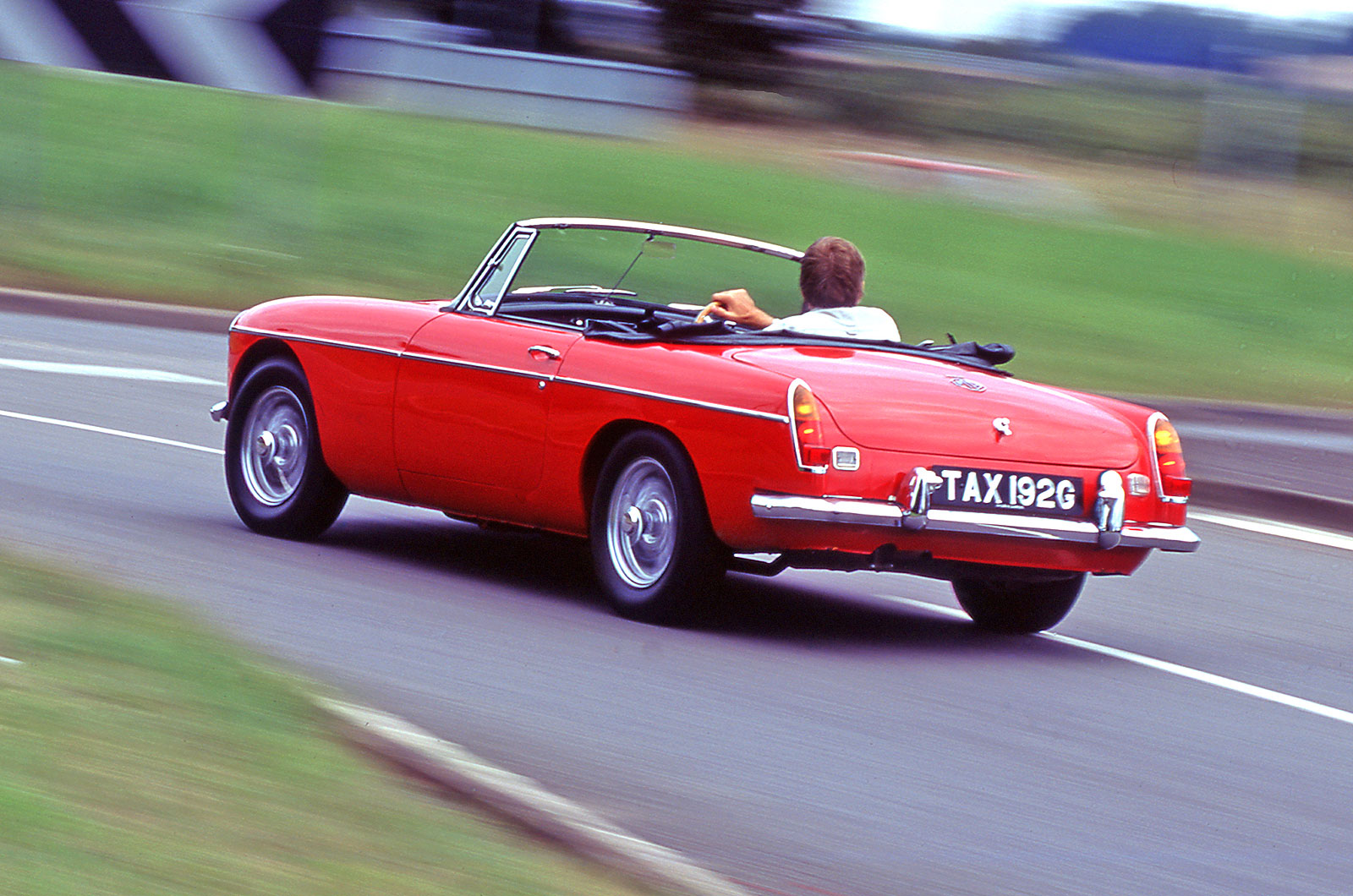
British Leyland decided not to bother replacing the car, especially as most of its rivals were discontinued so that by the B’s demise in 1980, this living antique was the default sports car option. That’s why it led the classic car boom, until the Mazda MX-5 came along and proved that, yes, wind-in-the-hair for two could actually be done really, really well…
Buick Riviera (1963)
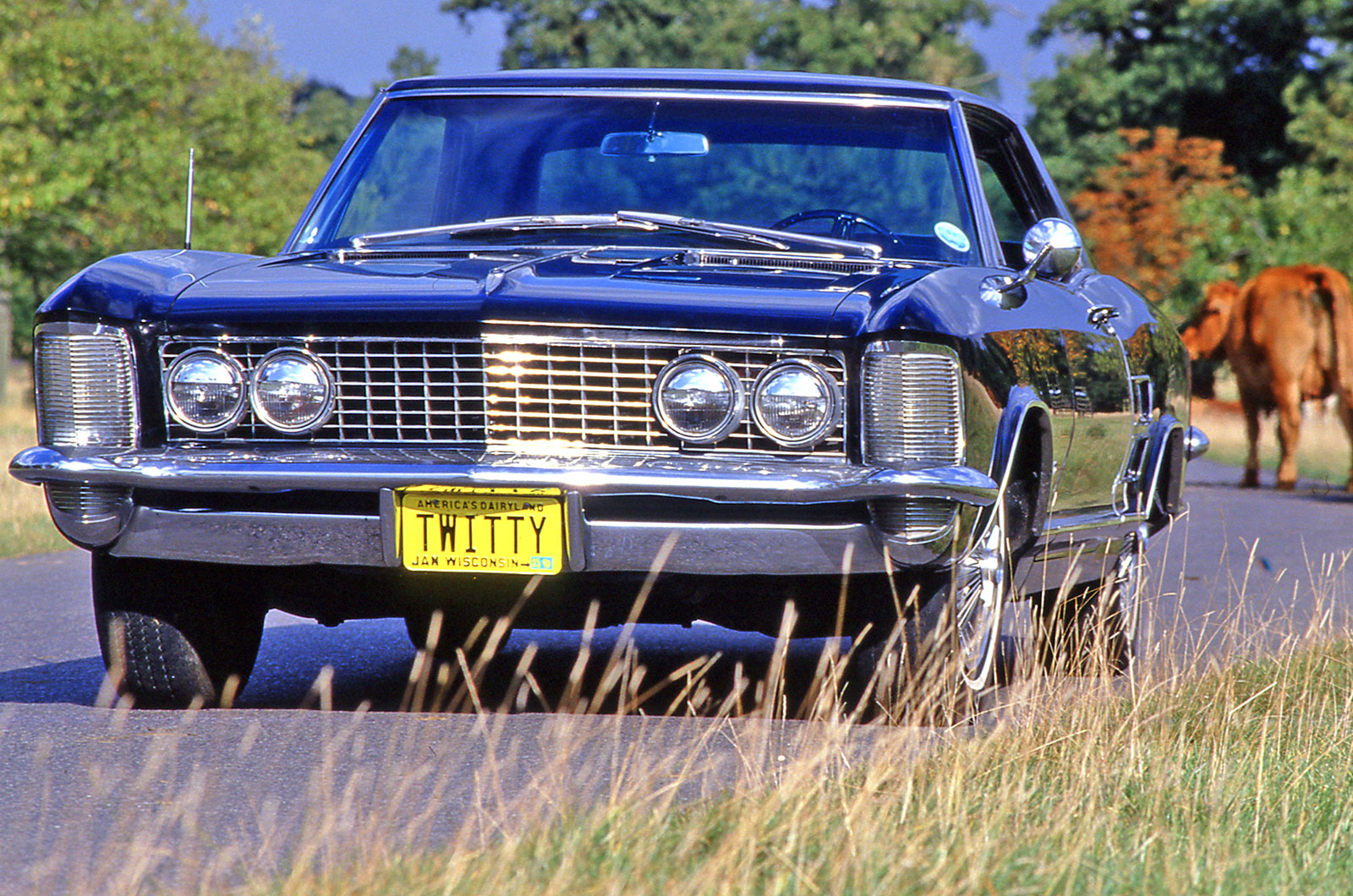
General Motors styling boss Bill Mitchell, like his predecessor Harley Earl, had this fixation that a home-grown roadster for the US highway should be something vast and imposing, while the late 1930s Lincoln Continental which evolved into the Continental II of 1956 had an enormity that no-one from Europe would consider remotely sporty.