
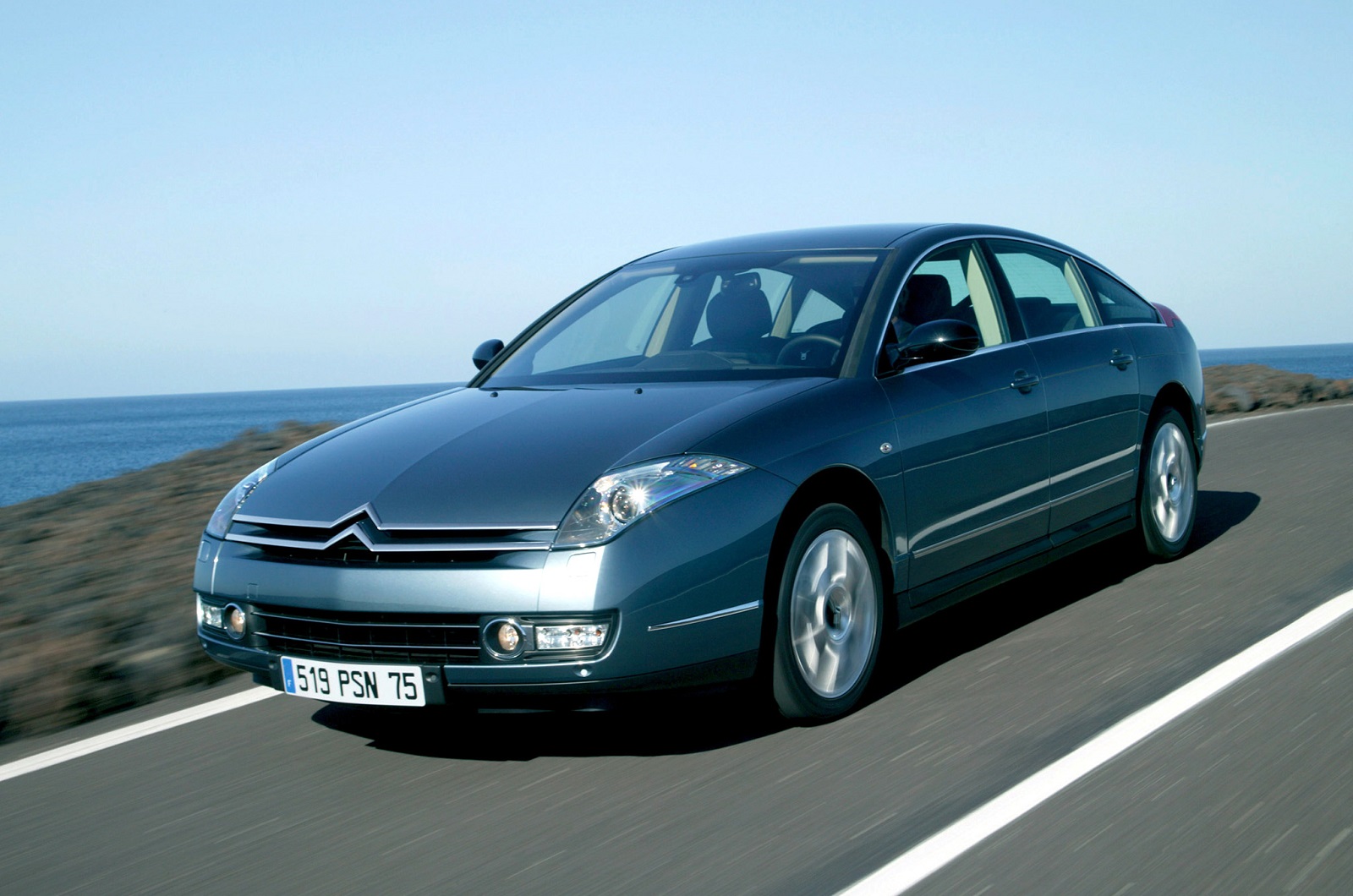
Before the second world war, French companies built many of the world’s most luxurious cars.
Prestigious names like Bugatti, Delage, Delahaye and Salmson thrived in their home country and abroad. Profitably making luxury saloons became much more difficult after the war.
Petrol was rationed, the French economy was slow and the government began collecting a stiff tax on what it classified as non-essential goods. The class didn’t experience a true revival until the 1960s.
From the lame to the great, join us as we look at the luxury saloons made b French carmakers between 1960 and around 2020:
Renault Rambler (1962)
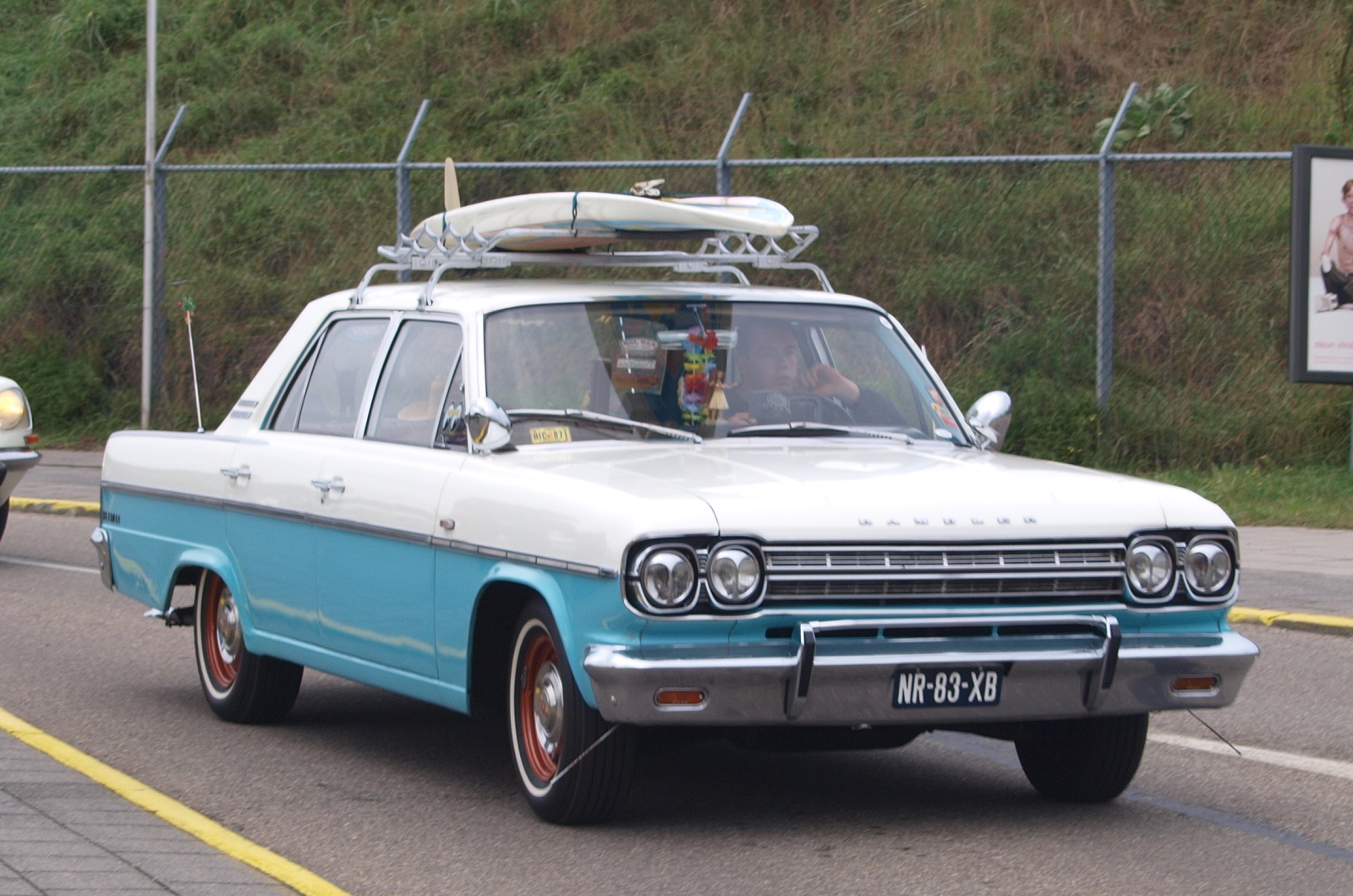
The Fregate occupied the top spot in the Renault range during much of the 1950s. Its ponton design made it considerably more modern-looking than the Citroen Traction Avant, one of its main rivals. The tables suddenly turned when the avant-garde DS made its global debut at the 1955 Paris motor show.
Renault had to fire back. Instead of developing an executive saloon from scratch, it did a deal with American Motors Corporation (AMC) to build and distribute the Rambler in Europe. The firm received the Rambler in kit form and assembled it in Haren, Belgium. The European-spec model came with a 3.2-litre straight-six engine that made 129bhp in its initial state of tune.
The Rambler sold poorly even in France, where it was generally too expensive to buy, register and run. And, in hindsight, many buyers never warmed up to its decidedly American design. President Charles de Gaulle allegedly turned down an armoured Rambler as his official car.
Renault 16 (1965)
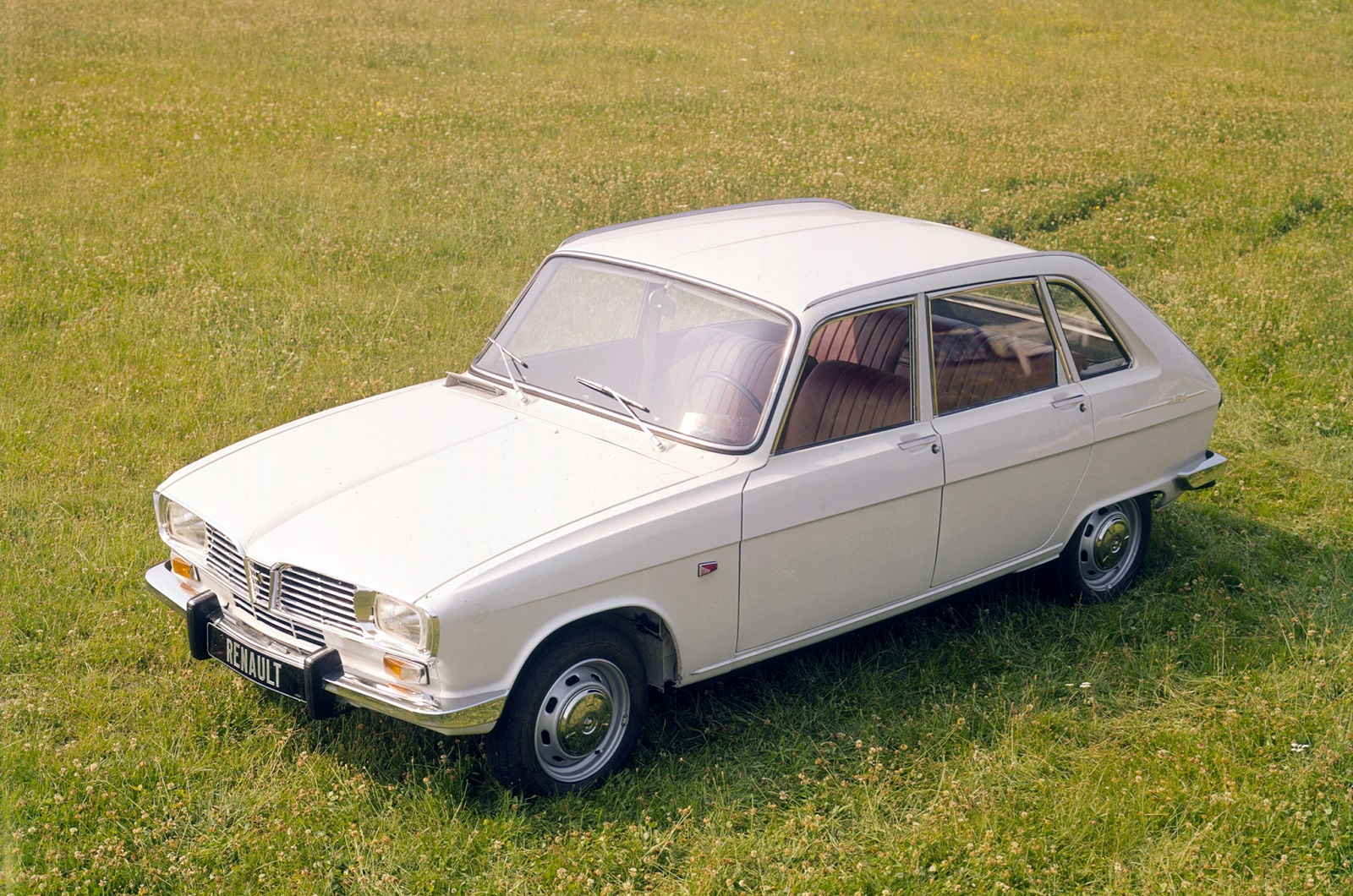
It didn’t take long for Renault to realise the Rambler wasn’t going to succeed. Executives asked talented designer Gaston Juchet to draw a new luxury car whose design would resonate with buyers in Europe. He ditched the three-box silhouette and adopted a two-box look with a practical hatch in lieu of a flat boot lid. The sheet metal hid an innovative front-wheel drive layout already seen on Renault’s 3, 4 and Estafette models.
The coupe and saloon variants of the 16 designers experimented with in the early 1960s never made the transition to production. The model nonetheless received luxurious features like an automatic transmission, fuel injection plus power-operated door locks and front windows to cement its position at the top of the Renault range, especially after the Rambler was quietly dropped in 1967.
Renault hoped to replace the 16 with the 20 and position the 30 a notch above. Both models made their debut in 1975 but the 16 remained on sale until 1980. Over 1.8 million examples were built and the model was sold in dozens of countries, including the United States.
Monica 560 (1972)
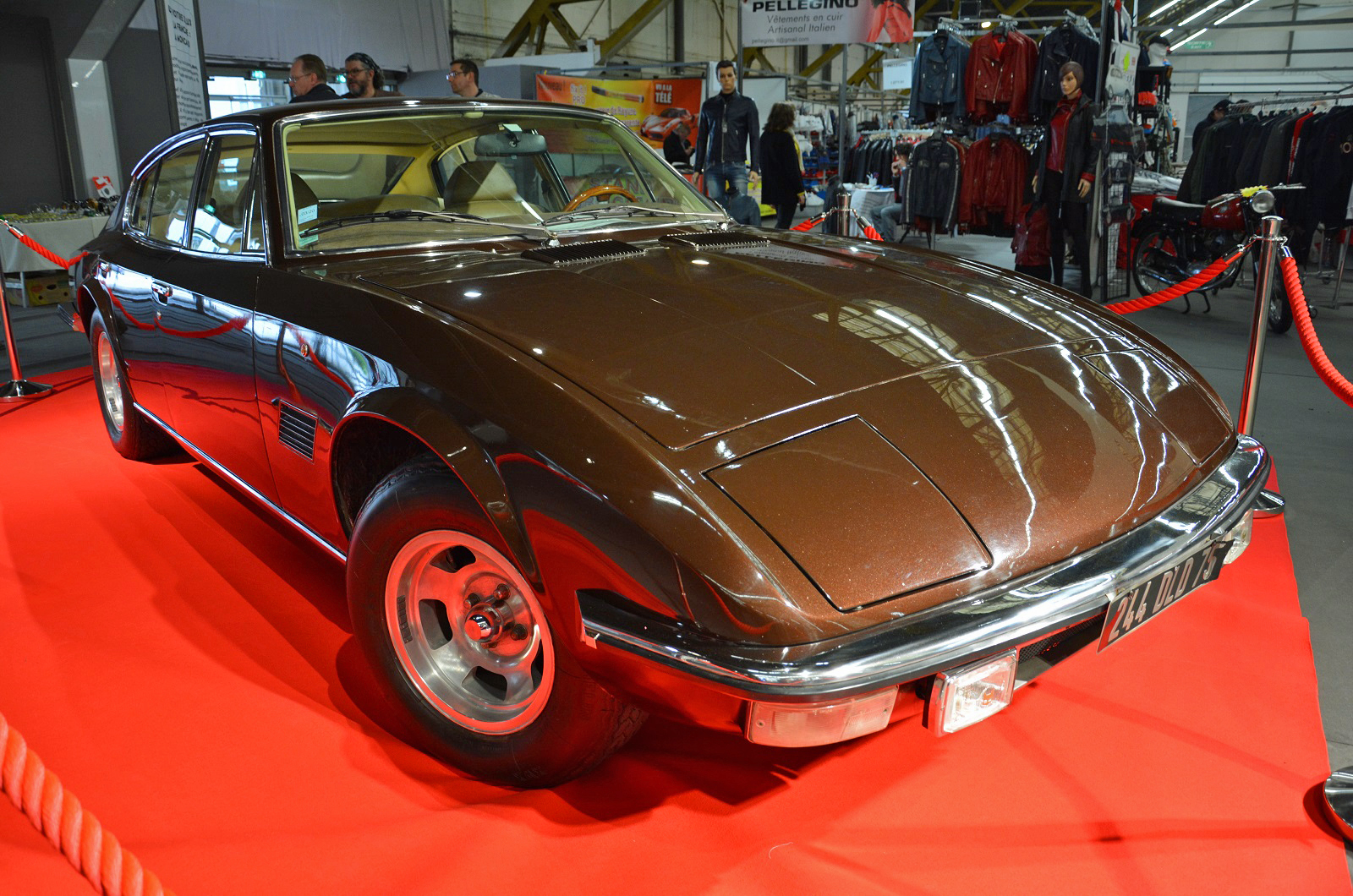
In the late 1960s, a few years after Facel Vega disappeared, a French industrialist named Jean Tastevin embarked on an endeavour to build an ultra-luxurious saloon capable of beating Jaguar, Maserati and Mercedes-Benz. Former Formula One driver Chris Lawrence helped design the car, which Tastevin ultimately named Monica after his wife Monique and 560 to denote the engine’s displacement.
The public first saw the Monica 560 during the 1972 Paris motor show and the production model made its debut a year later at the same event. Early prototypes looked like an overgrown Panhard CD and used a Ted Martin-designed V8. The production model received a contemporary-looking, wedge-shaped body and a 5.6-litre V8 from Chrysler.