
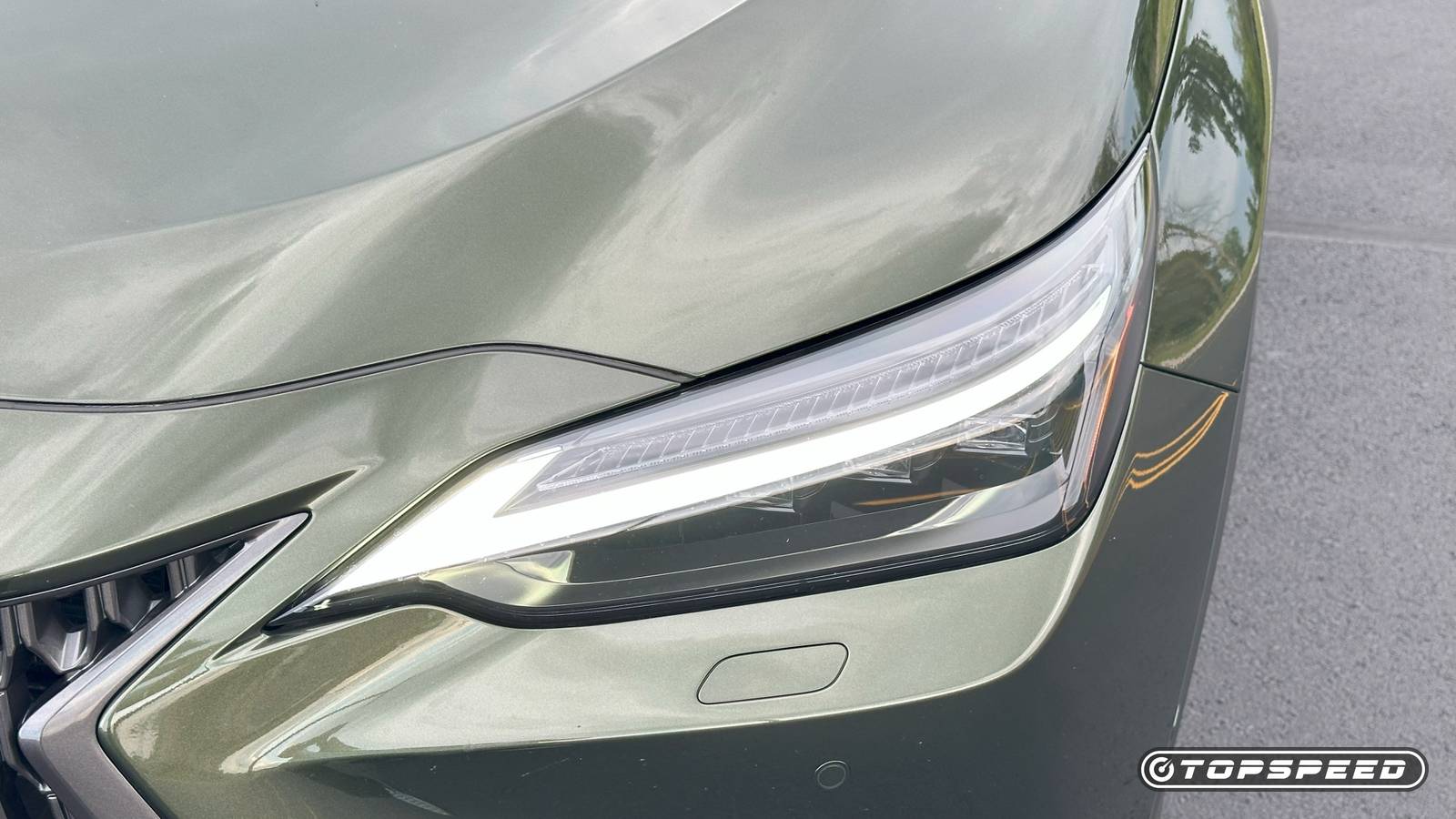
Modern luxury car buyers are more restless than ever. With electrification accelerating, software redefining the driving experience, and new brands entering the premium space, loyalty has become fragile. Today’s buyer is informed, impatient, and increasingly willing to experiment, jumping from German performance icons to Silicon Valley disruptors without hesitation. And yet, one brand consistently defies this trend.
Across multiple studies, this brand’s owners remain among the least likely to switch, even as the broader industry struggles to maintain loyalty rates hovering below 50 percent. What’s even more remarkable is that this loyalty isn’t driven by flashy innovation or aggressive marketing. Instead, it stems from something far more difficult to replicate: consistency.
In an era where competitors chase touchscreen dominance, over-the-air updates, and ever-increasing performance figures, this Japanese manufacturer has stayed focused on fundamentals: build quality, refinement, and ownership peace of mind. The result is a brand that doesn’t just satisfy its customers, it reshapes what they expect from a car altogether. This is about trust, experience, and a level of dependability that turns first-time buyers into lifelong customers.
Why Modern Luxury Car Buyers Are More Willing To Switch Brands
Except When Reliability Becomes Non-Negotiable

The modern luxury segment is defined by choice, and paradoxically, that abundance has weakened loyalty. As vehicle availability improves and new models flood the market, buyers are more inclined to explore alternatives rather than remain tied to a single brand. Technology has played a major role in this shift.

Electrification, digital dashboards, and software ecosystems have created a new battleground where traditional strengths, like engine performance, matter less than user interface and connectivity. This has allowed newer entrants to disrupt established hierarchies. However, there is a clear limit to this experimentation: reliability.

When vehicles become more complex, they also become more prone to faults. Studies show that increased tech integration, especially infotainment, has led to higher rates of reported problems across the industry. In this environment, reliability becomes more than a selling point; it becomes a deciding factor. The payoff is clear; owners may flirt with the idea of switching, but when it comes time to buy, they often return to what they trust.

The Korean SUV That’s Threatening German Luxury Brands
A new challenger from South Korea is quietly shaking the foundations of the premium compact SUV segment long dominated by German luxury brands.
How Lexus Built Its Reputation

Lexus didn’t become a loyalty powerhouse overnight. It was engineered that way. From its inception under Toyota, Lexus inherited a philosophy rooted in precision manufacturing and continuous improvement. This “kaizen” mindset prioritizes incremental perfection over radical change, ensuring that every new model is better, not just newer, than the last.

Over decades, this approach has translated into measurable results. Lexus consistently ranks at or near the top of quality and dependability studies, including the 2025 J.D. Power Initial Quality Study, where it recorded fewer problems per vehicle than any competitor.
Equally Important Is How Lexus Defines Luxury

Unlike many European rivals, which emphasize performance or technological spectacle, Lexus focuses on refinement. That means quieter cabins, smoother power delivery, and interiors designed to reduce fatigue rather than impress at first glance. This philosophy extends to product development cycles. Lexus is known for introducing new technology only after it has been thoroughly tested and refined. While this may make the brand appear conservative, it dramatically reduces the risk of early-life issues, a key driver of customer satisfaction. Lexus built its reputation not by chasing trends, but by perfecting fundamentals. And in the long run, that strategy has proven incredibly effective.

This Luxury Car Blends Classic Styling With Modern Tech
A sedan that whispers luxury, not screams it. Discover the car that stays true to its roots while embracing modern advancements.
Why Owners Say Driving A Lexus Resets Their Expectations Of Comfort And Refinement

Spend time behind the wheel of a Lexus, and you begin to understand why owners rarely look elsewhere. The experience isn’t defined by outright performance or cutting-edge features. Instead, it’s about effortlessness. Steering is light yet precise, suspensions are tuned for compliance, and powertrains prioritize smoothness over aggression. Even high-performance models retain a level of composure that makes them livable every day.
This Focus On Comfort Extends To The Cabin

Lexus interiors are engineered to isolate occupants from noise, vibration, and harshness. Materials are carefully selected not just for aesthetics, but for tactile quality and longevity. The result is an environment that feels consistent, even after years of ownership.

After experiencing the calm, controlled nature of a Lexus, other vehicles, especially those with stiffer suspensions or noisier cabins, can feel unnecessarily harsh. There’s also a psychological component. Because Lexus vehicles are so predictable and trouble-free, drivers develop a sense of confidence that’s difficult to quantify. There are no unexpected warning lights, no intrusive glitches, just a car that works exactly as intended. That consistency becomes addictive. And once you’re accustomed to it, switching brands feels like a risk.

Everything Lexus Does Differently And Why Buyers Love It
Lexus proved that luxury could mean practical in a way no other brand has been able to replicate.
Low Running Costs, Fewer Headaches: The Financial Logic That Keeps Owners Coming Back

Loyalty isn’t just emotional, it’s financial. One of the most overlooked aspects of Lexus ownership is cost predictability. While the upfront price may be comparable to European rivals, long-term ownership costs tend to be significantly lower. Fewer mechanical issues mean fewer repair bills, and strong reliability translates into better resale values. In fact, brand loyalty is closely tied to residual value. Vehicles from trusted brands are seen as safer financial investments, making them more attractive both new and used.

Lexus benefits directly from this dynamic, with consistently strong resale performance reinforcing its reputation. Maintenance is another factor. Lexus vehicles are engineered for durability, often requiring less frequent or less expensive servicing compared to competitors. This reduces the total cost of ownership over time, an important consideration for buyers who plan to keep their vehicles beyond the warranty period.
There’s Also The Hidden Cost Of Inconvenience

Time spent dealing with repairs, service visits, or unresolved issues adds up quickly. Lexus minimizes this burden, allowing owners to focus on driving rather than managing their vehicle. When you combine these factors, the logic becomes clear: switching brands introduces uncertainty, while staying with Lexus offers predictability. And in a segment where costs can spiral quickly, predictability is incredibly valuable.

The Toyota Sedan That Rivals The Lexus ES For Comfort
This storied nameplate offers luxury features and comfort that rivals the Lexus ES, blurring the line between mainstream and luxury.
How Service Experience Can Break Decades Of Loyalty

If there’s one area where luxury brands often lose customers, it’s after the sale. A poor dealership experience, long wait times, lack of transparency, or inconsistent service can undo years of goodwill. In fact, customer experience during ownership is one of the most critical factors influencing whether buyers return to a brand.

Lexus understands this better than most. The brand has built its dealer network around hospitality rather than transactions. From streamlined service processes to attentive customer care, the goal is to make ownership as stress-free as possible. This approach becomes especially important when issues do arise. No car is perfect, but how a brand responds to problems can determine whether a customer stays or leaves. Lexus dealerships are known for proactive communication and efficient resolution, two factors that significantly improve customer satisfaction.
There’s Also A Sense Of Consistency

Whether you’re servicing an entry-level model or a flagship SUV, the experience is designed to feel premium. That uniformity reinforces trust and eliminates the variability that often frustrates customers at other brands. Ultimately, loyalty isn’t just about the product; it’s about the ecosystem surrounding it. Lexus has built an ownership experience that feels cohesive, reliable, and respectful of the customer’s time. And once you experience that level of service, walking away becomes surprisingly difficult.
Sources: Lexus U.S., J.D. Power