
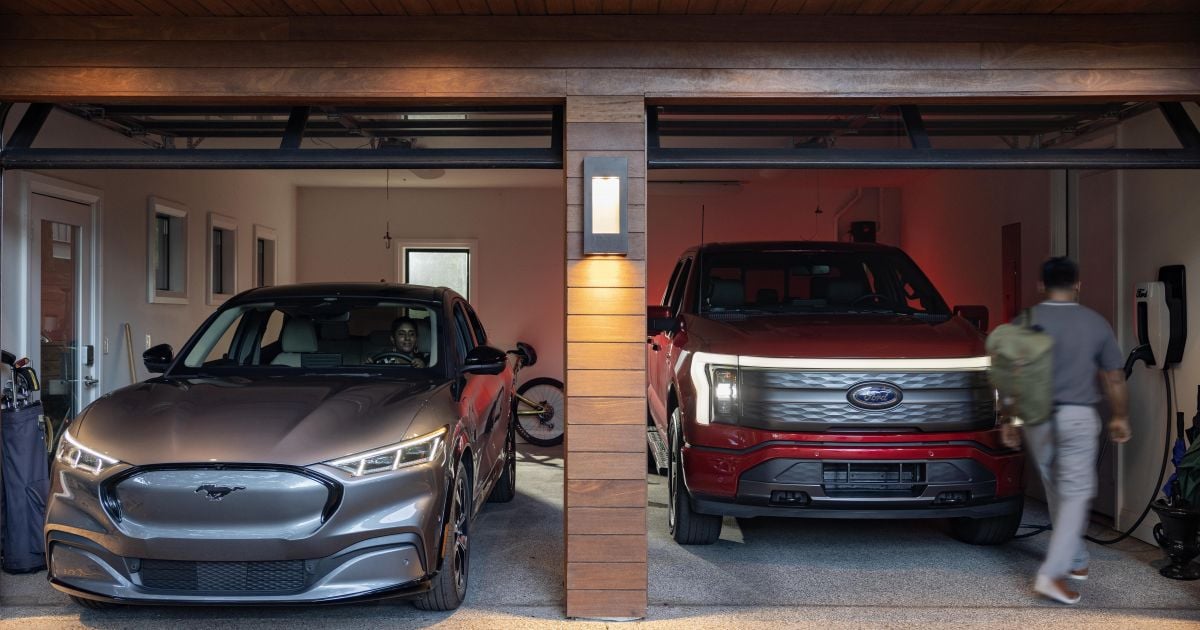
The United States is in the middle of an electric vehicle (EV) wobble. Incentives have been wound back, electric sales are softening and hybrids are doing more of the heavy lifting.
New Australian data shows a similar pattern locally: electrified vehicles are still gaining ground, but almost all the momentum is with hybrids and plug-in hybrids rather than battery-electric cars.
In the US, November figures compiled by Automotive News show six major brands posting a combined 2.7 per cent fall in light-vehicle sales, with EV sales singled out as a key weak spot.
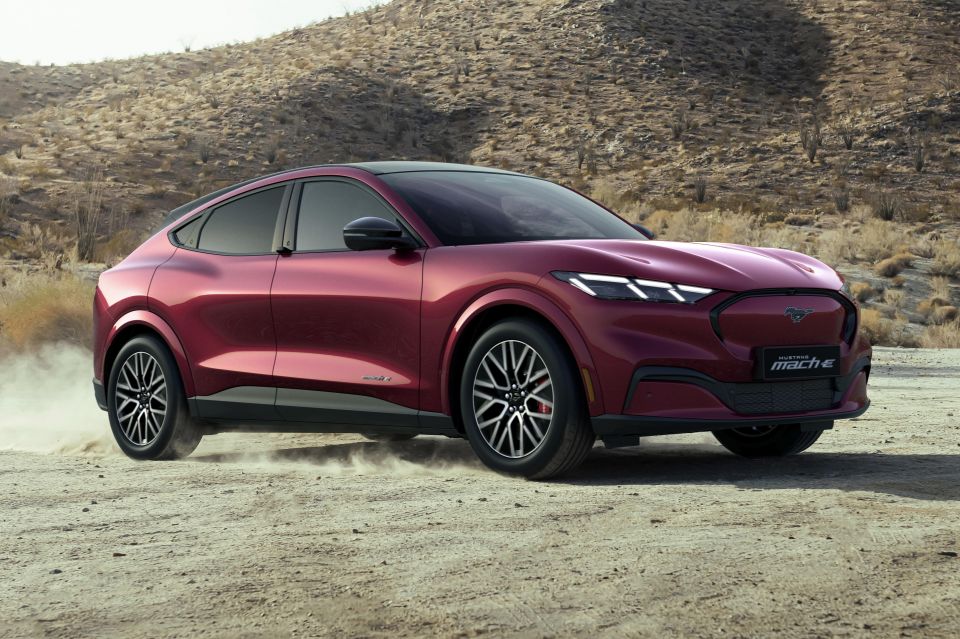
Ford’s electric volume dropped by around 60 per cent in November, with the F-150 Lightning and Mustang Mach-E both sharply lower.
CarExpert can save you thousands on a new car. Click here to get a great deal.
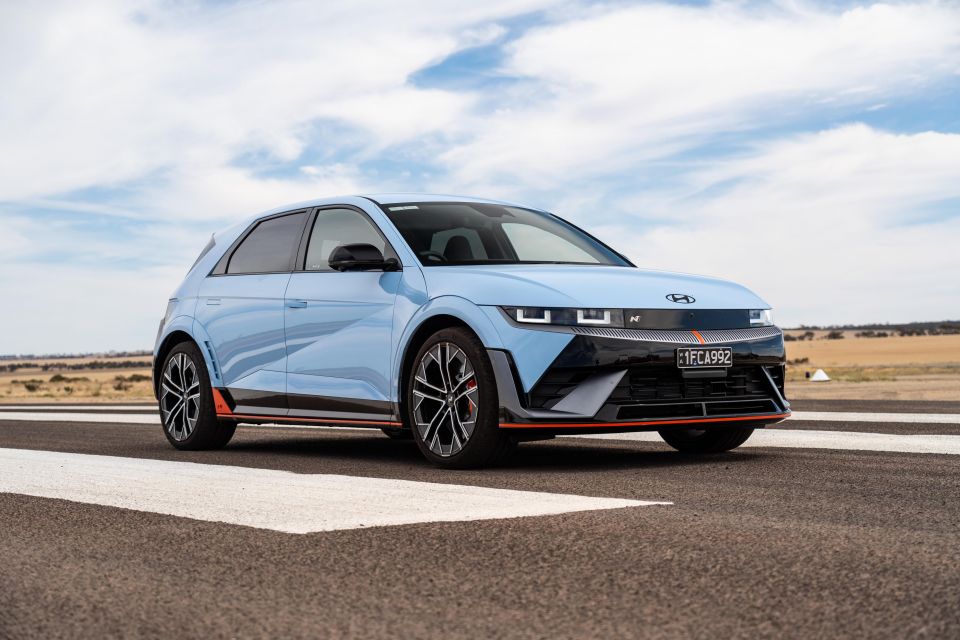
Hyundai and Kia recorded record hybrid deliveries, while demand for the electric Ioniq 5, Ioniq 6, EV6 and EV9 fell significantly. Toyota’s overall sales edged higher, but its electrified mix slipped, with most of the volume still coming from non-plug-in hybrids.
US analysts point to a combination of weaker incentives and affordability. The end of the US$7500 federal tax credit for many new EVs at the end of September pulled demand forward, then left a hole in the fourth quarter.
At the same time, higher interest rates and elevated transaction prices make expensive EVs harder to justify. The consensus is that EV demand hasn’t disappeared, but the pace of growth has slowed and the sales mix is rebalancing towards hybrids.
Australia’s latest VFACTS and EV Council data show a similar rebalancing at work here, although for different policy reasons and from a lower EV base.
From January to November 2025, Australians bought 1,097,992 new passenger cars, SUVs and light commercial vehicles once Tesla and Polestar are added to the VFACTS totals. That’s down 1.4 per cent on the same period in 2024, when the combined tally was 1,113,974.
Within that slightly smaller market, the fuel mix is changing quickly.
Using VFACTS for all brands except Tesla and Polestar, and EV Council numbers for those two brands only, the combined battery-electric total for the first 11 months of 2025 is 92,886 vehicles. That is made up of:
- 64,426 EVs from VFACTS-reporting brands
- 26,271 Teslas
- 2189 Polestars
In the same period in 2024, the equivalent EV total was 106,340 vehicles, comprising:
- 70,051 EVs from VFACTS-reporting brands
- 34,754 Teslas
- 1535 Polestars
So across the whole market, Australian EV volume has fallen by 13,454 vehicles, a drop of 12.7 per cent year on year.
EV market share has also slipped. In the January to November 2024 period, EVs accounted for 9.5 per cent of new light-vehicle sales. In the same period in 2025, that share is 8.5 per cent.
Plug-in hybrids and conventional hybrids tell a very different story.
Over the first 11 months of 2025:
- Plug-in hybrid sales have jumped from 20,631 to 47,565 vehicles, an increase of 130.6 per cent
- Conventional hybrids have grown from 158,241 to 180,378 vehicles, up 14.0 per cent
Once Tesla and Polestar are added to the market totals, that translates to:
- PHEV share rising from 1.9 to 4.3 per cent
- Hybrid share rising from 14.2 to 16.4 per cent
Put together, electrified vehicles (EVs plus PHEVs plus hybrids) now account for 29.2 per cent of all new light-vehicle sales year to date, up from 25.6 per cent in the same period last year.
So electrification is still moving forward in Australia, but almost all of the growth is coming from plug-in hybrids and conventional hybrids. EVs are going backwards, both in volume and in share.
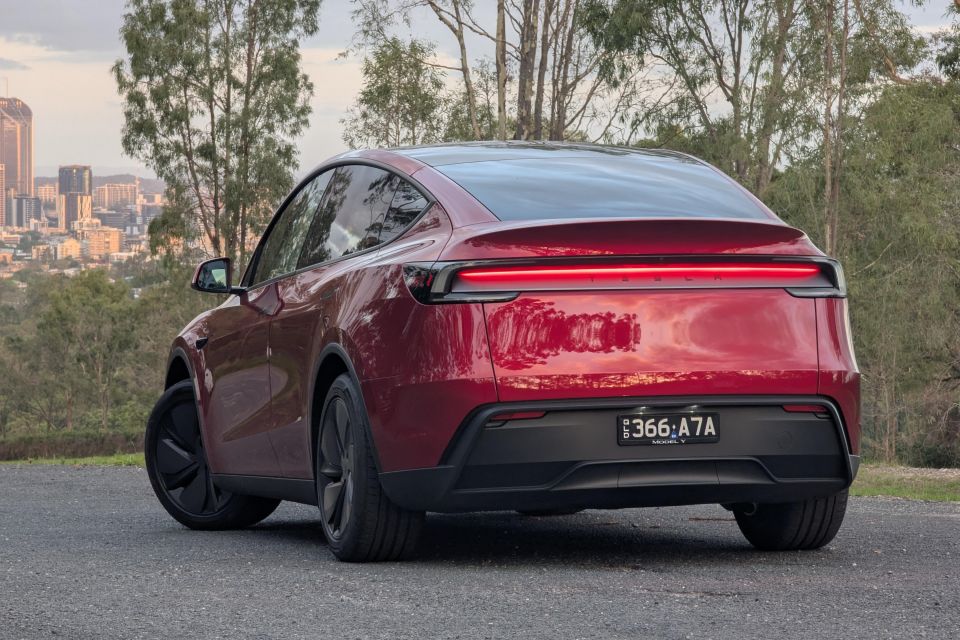
Tesla remains the dominant EV player, but its numbers are also under pressure. EV Council data shows:
- Tesla deliveries fell from 34,754 in Jan–Nov 2024 to 26,271 in Jan–Nov 2025, a drop of 24.4 per cent
- Polestar grew from 1535 to 2189 vehicles, an increase of 42.6 per cent
Together, Tesla and Polestar account for 30.6 per cent of Australia’s EV volume so far in 2025 (28,460 of 92,886 vehicles), down from 34.1 per cent (36,289 of 106,340) in 2024. That reflects both Tesla’s contraction and smaller declines among other EV brands. VFACTS shows EV sales from all other marques falling from 70,051 to 64,426 year on year, an 8.0 per cent drop.
The November snapshot shows how this shift is playing out month by month.
In November 2025, VFACTS recorded 93,228 deliveries of new passenger, SUV and light commercial vehicles for brands that report to the FCAI. Tesla and Polestar add another 2702 and 167 deliveries respectively, taking the true November market total to 96,097 vehicles.
Once those extra EVs are added:
- Battery-electric vehicles account for 9081 sales, or 9.4 per cent of the November market
- Plug-in hybrids contribute 4768 sales (5.0 per cent)
- Conventional hybrids contribute 18,952 sales (19.7 per cent)
That means 34.1 per cent of new vehicles sold in November carried some form of electrification. Petrol and diesel still dominate, but their shares are gradually eroding. Petrol has fallen from 43.7 per cent of sales in 2024 year to date to 40.1 per cent in 2025, and diesel has eased from 30.7 to 30.6 per cent.
When you look at Australia alongside the US, a few clear themes emerge.

The first is that hybrids have become the mainstream low-emission choice in both markets. In the US, Toyota continues to sell large volumes of hybrid models, and brands like Ford, Hyundai and Kia are leaning on hybrids to maintain showroom traffic while their EV ranges ride out a difficult patch.
In Australia, hybrids already account for more than one in six new-vehicle sales year to date and nearly one in five in November. These vehicles slot easily into existing habits: they refuel like petrol cars, work with existing infrastructure and deliver a noticeable fuel saving.
The second is that plug-in hybrids are emerging as a crucial bridge technology. Australian PHEV sales have more than doubled in a year and now make up more than 4 per cent of the market. They allow commuters to do most daily driving on electricity while retaining combustion range for regional or towing use. For buyers who cannot rely on public charging every day, that flexibility is easier to live with than a pure EV.
The third is that policy is pushing the two countries in different directions.
In the United States, the removal of the federal EV tax credit for many vehicles and the introduction of higher tariffs on some imported models have made EVs more expensive relative to petrol and hybrid vehicles. At the same time, the market is already saturated with early adopters, so brands are now fighting for more price-sensitive buyers without the same subsidy support.
Australia, in contrast, introduced the New Vehicle Efficiency Standard (NVES) in 2025, which progressively tightens CO₂ targets for carmakers. That standard doesn’t force brands to sell a particular number of EVs, but it does reward lower-emission vehicles and penalise higher-emission ones.
Hybrids and PHEVs are an attractive way to meet those targets in the short term, especially in high-volume segments like SUVs and utes, without relying entirely on a EV charging network that is still patchy outside major cities – and sometimes within them.
The risk, as the US experience shows, is that if EVs remain expensive and charging remains uneven, the market can settle into a plateau where EV share stagnates or even slips while hybrids do most of the emissions reduction work.
That’s essentially what the Australian data now shows: overall electrified share is up by around four percentage points year on year, but EV share has fallen by about one percentage point.
At the same time, the US is a reminder that policy and pricing decisions can move the needle quickly.
Tesla’s Australian deliveries are down nearly a quarter in a year, and EVs from other brands are down 8 per cent, while PHEVs and hybrids are surging. If NVES targets tighten and brands respond with sharper EV pricing or more compelling EV product in key segments like utes and mid-size SUVs, the EV curve could steepen again.
For now, the message from the data is clear: electrification is still advancing, but not in the way many forecasts expected.
In both the US and Australia, hybrids and plug-in hybrids are where the real growth is, while EVs are in a period of consolidation. Any discussion about Australia’s EV transition that focuses only on EVs is missing where buyers are actually moving.
Table 1: Australian light-vehicle sales by fuel type (January to November, including Tesla and Polestar)
| Fuel type | 2024 YTD volume | 2024 YTD share (per cent) | 2025 YTD volume | 2025 YTD share (per cent) | Change (vehicles) | Change (per cent) |
|---|---|---|---|---|---|---|
| Petrol | 487,003 | 43.7 | 440,765 | 40.1 | −46,238 | −9.5 |
| Diesel | 341,749 | 30.7 | 336,396 | 30.6 | −5,353 | −1.6 |
| Hybrid (non-plug-in) | 158,241 | 14.2 | 180,378 | 16.4 | +22,137 | +14.0 |
| Plug-in hybrid (PHEV) | 20,631 | 1.9 | 47,565 | 4.3 | +26,934 | +130.6 |
| Battery-electric (EV)* | 106,340 | 9.5 | 92,886 | 8.5 | −13,454 | −12.7 |
| Hydrogen | 10 | 0.0 | 2 | 0.0 | −8 | −80.0 |
EV totals include Tesla and Polestar from EV Council data; all other figures are from VFACTS. Totals may not add to 100 per cent due to rounding.
Table 2: Electrified vehicles in Australia (January to November)
| Category | 2024 YTD volume | 2024 YTD share (per cent) | 2025 YTD volume | 2025 YTD share (per cent) | Change (vehicles) | Change (per cent) |
|---|---|---|---|---|---|---|
| Battery-electric (EV)* | 106,340 | 9.5 | 92,886 | 8.5 | −13,454 | −12.7 |
| Plug-in hybrid (PHEV)** | 20,631 | 1.9 | 47,565 | 4.3 | +26,934 | +130.6 |
| Hybrid (non-plug-in)** | 158,241 | 14.2 | 180,378 | 16.4 | +22,137 | +14.0 |
| All electrified (EV+PHEV+HEV) | 285,212 | 25.6 | 320,829 | 29.2 | +35,617 | +12.5 |
*EV totals include Tesla and Polestar from EV Council data.
*PHEV and hybrid figures are from VFACTS. Shares are calculated against total market volume including Tesla and Polestar.
Table 3: Tesla and Polestar Australian sales (EV Council registrations, January to November)
| Brand | 2024 YTD (Jan–Nov) | 2025 YTD (Jan–Nov) | Change (vehicles) | Change (per cent) |
|---|---|---|---|---|
| Tesla | 34,754 | 26,271 | −8,483 | −24.4 |
| Polestar | 1,535 | 2,189 | +654 | +42.6 |
Source: EV Council Vehicle Sales Report November 2025. Figures represent registrations and are used only for Tesla and Polestar; all other brands come from VFACTS.