
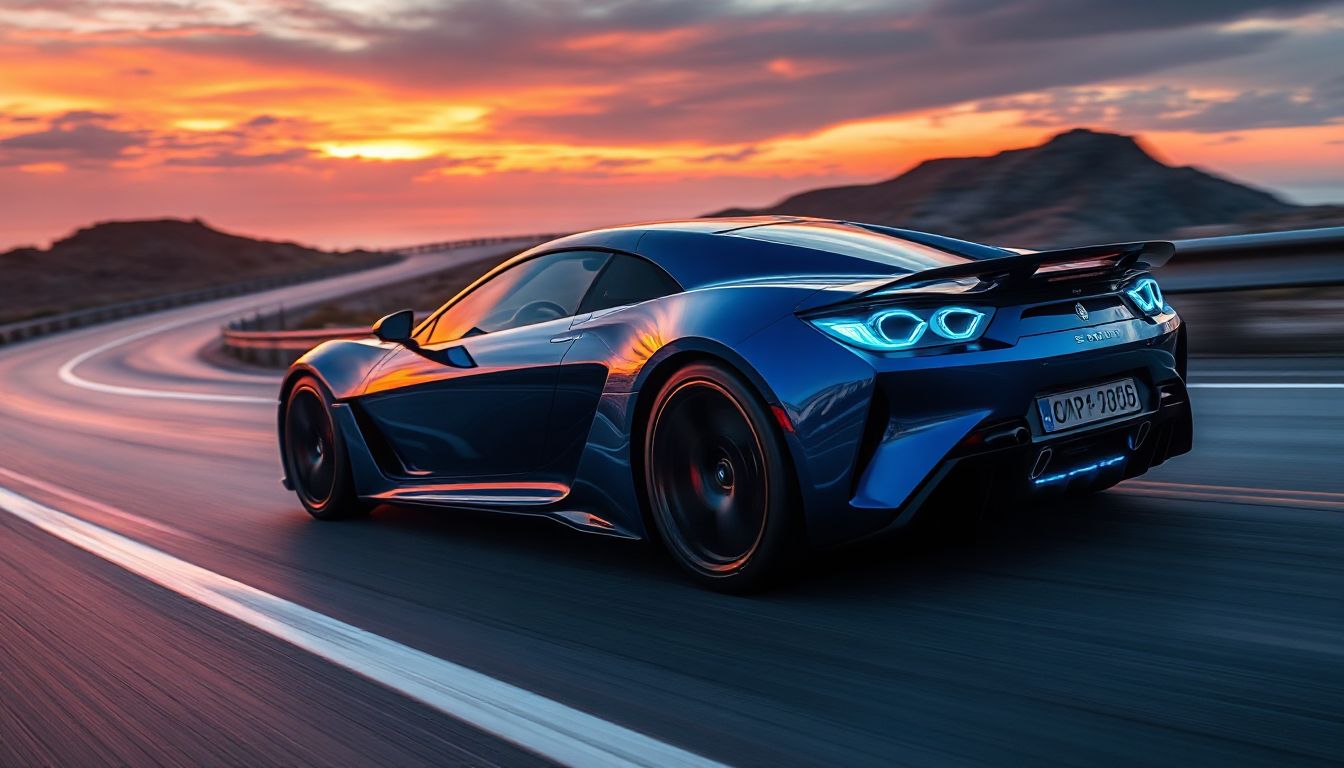
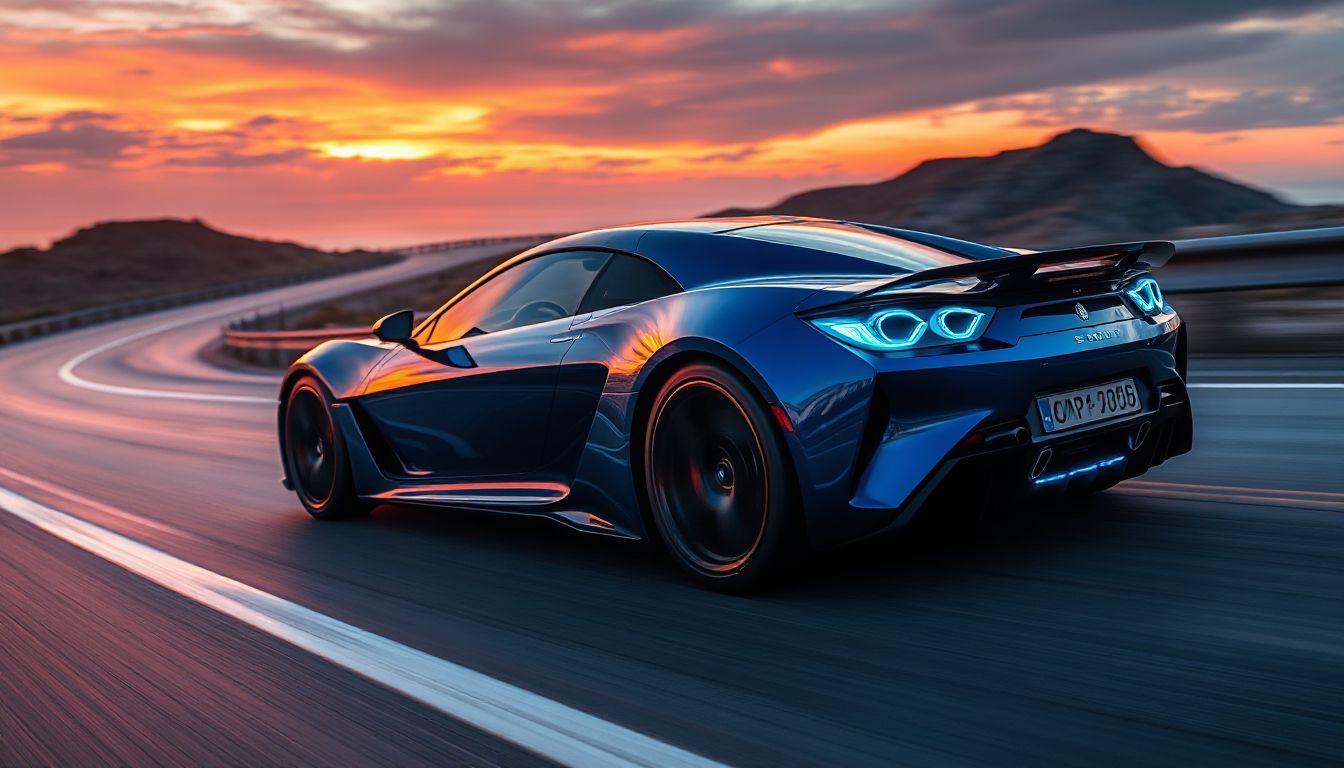
The roar of a sports car engine mixed with silent electric power grabs your attention. Hybrid tech once meant fuel sippers for commutes. Now it powers beasts that hit top speeds while cutting emissions. You feel the instant kick from electric motors paired with gas engines. This blend pushes limits in ways pure gas cars can’t match.
Back in the day, sports cars relied on big engines alone. Today, makers add batteries and motors for extra punch. We see this shift in models that lap tracks faster than ever. Our goal here is to spotlight the best hybrid sports cars out now or coming soon. We’ll break down why they beat old-school rivals and what you get from each.
Why Hybrids Dominate the Modern Performance Landscape
Hybrid systems shine in fast cars because they fix old engine flaws. Electric parts add quick power without extra weight in most cases. You get smooth shifts and better grip from smart power splits.
Gas engines need time to build boost. Batteries deliver full force right away. This setup lets you launch hard from stops.
The Torque Advantage: Instant Electric Acceleration
Electric motors spit out all their twist the second you press the pedal. No waiting for turbos to spin up. Think of it like a rubber band snapping versus slowly winding a toy.
Take a pure gas sports car with 500 horses. It might hit 60 mph in 3.5 seconds. A hybrid twin? Often under 3 seconds thanks to that electric shove. Models like the Ferrari SF90 shave off time on straights and corners alike.
You pull away quicker in traffic or on ramps. This edge shows in drag races and real drives.
Enhanced Efficiency Without Sacrificing Power
Regen brakes grab energy lost in stops. That juice feeds back to the battery for more boosts later. You run harder on tracks without quick fuel stops.
These cars sip less gas on streets. Some hit 20 mpg in mixed driving. Yet power stays high—over 600 hp in many.
Battery smarts keep things cool during hard pushes. You extend playtime at events without fade.
Future-Proofing Performance: Meeting Emissions Standards
Rules get stricter each year on tailpipe output. Hybrids dodge big fines and bans by mixing fuels. They keep the fun while fitting new laws.
Full electric cars come, but they lack range for long hauls. Hybrids bridge that gap. You drive far with gas backup.
Makers invest here to stay ahead. Expect more hybrids as electric grids improve.
The Current Champions: Benchmark Hybrid Supercars
These top dogs set the bar high. Big brands pour cash into tech that wins races and turns heads. You see raw speed wrapped in smart design.
From plug-in setups to full systems, they lead the pack. Let’s look close at key players.
Deep Dive: Porsche 918 Spyder (As a Benchmark)
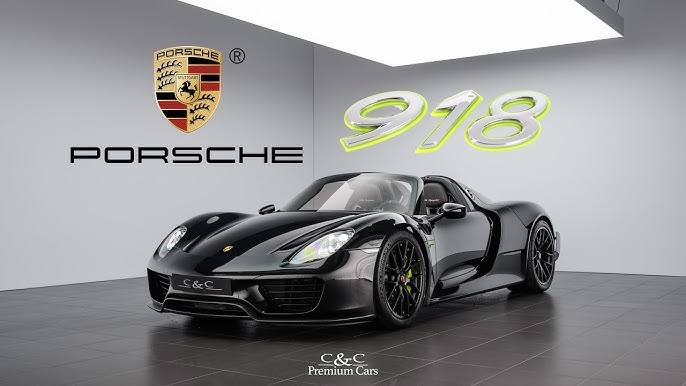
The 918 kicked off this wave years back. Its E-Boost piles electric power on a V8 for 887 hp total. That car lapped the Nurburgring in record time.
Porsche’s setup inspired rivals. Front motors help steer and grip. You feel planted in turns.
Even used, it holds value. Newer Porsches build on this base.
Analyzing the McLaren Artura: Lightweight Electrified Dynamics
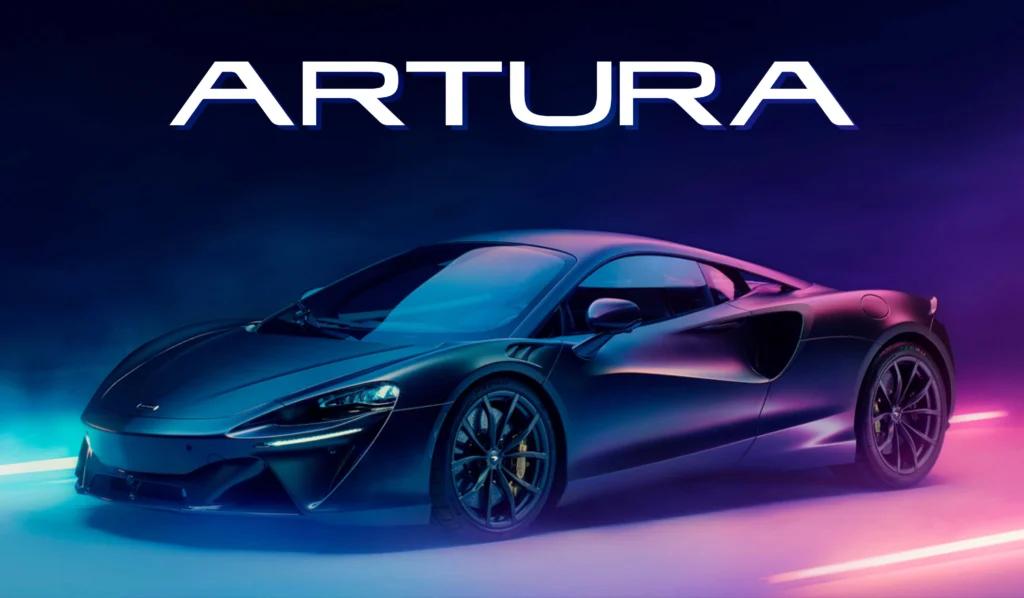
McLaren keeps the Artura under 3,500 pounds. A small battery and rear motor team with a V6 for 671 hp. Torque hits 590 lb-ft from the start.
It goes 0-60 in 3 seconds flat. Electric-only mode covers 12 miles quiet. You switch modes for city or track.
Light weight means sharp handling. Curves hug tight without drama.
The Ferrari SF90 Stradale: The Hybrid Flagship Powerhouse

Ferrari stuffs three motors around a twin-turbo V8. Total output? 986 hp. That’s enough to top 200 mph.
The front motors vector power to wheels for better turns. You carve roads like a pro racer. Electric range? About 15 miles.
This car resets what a V8 can do. Sound stays loud and raw.
Emerging Contenders: Next-Generation Hybrid Sports Machines
Fresh faces shake things up. New tech from tracks hits streets soon. You get F1 tricks in daily drivers.
Watch these for big leaps in speed and smarts.
The Aston Martin Valhalla: F1 Technology for the Road

Aston pulls from its F1 team for the Valhalla. A V8 hybrid setup makes 1,000 hp. Aerodynamics create massive downforce—over 1,100 pounds at speed.
It aims for sub-2.5 second 0-60 runs. Battery aids in silent sprints. You feel like you’re in a race car.
Limited run means grab one fast if you can.
BMW M Hybrid V8 / Upcoming Road Car Tech
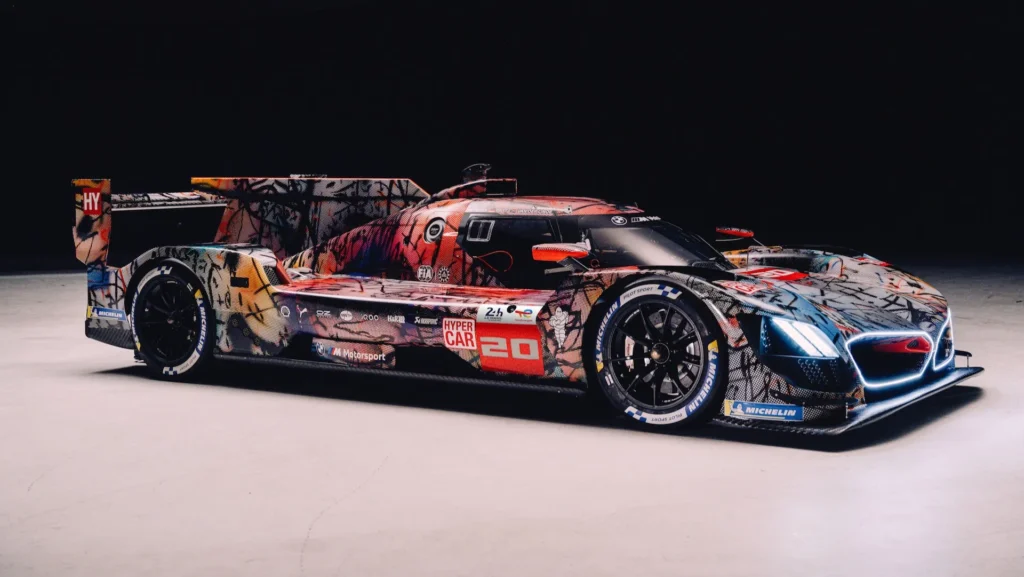
BMW’s race hybrid trickles to roads. The M Hybrid V8 packs a V8 with electric help for balanced power. Weight sits even front to back.
Think models like the XM SUV, but coupes follow. Over 700 hp with all-wheel drive. You grip wet roads easy.
Future M cars promise more of this split. Handling stays pure BMW.
Acura/Honda NSX (Legacy and Evolution)

The NSX started hybrid supercars with its SH-AWD. Three motors plus a V6 twin-turbo hit 573 hp. Power shifts to each wheel as needed.
You turn sharper without slides. Legacy? It beat rivals in all-weather tests. New versions build on this.
Electric torque fills gaps in the gas engine. Daily drives feel planted.
Practical Performance: High-Value Hybrid Sports Coupes
Not all hybrids cost seven figures. Some bring thrills to everyday budgets. You drive fast without breaking the bank.
Focus here on cars you can use often.
Toyota GR Supra Performance Strategy (Future Hybrid Variants)

Toyota eyes hybrids for the Supra line. Current inline-six might pair with batteries soon. Aim? Better response without much added weight.
Speculation says 400 hp hybrids by 2025. You get turbo fill from electrics. Tracks and streets both win.
Enthusiasts watch for official word.
Porsche Panamera Turbo S E-Hybrid (The Performance Sedan Crossover)
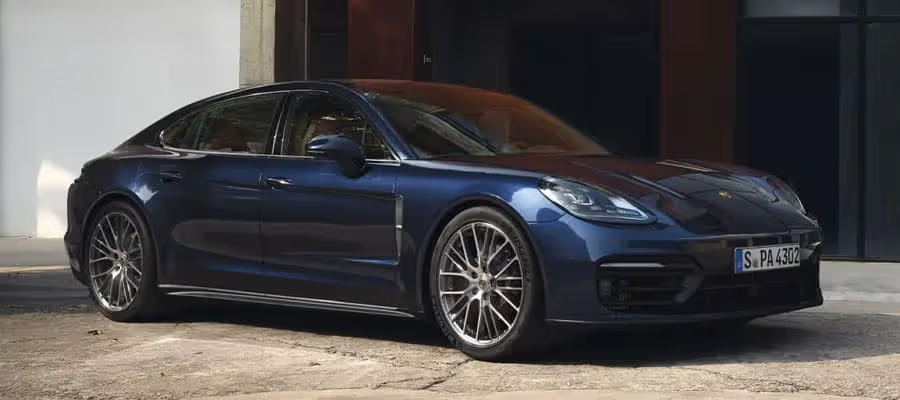
This big sedan hides 771 hp under hood. V8 plus electric motor launches it to 60 in 2.9 seconds. Plug-in battery adds 20 miles electric.
Handling defies its size—active suspension keeps it flat. You haul family yet blast highways. Price around $200K feels fair.
Hybrid boosts make it a sleeper hit.
Actionable Tip: Assessing Hybrid Systems for Track Use
Check battery cooling before buying. Hot days drain power fast without it. Look for tunable regen to suit your style.
Test drive on twisty roads. See if electric kick matches your needs. These steps ensure fun lasts.
Navigating the Hybrid Choice: Buying Considerations
Picking a hybrid sports car means weighing tech perks against upkeep. You want speed that lasts. Let’s cover key points.
Costs add up, but value holds.
Understanding Maintenance and Battery Lifespan
High-voltage parts need special shops. Batteries last 10 years or 100,000 miles easy. Warranties cover most fixes.
Oil changes stay simple, but software updates matter. Plan for $1,000 yearly beyond basics. Long-term, it pays off in efficiency.
Stick to dealer service for peace.
Evaluating Real-World Electric Range vs. Advertised Figures
Ads promise 15 miles electric. Aggressive driving cuts it to 8. You learn quick in stop-go traffic.
Full charge takes hours on wall plugs. Gas mode saves the day for trips. Match your habits to claims.
The Driving Experience: Sound and Feel
Makers amp up engine noise through speakers. Electric silence boosts contrast the roar. You stay connected to the drive.
Feel the surge—smooth yet brutal. No jerks like old hybrids. It’s raw fun with modern ease.
Conclusion: The Electric Surge is Here to Stay
Hybrid sports cars amp up what you love about speed. They mix quick electric hits with engine heart. No more trade-offs; you gain torque and smarts.
From McLaren’s light touch to Ferrari’s power flood, these rides lead. Emerging ones like Valhalla push further. Embrace this shift for the best drives ahead.
Research these models now. Test one soon. Your next thrill waits in hybrid form.
[…] Example: Subaru WRX owners link boost gauges direct. […]