
The modern SUV market has changed dramatically over the past decade. What used to be a space dominated by boxy, purely functional vehicles has evolved into one of the most design-focused segments in the motoring world. Today, even the most affordable crossovers are expected to look sharp, feel modern, and deliver a sense of style that goes beyond basic transportation. That shift has blurred the lines between mainstream and luxury vehicles. Features and design elements that were once exclusive to premium brands—sleek LED lighting, sculpted bodywork, minimalist interiors—are now common across a wide range of price points.
Buyers no longer judge SUVs on practicality alone—they expect a premium look and feel without the high price. With true luxury SUVs becoming increasingly expensive, a gap has opened for models that deliver upscale appeal at a more accessible cost. Some brands add features, others focus on design, but the best manage to do both seamlessly. These are the SUVs that stand out instantly—and one small crossover has quietly become a perfect example of just how far the segment has come.
Buyers Want Premium Style Without Paying Luxury Prices
The Growing Demand For Upscale Affordable SUVs

This change in design trends is closely tied to what buyers actually want. Many customers are not necessarily chasing luxury badges. Instead, they are looking for vehicles that feel premium in the ways that matter most: appearance, interior quality, and overall refinement. This is especially true in the subcompact and compact SUV categories.

These vehicles often serve as daily drivers, commuter cars, or first purchases, but that does not mean buyers are willing to compromise on how they look and feel. In many cases, these SUVs are expected to do everything—be practical, efficient, and visually appealing at the same time. Some brands have managed to strike that balance better than others. And one of the most consistent performers in this space has been Mazda.

The Small Mazda SUV Most Buyers Don’t Consider
This proper subcompact SUV gets a little dash of Mazda’s sporty DNA with city-friendly proportions and a price tag that is a bit friendlier price tag.
The 2026 Mazda CX-30 Looks Far More Expensive Than It Is
A Subcompact SUV With Luxury-Level Design

The 2026 Mazda CX-30 is a clear example of how far mainstream SUVs have evolved. On paper, it sits in the subcompact crossover segment, competing with models like the Honda HR-V, Toyota Corolla Cross, Hyundai Kona, and Kia Seltos. But in practice, it often feels like it belongs in a different category altogether. The first thing that stands out is the design. Mazda’s “Kodo” design language gives the CX-30 a clean, flowing shape that feels far more refined than most vehicles in its class. The bodywork is smooth and sculpted rather than overly busy, and the proportions give the SUV a slightly more premium edge.

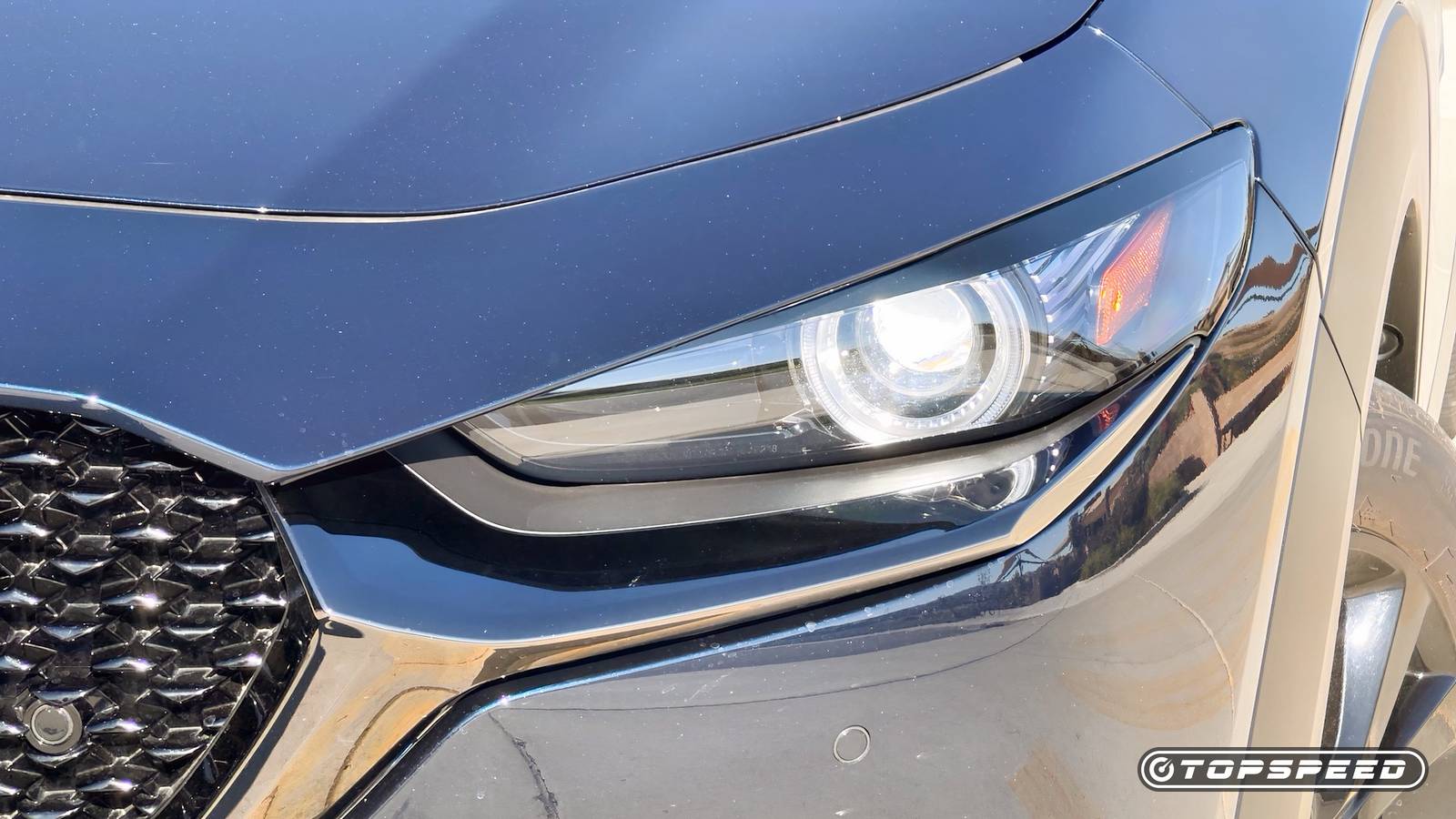
From the front, the CX-30 carries a wide grille and slim LED headlights that create a sharp, modern look. The side profile is simple yet elegant, with subtle curves that catch the light, adding depth to the design. At the rear, the signature lighting and overall shape reinforce the car’s upscale character. It does not try too hard to look aggressive or overly sporty. Instead, it leans into a more mature and refined appearance, which is exactly what helps it stand out. In a segment filled with busy designs and exaggerated styling, the CX-30 feels more controlled and confident.

All Mazda SUV Models By Size And Price
Join us to find out a little more about every one of Mazda’s SUV models.
What Makes The CX-30 Feel So Upscale
Design Details That Elevate Its Appearance

The premium feel of the CX-30 is not just about its exterior. Step inside, and the attention to detail becomes even more obvious. Mazda has built a reputation for interiors that punch above its price point, and the CX-30 is one of the best examples of that approach.

The cabin layout is clean and driver-focused, avoiding unnecessary clutter. Controls are logically placed, and the overall look is more aligned with entry-level luxury vehicles than typical subcompact SUVs. Here, materials are crucial. There is an air of sophistication inside, thanks to the soft-touch materials, nicely finished accents, and subtle textures.

Enhanced amenities, such as a premium Bose sound system, contrast stitching, and leather upholstery, are available on higher trim levels. Rather than being overpowering, the incorporation of technology gives the impression of deliberateness. A rotary dial, rather than touch inputs only, controls the infotainment system, making it easier to use while driving. You get Apple CarPlay and Android Auto built in as well.
Space Is Practical Without Being Class-Leading
The front seats are comfortable and supportive, while the rear seats provide enough room for everyday use. Cargo space is competitive for the segment, making the CX-30 usable for errands, commuting, and weekend trips. All of these elements combine to create an interior that feels more expensive than it should. It is not just about features; it is about how everything comes together as a cohesive experience.

The Quirky Toyota SUV You Forgot About, But Shouldn’t Have
Amid a sea of lookalike small SUVs, the Toyota C-HR stood out with its bold, coupe-like shape. But was that a strength or a drawback?
What’s Under The Hood
Efficient Power With Everyday Usability

The Mazda CX-30 offers two engine options, both designed to balance performance and efficiency. The standard engine is a 2.5-liter naturally aspirated four-cylinder producing around 186 horsepower and 186 pound-feet of torque. This motor is paired with a six-speed automatic transmission and comes with standard all-wheel drive, which is a notable advantage in this segment. For buyers looking for more performance, Mazda also offers a turbocharged version of the same 2.5-liter engine. This setup produces up to 250 horsepower and 320 pound-feet of torque when using premium fuel. That is a significant increase, giving the CX-30 a level of performance that few rivals can match.
The Driving Experience Reflects Mazda’s Focus On Balance

The CX-30 feels composed and stable, with steering that is more responsive than many competitors. It is not a performance SUV, but it is engaging enough to make daily driving more enjoyable. Fuel economy remains reasonable, with the standard engine offering an EPA-estimated 24 mpg in the city and 31 mpg on the highway, depending on configuration. The turbo model sacrifices some efficiency for performance but remains practical for everyday use.
Why The CX-30 Is Still An Affordable SUV
Competitive Pricing And Everyday Practicality

Even though it has a stylish exterior and plenty of useful features, the CX-30 is still classified as an economical SUV. Prices start in the mid-$20,000s and can reach the mid-$30,000s for more advanced features and turbochargers. That puts it on par with its rivals, even though it often seems fancier than many of them. But few competitors match the CX-30’s combination of design, interior quality, and driving feel.

The CX-30 also benefits from its everyday usability. It is compact enough to be easy to drive in urban environments, while still offering enough space for daily needs. Standard all-wheel drive adds an extra layer of confidence in different weather conditions, making it a versatile choice for a wide range of buyers.

The SUV That Delivers Mercedes-Level Luxury Without The Price Tag
This Japanese SUV is an underrated premium deal.
A Budget SUV That Feels Like A Premium One
Why The CX-30 Stands Out In Its Segment

The Mazda CX-30 succeeds because it understands what modern buyers want. It delivers the look and feel of a more expensive vehicle without stepping outside the price range of a typical compact crossover. It is not trying to compete directly with luxury brands, but it comes closer than many of its rivals. The design is cleaner, the interior is more refined, and the overall experience feels more considered. That is what makes it stand out. In a segment where many vehicles focus purely on practicality, the CX-30 adds a sense of style and quality that is hard to ignore. It proves that you do not need to spend luxury money to get a vehicle that looks and feels premium. And in today’s market, that might be one of the most valuable qualities an SUV can offer.