
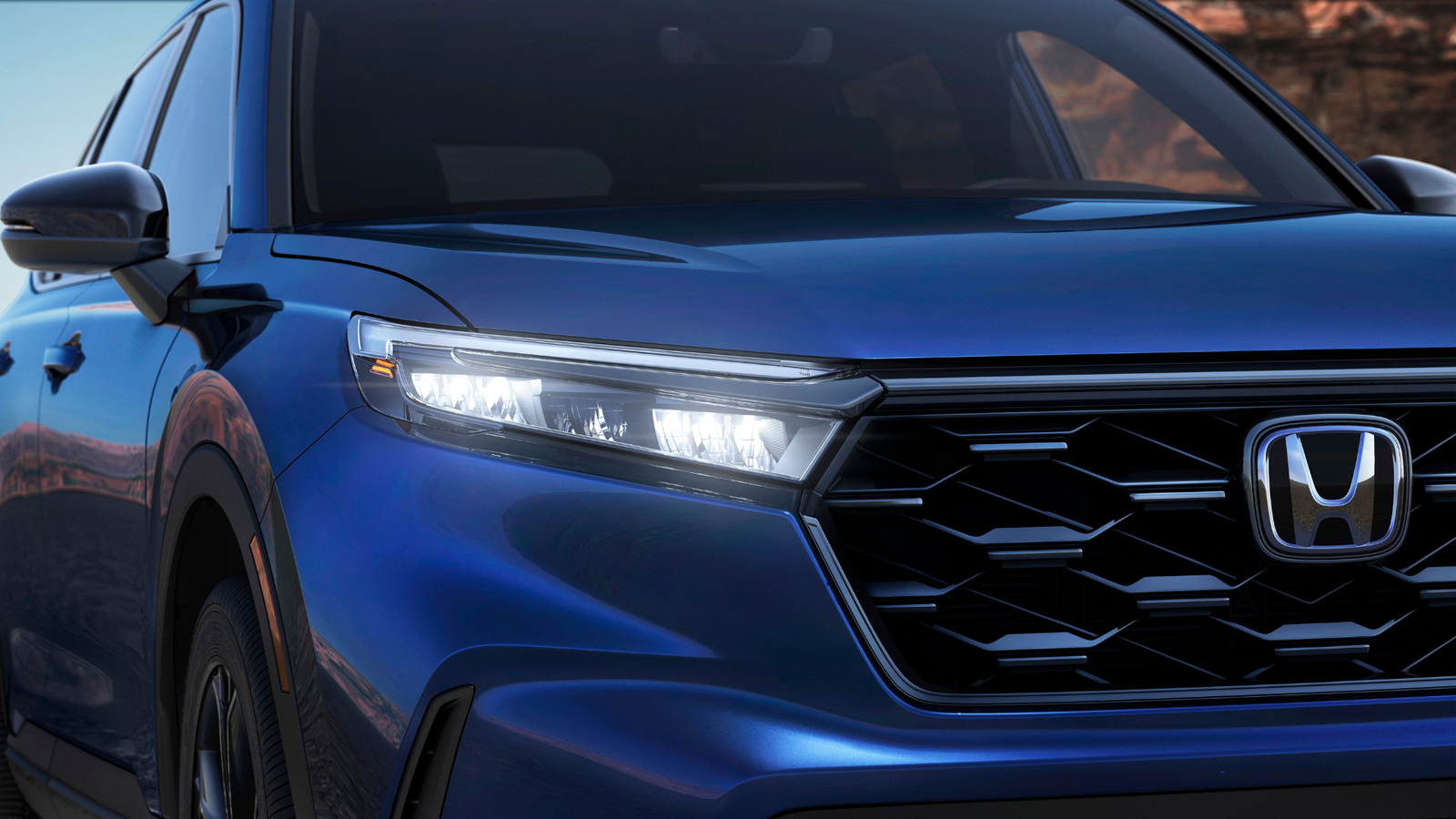
In an era where economic uncertainty and environmental consciousness shape the automotive marketplace, the modern SUV buyer faces conflicting priorities: how do you secure a vehicle that blends efficient performance with proven long-term durability, and do so without breaking the bank? Gone are the days when reliability meant compromise or efficiency demanded high-end luxury. Today’s affordable SUVs are evolving faster than ever, answering the demands of cost-aware drivers who still expect refinement, utility, and driving confidence. Among this new generation of vehicles, one stands out above the rest.
In recent decades, compact SUVs have represented a sweet spot in the automotive spectrum, a fusion of everyday usability, respectable fuel economy, and sensible ownership costs. But rising fuel prices, longer commute patterns, and an intensifying focus on ownership value have escalated expectations. Buyers no longer just want an SUV that gets them from A to B; they want one that does so with impressive efficiency and a track record for reliability that promises peace of mind. The 2026 Honda CR-V has emerged as the quintessential choice, seamlessly marrying the practical priorities of today’s drivers with Honda’s legendary reputation for reliability and sensible engineering.
Why Today’s Compact SUV Buyers Refuse To Compromise

The landscape of automotive priorities has shifted dramatically over the past decade. Once, the compact SUV was merely a step up from a sedan, a nod to utility and space without the heft of a full-size model. Buyers accepted mediocre fuel economy and fickle reliability in exchange for cargo room and elevated seating positions. Today, that mindset has fundamentally changed. Compact SUV buyers are a discerning bunch. They demand electrified efficiency, robust reliability, low ownership costs, and real-world performance that can adapt to busy lifestyles.

The reasons for this evolution are layered. Urban sprawl has driven up average commute distances, forcing more drivers to question the long-term affordability of their daily ride. Meanwhile, fluctuating fuel prices have turned fuel economy from a “nice-to-have” into a feature that often dominates purchase decisions. Add a growing awareness of environmental impacts and the advent of hybrid technology at accessible price points, and the result is a buyer demographic that refuses to compromise.
Buyers Now Want More Boxes Ticked

This group wants it all: room for family and gear, low cost of operation, and the confidence that comes from a vehicle with a proven track record. The old notion that efficiency or reliability must come at the expense of utility or driving pleasure has faded.

Instead, today’s compact SUV buyers seek a holistic package, one that delivers measurable benefits across the board. In this new context, any contender for the top spot in the compact SUV segment must excel in a variety of metrics, including fuel economy, ownership cost, build quality, and everyday usability. This is precisely where the 2026 Honda CR-V steps in, responding to these heightened expectations with remarkable balance.

This Japanese Hybrid SUV Costs The Least To Own Over Five Years
This is the only Japanese hybrid SUV that costs less than $40,000 to own over five years.
Fuel Prices, Long Commutes, And The Growing Demand For Proven Dependability

In recent years, the global energy market has undergone seismic shifts. Mild fluctuations in crude oil prices can now lead to significant changes at the pump, affecting household budgets and consumer confidence. For drivers logging long daily commutes, the cost of fuel is more than an annoyance; it’s a calculable expense that directly impacts financial planning. The logic is simple: more miles driven equals more fuel consumed, and therefore more money spent. This reality has made fuel efficiency a front-of-mind consideration for SUV shoppers, particularly those balancing busy work routines with family and personal commitments.

Hybrid powertrains, once considered an expensive niche, have entered the mainstream compact SUV conversation with relative affordability. No longer reserved for high-end models, hybrid variants now deliver compelling efficiency gains with minimal compromise on performance or convenience. As fuel prices trend higher and the gap between traditional and hybrid fuel economy widens, practical hybrid SUVs have emerged as sensible tools for returning real savings over time.
Reliability Is Still Near The Top Of Buyers Requirements

At the same time, dependability has shifted from a desirable trait to a near-requirement. With more drivers investing in vehicles for long-term ownership, often beyond the typical three-to-five year cycle, buying a compact SUV is no longer about the first few years of use; it’s about the decade ahead. Cars that falter with costly repairs or unpredictable maintenance schedules are quickly relegated to the bottom of consideration lists. Instead, buyers increasingly gravitate toward brands and models backed by solid reliability ratings, generous warranties, and real-world evidence of durability.

Honda has long stood near the top of reliability rankings, and this perception has a tangible effect on resale values, ownership satisfaction, and total cost of ownership. In a market that prizes both fuel savings and low upkeep costs, the combination of hybrid efficiency and Honda’s trusted engineering ethos resonates strongly with practical SUV buyers. The demand for vehicles that can quietly handle hundreds of thousands of miles without drama has never been higher, and the 2026 Honda CR-V meets this demand head-on.

Why This Used Hybrid SUV Is More Reliable Than New Crossovers
This used hybrid SUV offers incredible reliability and goes toe-to-toe with hybrid SUVs from 2025 in terms of costs and dependability.
The 2026 Honda CR-V: Where Efficiency And Long-Term Reliability Intersect

Since its introduction, the Honda CR-V has occupied a unique niche in the compact SUV segment: it offers a harmonious blend of functionality, refined design, and thoughtful engineering. The 2026 model year continues this tradition while pushing the envelope further with improved efficiency and technology tailored to today’s value-centric consumer.

At the heart of this evolution is the CR-V’s advanced powertrain lineup. Honda’s hybrid system, a two-motor configuration paired with a responsive engine, enhances efficiency without sacrificing smooth acceleration or responsiveness. Unlike some hybrid systems that feel “disconnected” from the driver’s inputs, Honda’s approach delivers a naturally engaging experience, quiet in urban traffic and composed on the highway.
The 2026 Honda CR-V TrailSport easily accelerated to highway speeds with a minimum of noise. The transmission is smooth and does its job nicely, unnoticed in the background.
– Nicole Wakelin, TopSpeed Journalist
An Accommodating Cabin That Doesn’t Skimp On Convenience

The interiors reflect a focus on user-centric design, with high-quality materials, intuitive controls, and ample cargo space that easily accommodates family gear or weekend hauls. Ergonomics have been refined to ensure that daily driving remains comfortable even on long commutes. Rear-seat passengers benefit from generous legroom, and clever storage solutions throughout the cabin eliminate clutter.

Safety has also progressed significantly. The 2026 CR-V comes standard with an updated suite of driver-assist features, including collision mitigation, adaptive cruise control, and lane-keeping support. These technologies not only enhance safety but also contribute to reduced stress during long stretches on the highway. For practical buyers who prioritize peace of mind, this level of standard safety equipment is a major selling point.

From a reliability standpoint, Honda’s reputation is fortified by decades of consistent performance in both consumer reviews and automotive reliability studies. Honda vehicles are known for holding up well beyond the typical ownership cycle, and the CR-V is no exception. Service intervals are predictable, parts are widely available, and the brand’s conservative engineering philosophy minimizes complexity where possible, an advantage in the long game of ownership.
Hybrid MPG Figures, Real-World Ownership Costs, And Honda’s Track Record

Fuel economy is often the focal point of any efficiency conversation, and the 2026 Honda CR-V Hybrid delivers compelling numbers that justify its premium over standard gasoline-powered competitors. While exact EPA figures can vary slightly depending on trim and driving conditions, the hybrid variant offers combined fuel economy ratings that comfortably outperform many traditional compact SUVs. The EPA rates the 2026 CR-V Hybrid at 43 mpg city, 36 mpg highway, and 40 mpg combined for front-wheel-drive models.

But efficiency isn’t measured by miles per gallon alone. Real-world ownership costs encompass fuel, maintenance, insurance, and resale value. On all fronts, the CR-V demonstrates strengths that appeal to both rational and emotional buyers. The hybrid’s regenerative braking system reduces wear on traditional brake components, which translates to lower maintenance costs over time. And because hybrid systems are now a well-established technology, concerns over long-term reliability have diminished significantly.
Low Ownership Costs Across The Board

Insurance costs for the CR-V are also typically competitive, as its strong safety ratings and modest engine size help keep premiums in check. Meanwhile, resale values for Honda SUVs have historically remained robust, buoyed by strong demand in the used market and a reputation for lasting durability. This combination of efficiency and value retention has a tangible impact on total cost of ownership, making the CR-V a sensible financial choice as well as a practical one.
Why The CR-V Continues To Dominate The Affordable SUV Conversation

In a crowded market where every automaker boasts about capability, tech packages, or electric options, the 2026 Honda CR-V remains a standout because it answers fundamental questions that matter to most drivers. From its efficient hybrid powertrain and well-thought-out interior to its strong safety suite and proven reliability, the CR-V offers a complete package that resonates with buyers who approach their SUV purchase with both head and heart.

What truly sets the CR-V apart is its ability to perform admirably across multiple fronts without significant compromise. You don’t have to choose between fuel savings and reliability, between modern tech and everyday usability, or between upfront cost and long-term value. The CR-V strikes a rare balance that appeals to families, commuters, adventure seekers, and budget-minded drivers alike.
The CR-V Has Evolved With The Market

As the compact SUV segment continues to evolve, buyers are increasingly placing a premium on vehicles that not only meet immediate needs but also deliver value over years of ownership. The 2026 Honda CR-V embodies this philosophy. In a world where compromise was once the rule, the CR-V proves that savvy SUV buyers no longer have to settle; they can choose a vehicle that truly blends efficiency with reliability, and do so without sacrificing the everyday practicality they depend on.