
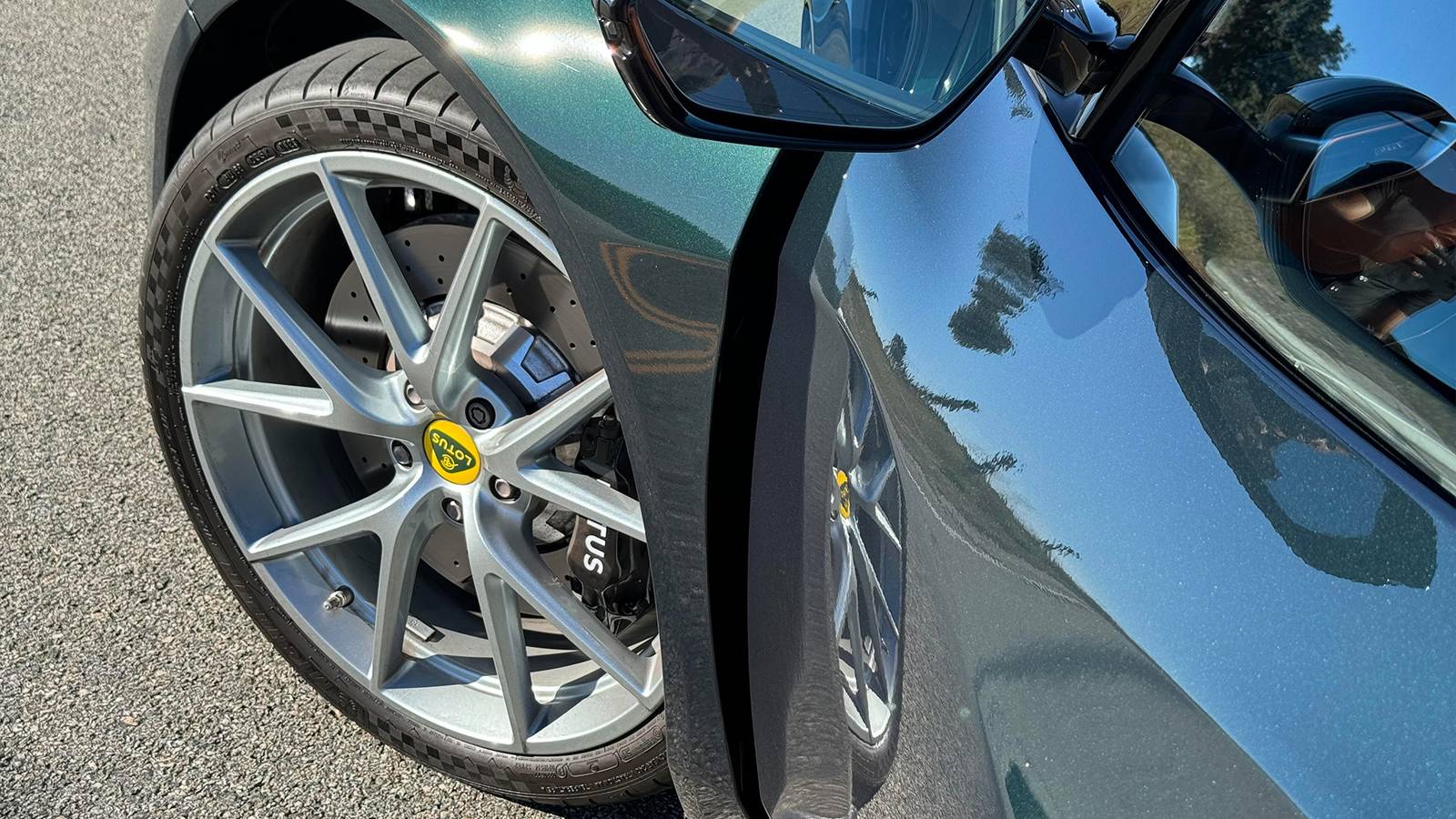
The V6 is beloved in so many different types of cars. From pickup trucks, which require torque and low-RPM grunt, to smooth and refined luxury sedans, to sports cars that require maximum performance, the V6 has covered all bases of the automotive spectrum. One of the finest examples of a six-cylinder engine is the famous Toyota 2GR powertrain. It provided an all-encompassing bedrock that straddled all genres of vehicles, being especially noteworthy in bulletproof Toyota Camrys and in plenty of Lexus models over the years.
What most people don’t know is that this V6 went on to find new life with another manufacturer, who has relied upon it for way over a decade. Whilst Japanese manufacturers have slowly but surely moved onto engines which are more emissions-friendly, often turbocharged inline-fours, there is an exotic sports car brand that doesn’t want to let this engine die. We will discover what cars are keeping the legendary 2GR V6 alive and kicking in 2026, giving it the swan song it deserves.
From Durable Trucks To The Exotic Sports Car Brand

The 2009 Lotus Evora kick-started its life with the perhaps unusual move into six-cylinders, but given that it was a slightly larger, heavier car with a little more focus on creature comforts, the extra power Lotus was hungry for made perfect sense. Ever since, they have relied on this engine to power later versions of the Exige and the new Lotus Emira, which is as cutting-edge and as quick as the brand has ever been.

Coming up to the run of the late 2000s, Lotus was dominating a niche in the market: the lightweight British sports car. They had found acclaim with the Elise and Exige models in the years prior — cars that handled like they had glue holding them to the road — and were impeccably nimble due to the weight that could be measured in ounces rather than pounds. Most of their vehicles up to this point had been 2,000-pound rocket ships, and whilst not having much power, they were so light and agile that it didn’t matter.
Why The Toyota V6 In A Lightweight Exotic?

Whilst it seemed like a curious decision at first, there are actually several reasons that make sense in the usage of the 2GR Toyota engine. Lotus is a tiny brand, unlike Toyota, and developing a bespoke engine specifically for their upcoming models would have been time-consuming and costly, and being so niche, it just didn’t make financial sense. Instead, if they could just research a pre-existing, mass-produced powertrain that would serve the needs of the Lotus Evora without detracting from it.

Reliability was a serious reason for picking a Toyota engine. Having a proven track record of long-term performance gave Lotus a sense of confidence that there wouldn’t be many issues that a bespoke engine could be plagued with. And with that durability, another conclusion was drawn. With its acclaimed strength, the 2GR block was likely to tolerate the stress of forced induction and could be tuned in several meaningful ways to suit Lotus’s needs. This turned out to be true, with superchargers being added to most versions of the Evora. The performance was impressive, and reliability was still intact.

This British sports coupe outruns a Mustang GT and is the world’s fastest four-cylinder-equipped sports car. More people should be talking about it.
The Original Lotus Evora, In Supercharged V6 Glory

The 3.5-liter V6 proved its worth — the Evora had an impressive set of numbers, but more importantly, an engine that seemed to truly suit the goals of the car. With strong mid-range torque, the supercharged V6 gives impeccable throttle response and a broad range of usable torque, which feels insanely muscular for a relatively light car. Not only that, but the powerful linear delivery improved the ease of maintaining stability out of corners, which made the Evora feel both exhilarating and predictable — an exciting prospect for maximum enjoyment whilst being able to use a car’s performance.
2009 Lotus Evora (V6 Supercharged) Specs
|
Horsepower |
345 |
|
Torque |
295 Ib-ft |
|
Transmission |
6-speed manual |
|
Weight |
3,168 pounds |
|
Top Speed |
172 mph |
|
0 – 60 mph |
4.6 seconds |
Not only did the Evora host some notable specs for 2009, but the supercharged V6 also gave the Lotus a richer sound — a characterful supercharged whine, with six rumbling cylinders at the helm. Something which the Elise’s and Exige’s mill never had the pleasure of up until this point. There were also non-supercharged variants which had a more modest 276 horsepower and a 0 – 60 mph time of 4.9 seconds.
The Exige Got The V6 Treatment Next

This was an exciting time for the company, because whilst the abrasive four-cylinder engine was a raw and passionate combination with the mega-lightweight Lotus Exige, things were changing. Lotus had already achieved what they had set out to do with their ultra-lightweight cars, and they had perfected the recipe. With changing regulations and fully-explored light-weight saving measures, Lotus had nowhere to go with a low-power 2,200-pound featherweight anymore. It was perfect, but it was time for a change. It was time to combine the legendary V6 with the lightweight rocketship.
Lotus Exige 350 Specs
|
Horsepower |
345 |
|
Torque |
295 Ib-ft |
|
Transmission |
6-speed manual |
|
Weight |
2,480 pounds |
|
Top Speed |
170 mph |
|
0 – 60 mph |
3.7 seconds |
The V6 skyrocketed the Exige into new stratospheres, ones that weren’t deemed feasible in the decade prior. It was the same engineering silhouette — a mid-engined, hydraulically-steered manual lightweight track weapon. No, it wasn’t quite as lightweight as before, but 2,480 pounds is light to a skeletal degree from a 2026 perspective. The power, though. 345 supercharged V6 horses raging through the rear wheels felt brutally confident and could embarrass supercars on track days. Comparing the wonderful four-cylinder predecessor to this felt like comparing a go-kart to a genuine race car. The original Exige format had been perfected, but the new one had taken it to a galaxy far beyond.

The Present And Future Of Lotus And The V6

Since the Exige, Lotus has been practically obsessed with the 3.5-liter V6. Whilst a risk at first, it had been a successful platform in creating the Evora, a more GT-focused lightweight sports car, and the Exige 350, the maximalist approach to what a featherweight could achieve. Lotus took it to another level with the astonishing Lotus 3-Eleven, which pushed the boundaries that the Exige 350 had already expanded, even further.
Lotus 3-Eleven Spec Boosts On Exige 350
- 2,028 pounds (400 pounds lighter)
- 3.1 seconds to 60 mph (0.6 quicker)
- 180 mph top speed (10 mph higher)
- 430 horsepower (85 horsepower more)
This was an insanely performance-oriented car based on the Exige 350, which would go on to become the fastest accelerating and best handling variant of any car that would ever use the 2GR 3.5-liter V6. When Toyota originally made this engine, they probably didn’t expect it to become the basis of a British sports demon, but that’s what it had become.



The Twilight Years Of The 2GR, And The Lotus Emira

The most recent Lotus to use this engine, and quite possibly the final goodbye, is the Lotus Emira. By the time the 2020’s had come along, the 3.5-liter V6 had been in Lotus’s arsenal for over a decade, and in that time, it had shown the world that it was capable of just about anything, and it proved to Lotus that they had made the right decision all those years ago.
Emira is an occasion. The beauty lies in the truthfulness of its intent. It was engineered to be driven hard. It’s not here for excuses or lazy driving. In Emira, you’re living in the moment.
The Emira is an extraordinarily refined, all-encompassing Lotus that seems to bridge the gap between Exige excitement and performance with Evora usability and relative comfort. A celebration of the brand over the past decade and a half, everything they have learned in that time has been poured into the 2GR V6’s goodbye.

Euro 7 emission standards have made the supercharged V6 noncompliant, giving Lotus no choice but to look elsewhere. With the Emira already being sold with a Mercedes-sourced 2.0-liter inline-four option, it’s clear that the brand is preparing for a potential V6 departure. Not only that, but they are looking towards broadening the lineup with hybrid options, which puts the 2GR engine in a vulnerable position. Toyota has also pulled the plug on production of this V6, so unless an alternative manufacturer or Lotus themselves negotiate a new deal, it is the twilight years of this wonderful engine. With every unfortunate demise comes an opportunity to reflect on the immortal legacy this engine has garnered over the years, and how it will continue to power the dreams of plenty of existing vehicles for decades to come.
Sources: Lotus, Toyota, CarEdge