
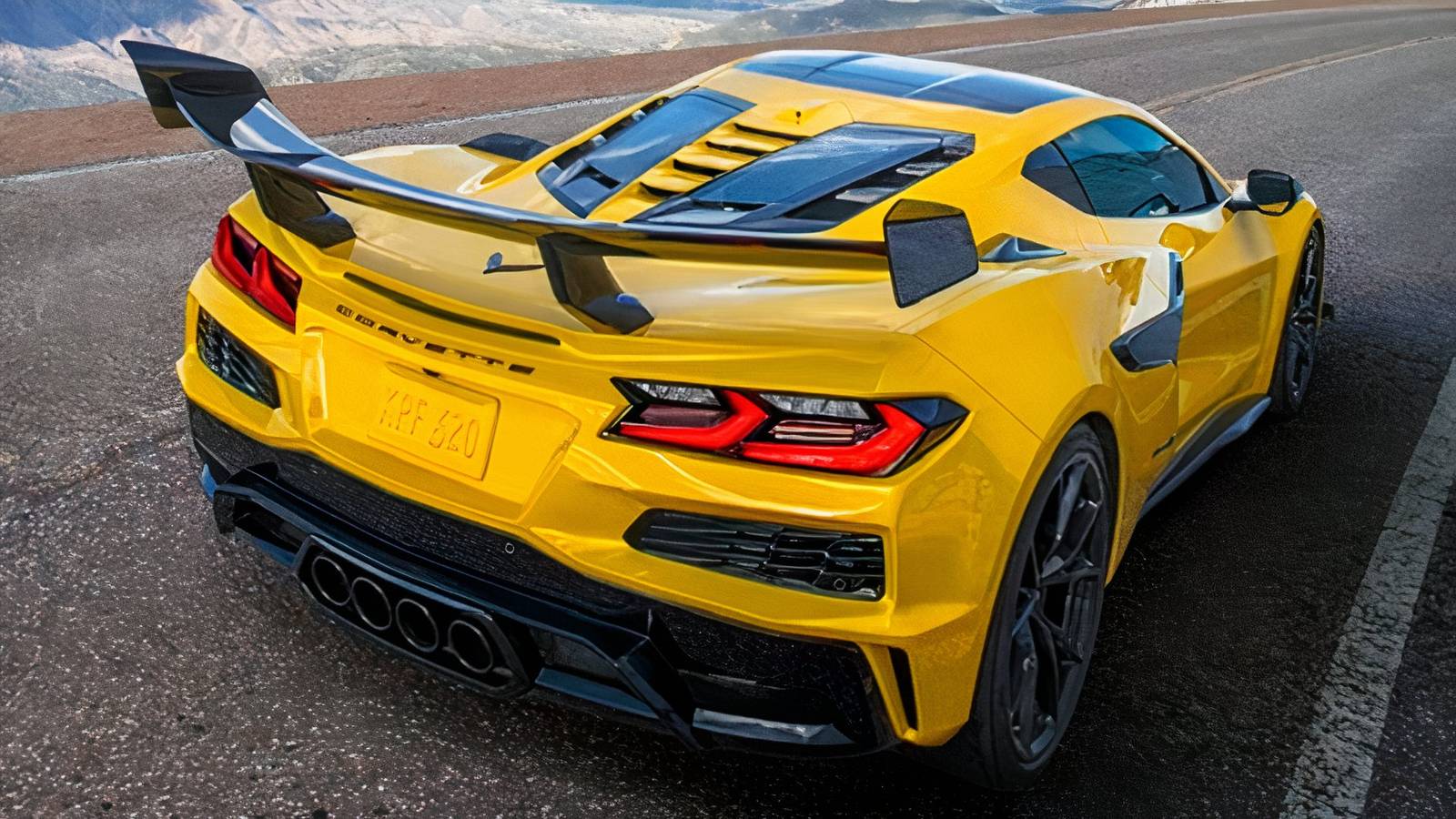
How much does your car’s color affect its resale value? Certainly more than you may have initially believed. A new study performed by iSeeCars analyzed the pricing data for over 1.2 million three-year-old used cars to determine which colors have the biggest impact on resale value. Their discovery? Color matters—a lot.
Common knowledge assumes that grayscale colors like white, black, and silver are the safest options for resale, but the reality is the opposite. The study highlighted how uncommon, standout hues outperform their more conservative counterparts by a significant margin. The rarer and the brighter the color, the better, with yellow, orange, and green being the resale value leaders. Let’s break down the data and determine what it actually says and how this information may influence your next purchase decision.
Cars Are More Bland Than Ever

Over the past two decades, cars have lost over 50 percent of their color variety. This homogenization has created an oversupply of neutral tones in the used market.
Color Still Matters In 2026

Because interesting and unique colors are more uncommon than ever before, the resale impact of paint color has never been greater. Even with price compression, color has a significant role in three-year depreciation values. The iSeeCars study found that the market average three-year depreciation is about 31.0 percent or $14,360. Yet, depending on what color your car is, that value can vary by thousands of dollars.
Market Impact And Supply Gap

In the past, automakers offered an array of vibrant colors at no extra cost. For example, Midori Green Pearl, one of the coolest paint colors ever produced, was a standard, no-cost factory color option for the 1996 Honda Civic Hatchback. This was not a European luxury car; it was one of the most affordable models on the market. Fast-forward to 2026, and almost anything that isn’t white or black is considered a premium option, so bright and unique colors are ordered less frequently. This fact has created a market scarcity of fun and interesting colors, leading to these rarer options demanding a premium in the used market.

The Honda That Still Defines Sensible Engineering
Honda’s engineering principle is called Max Maximum, Machine Minimum, or M/M, and this is the Honda today that continues to embody that principle.
Key Facts About Paint Color Resale Value

Let’s take a closer look at the iSeeCars study data to understand which colors perform the best, by how much, and in which regions these effects are the most meaningful.
The Clear-Cut Winners And Losers

Across the entire U.S., yellow is the color that has the lowest average three-year depreciation at 24.0 percent ($13,667), followed by orange at 24.4 percent ($9,951), and green at 26.3 percent ($13,152). The average national depreciation value is 31 percent or $14,360, meaning these three colors all performed better than the market average. In contrast, black, white, and gold were the worst performers, with gold losing 34.4 percent of its value after three years. The specific circumstance of gold, a very rare color, demonstrates that having a unique paint tone doesn’t automatically mean your vehicle will retain value better.
Segment And Regional Differences

Paint color resale value also varies significantly depending on the market segment. For example, for pickup trucks, orange, green, and gray top the list, while SUVs, the U.S. market’s largest segment, instead reward orange, green, and yellow. For sedans, a dying market segment, orange, yellow, and beige were the top picks, while green littered the bottom of the list.

For minivans, green was the top performer, but green was in the bottom two for coupes. This shows how interesting colors alone don’t provide value, and the segment matters. The iSeeCars study also included an analysis of the top 50 metro areas in the U.S. and confirmed that yellow offers the lowest depreciation of any color, while white has, by far, the worst residual value.

The Luxury Car That Doesn’t Collapse In Value After 3 Years
This premium Japanese sedan holds value well compared to its rivals.
Yellow Is The Hottest Color Right Now

So if you want to retain as much residual value as possible for your next vehicle, the market data shows yellow is the way to go. Orange and green are close competitors that also show clear-cut and measurable dollar savings compared to common grayscale paint options.
What These Numbers Actually Mean For Sellers

If you own a relatively new yellow, orange, or green car, you might be feeling pretty good about your purchase after what you just read. Indeed, the data backs up your decision to pick that unusual color, and it saves you money compared to opting for a white or black variant of the same vehicle. The fact is, you, unknowingly or not, spotted a market inefficiency and capitalized on it. Now your car, due to its relative scarcity, has a distinct edge that will demand a premium. Demand for these interesting colors greatly outnumbers the supply, and the data shows this is more than just a short-term trend.
What These Numbers Actually Mean For Buyers

If you’re looking for your next new vehicle purchase, now is the time to stop being boring. Playing it safe is actually playing it wrong. Even if a premium paint color costs a bit extra at signing, that extra cost will save you thousands in a couple of years. The data shows that standing out in a crowd and going against the grain actually pays off.

We understand if a color like yellow or orange might be a little too much for the average person. However, whatever you do, do not buy a white or black car unless you want to lose money. If your goal is to flip a new vehicle after a couple of years, it is now a no-brainer to choose a rare and bright color when buying new. Ideally, you buy the rarest color they offer because that is the color that will ensure the most value retention once you go to sell.

The Top 5 Luxury Brands For Value Retention
Discover which five brands lead in resale value over the last seven years.
Other Factors Worth Considering

While paint color may be one of the most underrated factors that drives resale value, it is not the only thing that has a significant effect. Mileage, condition, trim, options, and location still play a major role. While not every non-grayscale color adds value over time, you can be sure that white and black paint options will always be at the bottom of the barrel.
Practical Takeaways

Let’s not forget that the iSeeCars study only measures the effect of color on vehicles at the three-year mark. If you plan to keep a car long-term, color becomes less of a factor with age when compared to variables like condition and mileage. Yet, opting for that rare color will preserve value if you do sell within a three-to-five-year window. With niche segments like sports cars or limited-edition models, bright and expressive colors will always demand a premium, despite age or condition.

As we mentioned, not every bright color guarantees added value, and the individual segment still plays a role in what is hot and what is not. The majority of models on the used market will be black or white, and if you are selling a car with a common color, it’s not the end of the world. Most people, subconsciously or not, don’t want to stand out in traffic even if they know it would save them money. The demand for common colors will always be there, but these paint hues rarely command a premium. It is still a wiser decision to buy a well-maintained and clean white car than it is to pay extra for a vehicle with a questionable service history and a cool color.
Deeper Context On Market Dynamics

The premium placed on bright and rare colors is a textbook example of market supply and demand. Considering that automakers have cut their interesting paint options by half in the last two decades, this market dynamic is now more relevant and impactful than before. The increased scarcity of cool colors is a real thing, yet the buyer pool for this niche hasn’t decreased at all.

The study also outlines that used car depreciation is higher now than a few years ago, even though the range of depreciation between colors has narrowed. Color is important, but it is not the only factor affecting a new car’s residual value. If you plan on buying a coupe, convertible, truck, or SUV in the near future, do yourself a favor and go bright or go home. When your cool-colored car sells for thousands more than a boring black or white one, many years later, you can thank us!
Sources: Honda, iSeeCars