
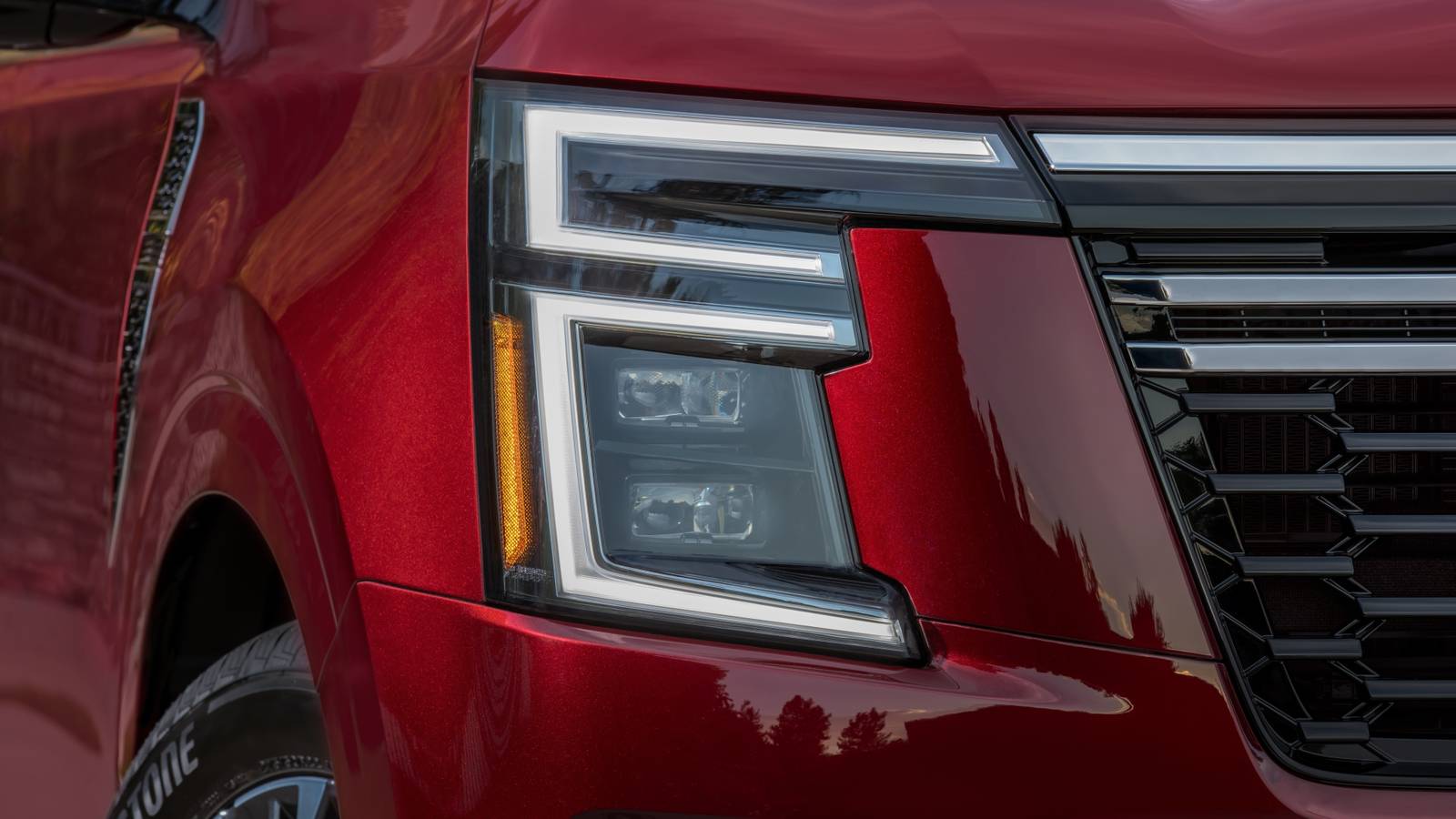
The current landscape of car ownership in the U.S. is defined by a significant shift toward longevity, as the average age of vehicles on the road has climbed to a record 13 years in 2026. This trend is primarily driven by the escalating financial burden of new vehicle acquisition, with average prices hovering near $50,000 and monthly payments for one in five owners exceeding $1,000. As high interest rates and the rising costs of insurance and technology-heavy repairs make frequent trading impractical, consumers are increasingly viewing their vehicles as decade-long investments rather than short-term assets.
Consequently, mechanical and electronic reliability have become much more important criteria for buyers, together with fuel efficiency. Many owners now finance cars for 84 months or longer, which necessitates a drivetrain that can outlast its loan period as a financial requirement. This focus on avoiding high maintenance costs has led to a market where long-term durability ratings and low total cost of ownership projections carry more weight than ever before. Those looking for a dependable full-size SUV built to stand the test of time can consider a less-popular Japanese option, known to last for over 200,000 miles.
The State Of Full-Size SUVs In 2026

The three-row full-size SUV segment in the U.S. remains an important high-margin pillar of the automotive industry, characterized by a transition toward electrification and advanced safety integration while maintaining its core focus on utility. Despite the rising popularity of smaller crossovers, these large vehicles continue to dominate the market among high-income households, specifically those with multiple children. These groups also prioritize higher maximum towing capacity, spacious three-row seating, and robust off-road performance.
While the segment is increasingly influenced by luxury buyers seeking prestige status and advanced features, it remains the primary choice for families and recreational enthusiasts with active lifestyles requiring heavy-duty hauling abilities. Though fuel volatility and urban maneuverability present ongoing challenges, the segment is projected to see steady growth through 2026 as manufacturers introduce hybrid and fully electric powertrains to meet tightening emissions standards without sacrificing the barge-like interior volume that defines the category.
Nissan’s Long-Standing SUV Heritage

Nissan’s presence in the American utility market began in the early 1960s with a rugged, body-on-frame vehicle that prioritized off-road capability and durability, later expanding in the 1980s with compact models inspired by its performance truck platforms. Over the decades, the manufacturer’s approach has evolved from producing utilitarian, trail-ready machines to a diverse portfolio that balances unibody efficiency with full-size towing power.

From a sales perspective, the brand is currently capitalizing on its most successful era to date, driven by a compact crossover-focused portfolio that recently surpassed eight million global sales across its history. This is a stark contrast to its early decades, when utility sales were limited to niche enthusiasts and specialized off-roaders. This modern era focuses on high-tech integration, such as advanced driver-assistance systems, ensuring its varied offerings remain competitive in a market that demands both premium comfort and versatile performance.

The Nissan SUV You Should Buy Used
The Nissan Armada is the brand’s fastest-depreciating SUV, making it worth considering as a used purchase.
How Nissan Makes The Armada Dependable

The Nissan Armada is a much lesser-known option in the full-size SUV segment, but thanks to a more modern drivetrain configuration, the brand has improved its efficiency, performance, and reliability balance. As a result, iSeeCars estimates that it will cover an average lifespan of 8.8 years and 136,006 miles with a 17.6 percent probability of reaching 200,000 miles.
The 2026 Nissan Armada marks a significant engineering departure from its predecessor by replacing the aging Endurance V-8 with the VR35DDTT. This is a 3.5-liter twin-turbocharged V-6, consisting of a high-strength aluminum alloy block and heads that reduce weight, while increasing thermal efficiency. This new unit produces 425 horsepower and 516 pound-feet of torque, thanks to double overhead cams and a timing chain. Nissan opts for this design to minimize long-term maintenance compared to its older belt-driven systems.

To address the reliability concerns of previous generations, Nissan has paired the engine with a more robust nine-speed planetary automatic transmission, replacing the older seven-speed unit. This newer configuration offers a wider gear spread to reduce mechanical strain and increase towing capacity to 8,500 pounds.
Furthermore, the 2026 model benefits from advanced cooling strategies, including an integrated engine oil cooler and a twin-turbo induction system with plastic intake manifolds to manage heat soak, ensuring that the smaller-displacement engine maintains consistent performance and longevity under heavy-duty cycles that typically wore down the older naturally aspirated components.
How To Keep Your Armada In Good Shape

The 2026 Nissan Armada is supported by a standard three-year or 36,000-mile limited bumper-to-bumper warranty and a more extensive five-year or 60,000-mile powertrain warranty, covering the critical VR35DDTT engine and nine-speed transmission components. Higher trims also include a complimentary two-year or 24,000-mile maintenance program that covers the initial scheduled visits, which are recommended at 5,000-mile or six-month intervals for synthetic oil changes and tire rotations.
As the vehicle ages, more intensive services are required, such as brake fluid flushes every 20,000 miles and comprehensive inspections of the twin-turbo cooling system and four-wheel drive transfer case every 40,000 miles. Industry estimates place the projected five-year maintenance and repair costs at around $8,864.

Annual maintenance costs start at $340 for a basic service in the first year, rising significantly in the fourth year as major mechanical inspections and fluid replacements coincide with the end of the bumper-to-bumper coverage. Owners can expect to pay roughly $522 per year on average for routine upkeep, a figure that remains competitive within the full-size SUV segment but scales upward for the high-performance Nismo and PRO-4X models due to their specialized hardware and larger 22-inch tire requirements.
The 2026 Nissan Armada earns an overall score of 7.6 out of 10 from iSeeCars, which includes a safety score of 9.0 that places it as the top-ranked vehicle in the safest large SUV category. While its reliability score is more modest at 6.8, the review highlights that the vehicle still ranks as the best choice for the large family SUV category and the most powerful eight-seater in its class.

The Nissan Kicks Advantages Smart SUV Buyers Notice First
The Nissan Kicks offers spacious interiors, excellent fuel economy, and affordable ownership costs in the compact SUV segment.
Pricing Starts At Under $60,000

The 2026 Nissan Armada lineup begins with the SV trim at an MSRP of $58,840, scaling through the SL at $63,530, the luxury-oriented Platinum at $70,490, and the off-road-focused Pro-4X at $74,300, before topping out with the premium Platinum Reserve at $77,550 and the performance-tuned Nismo at $79,530. Four-wheel drive adds $3,000 to the MSRP.
Across the range, all trims feature the brand’s new Monolith display, consisting of a single 28-inch digital display that incorporates a 14.3-inch touchscreen and a matching digital gauge cluster. This system features Google built-in, wireless smartphone integration, and a matching digital gauge cluster.

While the SV starts with essential comforts like triple-zone climate control and leatherette upholstery, moving up the trim ladder introduces high-end convenience features such as a 12-speaker Klipsch premium audio system, a panoramic sunroof, and specialized Zero Gravity seating.
The higher trims adopt quilted leather-appointed massaging front seats, ventilated second-row captain’s chairs, and a biometric climate-controlled system that uses infrared sensors to adjust airflow based on passenger body temperature. Optional enhancements further bolster the tech suite with a 3D Around View Monitor, an integrated dash cam, and the ProPilot Assist 2.1 system, which allows for hands-free highway driving on compatible roads.
Fuel Consumption Improvements Over The V-8

When it comes to consumption estimates, the EPA lists three unique sets of data. The rear-wheel drive model consumes 16/20/18 MPG on the city/highway/combined cycle, with a 425-mile range estimate from the 23.6-gallon tank. The four-wheel drive model consumes an estimated 16/19/17 MPG, while covering 401 miles on a single tank of gas. The Pro-4X and its thicker tires achieve a 15/18/16 MPG estimate and a 378-mile range figure.

Nissan SUV Models By Size For Every Budget And Lifestyle
Shopping Nissan SUVs? The interior matters most—comfort, space, tech, and design. Here’s how each model nails daily life at every price.
All The Interior Space You’ll Ever Need

Inside, the 2026 Nissan Armada’s cabin provides 40.8 inches of headroom and 43.8 inches of legroom in the front row, followed by 40 inches of headroom and 39.2 inches of legroom in the second row, while the third row offers 36.2 inches of headroom and 32.9 inches of legroom.
Cargo capacity remains highly versatile, providing 20.4 cubic feet of space with all seats upright, expanding to 56.3 cubic feet behind the second row, and reaching a maximum of 97.1 cubic feet with all rear seats folded flat.
Sources: The EPA, RepairPal, Kelley Blue Book, iSeeCars, and Motor Reviewer