
Modern performance cars don’t hide what they are. Aggressive styling, oversized wheels, large air intakes, and loud exhaust systems all serve one purpose: to signal speed before the engine even starts. The visual drama has become part of the experience, setting expectations before the car even moves—and for many buyers, that works. There’s a sense of theater in driving something that looks as fast as it feels. It builds anticipation and creates an immediate impression of the performance. But in the process, something has been lost. When a car looks fast, you expect it to be fast. There’s no surprise. No contrast. The experience becomes predictable from the moment you see it. That’s why sleeper cars still matter.
Why Modern Performance Cars Have Lost Their Element of Surprise
Styling Now Signals Speed Before the Drive Even Begins

Sleeper cars take the opposite approach—subtle, understated, and often overlooked. They don’t rely on design to communicate performance or draw attention at a glance. Instead, they reveal their capabilities through how they drive, and that’s where the real appeal lies. There’s a sense of discovery that comes with it. The performance isn’t obvious from the start—it builds as you spend time behind the wheel. When it finally reveals itself, the impact is far greater because it’s unexpected. That contrast changes the experience. It feels more engaging, more memorable, and ultimately more rewarding because the most compelling performance isn’t always the loudest—it’s often the one you never saw coming.

10 Performance Sedans That Outclass Sports Cars
This list celebrates ten extraordinary sedans that challenge the notion that conventional sports cars are the ultimate driving machines.
The 2026 Audi RS3 Is a Sleeper That Delivers Supercar Pace
Subtle Design Hides Serious Performance

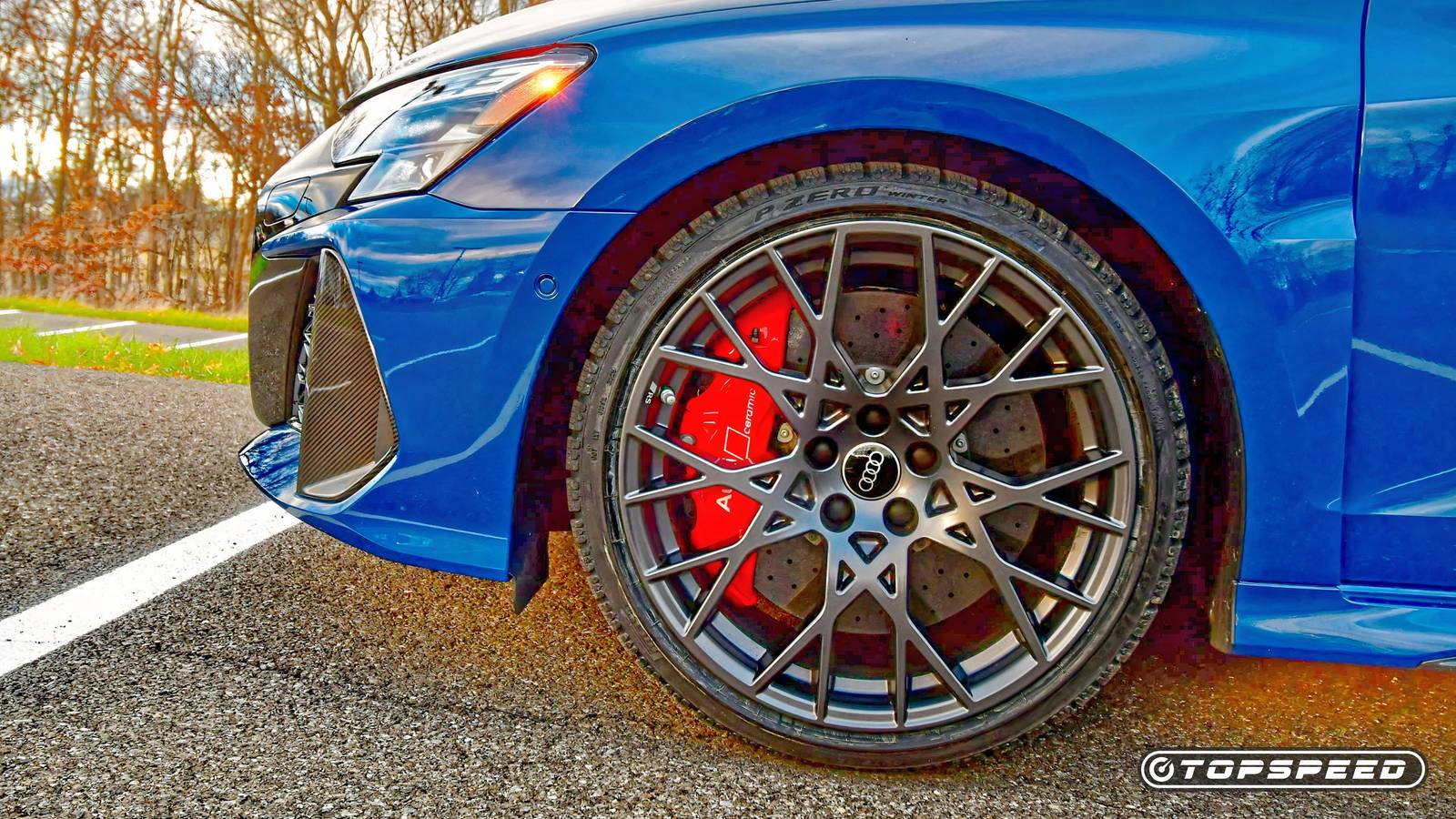
At first glance, the 2026 Audi RS3 doesn’t look like a car capable of outrunning sports cars. There are subtle performance cues—slightly flared arches, a more aggressive front bumper, and larger wheels—but overall, it still reads as a compact luxury sedan. The only clear indicator is its RS badging. It doesn’t carry the exaggerated presence of a traditional performance car, and it doesn’t try to dominate attention. That’s precisely what defines a sleeper. It blends in with most, yet those familiar with Audi’s RS lineup will recognize what it’s capable of.

Once you look beyond the surface, the contrast becomes clear. The RS3 delivers a level of performance that feels completely disproportionate to its appearance. It’s quick off the line, relentless through acceleration, and composed at speed. There’s no hesitation—just immediate, controlled power. It can accelerate from 0 to 60 mph in 3.2 seconds, placing it firmly in territory typically reserved for far more expensive performance cars. And yet, you’re experiencing that level of speed from behind the wheel of a compact four-door sedan. That contrast is what makes it so compelling.

One Of The Last Fast Cars That Still Feels Analog
A rare breed of performance car that demands your full attention and rewards skill, not just speed.
Turbocharged Five-Cylinder Power and Quattro Grip Define Its Character
Engine Specs and Performance Figures

At the heart of the RS3 is one of the most distinctive engines in its class—a 2.5-liter turbocharged inline-five. It produces 401 horsepower and 369 lb-ft of torque, delivered through a seven-speed dual-clutch transmission and Audi’s quattro all-wheel-drive system. This combination allows the RS3 to deliver strong, consistent acceleration with minimal loss of traction. What sets this engine apart isn’t just its output, but how it delivers that power. There’s a strong surge from low in the rev range, followed by a smooth and continuous pull through the midrange. The power delivery is controlled and accessible—fast without feeling unpredictable or difficult to manage.

The five-cylinder layout also gives the RS3 a unique sound signature. It’s deeper and more mechanical than a typical four-cylinder engine, adding character without becoming overwhelming. But the real advantage lies in how effectively that power is used. The quattro system provides exceptional grip, particularly during hard launches or in less-than-ideal conditions. It distributes torque intelligently, helping the car remain stable while still feeling agile through corners.
This isn’t just a car that performs well under perfect conditions—it delivers speed consistently in the real world.

The Daily Driver With Japanese Reliability And Porsche-Level Driving Feel
Discover how the Toyota GR86 delivers a Porsche-like drive at an affordable price—blending reliability with everyday thrills.
Built for Speed Without Sacrificing Daily Comfort
Exterior: Subtle but Purposeful

The 2026 Audi RS3’s exterior design strikes a balance between restraint and intent. Unlike many performance cars that rely on dramatic styling, the RS3 keeps its design relatively clean. The proportions are compact and well-balanced, with just enough aggression in the details to hint at its capability. This understated approach allows it to blend into everyday traffic more easily than many of its rivals. It doesn’t draw unnecessary attention, which makes its performance feel even more surprising. It’s a design that prioritizes function over spectacle.
Interior: Performance Meets Practicality

Inside, the RS3 maintains that same balance. The cabin is modern, well-built, and clearly driver-focused, without becoming overly complicated. Audi’s digital instrument cluster provides performance-focused displays, while the infotainment system remains intuitive and easy to use. Material quality is high throughout, reinforcing its premium positioning. The seats are supportive enough for spirited driving, yet comfortable enough for longer journeys. This balance is key to the RS3’s appeal as a daily driver. Importantly, it retains its practicality. With four doors, usable rear seating, and a functional trunk, the RS3 works just as well as an everyday car as it does a performance machine.

The Bulletproof Sports Car You Can Actually Daily Drive
This German coupe is built to last with the if you properly maintain it.
How It Compares to Rivals—and Where It Falls Short

The RS3 sits in a highly competitive segment that includes cars like the BMW M240i and Mercedes-AMG CLA 45, both of which bring serious performance credentials in compact, everyday-usable packages. The BMW M240i, powered by a 3.0-liter turbocharged inline-six producing 382 horsepower and 369 lb-ft of torque, leans into a more traditional performance formula. With its rear-wheel-drive bias (via xDrive), it delivers a more playful and engaging character, particularly for drivers who value balance and rear-drive dynamics.

The Mercedes-AMG CLA 45 takes a more aggressive approach. Its 2.0-liter turbocharged four-cylinder produces up to 416 horsepower and 369 lb-ft of torque in S form, delivering a sharper, more intense driving experience. It pairs that performance with bold styling and a more dramatic overall presence. The RS3 positions itself differently. With 401 horsepower and 369 lb-ft of torque, it strikes a balance between these two approaches. Rather than chasing rear-driven playfulness or outright aggression, it focuses on usable performance. Its quattro all-wheel-drive system provides exceptional traction, allowing it to launch harder and more consistently than its rivals—especially in real-world conditions.

10 Practical Cars That Are Secret Sports Car Killers
Sports cars advertise their performance, but some cars are more covert about their unfettered power
But There Are Trade-offs

The RS3 doesn’t feel as playful as the BMW, particularly when it comes to rear-end adjustability. It also lacks some of the visual drama and interior flair found in the AMG. And for a compact sedan, its pricing—starting at around $66,000—places it toward the higher end of the segment. By comparison, the BMW M240i starts at roughly $50,000, while the Mercedes-AMG CLA 45 sits closer to $62,000 before options. Despite that, the RS3 delivers a unique combination of speed, control, and everyday usability—making it one of the most complete performance options in its class.

The Sports Car With Honda Reliability And Porsche-Level Handling
This American V8 sports car starts from $70,000 and even has models with over 1,000 horsepower, while being more reliable than Hondas and Toyotas.
A Sleeper Sedan That Redefines Everyday Performance
What makes the RS3 stand out isn’t just how fast it is—it’s how it delivers that performance

Rather than relying on exaggerated styling or constant attention, it focuses on execution. The speed feels controlled, accessible, and usable in real-world conditions, which is exactly what defines a true sleeper. It’s not about completely hiding its performance, but about not needing to advertise it. The RS3 strikes that balance exceptionally well. It offers acceleration that rivals sports cars, grip that inspires confidence, and a level of practicality that makes it easy to live with every day.

It may not be the most dramatic option in the segment, but that restraint is part of its appeal. Once you experience what it can do, your perception shifts. It’s no longer just a compact sedan—it becomes something far more compelling: a car that quietly delivers performance at a level few expect. And that’s what makes it one of the most convincing sleeper four-doors on the road today.
Sources: CarAndDriver, Motortrend, Edmunds