
Luxury cars have long followed a familiar hierarchy. When people talk about the best sedans money can buy, German names tend to come first. Mercedes-Benz is associated with comfort and heritage, BMW with performance, and Audi with technology and design. For years, that trio has defined what modern luxury is supposed to feel like. Japanese brands, on the other hand, have usually been praised for something else entirely: reliability, sensible engineering, and value for money. All good things, but rarely the qualities that spark desire in the luxury space.
The Lexus LS sits quietly at the intersection of those two worlds. It doesn’t try to out-German the Germans. It doesn’t chase trends or attempt to rewrite the luxury rulebook every few years. Instead, it asks a simpler question: What if a luxury car focused on being genuinely comfortable, well-built, and easy to live with, year after year? That approach has made the LS something of an outlier. It’s respected, often admired, but frequently overlooked. And yet, when you spend real time with it, the LS has a way of making many traditional luxury benchmarks feel slightly overcomplicated.
The Lexus Is A Sedan Born From Ambition, Not Imitation

The Lexus LS was never meant to be an experiment. When Toyota launched the original LS 400 in 1989, the goal wasn’t to compete on price or undercut European rivals. The goal was to build the best luxury sedan in the world, without excuses. That first LS arrived with a smooth V8, remarkable quietness, and a level of build quality that surprised even the most skeptical critics. German manufacturers didn’t dismiss it for long. Instead, they studied it closely.

Over the decades, the LS has evolved, but its core values haven’t changed much. Comfort, refinement, durability, and attention to detail still sit at the center of the experience. What’s changed is the market around it, which has grown louder, more digital, and more focused on spectacle. The LS has chosen not to follow that noise.

The Japanese Car That Quietly Beats Luxury Brands At Their Own Game
A luxury sedan that shuns the spotlight, yet outshines its rivals in the areas that truly matter.
The Lexus LS Values Restraint Over Trends
Its Exterior Design Plays The Long Game

Design is often the first place where luxury brands try to stand out, and this is where opinions on the Lexus LS can vary. It doesn’t look sporty in the way a BMW 7 Series does, and it doesn’t have the formal presence of a Mercedes-Benz S-Class. Instead, the LS looks deliberate.

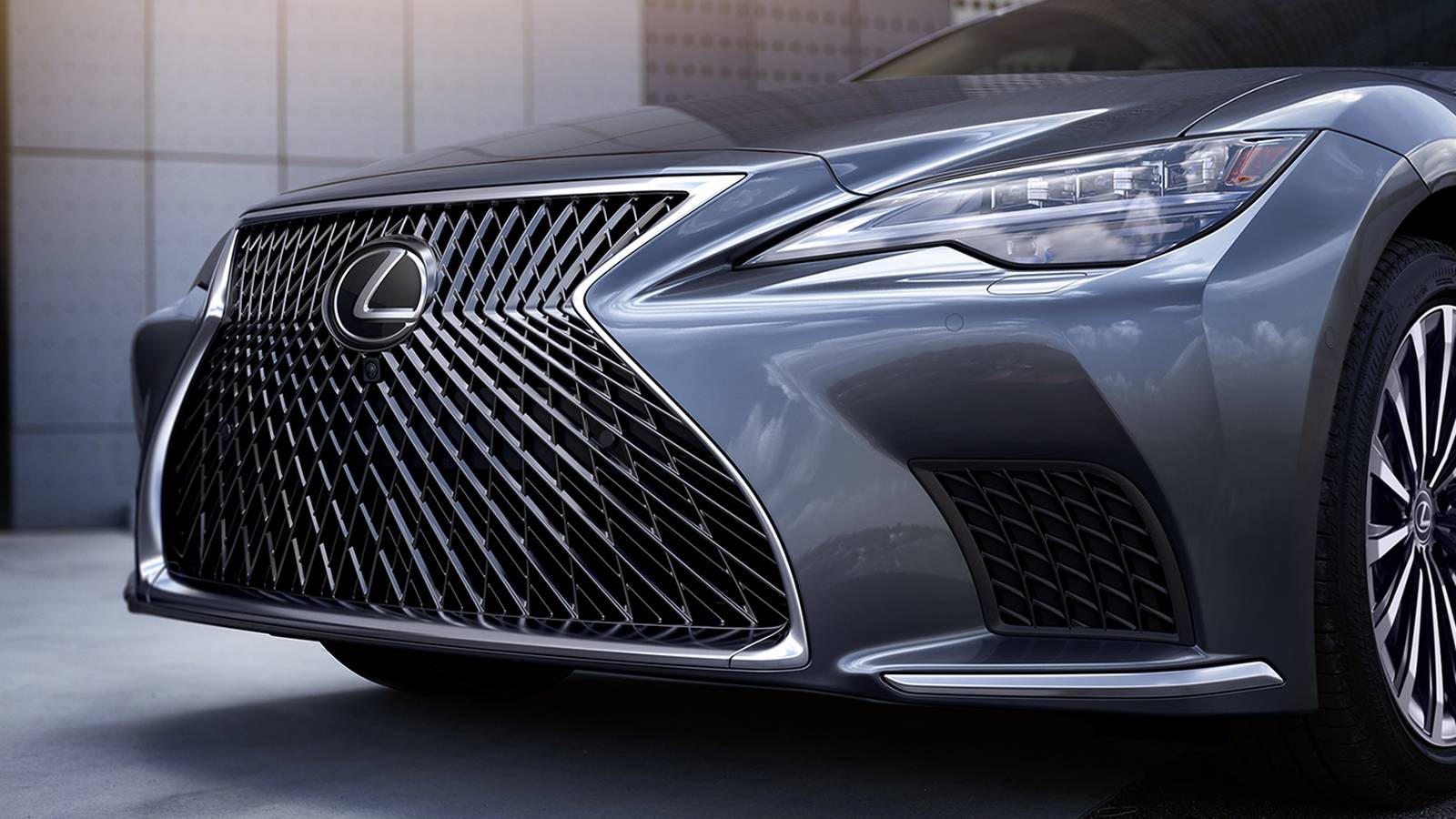
The body lines are smooth and controlled. The proportions feel traditional, with a long hood and a flowing roofline. The large spindle grille is the most controversial element, but even that feels more like the brand signature it’s meant to be rather than a gimmick. This isn’t a car designed to shock, but designed to age well. Five or ten years down the line, the LS still looks composed rather than dated.
The Interior Is Built Around Comfort, And Not Screens

Step inside the Lexus LS and the priorities become clear almost immediately. The cabin feels warm, carefully assembled, and thoughtfully laid out. Materials matter here, and not just in obvious places. Leather feels soft and consistent, the wood trims look and feel real, and the stitching is precise without being super showy. Depending on the trim, Lexus leans into Japanese craftsmanship in subtle ways. Textures inspired by traditional glasswork, layered door panels, and design choices that feel considered rather than decorative.

What stands out most, though, is what isn’t there. The LS doesn’t overwhelm you with screens. Technology exists, but it doesn’t dominate every surface. Physical buttons remain where they make sense, and climate controls don’t require digging through menus. Compared to some German rivals, which can feel like rolling tech showcases, the LS interior feels calmer and more intuitive.

10 Luxury Sedans You Should Buy Used
These are our top picks for the perfect blend of comfort and performance.
The LS’s Driving Experience Is Built Around Effortless Calm
Its Two Powertrains Prioritize Smoothness

The Lexus LS doesn’t chase headline numbers, and that’s reflected in its engine choices. The LS 500 uses a twin-turbocharged V6 that produces strong, usable power. Acceleration is brisk when needed, but never aggressive. The engine stays quiet under normal driving, and power delivery feels smooth and predictable. Currently, only the Heritage Edition with this powertrain option is being sold new in US markets.

There’s also the LS 500h, the hybrid variant, however, and it combines a V6 engine with electric assistance, creating a driving experience that emphasizes calmness. Starts are often silent, and transitions between electric and gasoline power are barely noticeable. The focus is on refinement rather than performance bragging rights. Compared to German rivals that often emphasize speed and sportiness, the LS feels more relaxed. It has enough power for confident highway driving and easy overtaking, but it doesn’t push you to use it. But you may have to push into the used market for this.
How The LS Feels On The Road

Driving the Lexus LS reinforces its overall philosophy. The suspension prioritizes comfort, absorbing road imperfections without feeling disconnected. Steering is light and accurate, tuned more for ease rather than engagement. The cabin, too, remains impressively quiet, even at higher speeds.

This isn’t a car that encourages aggressive driving. It encourages smoothness, steady inputs, and relaxed cruising. German luxury sedans often try to balance comfort and sportiness, sometimes leaning heavily toward the latter. The LS makes its choice clear. Comfort comes first, and everything else supports that goal. For many buyers, especially those who don’t spend hours behind the wheel, but in the back seat, that clarity is refreshing.

The Japanese Luxury SUV That’s Quietly Outselling The Most Popular Mercedes
This luxury Lexus SUV is covertly outselling the most popular Mercedes-Benz model on the market. There are a couple of good reasons why it is.
Lexus’ Luxury Lasts Beyond The First Impression
The Technology Works Quietly In The Background

Modern luxury cars are packed with technology, and the Lexus LS is no exception. Driver assistance features like adaptive cruise control, lane-keeping systems, blind-spot monitoring, and automated emergency braking are all present. The difference lies in how they behave. These systems tend to work quietly and predictably. Alerts are subtle, and adjustments feel natural rather than abrupt. Infotainment has improved over time, and while Lexus was once criticized for lagging behind German rivals in this area, the LS now feels competitive without becoming overwhelming. The technology supports the experience instead of trying to define it.


Find 2026 Lexus LS and more cars for sale on our Marketplace
Reliability As A Luxury Feature?

One of the most understated advantages of the Lexus LS is its reputation for long-term reliability. Luxury cars are often judged by how they feel when new, but ownership tells a longer story. German sedans can be rewarding to drive, but they’re also known for complex systems and expensive repairs as they age.

The LS takes a different approach. Its engines are conservatively tuned, and electronics are designed with longevity in mind. Build quality is consistent across the cabin, reducing squeaks, rattles, and wear over time. This doesn’t make the headlines, but it matters deeply to owners. Knowing your luxury sedan won’t turn into a financial headache after a few years is a form of comfort that’s easy to underestimate.

The Japanese Luxury SUV That’s Outselling German Rivals In 2025
The Japanese luxury SUV market is taking on the German market in a big way already this year, with this plush SUV outselling its European counterparts
Why The Lexus LS Is Often Overlooked

Despite all this, the Lexus LS doesn’t dominate luxury conversations. Brand image plays a role. German luxury carries a certain prestige that’s been built over decades. Lexus, while respected, doesn’t always evoke the same emotional response. The LS also avoids flash. It doesn’t offer extreme performance trims or dramatic design statements. It doesn’t try to be everything at once.

The Lexus LS doesn’t argue that German luxury is wrong. It simply offers an alternative. It suggests that luxury doesn’t have to be complicated. That comfort doesn’t need constant reinvention. That craftsmanship can speak quietly and still be meaningful. In a market increasingly focused on features, modes, and specifications, the LS focuses on how it makes you feel day after day.

The Lexus LS makes German luxury look overrated, not because it outperforms it, but because it questions its priorities. It delivers comfort without excess, prestige without pressure, and ownership without anxiety. For drivers who value serenity over spectacle, and quality over trends, the LS quietly makes a compelling case. It doesn’t chase attention because it doesn’t need to.
Sources: Lexus, CarEdge