
For decades, the hybrid powertrain has been synonymous with Toyota as a brand. With around 30 years of experience in the development of hybrids, along with more recent years of perfecting the way it works, their monopoly on the identity of the technology is unparalleled. The Prius was the flagship car for this emerging powertrain, and despite some people loving it and others hating it, it managed to become a complete success and gave hybrids hope for further mass-market appeal.
In the last couple of years, however, there is no doubt that the identity of the tech is spreading thinner across a wider range of companies. With mounting pressure on emissions becoming increasingly prevalent, and the long-term maturity of hybrids being proven, it’s no wonder that more manufacturers want to hop aboard and reap the benefits. Honda was always one of the companies that followed Toyota in its rearview mirror into the future, and in recent years has shown itself to be a serious competitor. That contest becomes closer than ever with the 2025 Honda Civic Hybrid, a car that is giving Prius lovers genuine reasons to switch.
2025 Honda Civic VS 2025 Toyota Prius, Head-to-Head

Although an undeniable breakthrough, one of the negative connotations often connected to the older Prius models was the sluggish nature of the car. Whilst many consumers don’t care about performance, for those people in the 2000s and 2010s who were serious about driving experience and speed, it’s no wonder that the Prius was seen as a villain of enjoyment. With the latest 2025/2026 Toyota Prius, the company has finally managed to slither out of this reputation somewhat, with the new model achieving a 0-60 time in a respectable 7.2-7.7 seconds.
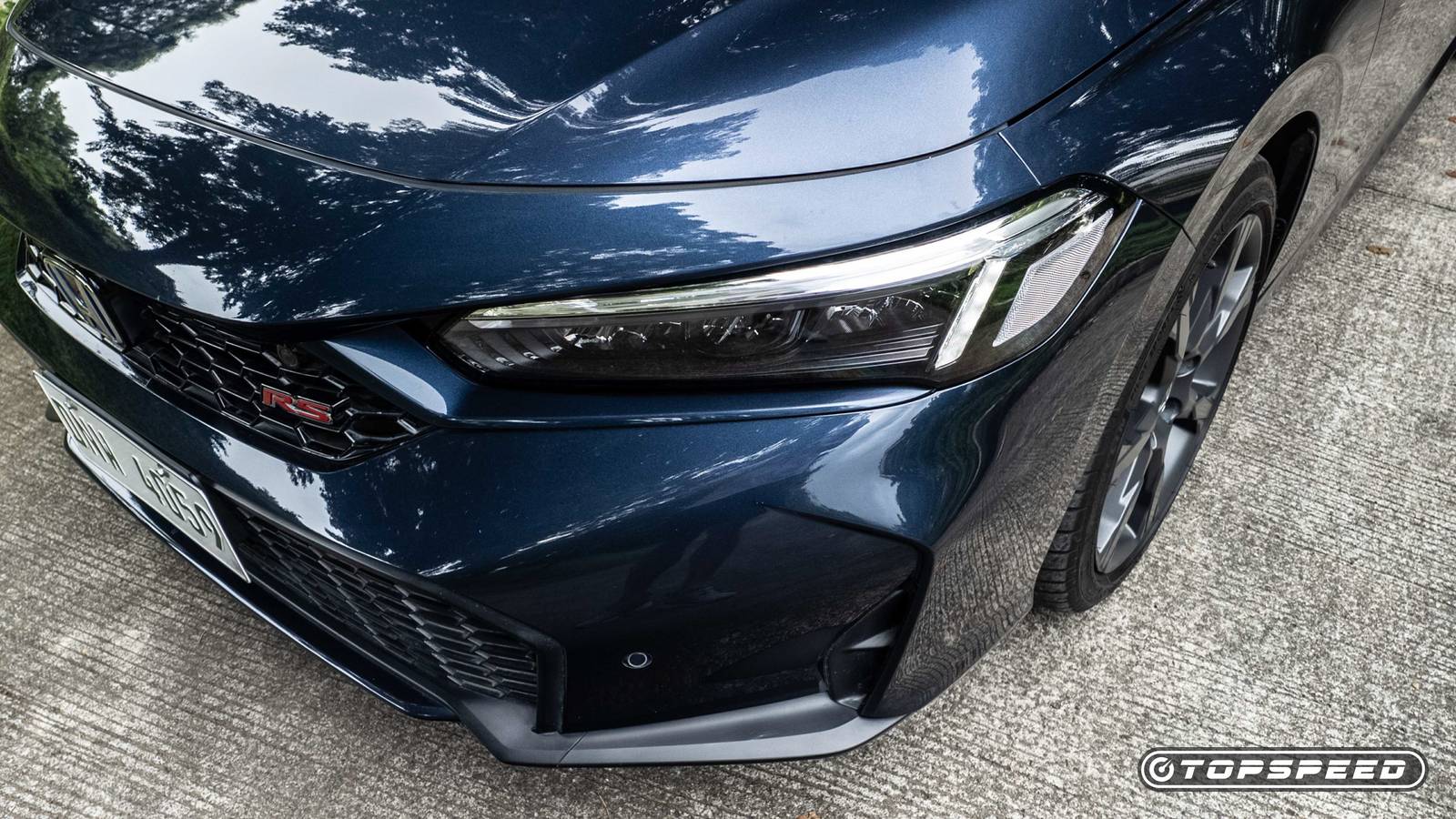
The Civic Hybrid’s acceleration is on par with the Civic Si’s, a tad quicker even. Combine this with the current-generation Civic’s stellar chassis, suspension calibration, and quick steering, and what you end up with is a compact car that’s just as entertaining to drive as an Si, minus the manual transmission.
– William Clavey for TopSpeed

Both Car and Driver and Edmunds noted that the Civic’s more powerful dual-motor setup allows for EV-like delivery with instant and linear power, compared to the Prius, which still feels a little jarring when the more coarse gasoline engine kicks in when pushed. Whilst the Prius isn’t slow, it feels as if it’s working viscerally harder to accelerate, and not only that, but testing shows the Civic can achieve a 0-60 mph time of 6.2 seconds.
Ergonomics, Experience And Interior Tech
Toyota has always placed the Prius as something futuristic, whether it be from the early innovations in hybrid technology or within the sleek and forward-thinking design language. The 2025 Civic instead brings the innovative powertrain into a design that feels standardized and normal. Edmunds noted that in the search for aerodynamic excellence, the steep, curved A-pillars create severe blind spots, whereas the more ordinary shape of the Civic always gives it a more panoramic feel.
Interior Comfort Quality And Benefits Of The Civic
- Premium-feeling switches and physical controls
- More rear legroom and headroom
- More open, airy, and less cramped than the Prius
- Higher-quality interior materials
Despite the Honda feeling like a more tactile, physically operated interior, it does lack some of the tech that the Prius possesses. With a large 12.3-inch screen available in higher trims, a 360-degree camera, automated parking assistance, and a bleeding-edge solar roof, the Prius is equipped with features that the Civic simply can’t compete with. Despite that, the Honda is just simply more intuitive to use, having ease of use at the forefront rather than a slightly fussy approach to futuristic design on the Toyota.

The Fastest Sedan Under $30,000 In 2025
If you need an adrenaline rush without breaking the bank, this Japanese hybrid sedan will suit your needs.
Performance Figures And Pricing

One of the interesting and quite refreshing comparison points of both cars is that they cost a very similar amount of money. Both starting at around $29,000 for the base models, it becomes a complete competition between which car you prefer, rather than which one is cheaper, which is a pleasant position to be in.

However, the prices start to increase slightly higher as you go up the trim levels with the Prius — the top-spec Civic is $33,595, whereas the Prius equivalent would be $36,500. Whilst this is a notable difference, ultimately the decision should come down to which car you prefer, and whether the extra top-trim gizmos on the Prius are worth the extra price.
Performance Breakdown Of The 2025 Civic And 2025 Prius
|
Performance Metric |
2025 Toyota Prius (base) |
2025 Honda Civic (base hybrid) |
|
Powertrain |
2.0L 4-Cylinder hybrid |
2.0L 4-Cylinder Hybrid |
|
Transmission |
Electronic e-CVT |
Electronic e-CVT |
|
Horsepower |
194 |
200 |
|
Torque |
139 Ib-ft |
232 Ib-ft |
|
0-60 mph |
7.2 seconds |
6.2 seconds |
With nearly 100 extra pounds of torque in the Honda Civic, there is no doubt that acceleration feels more effortless. Whilst both have the same number of cylinders and displacement, the way they tune and combine their hybrid powertrains is completely different. The Prius opts for the parallel system, where the engine and electric motor are both linked to the wheels permanently, with the gasoline engine doing the major heavy lifting.

The Civic relies much more on its electric motors, as the majority of the time, the engine itself isn’t propelling the car forward; it is simply generating electricity for the electric-drive motor. When the engine does engage in the Civic, the powertrain combination has a more punchy, direct feel.
Everyday Usability, Both Short And Long Term

With Honda and especially Toyota having excellent acclaim in the field of reliability, it is no wonder that this would be a reason to buy either car, and not choose one over the other. However, J.D. Power shows that the 2025 Civic scores a “great” 85/100 in the initial 90-day score for quality and reliability, whilst the Prius closely follows with 82/100. It is worth mentioning, though, that for a long-term three-year view, J.D. Power ranks Toyota and Lexus as the most dependable car brands, whereas Honda comes in at a still respectable 12th.
The Practicalities Of Both Vehicles Compared
|
Model |
2025 Toyota Prius (base) |
2025 Honda Civic (base hybrid) |
|
MPG |
57 (combined) |
49 (combined) |
|
Cargo Space |
24.5 cubic feet |
23.8 cubic feet |
|
Range |
644 miles |
550 miles |
|
Price |
$29,485 |
$29,395 |
In terms of depreciation, both avoid their value falling away like a landslide. Whilst the Prius has a respectable 32 percent loss in value over the first three years from brand new, the Civic excels in this field with a very impressive 19 percent depreciation rate over the same time period. Meaning, long-term, you could argue the Civic is actually cheaper. Though for what you lack in resale value on the Prius, you may make up for it with its legendary 57 mpg figure.

10 Affordable Japanese Hybrids That Refuse To Break Down
These Japanese HEV options are perfect for long-term ownership.
The Verdict On The Battle Of The Hybrids

Whilst the Toyota Prius has always been the technology of the future, in the present day, it feels as if its forward-thinking nature may have been diluted by the competition bringing the hybrid world its A-game. This can sometimes make the Prius’s genuine futuristic demeanor feel cosmetic and vapid. Whilst its sleek, aerodynamic design and gadget-filled interior provide an insight into something unique, it might also be its downfall when compared to the more usable and tactile Civic.

With more punch than the Prius, more passenger space, and a more refined interior quality behind the surface, the Civic might just come out as the winner for most people. The thing is, the Prius has been with us for years, and with that, we are already living in a future that Toyota unlocked for us. Now we’re here, the Prius is still an excellent choice, but the Civic might be an even better one.
Sources: CarEdge, Toyota, Honda, J.D. Power