
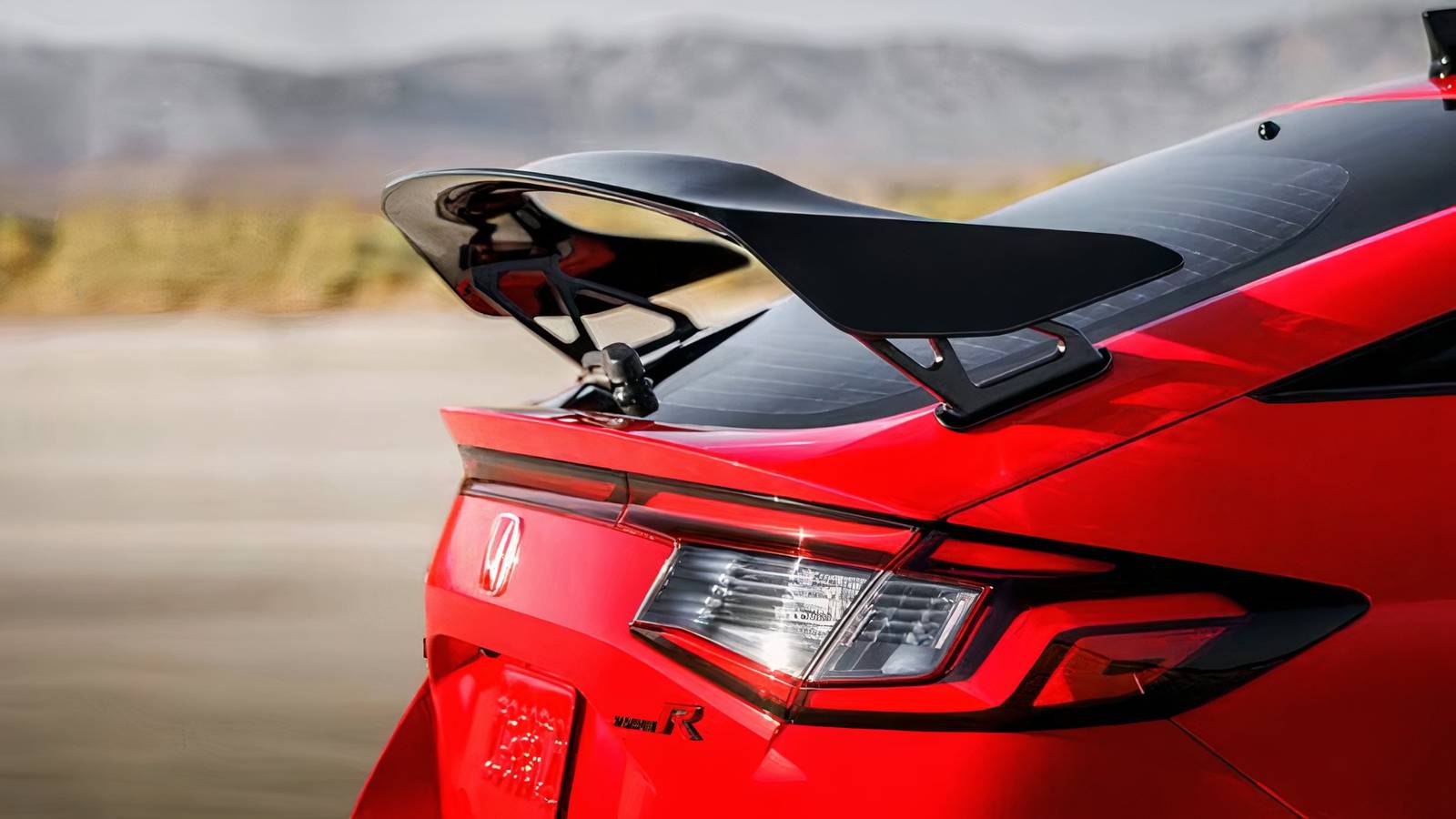
For decades, performance has been defined by a familiar formula: more cylinders, power sent to the rear wheels, and a badge that carries motorsport pedigree. If you wanted a truly fast car, something capable of delivering serious lap times on a circuit like the Nürburgring, you looked toward low-slung sports cars, not practical hatchbacks built for school runs and grocery trips. That hierarchy felt untouchable. But modern engineering has a way of rewriting the rules.
Today, the line between everyday usability and outright performance is more blurred than ever, and nowhere is that more evident than in the latest generation of high-performance hatchbacks. These are no longer “warm” daily drivers with a sporty edge; they are precision tools, developed with the same obsessive focus on lap times, chassis dynamics, and aerodynamic efficiency as far more expensive machinery. At the center of this shift is a car that challenges everything enthusiasts thought they knew about speed. Because when a front-wheel-drive hatchback can deliver a Nürburgring lap time that rivals an established sports car, it forces a simple but uncomfortable question: have we been measuring performance all wrong?
How Some Hatchbacks Evolve Into Legitimate Performance Machines

There was a time when the hot hatch formula was simple: take an everyday family car, add power, stiffen the suspension, and give enthusiasts something fun yet affordable. These cars were never meant to rival proper sports cars; they existed in a different universe altogether. But over the last decade, that gap has quietly collapsed.

Modern performance hatchbacks are no longer defined by compromise. Instead, they’re shaped by engineering ambition. Advanced suspension geometries, electronically controlled dampers, motorsport-derived aerodynamics, and tire technology that borders on track-only specification have transformed them into serious performance machines.

5 Porsche Models That Hold Their Value Exceptionally Well
These five Porsche models defy typical depreciation patterns through their combination of performance, desirability, and enduring enthusiast appeal.
Meet The 2026 Honda Civic Type R: A Front-Wheel-Drive Track Weapon Disguised As A Family Car

On the surface, the latest 2026 Honda Civic Type R still presents itself as a practical hatchback. It features four doors, a spacious rear seat, and a usable cargo area, making it perfectly suited to everyday life. But beneath that familiar shape lies one of the most focused performance platforms in the modern automotive landscape.

At its core is a turbocharged 2.0-liter inline-four engine producing roughly 315 horsepower and around 310 pound-feet of torque. That power is sent exclusively to the front wheels through a six-speed manual transmission, reinforcing Honda’s commitment to driver engagement in an increasingly automated world. The front-wheel-drive layout may sound like a limitation, but in this case, it’s the foundation of what makes the Type R so remarkable.
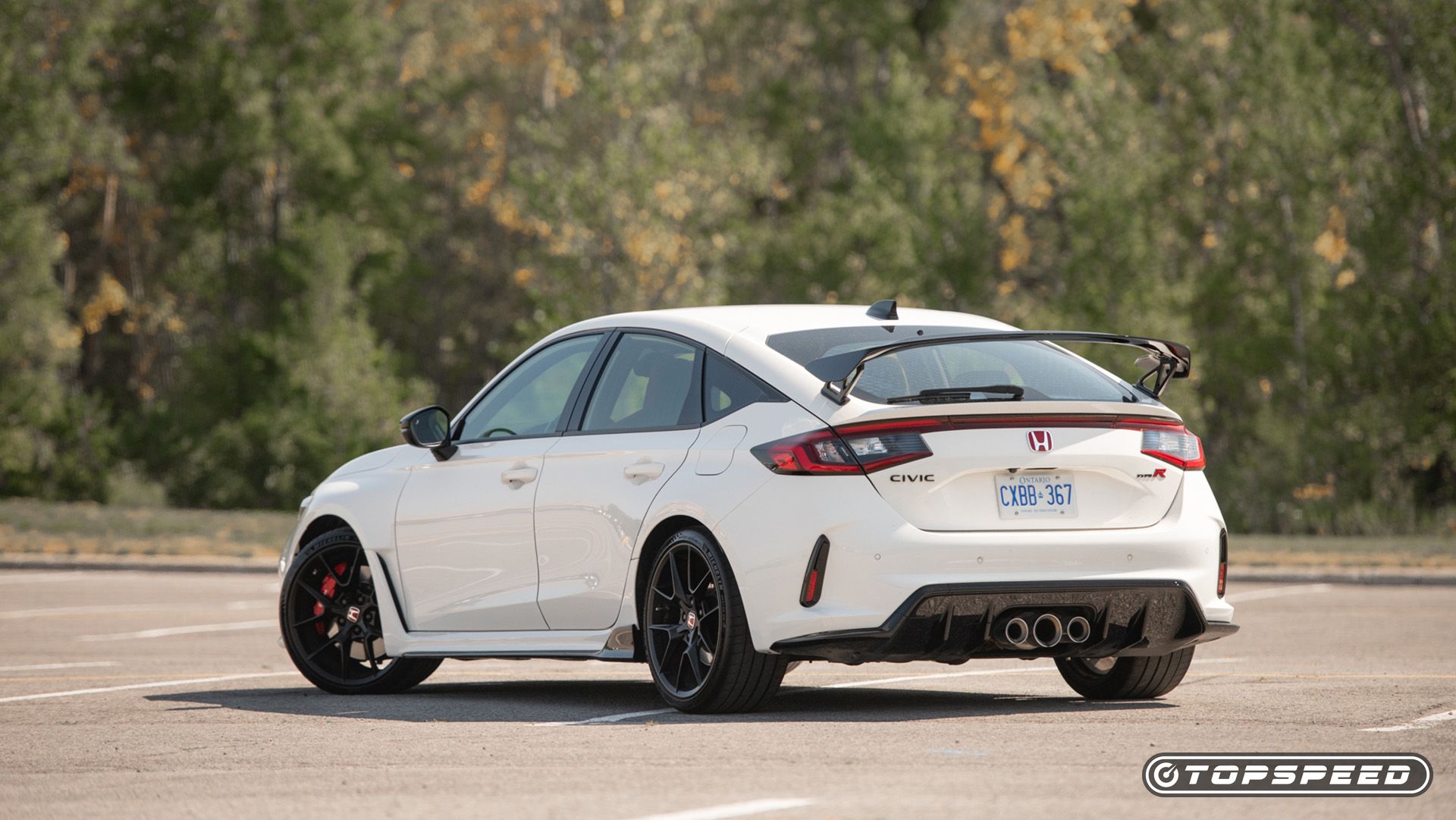
Honda engineered this car with a singular goal: to dominate as the ultimate front-wheel-drive performance machine. The result is a Nürburgring lap time of 7:44.881 around the full 20.8-kilometer circuit, a figure that places it firmly among far more exotic machinery. This isn’t just a fast hatchback— It’s a purpose-built track weapon.

The German Sports Car With Lexus-Level Reliability
Germany’s favorite sports car icon is built to last.
Why Its Lap Times Are Forcing Enthusiasts To Rethink What’s Fast

The numbers tell a story that’s difficult to ignore. The Honda Civic Type R’s Nürburgring lap time of 7:44.881 places it directly alongside the Porsche 911 Carrera S from the 991 generation, a car long regarded as a benchmark for real-world performance. Here, the Porsche managed a time of 7:57.46.
The Porsche Approaches Performance From A Completely Different Angle

It features a rear-engine layout, a naturally aspirated 3.8-liter flat-six engine producing close to 400 horsepower, and sends power to the rear wheels. This configuration has been refined over decades and is widely considered one of the most effective setups for balancing performance, traction, and driver engagement. And yet, the Honda beats it.

What makes this comparison so compelling is not just the similarity in lap times, but how each car achieves them. The Porsche relies on power, balance, and heritage. The Civic relies on precision, efficiency, and engineering ingenuity. Despite having different driven wheels and a fundamentally different layout, the Type R proves capable of extracting every ounce of performance from its package. This forces a rethink of traditional performance benchmarks. Speed is no longer dictated purely by drivetrain layout or engine configuration. Instead, it is defined by how effectively a car can translate its engineering into real-world performance.

How Formula 1 Tech Makes This Japanese Hot Hatchback A Track Monster
The Honda Civic Type R may seem like a Civic on steroids, but there’s a method behind its aerodynamic and engineering madness.
Turbocharged Precision, Nürburgring-Bred Dynamics, And A Chassis That Defies Physics

The Civic Type R‘s performance is not the result of brute force but of meticulous engineering. Its turbocharged engine delivers power in a smooth and predictable manner, allowing drivers to fully exploit its capabilities without overwhelming the front tires. The real magic, however, lies in the chassis. Honda employs a dual-axis front suspension setup that separates steering and suspension forces, dramatically reducing torque steer. This is complemented by a helical limited-slip differential that ensures power is distributed effectively across the front axle, maximizing traction on corner exit.
Setting the front end towards the apex is as simple as coming off the throttle. Reapply the throttle, and the Type R’s downright magic front differential hauls you out of the corner.
– Chase Bierenkoven for TopSpeed
Where traditional front-wheel-drive cars struggle with understeer, the Type R feels composed and responsive. Its chassis is tuned to rotate naturally into corners, allowing drivers to carry impressive speed through even the most demanding sections of a track.

In contrast, the Porsche 911 Carrera S relies on its rear-engine, rear-wheel-drive configuration to generate traction and balance. While this provides exceptional performance, it also demands a higher level of driver skill to manage weight transfer and rear-end dynamics at the limit.
The Civic Counters This With Confidence And Accessibility

Its stability, combined with high levels of mechanical grip and track-focused tires like the Michelin Pilot Sport Cup 2, allows it to maintain speed and composure across the Nürburgring’s challenging layout. The result is a car that feels almost immune to the traditional limitations of front-wheel drive.

12 Sedans That Can Outrun The Porsche 911 In A Straight Line
The quickest sedan on this list that can outrun a Porsche 911 does 0-60 in under 2 seconds.
The Sweet Spot Between Practicality, Price, And Performance That Supercars Can’t Touch

What truly sets the Civic Type R apart is not just its performance, but its versatility. This is still a fully functional family hatchback, capable of handling daily duties with ease. It offers the kind of practicality that most performance cars simply cannot match, from passenger space to cargo capacity. What’s more, the 2026 Civic Type R isn’t a high-priced German performance car; it starts at a price that even a used 911 from 10 years ago has a hard time challenging. It also has Honda’s legendary reliability and low maintenance, so buyers don’t have to fear driving it to its full potential.

At the same time, it delivers performance that places it in the same conversation as significantly more expensive sports cars. The Porsche 911 Carrera S occupies a premium segment, reflecting its engineering, brand heritage, and performance capabilities. The Civic Type R, by comparison, offers a far more accessible entry point into high-performance driving.

This creates a unique balance that few cars can achieve. It combines everyday usability with track-ready capability, allowing drivers to experience world-class performance without sacrificing practicality. In many ways, it represents the ideal middle ground. It offers the engagement of a manual transmission, the excitement of a finely tuned chassis, and the usability of a hatchback body style. Few cars manage to blend these elements so effectively.
Sources: Honda, FastLapTimes.com, Classic.com