
For decades, if you wanted a compact sports car that felt alive in your hands, there was one default answer: BMW. From the E30 to the E46, the brand’s small rear-wheel-drive coupes defined what an attainable driver’s car should feel like. Balanced chassis, communicative steering, smooth inline engines, and near-perfect weight distribution made them legends among enthusiasts.
But time changes everything. Modern BMWs have grown larger, more powerful, and far more complex. Turbocharged engines, adaptive dampers, electronic steering systems, and intricate cooling and emissions hardware have made today’s cars blisteringly quick, but also expensive to own once the warranty expires. Now the purity is diluted, and the simplicity is gone.
Enter Toyota. Built around the same old-school formula that made classic BMW coupes great, rear-wheel drive, a lightweight body, a naturally aspirated engine, and a manual gearbox, this coupe delivers the kind of driving experience enthusiasts crave. The difference? It does so with Toyota reliability and dramatically lower long-term maintenance costs. For purists who want the feel of a Bavarian benchmark without the Bavarian service invoice, this might be the smartest sports car on sale.
Why Past BMW Compact Coupes Became The Benchmark

To understand why Toyota knocked it out of the park, you have to appreciate what made cars like the older BMW 3 Series Coupe so special in the first place. The E30 generation of the 3 Series, produced from 1982 to 1994, established BMW’s identity as the maker of compact, rear-wheel-drive cars that felt purpose-built for drivers. It was small, light, and balanced. Steering feedback was immediate and honest, and the chassis rotated predictably at the limit.
The E36 And E46 Generations Refined That Recipe

By the late 1990s and early 2000s, BMW had perfected the compact sports coupe formula. Models like the 330Ci offered silky inline-six engines, close to 50:50 weight distribution, and suspension tuning that allowed everyday comfort without sacrificing cornering precision. Even base models felt cohesive and engaging in a way few competitors could match.

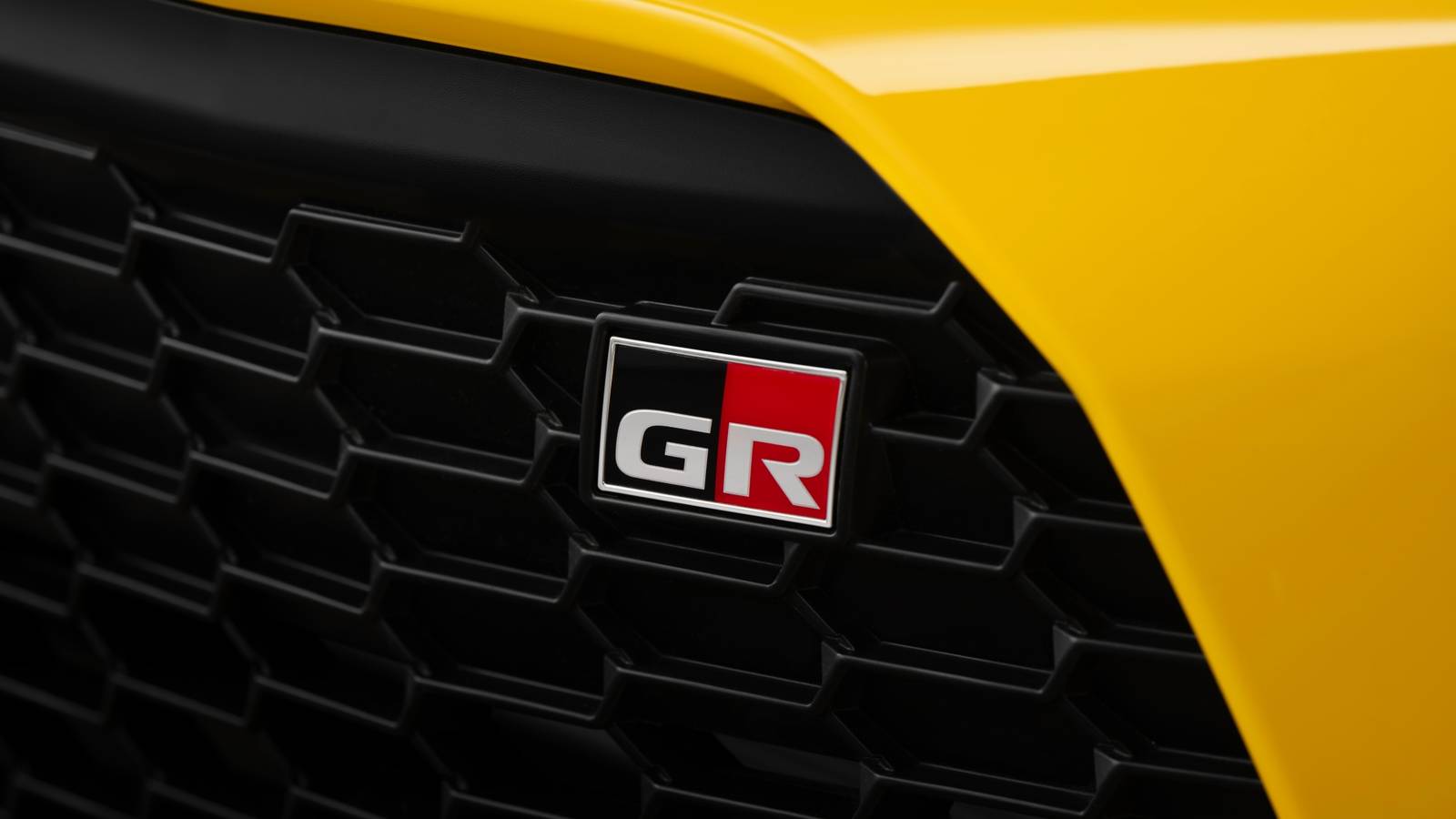
Critically, these cars weren’t just about numbers. They weren’t the most powerful or the lightest in their segments, but they felt engineered around balance. Throttle inputs adjusted your line mid-corner. Steering weight built naturally as grip increased. The rear end would step out progressively if provoked. That tactile feedback is what cemented BMW’s compact coupes as the gold standard, and it’s exactly the experience Toyota sought to replicate with the GR86.

10 Cost-Effective But Often Over-Looked Alternatives To The Mazda MX-5 Miata
The Mazda Miata is an iconic sports car that blends performance and affordability perfectly, but it’s not the only model that should be on your list.
The Thrill Of Rear-Wheel Drive – And The Long-Term Ownership Costs That Come With It

Rear-wheel drive remains the heart of any true driver’s car. By separating steering and power delivery, it creates a purity of control that front-wheel-drive cars struggle to replicate. Under acceleration, the weight transfers rearward, improving traction. In corners, drivers can adjust their line with throttle inputs, inducing mild oversteer or tightening the car’s trajectory. It’s dynamic, interactive, and addictive.

BMW built its reputation on mastering this layout. However, as the brand evolved, complexity followed. Modern BMW coupes now rely on turbocharged engines with intricate cooling systems, high-pressure fuel pumps, twin-scroll turbochargers, electronically controlled wastegates, adaptive suspensions, and advanced driver-assistance systems. While these technologies boost performance, they also introduce additional wear points.
Long-Term Ownership Costs Can Escalate Quickly

Carbon buildup on direct-injection engines, expensive electronic modules, adaptive suspension failures, and turbo-related repairs are not uncommon outside warranty coverage. Routine maintenance, including oil services, brake components, and cooling system upkeep, also tends to cost significantly more than mainstream brands. The driving experience may still be exceptional, but the financial commitment is steep, too. For enthusiasts who plan to keep their cars for years, these costs matter. The thrill of rear-wheel drive shouldn’t come with anxiety over four-figure repair bills. That’s where the GR86 enters the conversation with a compelling alternative.

These Are The First 10 Production Cars In History With Factory Turbochargers
We may love a good turbo today, but they had to start somewhere – here are the first 10 production cars to boast a turbocharged engine under the hood.
The 2026 Toyota GR86: A 228-Horsepower, Rear-Wheel-Drive Coupe That Nails The Formula

The 2026 Toyota GR86 stays true to a philosophy that feels refreshingly analog. Powered by a naturally aspirated 2.4-liter flat-four engine producing 228 horsepower and 184 pound-feet of torque, it sends power exclusively to the rear wheels through either a six-speed manual or a six-speed automatic transmission. There are no turbochargers, no artificial power delivery spikes, just linear, predictable acceleration.

Performance figures are impressive given the car’s modest output. With a curb weight just over 2,800 pounds, the GR86 can sprint from zero to 60 mph in around 6.1 seconds with the manual transmission. More importantly, the powerband feels usable. Torque peaks at a lower rpm than the previous generation, eliminating the infamous mid-range dip that plagued earlier versions.
We’ve hardly driven a car that’s easier to rev-match manually, with perfect pedal placement and crisp throttle response. Few cars keep you as wired in as the GR86, which is why you’ll want to whip it around lap after lap after lap, whether you’re new to track driving or a seasoned veteran.
– Joel Stocksdale, CarBuzz Journalist
A Balance That Is Hard To Find In 2026

Toyota’s Gazoo Racing division has fine-tuned suspension geometry, spring rates, and damping characteristics to enhance stability without sacrificing liveliness. The chassis feels rigid, turn-in is sharp, and body roll is controlled but communicative. In many ways, it channels the spirit of older BMW coupes, lightweight, balanced, and designed to reward driver input rather than overwhelm it with brute force.

Here’s Why The E46 BMW M3 Is A Driver’s Car For The Ages
With a redline at 8,000 rpm, a balanced chassis and an unmistakable exhaust note the E46 M3 is arguably the best M3 ever made.
Lightweight Balance, Naturally Aspirated Power, And A Chassis Tuned For Purists

Weight is the enemy of engagement, and the GR86 understands that better than most modern sports cars. With aluminum body panels and a low center of gravity thanks to the boxer engine layout, it maintains a near 53:47 front-to-rear weight distribution. That balance allows it to rotate confidently through corners without feeling unstable.

The naturally aspirated engine contributes significantly to the car’s character. Throttle response is immediate, free from turbo lag or artificially amplified torque curves. Drivers can modulate power precisely mid-corner, maintaining a smooth arc through bends.
Steering Remains A Standout Feature

Electric power assist is tuned for clarity rather than isolation. While modern BMWs often prioritize refinement and isolation, the GR86 embraces communication. Road textures, grip levels, and weight transfer are transmitted clearly through the wheel. The suspension setup strikes a delicate balance: firm enough for track days, compliant enough for daily use. It’s this purity that makes it feel reminiscent of BMW’s golden era.

The German Sports Car With Toyota Reliability And Ferrari-Level Handling
2010’s supercar performance, a Toyota-backed heart, yet untouchable in its German attention to detail.
How The GR86 Delivers Bavarian-Style Handling Without The Massive Maintenance Bills

Perhaps the most compelling aspect of the 2026 Toyota GR86 is what happens after you sign the paperwork. Toyota’s reputation for durability is well-earned, and the GR86 benefits from relatively simple engineering compared to modern German performance coupes. A naturally aspirated engine means zero forced-induction components to maintain. Conventional suspension components cost less to replace than adaptive or electronically controlled systems.

Routine service costs are typically lower than those of premium European brands. Parts availability is broad, and labor times are straightforward due to the car’s simpler mechanical layout. Brake components, oil services, and general upkeep align more closely with mainstream Toyota pricing than luxury performance figures.
Broader Long-Term Costs Also Stay Within Budget

Insurance premiums also tend to be more reasonable, thanks to the car’s modest power output and Toyota branding. Depreciation patterns historically favor Toyota reliability over German complexity once vehicles reach higher mileage. For drivers who plan to keep their coupe well beyond 100,000 miles, the financial equation tilts heavily in Toyota’s favor.

In essence, the GR86 captures the tactile brilliance that once defined BMW’s compact coupes, rear-wheel-drive balance, responsive steering, and a playful chassis, without saddling owners with luxury-brand maintenance exposure. It proves that you don’t need 400 horsepower, adaptive everything, or a premium badge to create a deeply satisfying sports car. Sometimes, all you need is the right layout, the right weight, and a company that values driving purity as much as reliability.