
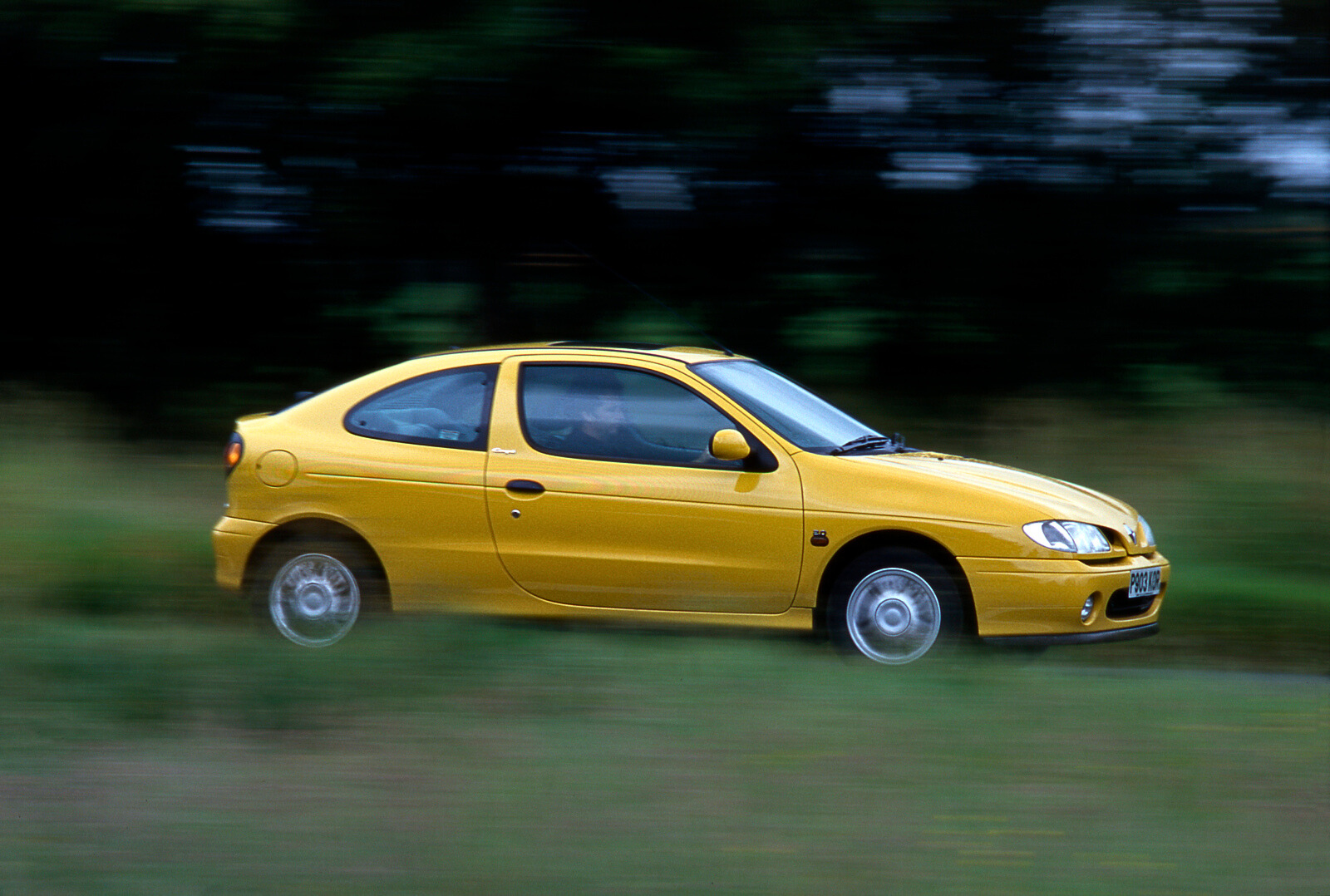
A not quite beautiful little car, the Megane Coupé was nevertheless pleasing enough on the eye, and the wallet, to sell in surprising numbers for a machine of compromised practicality.
The compromise was a boot as usable as the darker recesses of an understair cupboard, but, the two-door Megane cost little more than the five-door and for this you got a distinctive, well-kitted car that looked decidedly more glamorous. And being a derivative of one of Renault’s best-sellers, it didn’t cost any more to run or insure.
Such practicalities matter, and were a major reason why there were once so many of these coupes on the road in the early 2000s, many of them in yellow. In fact, one of them belonged to your reporter, an acquisition that garnered me a fair bit of stick from surprised colleagues.
My defence was this: I wanted the least uninteresting, nearly new car I could buy for my budget, a car with a warranty and a car that was unlikely to go wrong. At the time that ruled out almost everything apart from the hot new Ford Puma, which was too expensive.
And as a freshly starting freelancer I’d managed to suppress the cravings for something older and more exciting on the grounds that I needed to be sure of getting to point B from point A.
The surprise at my choice stemmed from the not-so-hidden truth about this Megane and the many affordable coupes that have come before it.
Which is that they’re all heavily based on ordinary family machinery for reasons of manufacturing cost – that’s what made them affordable – and that few delivered the dynamic excitement implied by their rakish looks, at least in standard form.
Still, the Megane was in good company with the Ford Mustang, Ford Capri, Vauxhall Calibra, Toyota Celica and heaps of others, the fine mannered, Fiesta-based Ford Puma a rare exception.
In the Renault’s case, then, you got croque monsieur mechanicals in a Patrick Le Quement wrap. Le Quement, in case you’re suddenly referencing French fashion designers, was Renault’s chief designer from 1987 to 2009.
He joined Renault on the condition that he reported directly to the boss, and that design would no longer be subservient to engineering.
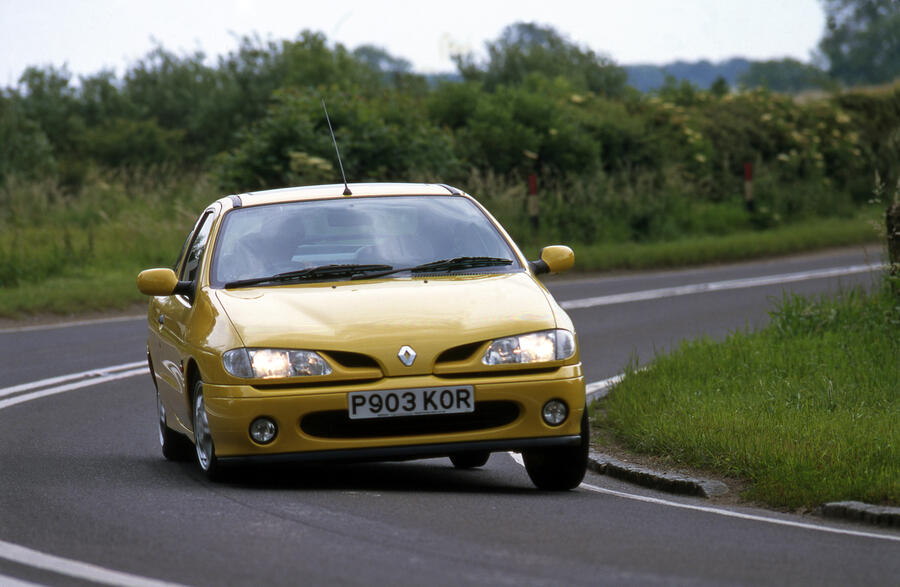
He got his way, which was how Renault switched from being the makers of some of Europe’s dullest cars – the 19, 21 and Safrane will be among those that you have forgotten – to some of its most intriguing.