
Mitsubishi Australia’s stance on this country’s increasingly stringent emissions regulations remains unchanged despite a change in leadership, with the Japanese brand continuing to back internal combustion alongside electrified vehicle options.
Former Mitsubishi Australia CEO Shaun Westcott was among several industry figures critical of the federal government’s New Vehicle Efficiency Standard (NVES), which was introduced in 2025.
Effectively a carbon trading scheme for the auto industry, the NVES applies penalties to brands that sell cars and light commercial vehicles which exceed certain tailpipe CO2 emissions figures – and credits to brands that sell vehicles which undercut them – with targets reducing annually through to 2029.
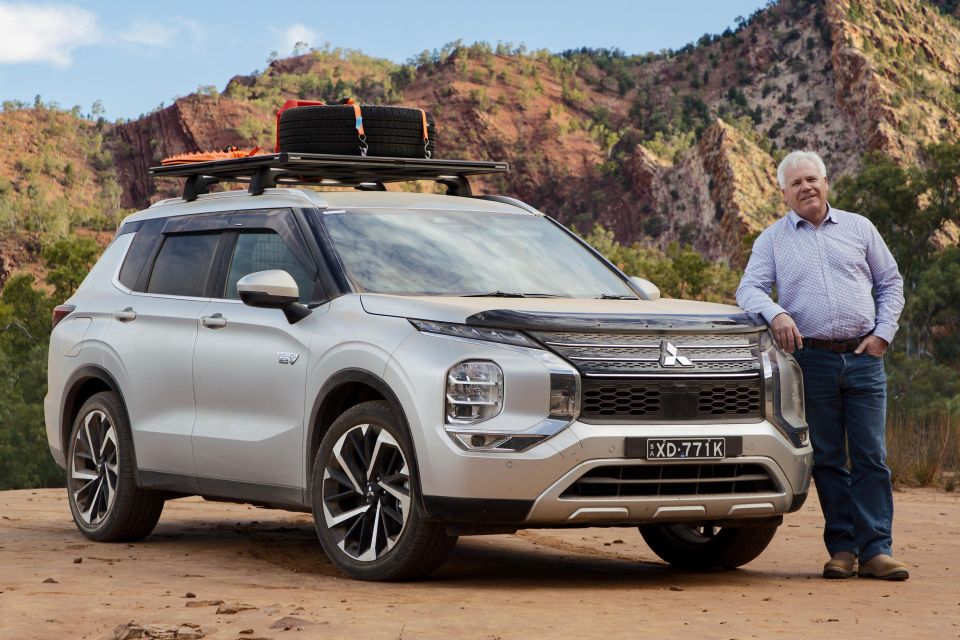
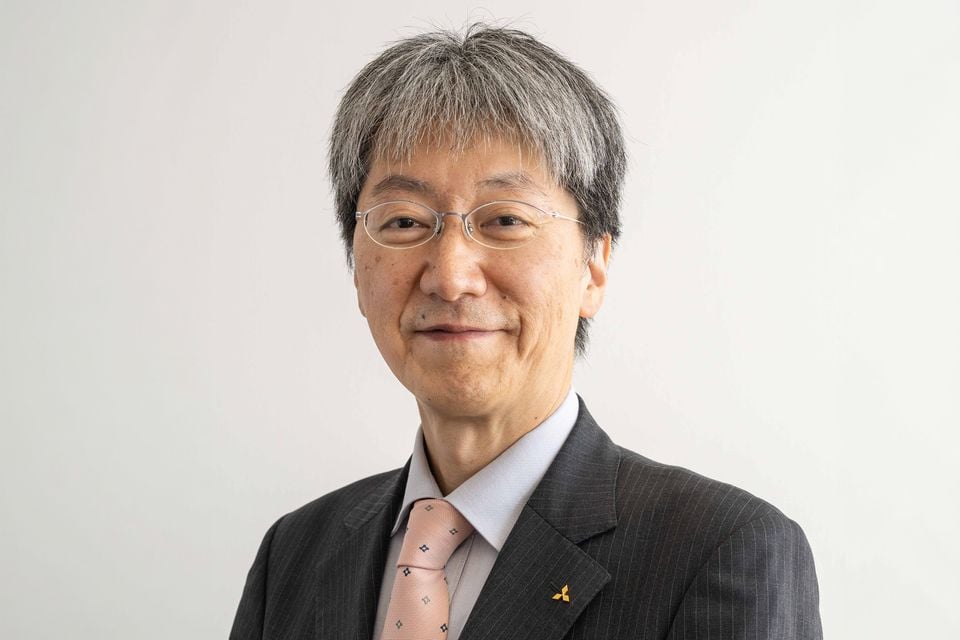
Mr Westcott (pictured below) stepped down after five years in the top role in September 2025, with Shunichi Kihara taking over as CEO from January 5, 2026.
CarExpert can save you thousands on a new car. Click here to get a great deal.
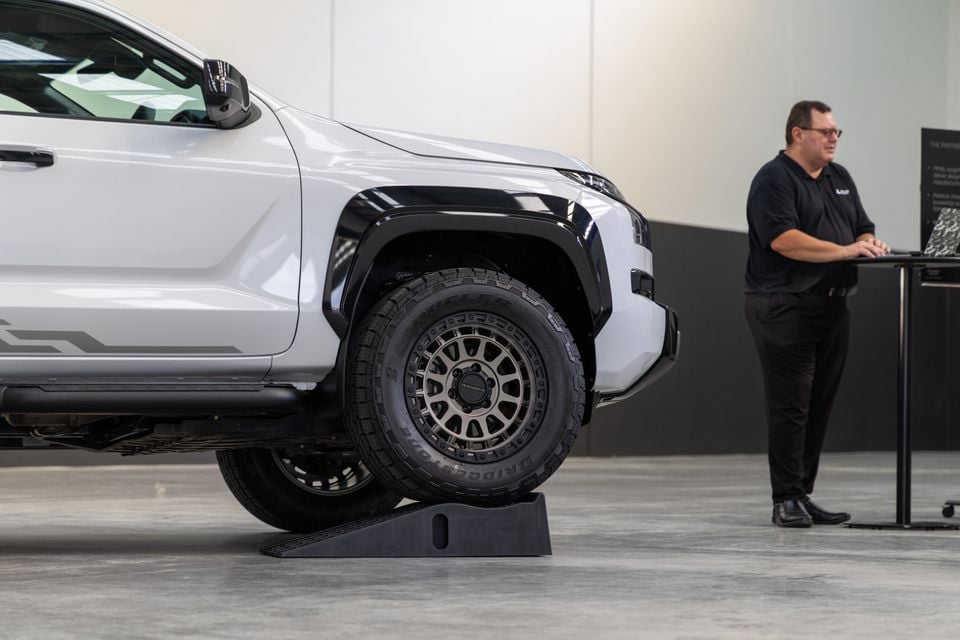
Speaking at the reveal of the Mitsubishi Triton Raider – a rival for the Ford Ranger Tremor and Nissan Navara PRO-4X Warrior – Mitsubishi Australia’s general manager of product strategy Bruce Hampel said the company’s position has not shifted under its new leadership.
“No, it hasn’t changed at this stage,” Mr Hampel said. “We’re trying to satisfy the Australian customer while also appeasing the government’s mandates.
“We strongly believe that we’ll need to support with a wide variety of powertrains from ICE [internal combustion engine], HEV [hybrid], PHEV [plug-in hybrid] and BEVs [battery-electric vehicles], so you’ll see more of us as we expand into EVs – we’ll have our first EV at the end of the year.”
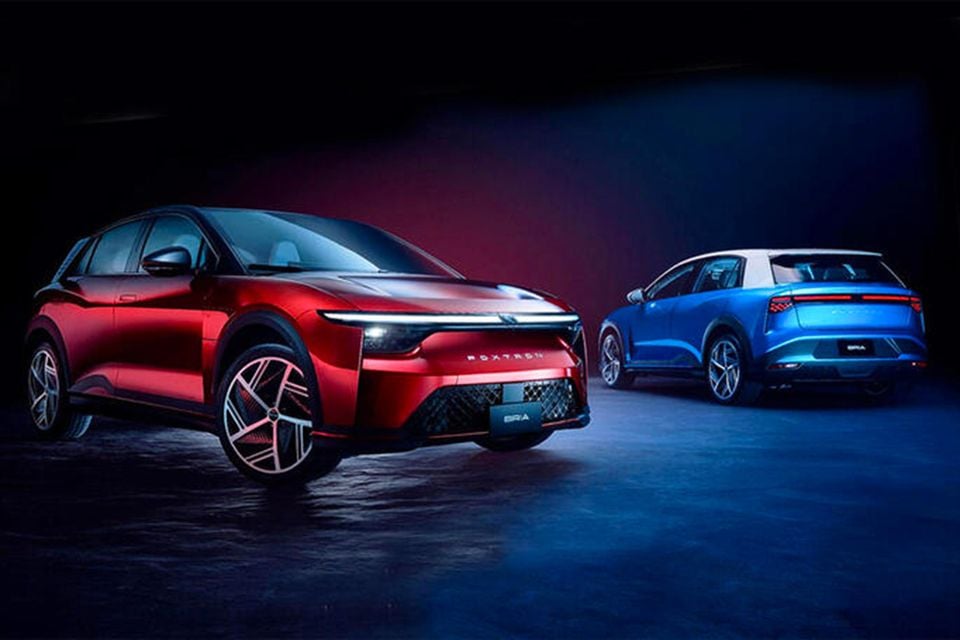
While Mitsubishi has confirmed it will launch a fully electric SUV in Australia, further details remain under wraps.
It’s expected to be based on the Foxtron Model B (Bria), which went on sale in Taiwan last December, after Foxtron parent company Foxconn signed a memorandum of understanding with Mitsubishi in early 2025.
The Japanese brand has also confirmed the Nissan Leaf electric hatch will be rebadged as a Mitsubishi for sale in North America in 2026, though this has not been confirmed for Australia.
Mitsubishi’s best-seller locally is the Outlander mid-size SUV, which was the third most popular PHEV in 2025 behind the BYD Shark 6 ute and BYD Sealion 6 medium SUV.
An updated Outlander arrived in March 2026 with a larger battery, more power, improved fuel efficiency and an extended electric driving range of up to 84km (WLTP).
Mitsubishi is also working on a hybrid version of its second-best seller, the Triton ute, which is scheduled for global showrooms in 2028.
While Mitsubishi Australia has said it supports a reduction in CO2 emissions, Mr Westcott previously proposed a longer 24-month grace period for penalties to be enforced, instead of the six-month period implemented in January 2025.
The former Mitsubishi boss also said the federal government had been unrealistic in suggesting the NVES would boost EV sales in Australia.
“I think there’s a degree of naivety that thinks that if you just penalise us as [manufacturers], all of us, that somehow that’s miraculously going to change the market,” Mr Westcott told media at the Mitsubishi Outlander launch in mid-2025.
“We need to understand the reasons that people aren’t buying EVs, and that includes, among other things – there’s a few things – but one of them is primarily infrastructure. Where do I charge this car?,” Mr Westcott said.
Mitsubishi Australia’s former CEO also pointed to the relatively slow uptake of EVs a result of the lack of investment in public charging infrastructure.
“There’s a practicality, there’s common sense, maybe, but just some practicality that’s missing in what’s happened with NVES. The ambition is right, but there’s a gap between ambition and reality.
“And I don’t see anybody that’s talking about how we’re going to fix those gaps that exist between ambition and reality. Just penalising us is not going to force people to buy cars.”