
Compact crossovers dominate today’s new-car market for a simple reason: they promise practicality, efficiency, and everyday usability. Vehicles like the Toyota RAV4 have become the default choice for millions of buyers, offering generous cargo space, strong reliability ratings, and sensible running costs. With a starting price hovering around $31,900, the 2026 RAV4 represents exactly what most shoppers expect from a modern family vehicle: dependable transportation that checks every logical box.
But logic rarely fuels automotive passion. While crossovers excel at comfort and versatility, they often sacrifice the kind of driving excitement enthusiasts crave. Their taller ride heights, softer suspension setups, and modest power outputs mean that even well-equipped models are engineered primarily for convenience rather than engagement behind the wheel. That’s why the used performance market can offer surprising alternatives. Instead of settling for a brand-new crossover, buyers willing to explore overlooked enthusiast models can unlock dramatically more power and sharper dynamics for similar money.
When Sensible Crossovers Became The Default Choice

In the last decade, the global automotive landscape shifted fundamentally. Buyers gravitated en masse toward crossovers and SUVs, attracted by elevated seating positions, generous cargo space, and the perception of utility. Models like the Toyota RAV4 have come to define the mainstream, combining reliability, efficiency, and practicality into a formula that sells by the millions. According to industry sales data, compact SUVs have accounted for roughly 35-40 percent of all new vehicle transactions in key markets, from North America to Europe.
This Transition Has Had Two Major Effects

First, traditional body styles like wagons and hatchbacks receded from showroom prominence, often overlooked by buyers chasing the next “tall car” trend. Second, performance-oriented variants, once a staple of enthusiast culture, found their niches increasingly narrow, as manufacturers prioritized volume-selling, fuel-efficient trims to meet emissions and safety regulations.

Yet while mainstream buyers clamored for crossover comfort, a countercurrent persisted, drivers who crave engagement, agility, and a visceral link between man and machine. For them, the notion of a “performance wagon”, a vehicle combining utility with genuine sporting intent, still holds irresistible appeal. And thanks to residual pricing in the used market, you no longer have to buy new to experience it. In fact, you can get significantly more performance for your money than many brand-new crossovers offer, especially if you know where to look.

The Toyota SUV That Sold More Than The 4Runner, Tundra, And Tacoma Combined
This awesome Toyota SUV is the king of the market and has outsold not only its competitors but also its other Toyota counterparts.
Why $31,900 Doesn’t Have To Mean Slow, Soft, And Soulless

Walk onto a new car lot with $31,900 and ask for the most engaging vehicle on offer, and you’ll likely be steered toward the “sport appearance package” on a compact crossover: cosmetic wheels, tinted glass, maybe a firmer tune to the suspension. But in many cases, those options don’t fundamentally improve performance. The drivetrain hardware, chassis dynamics, and overall engineering remain designed for comfort and efficiency, not driving excitement.

A new Toyota RAV4, for example, has a starting MSRP in the low-to-mid-$30,000s in the United States, with 2026 base models equipped with a 2.5-liter hybrid inline-four producing around 236 combined horsepower. It accelerates respectably for its class, 0-60 mph in roughly seven seconds, but it’s certainly not what most enthusiasts would call fast or engaging. The SUV’s strength lies in reliability and utility, not performance.
Savvy Thrill-Seekers Know What’s Up

When you shift your focus to slightly older, but thoughtfully engineered, vehicles, you find opportunities that marry practicality with genuine performance credentials. A keen buyer can spend the same money that buys a new crossover and instead acquire a performance wagon with a turbocharged engine, sport-tuned chassis, and all-weather traction.

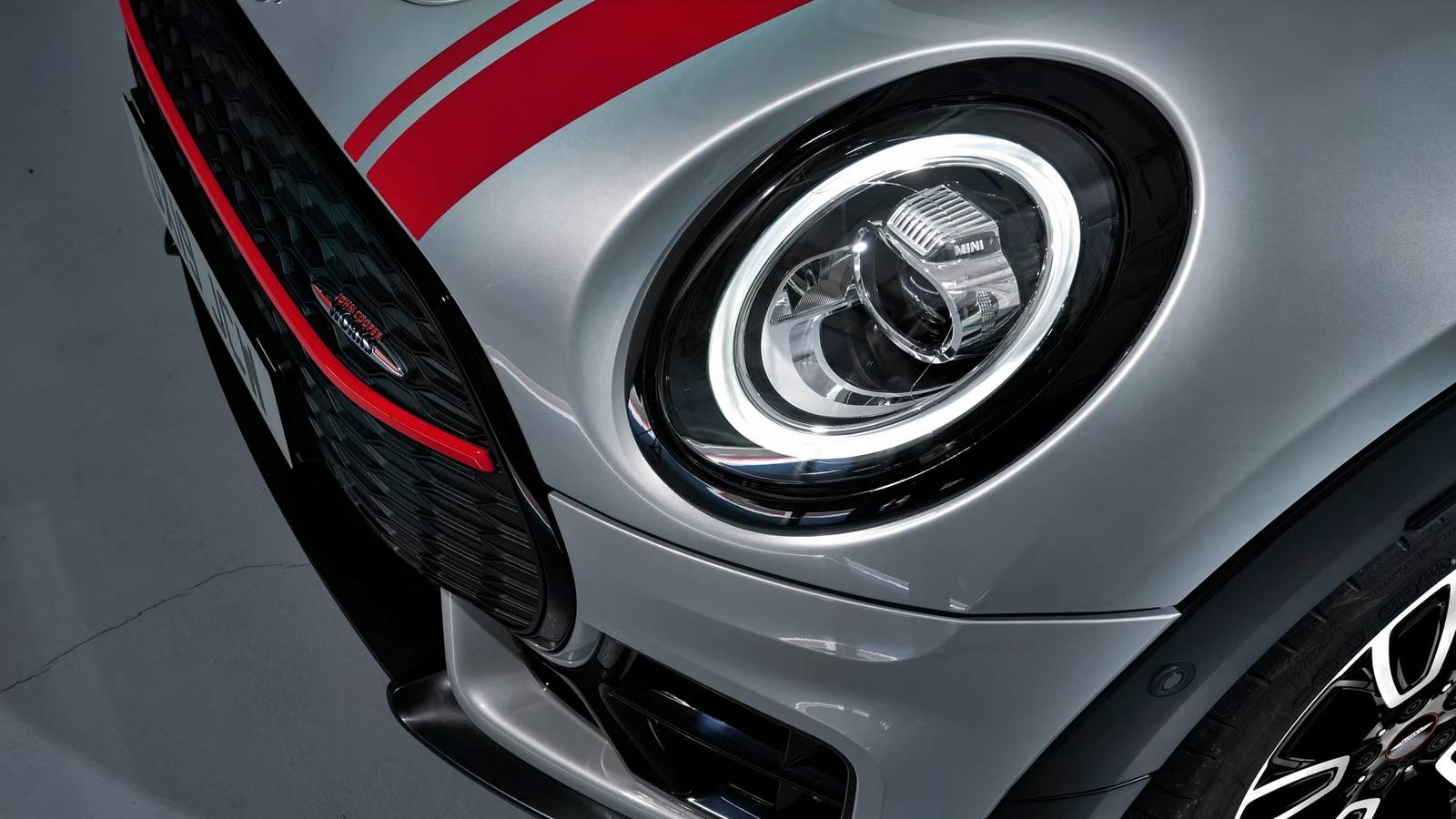
That’s where the 2022 Mini Clubman John Cooper Works comes in. Unlike many performance badges slapped onto crossovers, this model was designed from the outset as an enthusiast vehicle. And critically, the used market has softened its pricing to the point where it competes directly with new compact crossovers on a dollar-for-dollar basis.

Why This 5-Year-Old Compact SUV Is The Best Used Buy In 2025
With high reliability, good fuel economy, bags of versatility, and customer satisfaction, this used compact SUV is real value for money in 2025.
Meet The 2022 Mini Clubman JCW: 301 Horsepower For Less Than A New RAV4

The 2022 Mini Clubman John Cooper Works (JCW) occupies a unique place in today’s automotive ecosystem. It straddles categories: part hatchback, part wagon, all-out performance machine, and it does so with a character you rarely find in modern vehicles. When new, the Mini Clubman JCW carried a premium price tag, often landing well above $40,000–$45,000 depending on options and destination charges.

But in the current used market, particularly for well-maintained, low-mileage examples, asking prices have settled into the mid-$30,000 range and, in some cases, under $32,000. That places it squarely in the neighborhood of a brand-new Toyota RAV4, but with nearly 100 more horsepower and a much sportier chassis.
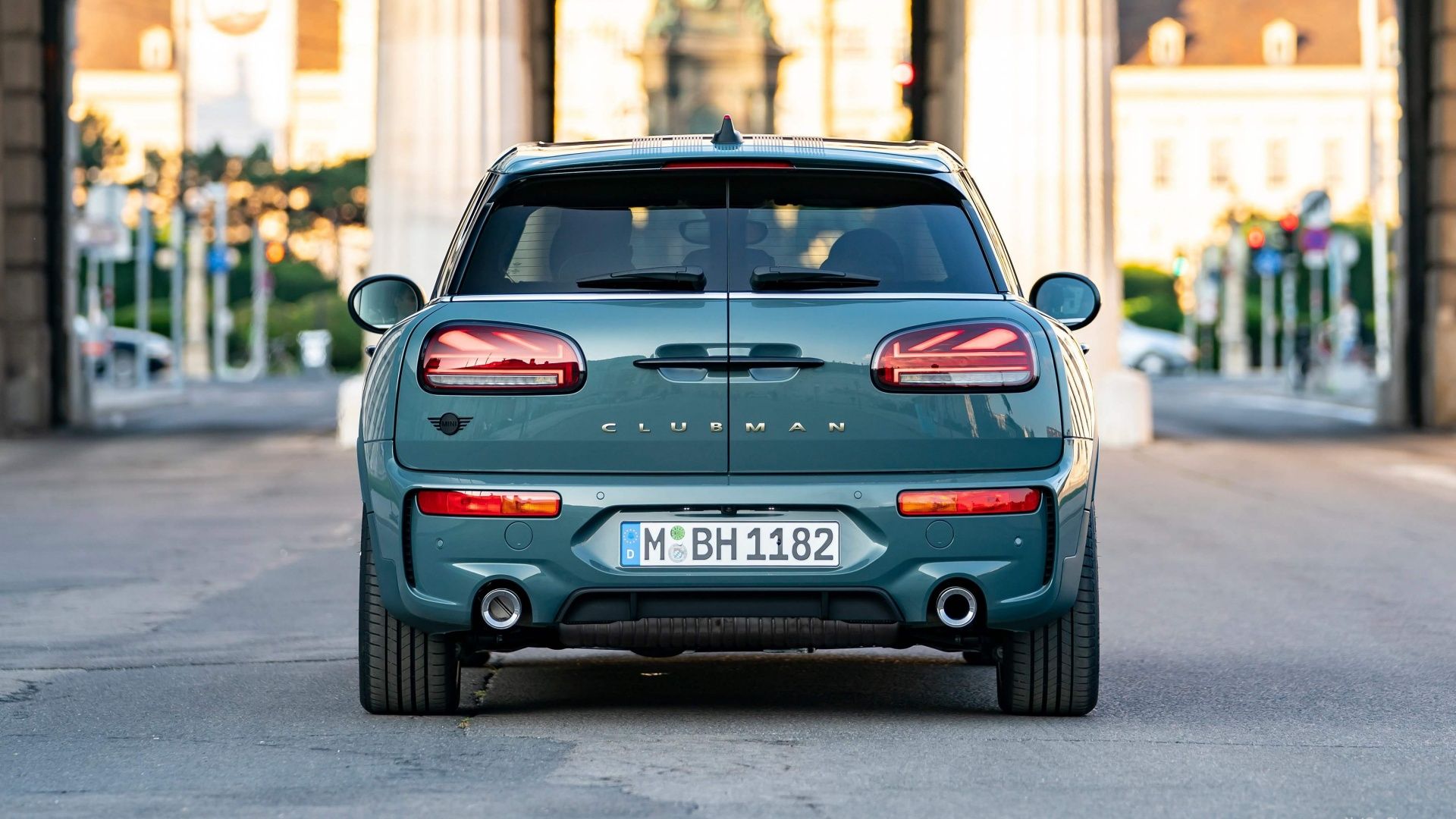
To put it in perspective: the Mini’s power output alone outstrips not only the RAV4’s naturally aspirated engine, but also most compact crossover offerings with “sport” badges or marketed as fun to drive. With 301 horsepower and AWD traction, the 2022 Clubman JCW is firmly in performance car territory, not just a warmed-over crossover.

Toyota’s Fastest-Growing Compact SUV Isn’t A RAV4
The Toyota Corolla Cross is outpacing the RAV4 with fast-growing sales, hybrid options, and everyday versatility in 2026.
All-Wheel Drive Grip, Turbocharged Urgency, And Genuine Hot Hatch DNA

What truly sets the 2022 Mini Clubman JCW apart isn’t just the numbers on a spec sheet; it’s how those numbers translate to real-world performance and driver engagement. First, the ALL4 all-wheel drive system provides confidence-inspiring traction in all conditions.

Unlike some performance wagons that are strictly front-drive, the AWD system distributes power intelligently to mitigate understeer and wheel slip. That means sharper launches, better stability in rain or light snow, and confidence-inspiring corner exits. In independent tests, the ALL4-equipped JCW has demonstrated excellent grip relative to its weight and size, often outperforming larger, heavier competitors in twisty road environments.

Second, the turbocharged 2.0-liter engine delivers its torque peak early in the rev range, from 1,750 rpm all the way to 4,500 rpm. This broad, usable torque band creates a strong mid-range punch, making passing on highways and powering out of corners effortless. The engine’s responsiveness, coupled with crisp throttle mapping, gives the sensation of continuous shove rather than a steep power curve that dies off at high revs.

Third, Mini’s engineering DNA shines through in the chassis tuning and suspension setup. The car rides on a sport-tuned suspension with adaptive dampers (on many trims), which strikes a compelling balance between everyday usability and dynamic precision. Steering feedback is communicative, with quick ratios and sharp turn-in that reward confident inputs. Unlike many modern vehicles that attempt to mask road feel, the Clubman JCW brings you closer to the pavement, a trait purists appreciate.
The brakes Are Equally Up To The Task

Ventilated front discs with robust calipers provide consistent stopping power and fade resistance under spirited driving. In independent brake tests, the 2022 JCW has shown stopping distances well within performance car norms, further reinforcing its sport sedan credentials.

The 10 Best Compact All-Wheel-Drive Cars, According to iSeeCars
Discover the compact cars that offer the perfect blend of agility, efficiency, and all-weather traction. The results may surprise you!
Why This Overlooked Performance Wagon Is A Smart Buy

So why has this performance wagon flown under the radar? In part, it’s timing and market preference. Buyers gravitated toward crossover SUVs like the RAV4 for perceived practicality, safety, and resale value. Meanwhile, the Mini Clubman, especially in JCW form, remained a niche choice, appealing primarily to enthusiasts willing to trade mainstream utility for character and engagement.

As a result, residual values softened faster than many expected. That’s great news for savvy buyers: you now have access to a performance-oriented vehicle that costs as much, or less, than a new compact SUV but delivers far more in terms of driving excitement.

From a cost-of-ownership perspective, the Clubman JCW isn’t prohibitively expensive. Routine maintenance items, oil changes, brake pads, and tires fall in line with other performance European cars of similar age and caliber. Parts availability has improved as the Clubman platform matured, and independent specialists offer competitive servicing rates compared to dealership pricing. Insurance costs can skew higher than a base crossover, but the overall package remains compelling for someone who prioritizes driving engagement without stratospheric ownership costs.

Resale value may not match that of a Toyota, but the RAV4 famously retains strong value, which is part of the equation that benefits the used buyer. You’re buying performance at a discount, absorbing the depreciation hit up front, and enjoying a vehicle that feels more alive.