
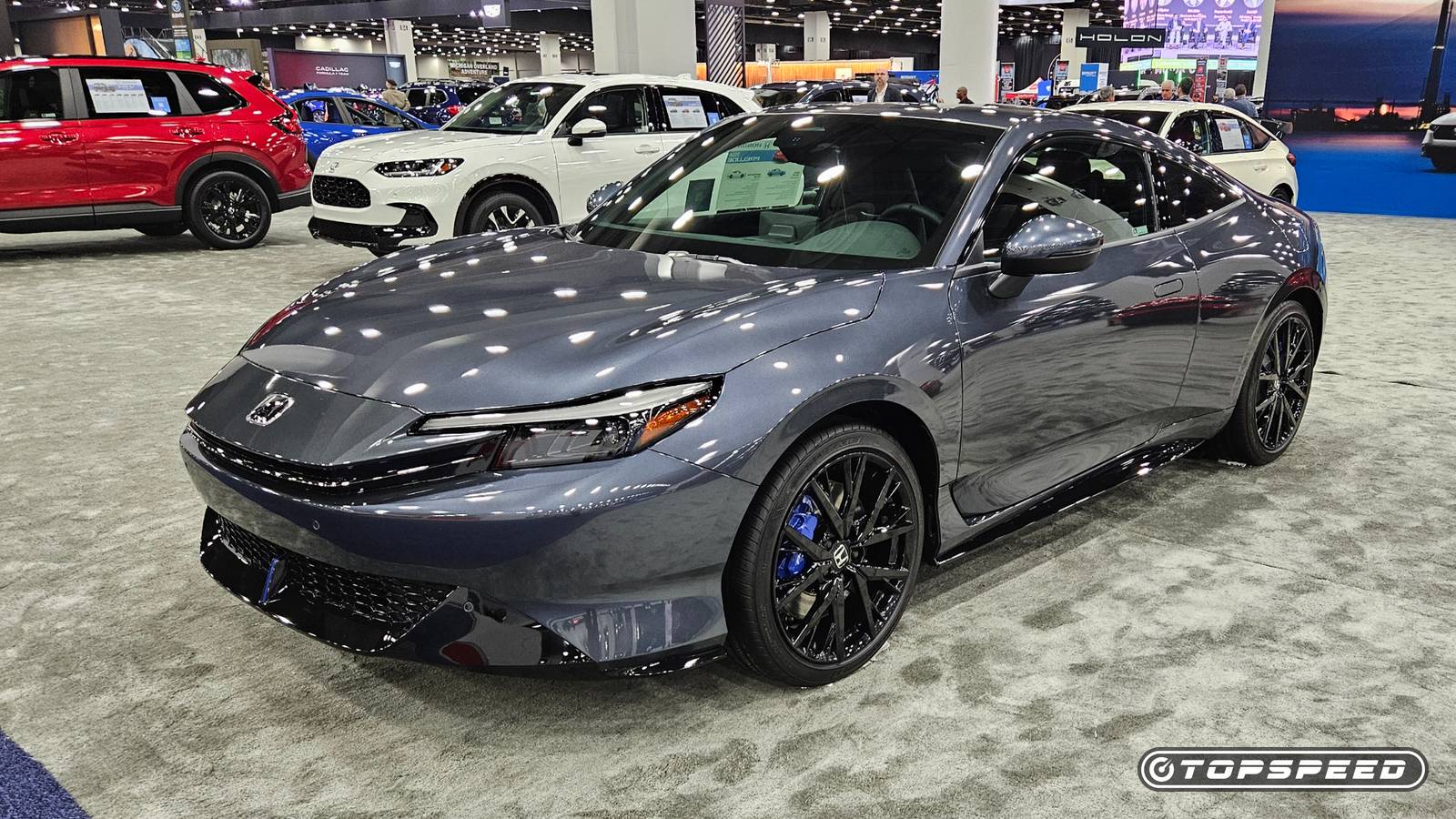
One of the key characteristics of a reliable engine is simplicity. The less there is going on mechanically or electronically, the less there is to break. It’s a simple concept, but one that does hold weight. One of the key factors in an industry-wide drop in reliability is the complexity of modern capabilities. You would think this applies to hybrid cars, that the introduction of a secondary power source alongside the internal combustion engine would instantly fit into this complex and unreliable category. And whilst there are past examples of this, hybrids have matured in such a way that they actually equate to more reliability than a standard gasoline engine in 2025.
According to Consumer Reports’ 2025 survey data, gasoline-powered vehicles reported 15 percent more issues than conventional hybrids, continuing a potential shift in the narrative about their long-term usability. To the surprise of some people, this isn’t new. Hybrids have ranked as the number one most reliable powertrain for some years now, and we will explore why that is and which companies are working hard to allow hybrids to maintain that title.
Studies Suggest Shocking Statistics On Powertrain Reliability

A J.D. Power 2025 study also backed up these findings on hybrids. With a score of (199 PP100), which means that over 100 cars, there were only an average of 199 issues reported — essentially two in every car, ranging from minor issues to larger ones. Gasoline scores minimally higher in reported issues with (200 PP100), which is the industry standard, whilst a score of 240 is considered below average reliability.

These statistics are flexible in their extent of how much more reliable they are than gasoline engines. But the picture is clear: hybrids are the new standard to beat for longevity and have minimal issues compared to gasoline and electric vehicles.
Plug-In Hybrids And EV’s Have Some Way To Go

Despite Tesla being the most improved automaker on Consumer Reports‘ list of reliability, EVs still trail enormously behind in being a problem-free solution to propulsion. And even more significantly for this topic, it’s critical to separate plug-in hybrids and hybrids. Both plug-ins and EVs have an extortionate 80 percent more problems than the average vehicle, and when you consider non-plug-in hybrids’ 15 percent more reliability, you have a day and night powertrain durability difference of nearly 100 percent. Reasons for the unfortunate PHEV dependability often include:
- A plug-in is essentially two powertrains, increasing complexity and problem-prone tech
- Plug-ins are a relatively new technology compared to hybrids, with less familiarity among repair shops
- Double power sources lead to more weight and more complex cooling
- An increase in software glitches

Ranking The Toyota Corolla Hybrid Models Years For Reliability
Toyota’s iconic reliability is seen throughout the Corolla Hybrid platform. Here are the best years and not-so-best years.
What Has Made Hybrids So Reliable?

In the minds of many, hybrids still feel like a new technology. Whether that is due to the lasting domination of internal combustion or the fact that we’re all losing a grasp on time. Hybrid was a bleeding-edge technology decades ago, but brands like Honda and Toyota properly started work on the concept in the late 80s and early 90s, with distinctly early innovation models released through the late 90s and early 00s. By the time the 2010s were rolling past, the kinks and questions were beginning to be worked out, and as the technology matured, so did the reliability.

An important point of reasoning is the reduced stress on one form of propulsion. In gasoline cars, the engine does all the heavy lifting. From harsh acceleration to uphill climbs, that powertrain is relied upon. In a hybrid, however, it feels like there is a sense of teamwork going on — both strengthen the outcomes of the other’s weakness. For example, the electric motor is dedicated more to handling initial torque, allowing the gasoline engine to wake up slowly, rather than being exposed to more extreme circumstances when cold. Then, when the engine is warm and the going gets tougher, the internal combustion engine will take most of the brunt.


Browse the CarBuzz Marketplace and find your new car today
Toyota, Honda And Lexus Are Doing The Heavy Lifting

Whilst these results are exciting for hybrid vehicle owners, it’s important to gain some perspective on why the statistics are so positive. Toyota, Lexus, and Honda all dominate new sales of hybrid cars, and regardless of their powertrain, these have always been some of the most well-known brands for long-term durability, consistently ranking high on reliability data lists. Not only that, but their dedication to hybrids for the past 30+ years has allowed them to yield seriously impressive results.

Thankfully, several other manufacturers make use of Honda and Toyota hybrid systems in their own unique ways. Mazda consistently ranks high in these consumer reports, and the 2025 Mazda CX-50 uses the same hybrid powertrain as the Toyota RAV4: a 2.5-liter four-cylinder engine and three-motor hybrid. Subaru, conversely, uses Toyota’s mature batteries and electric motors but pair it with their famous Boxer engines, which create their own reliable but unique spin on a hybrid. Ford is a huge dominating force on the global stage of car sales, and it shares a patent with Toyota. With vehicles like the Ford Escape and Ford Maverick hybrid variants, Ford’s hybrid system is nearly identical to Toyota’s. This widespread influence from Toyota and Honda has allowed for a more holistic wave of reliability among hybrids throughout the industry.

The 2026 Toyota RAV4 Is A Sign Of Great Things To Come
While other automakers charged forward with EVs, Toyota took a different approach and it’s about to pay off big – for you.
The Past, Present, And Future Of The Hybrid’s Reliability Innovations

Due to a serious commitment to hybrids through the 2000s, Toyota managed to mold the shape of how it would function in the current day. They were able to think of ways to remove the most prevalent failure points and create practical solutions. Whether that be from removing the starter motor, which allowed the battery and motor to smoothly start the engine, or removing the traditional alternator, which commonly failed, Toyota was serious about making hybrids a long-term solution. Such innovations have paved the way for impressive reliability results to be possible with a hybrid, and Toyota is so sure of this shift to now mature tech that they are beginning to remove gasoline-only variants of certain cars. These include the famously reliable Camry and Land Cruiser models, as well as the new RAV4.

Hybrids have proved something truly significant. It takes decades of hard work and commitment to a powertrain to make it truly prosperous, and manufacturers are realizing this. With plenty of hybrids being eco-friendly enough to be future-proof, they are beginning to see hybrids as a genuine solution, rather than a temporary transition period. And this is exciting for the consumer, as it allows fans of internal combustion and EVs to reap the rewards of what both gasoline and electric have to offer in a system that is completely ready for the world ahead. With performance hybrids becoming more common and companies giving their lineup of vehicles a larger selection of hybrid motors, the future seems bright for the technology.
The Verdict On Hybrid Reliability

After decades of determination from a handful of automakers, it was disheartening to hear the narrative of an electric-only near future in the landscape of brand-new car models. But as time has gone on, the industry has realized that hybrids are much more than a bridge into the future.

Innovations in electric car technology don’t just improve EVs; they directly improve hybrids too. Proving they still have plenty of life left to give, and act not only as an all-encompassing hub of immense future potential, but a way for gasoline fans to still enjoy something with an internal combustion engine. Not only have these reliability statistics surprised the industry in the past few years, but they have also made a case for themselves in being a truly dependable solution to our concerns about EVs.
Sources: JD Power, Consumer Reports, Toyota