
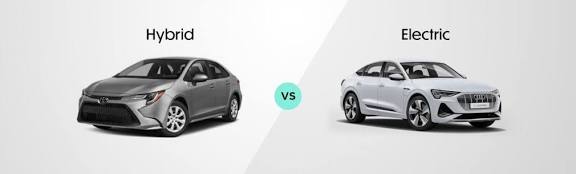
Gas prices swing wild these days. You pull up to the pump, wallet in hand, and wonder if there’s a smarter way to get around. Hybrid cars mix gas and electric power. Electric cars run on batteries alone. This piece breaks down which fits your daily drive best. We’ll look at costs, upkeep, and real-life use. By the end, you’ll know if hybrids or full electrics suit your routine.
Section 1: Understanding the Technology Under the Hood
Hybrid Electric Vehicles (HEVs and PHEVs): Bridging the Gap
Hybrids blend two worlds. HEVs charge their batteries from the gas engine and brakes. You don’t plug them in. They save fuel on short trips. PHEVs take it further. Plug them into a wall outlet for extra electric miles. In the city, you might drive 20 to 50 miles on battery before the engine starts.
Regenerative braking recaptures energy. When you slow down, the motor turns into a generator. It feeds power back to the battery. This cuts wear on brakes.
Pros shine bright. No worry about running out of juice mid-trip. They cost less upfront than pure electrics. You save on gas compared to old-school cars. But they still burn fuel. That means some pollution. Plus, two engines mean more parts to fix.
Battery Electric Vehicles (BEVs): The All-Electric Future
Electric cars ditch gas entirely. A big battery powers the wheels. Size matters here. A 60 kWh pack might give you 250 miles on a charge. Bigger ones push past 300. Electric motors deliver power right away. You feel a quick zip from a stop.
No engine noise. Just a quiet hum. Driving feels smooth, like gliding on ice.
The upsides? Clean air from your tailpipe. Electricity costs less per mile than gas. Fewer parts mean less hassle. Drawbacks hit hard. They start pricier. You need spots to charge. Batteries lose some oomph over years, though warranties cover most.
Section 2: The Real Cost of Ownership: Purchase Price to Powering Up
Initial Purchase Price and Incentives
Price tags vary by model. Take the Toyota RAV4 Hybrid. It starts around $28,000. The electric version, like the bZ4X, hits $42,000. But rebates change the game. The federal tax credit offers up to $7,500 for BEVs. PHEVs qualify too, often $4,000 or more. States add their own perks. California gives extra cash for clean rides.
Check your fit fast. Go to the IRS site or FuelEconomy.gov. Enter your zip code and model. See what you save. These deals make electrics closer in cost to hybrids.
Over five years, that credit pays off quick.
Fueling vs. Charging: Operational Expenditure Analysis
Think about your drive. Say you go 30 miles a day. That’s 11,000 miles a year. Gas at $3.50 a gallon costs about $0.15 per mile in a hybrid. You might get 40 miles per gallon. Total yearly spend? Around $1,650.
For electrics, home charging rules. Electricity runs $0.13 per kWh on average. A Tesla Model 3 uses 0.26 kWh per mile. So, $0.03 per mile. Yearly cost drops to $350. Even public chargers at $0.40 per kWh keep it under $1,000.
Hybrids save over plain gas cars. But electrics win on daily pennies.
- Hybrid example: Prius at 50 mpg uses less gas but still needs fill-ups.
- EV example: Nissan Leaf sips 0.30 kWh per mile, keeping bills low.
Maintenance Requirements and Longevity
Electric cars skip oil changes. No engine to tune. Brakes last longer thanks to regen. You might spend $500 a year on upkeep. Hybrids need engine care plus battery checks. That bumps costs to $800 or so.
Batteries last. Most warranties cover 8 years or 100,000 miles. Replacement? Rare and pricey at $5,000 to $15,000. But hybrids share that battery worry, mixed with gas parts.
In short, electrics edge out on long-term fixes.
Section 3: Daily Driving Practicality: Range, Refueling, and Road Trips
Commuting Range Reality: Enough for the 9-to-5
Most folks drive 30 miles a day. That’s the average commute. Hybrids handle it easy. No battery limits. PHEVs might finish on electric alone if you charge nightly.
Electrics pack plenty. A Chevy Bolt offers 259 miles. Charge once a week for work. Cold weather cuts range 20%. But home base keeps you covered.
Track your miles. Check your odometer weekly. Multiply by 5 for yearly. If under 12,000, electrics fit fine.
Infrastructure and Refueling Time: The Convenience Factor
Hybrids refuel in five minutes. Pull in, pump, go. Electrics need planning. Home Level 2 chargers add 25 miles per hour. Overnight tops you off.
Public fast chargers? 20 to 40 minutes for 80%. But stations grow. Apps like PlugShare show spots near you.
Rely on public? It works but adds wait time. Home setup? Pure ease, like filling your coffee pot.
Handling Long-Distance Travel
Road trips favor hybrids. Gas stations dot every highway. No stops for plugs. You cruise 400 miles without stress.
Electrics demand apps. Plug in routes with ChargePoint or ABRP. They map chargers ahead. Cold snaps shrink range. Heat too. Plan extra time.
But networks expand. Tesla Superchargers speed things up. Hybrids still rule for spontaneity.
Section 4: Environmental Impact and Driving Experience
Carbon Footprint Comparison
Electrics shine green. Zero exhaust from the car. But power plants make electricity. Coal-heavy grids add upstream smoke. Still, full cycle beats gas. BEVs cut emissions 50% over hybrids, per EPA.
Hybrids trim gas use. Less tailpipe output than pure gas. But they always burn some fuel. In sunny states with clean grids, electrics pull ahead big.
Your local power source matters.
Performance and Driving Dynamics
Electrics accelerate fast. Instant torque means 0-60 in under 6 seconds for many. Quiet cabin lets you think.
Hybrids switch modes. You hear the engine hum on. Regen feels like gentle engine braking. Smooth, but not silent.
Both offer fun. Electrics feel futuristic. Hybrids practical.
Section 5: Making the Final Decision: Who Should Buy Which?
The Ideal Hybrid/PHEV Owner Profile
Pick a hybrid if you rent. No garage? No charging worry. Long, random trips suit them. You want savings without big upfront cash.
They fit busy lives. Quick gas stops keep you moving.
The Ideal EV Owner Profile
Own a home with a driveway? Perfect for overnight plugs. Steady commutes under 50 miles? Electrics save cash and planet.
You value quiet rides and low bills.
Before you buy, check this list:
- Do you have parking with power?
- What’s your yearly miles?
- Can you charge at work or home?
- Budget for the price tag?
Conclusion: Choosing the Right Electrified Path
Hybrids give flexibility. No range fears. Quick refuels. Electrics save money long-term. They cut emissions most.
Your choice hinges on life. Commute short? Home charge easy? Go electric. Lots of travel? Stick hybrid.
As chargers spread, electrics gain ground. Test drive both. Find your match today.