
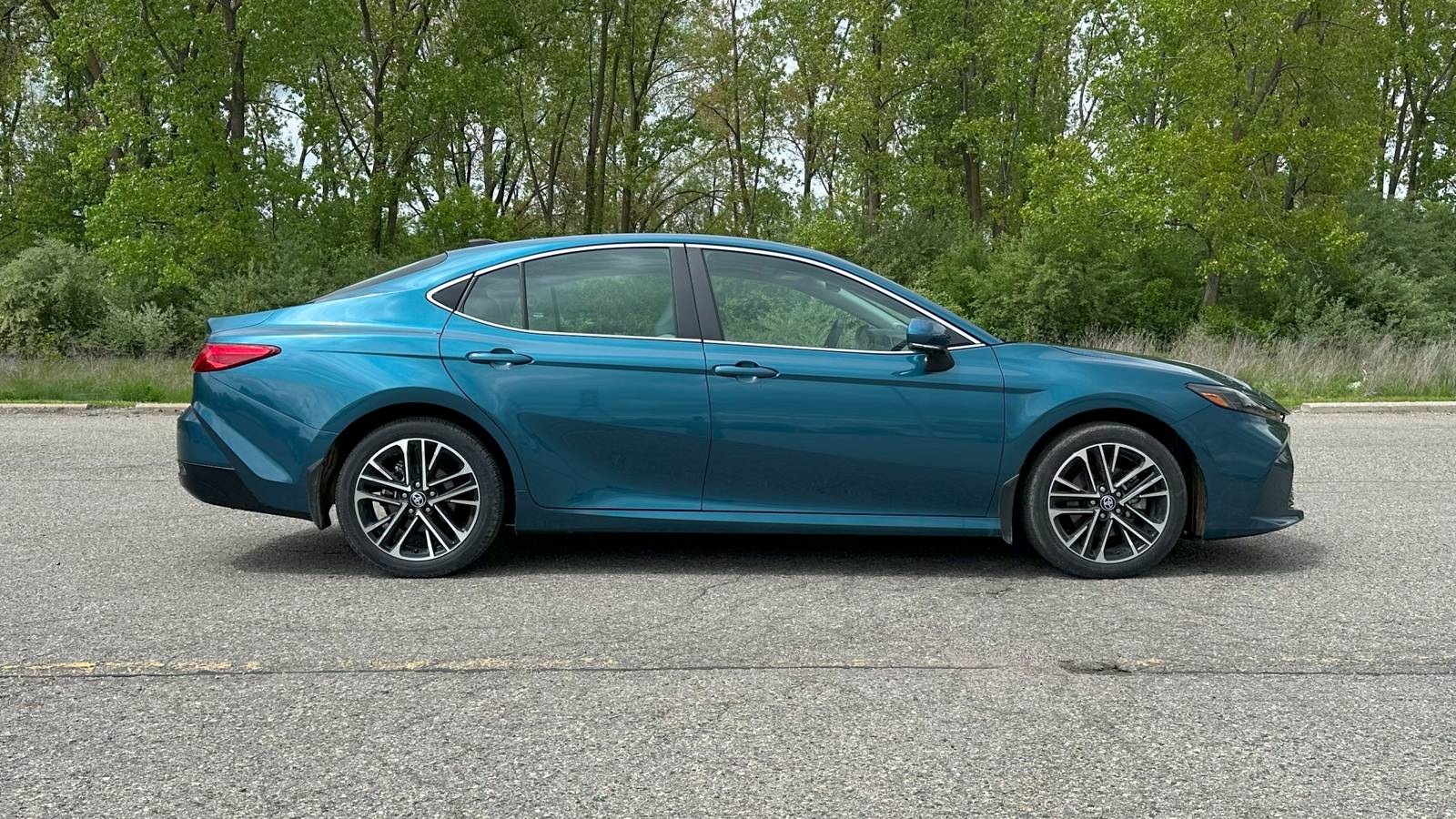
In today’s unpredictable used-car market, the Toyota Camry remains one of the safest, smartest, and most consistent bets you can make, but that doesn’t mean every example is created equal. With strong demand for reliable, fuel-efficient sedans, even older Camrys are commanding inflated prices, and that makes it more important than ever to know exactly what you’re looking at before you buy. A well-maintained Camry can deliver another decade of effortless commuting, low running costs, and rock-solid durability. A neglected one, on the other hand, can quietly hide problems that only show up after you’ve signed the paperwork.
Spotting a high-quality used Camry requires more than a quick walkaround or a glance at mileage. It means understanding how Toyota owners typically maintain their cars, which mechanical components last longest, and the tell-tale signs that reveal whether the previous owner cared or cut corners. From service history and drivetrain longevity to interior wear patterns and pricing trends, the difference between a good Camry and a great one often lies in the fine details, which this guide will help you identify with confidence.
The Tell-Tale Signs Of A Well-Maintained Camry

A high-quality used Camry rarely arrives at a dealer or private sale by accident; its condition is the product of routine attention and sensible ownership. Start with the obvious: under the hood should be clean but not cosmetically over-scrubbed, a light layer of dust and a few road grime patches are normal, while pools of oil, dark wet residue around gaskets, or a smell of fuel point to leaks or tuning problems. Check belts and hoses for cracking or oil saturation, inspect the coolant for clarity and correct level, and look at the engine-mount areas for signs of recent replacement or sloppy repairs.

Underbody and wheelwell condition tells a lot about how the car lived: even wear on splash shields, and minimal underbody rust (depending on your region) usually indicate a life of regular washes and care rather than neglect. Tires of the same brand and even tread pattern suggest the owner rotated and balanced the set regularly; mismatched tires or severe uneven wear often flag suspension, alignment, or forgotten service issues.
Not All Issues Are Visible; Some Need To be Felt

Beyond physical cleanliness, listen and feel the way the car operates during a short test loop. A properly maintained Camry feels composed: steering should be centered and predictable, brakes responsive without grinding or pulsing, and acceleration smooth without hesitation. Pay attention to startup sounds, a crisp, quick crank and steady idle are good signs; excessive cranking, rough idling, or ticking noises warrant closer inspection.

Also check serviceable items that owners sometimes overlook: recent brake-pad thickness and rotor condition, a VIN-matched spare and tool kit, and whether small maintenance items (air filter, cabin filter, windshield wipers) are new or recently changed. These details don’t make the headline list, but they separate a thoughtfully maintained Camry from one that’s been run into the ground and cosmetically tidied for sale.

The Pre-Owned Japanese Hybrid That Still Feels New
This family-friendly four-door sips fuel and comes with plenty of great standard features.
Why Service Records And Ownership History Matter More Than Mileage

Mileage is a headline stat, but service history is the real story. Two Toyota Camrys with identical odometer readings can have wildly different futures depending on oil change frequency, timing belt/service-interval adherence (where applicable), and how promptly worn items were replaced. A stack of stamped dealer records or digital receipts showing regular oil and filter changes, scheduled inspections, and replaced wear items (brake pads, tires, battery) dramatically reduces risk.

When records show consistent intervals and work by reputable shops, you’re buying predictability, parts replaced on time, fluids flushed, and software updates applied. Conversely, a clean-looking Camry with sparse paperwork increases the chance of missed maintenance and hidden problems; gaps often correlate with slipshod repairs or deferred spending that shows up later in the ownership cycle.
Be Aware Of The Vehicle’s Timeline

Ownership history fills in the behavioral context. Multiple short-term owners can indicate trouble, persistent mechanical issues, an owner who bought and flipped quickly, or accident history hiding in plain sight. A long-term owner who traded only because of life changes or an upgrade is a better bet; they are more likely to have invested in preventive maintenance.

Always run a vehicle history report to corroborate what the seller says and to check for title branding, accident records, and odometer discrepancies. Cross-reference reported accidents with the service book: major repairs that are documented and performed by certified shops are preferable to undisclosed body work. Finally, if the Camry has unusually low miles for its age, dig deeper; low-use vehicles can suffer from dried seals, stale fuel issues, and battery degradation that often go unnoticed until after purchase.

What Makes A Car Timeless? Lessons From The Best-Selling Toyota Camry Generations
The Toyota Camry is one of Toyota’s most successful models, and they have a lot of lessons to teach others on how to make a car a timeless one.
Engines And Transmissions That Stand The Test Of Time

Toyota’s Camry has a deserved reputation for mechanical solidity, but durability is as much about use and maintenance as it is about engineering. The naturally aspirated 2.5-liter four-cylinder that powers many modern Camrys is fundamentally robust when treated properly. Look for steady oil pressure, no blue exhaust smoke on warm-up, and consistent power across the rev range. For V6-equipped examples, listen for smooth, even power delivery and watch for any hesitation under load; V6 models deliver stronger acceleration but historically have similar longevity to the inline-four when serviced.

Pay special attention to oil-change intervals and the type of oil used. Synthetic service at the recommended intervals will dramatically cut long-term wear and oil-consumption issues. Hybrid drivetrains add complexity but not necessarily risk: hybrid systems in Camrys have proven durable, but you should verify high-voltage battery performance by noting fuel-economy numbers on a mixed route and ensuring the hybrid system engages and recovers energy smoothly.
Transmission Health Is Always An Important Note

Transmissions are a common buyer concern because symptoms can be subtle until they become expensive. In a used Camry, shifts should be crisp and well-timed: no flaring RPMs, delayed engagement from a stop, or harsh jolts during up or downshifts. Torque-converter shudder, slipping during acceleration, or a transmission that hunts between gears are red flags. Manual transmission examples (less common) should have a positive clutch bite point, and no grinding when shifting gears; a worn clutch or badly adjusted linkage is cheaper to fix than a failed automatic, but either warrants negotiation. If possible, drive in a variety of conditions, highway cruising, city stop-and-go, and a hill, to observe behavior under load. A pre-purchase inspection with a technician who can scan for transmission fault codes and pressure-test the gearbox is worth the expense; it converts unknowns into a priceable risk or a pass.

What Toyota Camry Hybrid’s Battery Replacement Costs In 2025
Replacing a Toyota Camry Hybrid battery isn’t the most common maintenance task, but if you own one, here’s how much it could cost if it comes to it.
Interior Wear, Tech Features, And Build Quality Clues Only Experts Notice

Interior condition is both a comfort and a quality indicator. Obvious tears, crushed bolsters, and sun-faded dash plastics tell you how the car was treated, but meticulous buyers, and experts, look for subtler cues: consistent wear between driver footwell and pedals (an overly worn left knee bolster or frayed seat seam suggests heavy use), sticky switchgear that feels tacky from spilled drinks, and sagging headliner which often points to chronic moisture or sun damage.

Smells are informative: a musty odor hints at water intrusion or older HVAC issues, while a heavy air-freshener masking a smoke smell often accompanies interior soot or nicotine stains that lead to tougher reconditioning. Test every switch, retractor, and feature: powered-seat motors, sunroof operation, mirror heaters, and trunk latches. For Camrys with infotainment suites, confirm Bluetooth pairing, voice recognition accuracy, and backup camera clarity; repair of infotainment modules or replacement screens can be costly and get pricier on higher-trim examples.
A Thorough Inspection Of The Cabin Helps Ensure Quality

Fit-and-finish can reveal whether the car has been through a body shop or suffered shoddy repairs. Panel gaps should be uniform; mismatched paint shades, overspray on rubber seals, or new fasteners in the glovebox often point to prior collision repairs. Check the underside of trim pieces for tool marks or non-factory clips. Test the HVAC across modes and speeds: a healthy system will warm/cool quickly and maintain cabin temperature without odd noises or rattles. For hybrid Camrys, pay attention to the instrument cluster’s hybrid readouts for smooth transitions between charge/discharge states and verify that energy meters and economy displays behave logically during your drive. These small, expert-level checks separate a car that feels merely clean from one that has been cared for correctly.

The Most Dependable Toyota Hybrid From The Last Decade
This electrified four-door just about does it all and refuses to break down.
Pricing Trends And Model-Year Sweet Spots For A Smart Camry Purchase

Smart Camry buying is as much about timing and trim as it is about condition. The Camry’s generational cycles create predictable value pockets: later redesigns typically command a premium for updated safety and chassis refinement, while early-model examples from a generation can be sharply discounted as early adopters trade up. In practical terms, look for the first few model years after a redesign if you want the fresh styling and improved tech but are willing to pay a premium; two-to-four years after a redesign often hits the sweet spot where depreciation has softened the price, but the car still carries modern features and warranty time left.

Conversely, late-cycle models can offer reliable mechanicals at lower prices if you accept older infotainment and fewer driver-assist niceties. Trim matters: mid-level trims often deliver the best combination of long-term value, with improved materials and safety tech without the price markup of top-tier luxury packages that lose more value in absolute dollars.
Market Trends Can Also Influence A Good Deal

Watch broader market trends that affect used pricing: fuel prices, interest rates, and new-car incentives all push Camry values up or down. In periods when new-car lease deals are generous, used values can be softer; when supply-chain issues tighten new-car inventories, clean used Camrys, particularly well-documented examples, command a premium. Region also shapes value: rust-prone climates make low-corrosion examples from drier regions attractive and worthwhile investments.

Finally, consider the total cost of ownership, not just the purchase price: fuel economy (including hybrid premiums), likely maintenance over the next five years, and insurance rates for higher trims or sporty variants should be factored into your valuation. A thorough comparison of asking prices for comparable mileage, trim, and documentation will reveal which listings are realistic and which leave room for negotiation, and remember, nothing substitutes for a clean inspection and transparent ownership paper trail when you’re ready to close the deal.
Sources: Toyota U.S, J.D. Power, RepairPal