
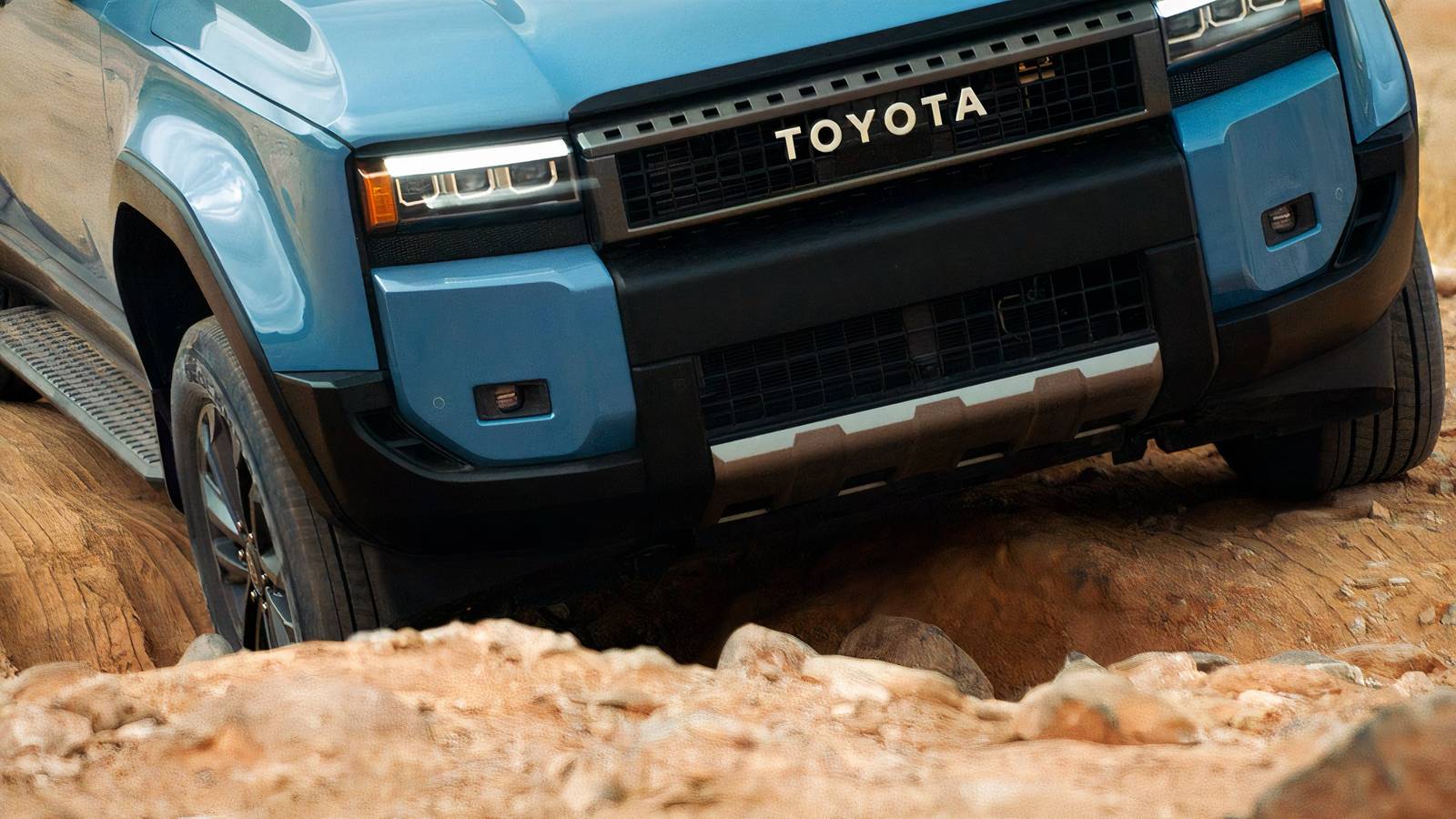
In today’s automotive world, reaching 200,000 miles is widely considered an achievement. For many vehicles, that milestone signals rising maintenance costs and the beginning of major component wear. Yet a select group of vehicles consistently defies this expectation — not by chance, but by design. Toyota’s reputation for durability is well established, but the true extent of that longevity often surprises even experienced owners. Reliability rankings highlight low failure rates, yet they rarely capture the extraordinary mileage figures certain Toyota models routinely accumulate.
Within enthusiast communities and owner forums, examples exceeding 300,000 or even 400,000 miles are not treated as anomalies, but as proof of engineering philosophy at work. Longevity at this level is never accidental. It reflects conservative mechanical design, robust component tolerances, and ownership patterns built around maintenance discipline. Few vehicles illustrate this phenomenon more clearly than two of Toyota’s most respected nameplates: the Land Cruiser and the Tundra.
Toyota’s Longevity Reputation
Why Toyota Models Often Rank Among The Longest-Lasting Vehicles

Brand perception and large studies on how long cars last both support Toyota’s claim about how long its cars last. Companies that analyze used-car sales, like iSeeCars, frequently rank Toyota cars among the most durable and robust on the market. The rankings assess how reliable the car is during the warranty period and how likely it is to last under very high mileage conditions.

The fact that Toyota’s results are consistent across many research studies suggests that the company has been engineering for a long time. For a long time, Toyota has put more emphasis on conservative tuning, robust component tolerances, and tried-and-true drivetrain architectures than on ambitious output targets or overly stressed systems. Engines don’t often have to deal with really heavy loads—the main goal while making transmissions is to make them last a long time. Mechanical simplicity often makes things seem less complicated.
Taking Into Account Varying Global Conditions

The worldwide operational environment in which Toyota operates is also crucial. Foreign markets are a primary focus for Toyota vehicle development, including regions with unpredictable service intervals, poor fuel quality, and difficult road conditions. When these facts are considered during design, the result is a vehicle that can withstand high levels of mechanical stress for a long time.

This reputation is further supported by evidence of current ownership. It is common for Toyota vehicles to accumulate impressive mileage figures, as documented in online communities and enthusiast forums. Because of the prevalence of high-mileage specimens, conversations about Toyotas tend to revolve around the practical limits of how far beyond 300,000 miles specific models can go.

Toyota’s Most Reliable Truck That Regularly Hits 400,000 Miles
Toyota’s unconventional approach to truck engineering has created a vehicle that lasts for decades.
The Toyota Land Cruiser
How Its Engineering Contributes To Exceptional Durability

In terms of Toyota’s commitment to long-term reliability, the Land Cruiser is hard to beat. Even though it has a reputation for being one of the most overengineered SUVs ever made, Toyota never intended the Land Cruiser to be a show vehicle. The capacity to consistently function in settings where the repercussions of failure are high was its principal requirement for survivability.

The engineering considerations of the Land Cruiser are reflective of this mission. Famously sturdy, drivetrain components may typically endure loads that surpass what is considered normal for everyday use. Conservative tuning procedures are used to reduce long-term stress, and engines prioritize lifetime above peak power. The chassis, suspension, and cooling systems are built to a level of durability uncommon in the industry.

One of the biggest Land Cruiser owner forums in the world, IH8MUD, is just one of several places where enthusiast communities document high-mileage Land Cruisers. Vehicles with their original engines and transmissions continue to run strong after racking up 300,000–400,000 miles, according to several owners.

The reliability and frequency of anecdotal evidence make it hard to disregard, even when it cannot promise the same results. The widespread use of the Land Cruiser worldwide is further evidence of its reliability. The commercial, governmental, and expeditionary sectors are common users of these vehicles in many markets due to their reliability. Vehicles that endure such rigorous service conditions often rack up many miles, which adds to the model’s reputation for mechanical durability. The Land Cruiser continues to set the standard for longevity-driven engineering, regardless of how the automobile industry changes. Its lifecycle expectations consistently surpass industry standards.

The Japanese Six-Cylinder Engine Is So Reliable It’s Still In Production After Almost 25 Years
Toyota’s venerable turbodiesel remains a cornerstone for one of its most iconic vehicles.
The Toyota Tundra
Why This Pickup Has A Strong High-Mileage Reputation

When it comes to endurance, the Land Cruiser is the undisputed leader among SUVs, but the Tundra from Toyota has made a name for itself in the pickup market as well. The long-term reliability of full-size trucks is especially important, as they often face rigorous workloads, such as towing, hauling, and continuous highway use.

After analyzing millions of used-car sales, automotive analytics businesses like iSeeCars often say Toyota cars are among the most durable on the market. The rankings assess how reliable the car is during the warranty period and how likely it is to last under very high mileage conditions. The Tundra’s powertrain approach is a big part of why it lasts so long. Naturally aspirated V8 engines, which were popular in prior generations, were known for being strong and easy to work on.

These engines are known for lasting a long time when properly maintained because they don’t have to deal with the extra stress of a forced-induction system. Studies of big trucks tend to support this. Toyota Tundras are frequently at the top of the list of the best trucks that can last more than 200,000 miles. Also, truck owner groups often say that their trucks go much farther than that.
There Are Many Examples In Resale Advertisements And Forum Conversations

Many Tundra owners have said their cars can easily go 300,000 miles or more without major mechanical problems. Many people say that this car is durable because of its conservative engine tuning, simple drivetrain architecture, and Toyota’s history of being careful with stress limits on parts. You shouldn’t expect these results to be true, just like you shouldn’t expect the Land Cruiser to be true. However, the fact that high-mileage specimens are still around in independent owner groups is a significant confirmation of the Tundra’s reputation for long-term reliability.

Why The Toyota Land Cruiser’s Resale Value Is So High After So Many Years
The Toyota Land Cruiser’s depreciation rates are low and resale value is high – here are the reasons why it is hard to beat as a used SUV.
Reaching 400,000 Miles
Ownership And Maintenance Factors That Influence Longevity

It is rare for engineering alone to produce extraordinarily long vehicle lifespans. Whether a car gets good gas mileage or very good gas mileage depends mostly on the owner’s habits.

Discipline in upkeep is a common theme. People who own these high-mileage vehicles often replace parts before they break, change fluids regularly, and follow service schedules. For transmissions and engines that can last for hundreds of thousands of miles, it is still very important to keep them properly lubricated, keep the engine temperature under control, and stop wear.
The Condition Of The Roadways Is Also Crucial

Vehicles that typically drive on highways normally have less mechanical stress than those that make short journeys, start up cold often, or drive in heavy traffic. The way you tow, the conditions in which you operate, and how you manage your load all determine how long parts endure. But having a good reputation for longevity doesn’t mean that things don’t change. Even cars that have been around for a long time might break down early if they are not properly cared for or used. The simplest way to think about lifespan is as a chance that depends on the design of the engineering and how the owner acts.

10 Vehicles With The Longest Lifespans According To Mechanics
From pickups to hybrid sedans, these models’ resilience comes backed by real-world results and mechanic recommendations.
The Value Of Longevity
Why Long Vehicle Lifespans Matter For Buyers And Owners

Longevity has effects that go beyond just bragging about dependability. The lifespan of a car has a significant impact on the economics of ownership, resale stability, and the perception of long-term value. This is something that many customers think about. When you think about depreciation and replacement cycles, cars that can handle a lot of miles usually cost less over their whole life. A durable car that lasts far longer than the average ownership period offers many benefits, including greater residual value, less pressure to replace it, and greater financial freedom.
Buyer Confidence Is Also Influenced By Durability

The perceived value of cars is reinforced even as they age, and models with a history of high mileage tend to command higher resale values. In the end, there’s more to Toyota’s longevity story than just mechanical toughness. Buyers who care about more than features and performance end up buying this product because it has an engineering philosophy aligned with the realities of long-term ownership. Nothing is ever sure when it comes to mileage, but patterns of durability rarely appear by chance. Longevity is now expected, rather than a surprise, in the Toyota brand.
Sources: Toyota, iSeeCars, Collision Repair Mag