
The global automotive industry is now staring down electric vehicle (EV) related charges and write-downs of around $70 billion as several major automakers pull back from earlier, more aggressive electrification plans.
It’s a stark indicator that for some of the world’s biggest car companies, the first wave of EV investment has delivered a far worse financial outcome than originally promised, with billions now being written off as programs are cancelled, delayed or reshaped.
According to Automotive News, US buyers registered 1.3 million EVs in 2025, representing 7.8 per cent of new light-vehicle registrations, slightly down from 8.0 per cent in 2024.
CarExpert can save you thousands on a new car. Click here to get a great deal.
In Australia, EV take-up is tracking at a similar level – but with a very different market dynamic. Local EV deliveries totalled 103,269 units in 2025, accounting for 8.3 per cent of all new vehicle deliveries.
Globally, the scale of the EV reset ranges from Honda’s expected US$1.9 billion (A$2.68bn) loss by the end of March to Stellantis’ roughly US$26 billion (A$36.69bn).
A mix of factors are behind the write-downs, the most obvious being the slower-than-expected mainstream demand for EVs by everyday consumers, as well as price sensitivity, charging and range concerns, and policy settings that have become less supportive.
- General Motors: more than US$7 billion (A$9.88bn) in EV-related charges for 2025, alongside product and manufacturing changes
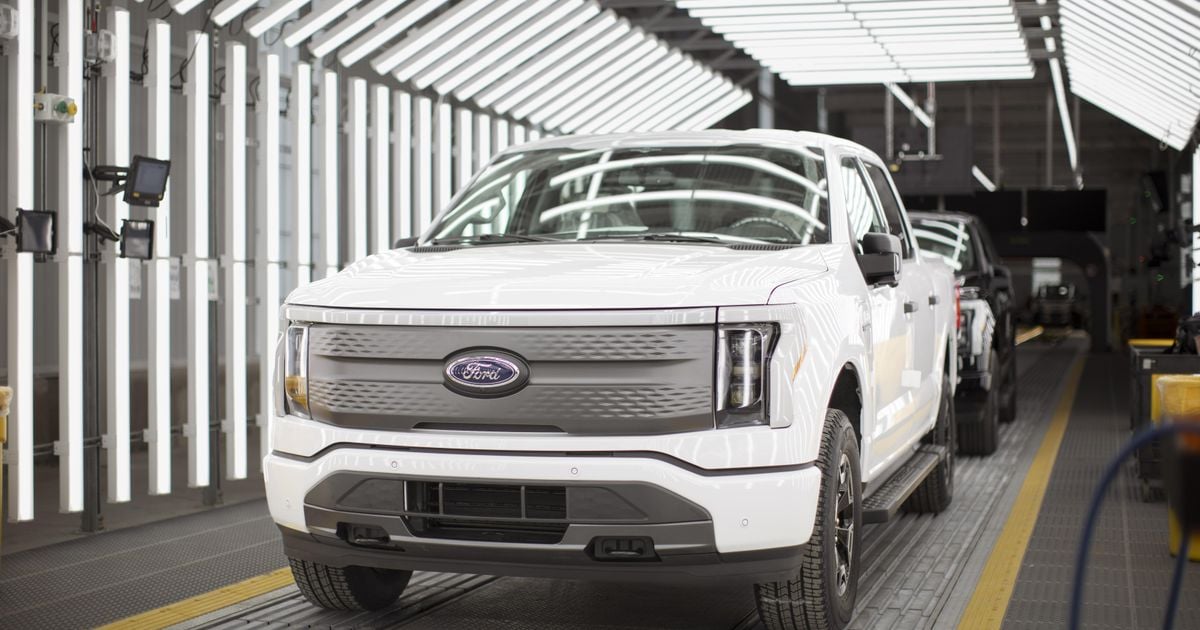
- Ford: a US$20.9 billion (A$29.49bn) pivot away from larger, more costly EVs, with additional charges and cash costs still to come
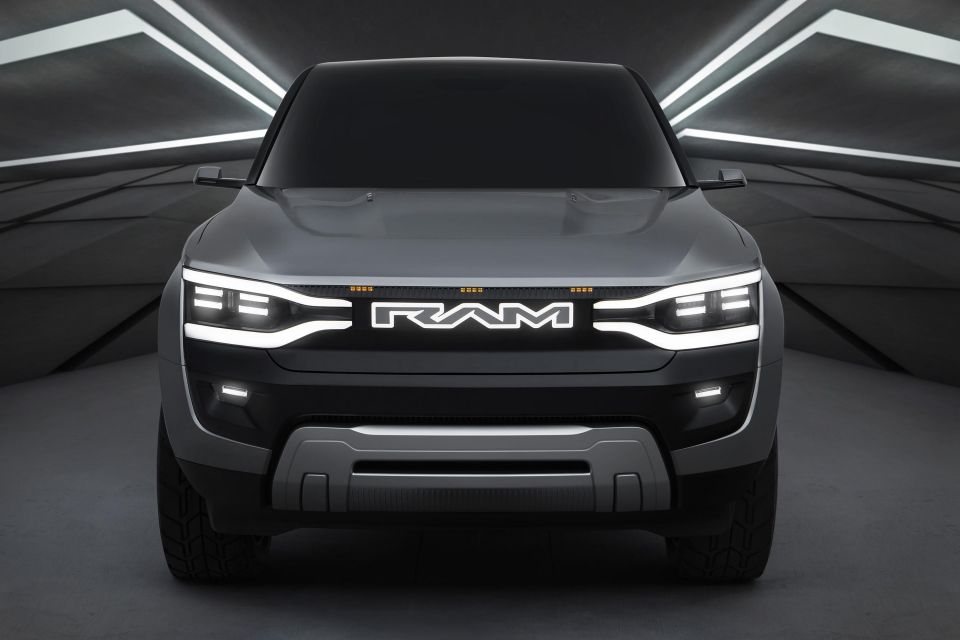
- Stellantis: €22 billion (US$26bn, A$36.69bn) in charges tied to a major strategy reset
- Honda: EV-related write-offs including US$1.7bn (A$2.40bn) in the nine months to December 31, with the total expected to reach US$1.9bn (A$2.68bn) by the end of March
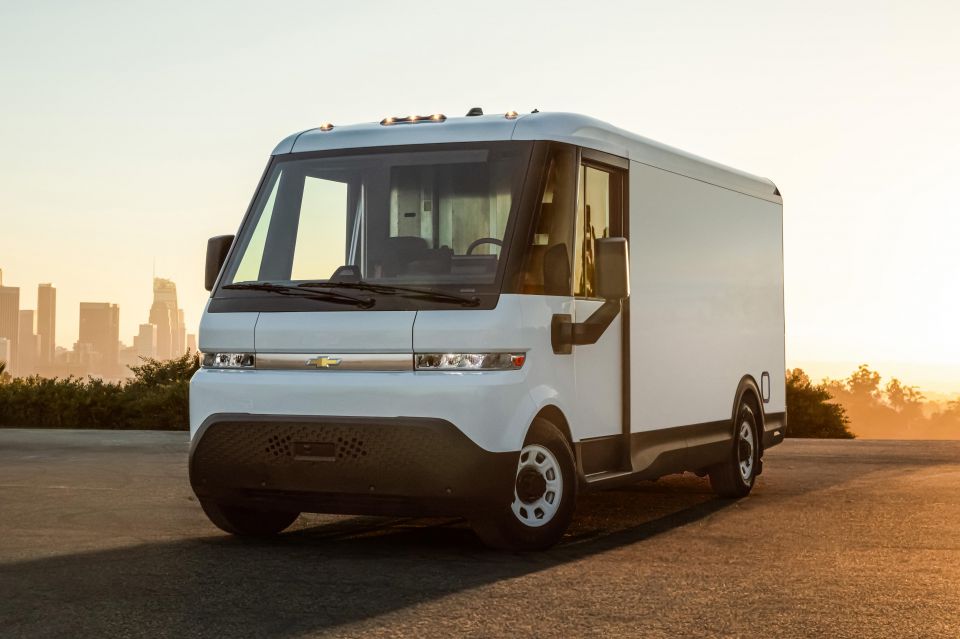
The change in the US political landscape has seen a shift away from EVs, and plenty of brands are repurposing production facilities once earmarked for EV manufacturing. As an example, production of the Chevrolet BrightDrop electric delivery van at a plant near Detroit has been dumped in favour of building petrol-powered trucks.
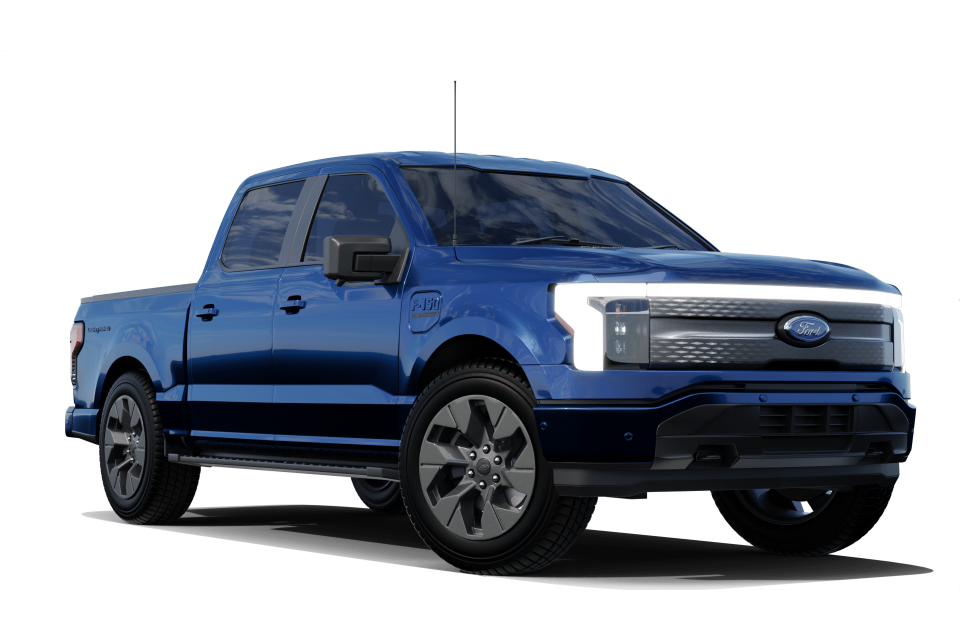
Ford, meanwhile, has made one of the highest-profile pivots. The company discontinued the Ford F-150 Lightning electric pickup and is moving toward an extended-range model with a petrol engine used to recharge the battery. The company will replace the fully electric F-150 Lightning with an extended-range model using a petrol engine as a generator.
Ford is also said to have cancelled its future electric three-row crossover SUVs, and to be budgeting for about US$7 billion (A$9.88bn) in charges across this year and next, plus about US$5.5 billion (A$7.76bn) in cash expenditures linked to the strategy changes.
Stellantis previewed €22 billion (US$26 billion, A$36.69bn) in charges and described it as a “reset of its business”.
That figure includes US$17.5 billion (A$24.70bn) tied to cancelled vehicle programs and platform impairments, and US$2.5 billion (A$3.53bn) associated with reworking its EV supply chain.
“We are resetting our product plan and our EV supply chain to reflect much more real customer demand, a shift in regulation, following an initial overestimation of pace of adoption of electrification in the regions.” Stellantis’ new CEO, Antonio Filosa, told the media back in June.
Honda’s EV-related write-offs totalled US$1.7 billion (A$2.40bn) in the nine months to December 31, and are expected to climb to US$1.9 billion (A$2.68bn) by the end of its fiscal year in March.
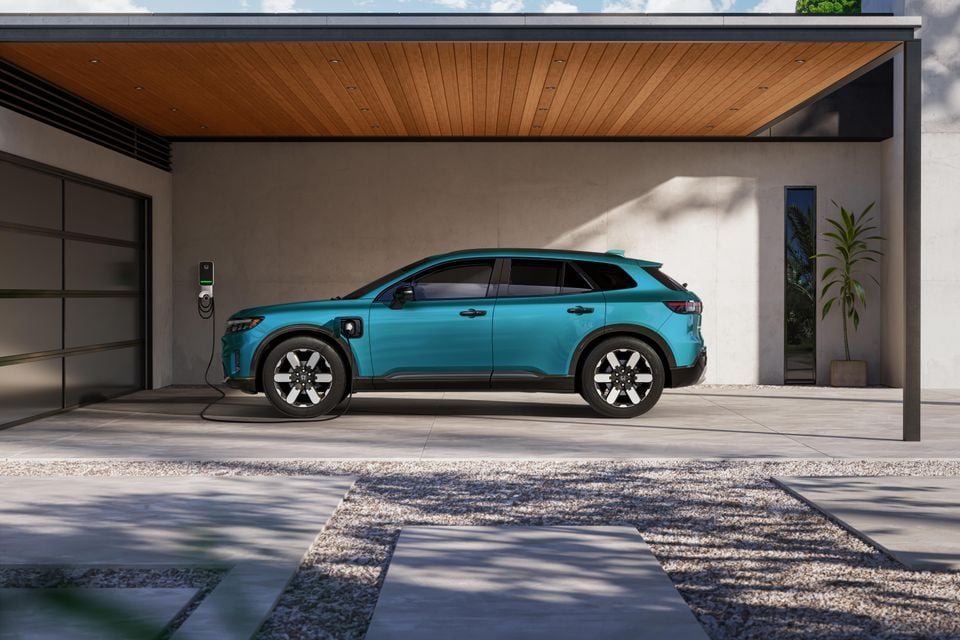
The Japanese giant is also negotiating compensation with GM as it winds down its Honda Prologue and Acura ZDXEV programs.
“We need to conduct a fundamental review of our strategies to rebuild our competitive strength,” executive vice president Noriya Kaihara said last week when releasing Honda’s latest fiscal quarterly earnings.
Nonetheless, the US and Australia are very different automotive markets. While our American allies sell substantially more new cars per year (16 million) and therefore have far more pull with manufacturers over what they need to produce, Australia is open to Chinese OEMs, whereas the US is not.
In 2025, Chinese-made vehicles climbed to 252,928 deliveries in our market, equating to 20.4 per cent of Australia’s total market, lifting China to second place overall as a source country.
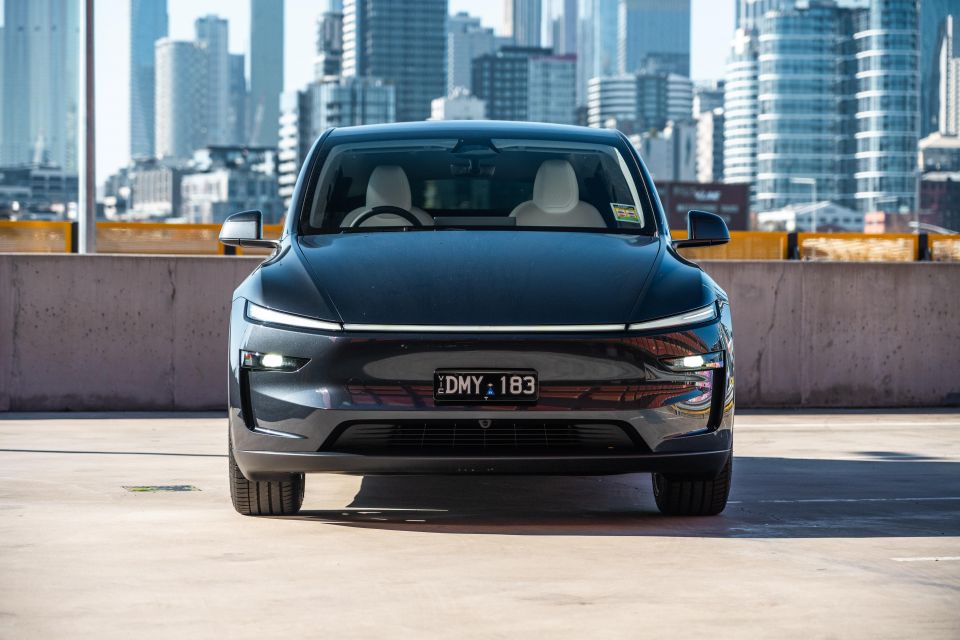
This is not just the Chinese-branded cars, it also includes brands such as Tesla, which only sells Chinese-built vehicles in Australia.
On pure EV volume, the Australian market is increasingly being shaped by Chinese brands as well:
- Tesla sold 28,856 EVs in 2025
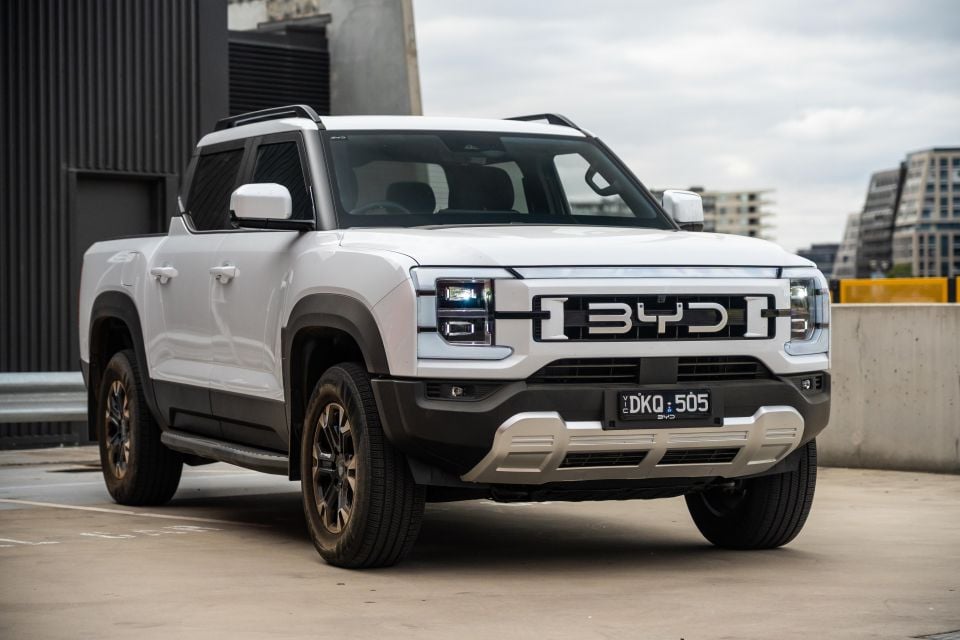
- BYD sold 25,287 EVs, just 3569 units separating the two brands
With the launch of cut-price EVs like the Atto 1 and Atto 2, the 2026 figure may indeed see BYD become Australia’s best-selling EV brand.
Furthermore, in Australia’s increasingly fragmented new-car market we have become a test bed for many Chinese brands that use our relative size, ease of access and lack of tariffs to test their products on western tastes before heading to larger and far more costly markets.
While the billions burnt on the EV transition may not have proven itself just yet, this doesn’t mean manufacturers are abandoning the technology, far from it.
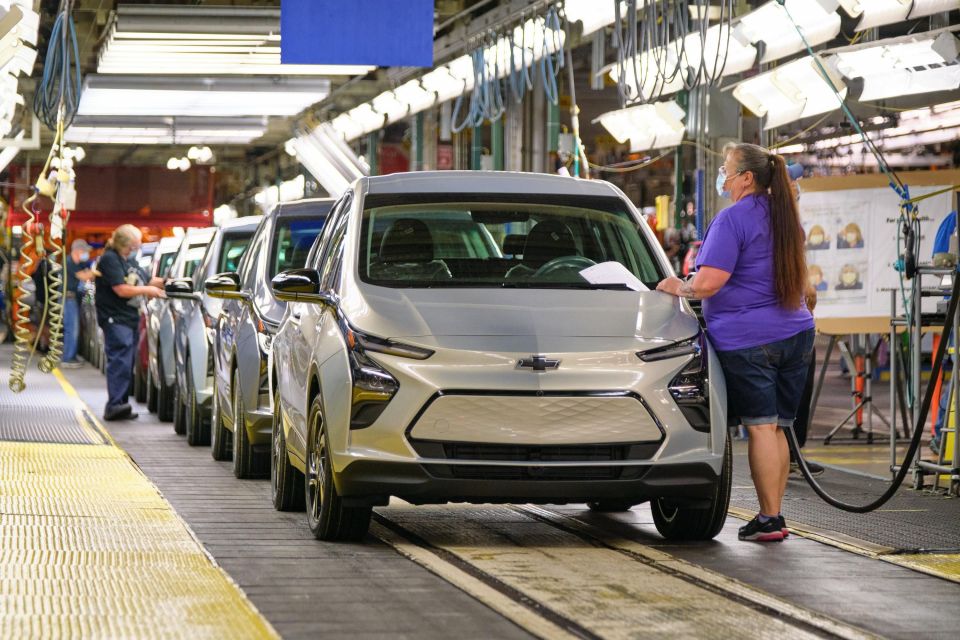
GM has relaunched the Chevrolet Bolt with a starting price of less than US$30,000 (A$42,337), at a time when the average new vehicle sells for about US$50,000 (A$70,562) in the US.
Ford is focusing on smaller, more affordable EVs and is targeting a US$30,000 (A$42,337) mid-size electric pickup due in 2027.
“I do believe this is the right allocation of capital,” CEO Jim Farley said recently. “It’s a combination of partnerships where it makes sense, efficient partial electrification investments… and really hitting the EV market in the core of the market in our home market, where there’s not a lot of competition.”
Given the success the Chinese OEMs have had in our maket, it might serve as an example to the rest of the world that while US and European brands (Tesla excluded of course) have so far failed to get a foothold in EV sales, it may say more about their product and price point than consumer demand and taste.