
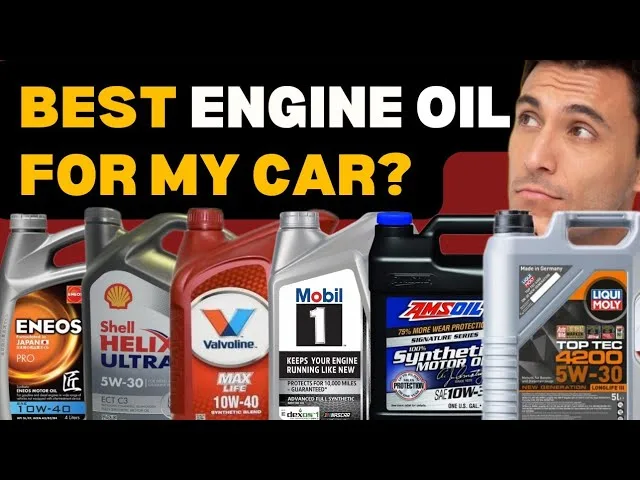
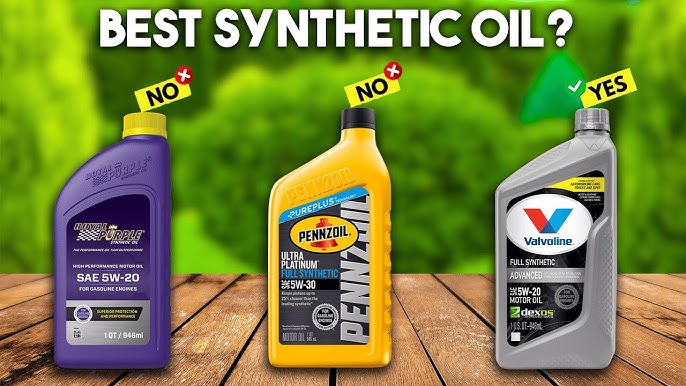
When it comes to squeezing every ounce of power and reliability from a performance engine, the choice of oil is far from trivial. Synthetic oils have become the go-to for enthusiasts and professionals alike, offering superior protection and efficiency compared to conventional oils. But not all synthetic oils are created equal. Picking the right one can mean the difference between a smooth, powerful ride and costly engine wear down the road.
Why Synthetic Oil Matters for Performance Engines
Performance engines operate under conditions that push components to their limits—high RPMs, elevated temperatures, and increased stress. Conventional oils can break down quickly under these circumstances, losing their ability to lubricate effectively. Synthetic oils, on the other hand, are engineered at the molecular level to withstand extreme conditions, maintain viscosity, and reduce friction.
This means better protection against wear, improved fuel efficiency, and often, enhanced horsepower. Synthetic oils flow more easily at low temperatures too, which helps during cold starts—a critical moment when engine parts are most vulnerable.
Key Benefits of Synthetic Oils
One of the biggest advantages is thermal stability. Synthetic oils resist oxidation and sludge buildup, which keeps the engine cleaner and extends oil change intervals. They also provide superior shear stability, meaning the oil maintains its thickness and protective qualities even under heavy loads and high RPMs.
For performance engines, these benefits translate into longer engine life, consistent performance, and peace of mind during spirited driving or track days. Additionally, synthetic oils often contain advanced additives that further enhance their performance characteristics. These additives can include detergents that help keep engine parts clean, anti-wear agents that provide an extra layer of protection, and friction modifiers that improve overall efficiency. This combination not only optimizes engine performance but also contributes to a smoother driving experience, allowing enthusiasts to fully enjoy the power and responsiveness of their vehicles.
Moreover, the environmental impact of synthetic oils is becoming increasingly important to many drivers. While the production of synthetic oils can be resource-intensive, their longer lifespan and superior performance can lead to less frequent oil changes, reducing waste and the overall environmental footprint. As manufacturers continue to innovate, many synthetic oils are now formulated with bio-based components, further enhancing their sustainability profile. This means that by choosing synthetic oil, performance enthusiasts are not only investing in their engine’s longevity but also making a more environmentally conscious choice.
Top Synthetic Oils for Performance Engines
Choosing the right synthetic oil depends on several factors including engine type, driving conditions, and manufacturer recommendations. Here’s a rundown of some of the best synthetic oils that consistently earn praise for performance engines.
Mobil 1 Extended Performance
Mobil 1 is a household name in synthetic oils, and their Extended Performance formula is designed for drivers who demand long-lasting protection. It offers excellent wear protection and keeps engines clean by preventing sludge and deposits. This oil is particularly popular among enthusiasts who want to push their engines hard but also extend oil change intervals.
Its advanced formulation helps maintain viscosity in extreme temperatures, making it a solid choice for both daily driving and track use. Additionally, Mobil 1 has invested heavily in research and development to ensure that their oils not only meet but exceed the latest industry standards, providing peace of mind for those who prioritize engine longevity. The oil’s ability to resist thermal breakdown means that even under the most strenuous conditions, drivers can trust that their engines are shielded from wear and tear.
Royal Purple HMX
Royal Purple’s HMX synthetic oil is engineered with proprietary additives that reduce friction and wear. It’s known for enhancing horsepower and torque, which is why many racers and performance tuners swear by it. The oil’s high zinc content provides extra protection for high-performance engines, especially those with flat tappet cams.
While it’s on the pricier side, the performance gains and engine protection it offers can justify the investment for serious enthusiasts. Moreover, Royal Purple’s commitment to quality means that their oils are rigorously tested in both laboratory and real-world conditions, ensuring that users receive a product that consistently delivers on its promises. The unique formulation also aids in maintaining engine cleanliness, which is crucial for those who frequently push their vehicles to the limit, as it helps prevent the buildup of harmful deposits that can compromise performance.
Castrol EDGE Full Synthetic
Castrol EDGE is formulated with Fluid Titanium Technology, which strengthens the oil film and reduces metal-to-metal contact. This results in improved engine efficiency and power output. It’s a favorite among drivers who want a balance of performance and everyday usability.
Castrol EDGE performs well under high stress and heat, making it suitable for turbocharged and supercharged engines. It also meets or exceeds most major industry standards, ensuring compatibility with a wide range of vehicles. The oil’s unique formulation not only enhances performance but also contributes to fuel efficiency, making it an appealing choice for drivers looking to optimize both power and economy. Furthermore, Castrol’s extensive testing process guarantees that each batch of oil maintains consistent quality, providing users with confidence that they are using a product that is both reliable and effective under various driving conditions.
Amsoil Signature Series
Amsoil is often touted as the pioneer of synthetic motor oils, and their Signature Series is a premium option that delivers outstanding wear protection and oxidation resistance. This oil is formulated to provide excellent cold-weather performance and maintain its protective qualities even during extended drain intervals.
For performance engines that see a mix of street and track use, Amsoil offers a reliable choice that can handle the demands of aggressive driving while keeping the engine clean. Additionally, Amsoil’s rigorous testing protocols ensure that their oils not only meet but often exceed the performance benchmarks set by industry standards. This level of quality assurance is particularly beneficial for those who operate their vehicles in extreme conditions, as it provides an added layer of protection against engine wear and degradation. With its ability to resist thermal breakdown and maintain viscosity under varying temperatures, Amsoil Signature Series stands as a testament to the brand’s commitment to excellence in synthetic lubrication technology.
How to Choose the Right Synthetic Oil for Your Performance Engine
Picking the perfect synthetic oil isn’t just about brand loyalty or flashy marketing. It requires understanding your engine’s needs and how you drive.
Consider Your Engine Type and Age
High-performance engines often have tighter tolerances and require oils with specific viscosity grades and additive packages. For example, turbocharged engines generate more heat and may benefit from oils with enhanced thermal stability. Older performance engines might need oils with higher zinc content to protect camshafts and lifters. Additionally, the materials used in your engine can dictate oil choice; for instance, engines with aluminum components may require oils that prevent corrosion and wear, ensuring longevity and optimal performance.
Check Manufacturer Specifications
Always refer to your vehicle’s owner manual for recommended oil grades and certifications. Look for oils that meet or exceed standards such as API SN Plus, SN, or the latest SP, as well as ACEA and OEM-specific approvals. Using an oil that doesn’t meet these specs can void warranties or lead to suboptimal performance. Furthermore, it’s wise to consider the driving environment; if you frequently drive in extreme temperatures or heavy traffic, selecting an oil that offers additional protection against thermal breakdown and sludge formation is crucial for maintaining engine health.
Match Oil Viscosity to Your Driving Conditions
Viscosity matters. Thinner oils (like 0W-20) flow better at startup and improve fuel economy but may not protect as well under extreme heat or stress. Thicker oils (like 10W-40) provide a stronger film in hot conditions but can increase drag and reduce efficiency. Many performance engines benefit from synthetic oils in the 5W-30 or 10W-40 range, but always confirm what’s best for your specific engine. Additionally, consider how you use your vehicle; if you are frequently participating in track days or high-performance driving, an oil with a higher viscosity index may be necessary to withstand the rigors of racing conditions, ensuring that your engine remains lubricated and protected under high RPMs and intense heat.
Maintaining Your Performance Engine with Synthetic Oil
Using the best synthetic oil is just one part of engine care. Proper maintenance habits ensure your engine stays in peak condition.
Regular Oil Changes Are Still Crucial
Synthetic oils last longer than conventional oils, but they don’t last forever. Follow the oil change intervals recommended by your oil manufacturer and vehicle manual. For performance engines, especially those driven hard or on the track, more frequent changes might be necessary to remove contaminants and maintain peak lubrication.
Monitor Oil Levels and Quality
Check your oil level regularly and look for signs of contamination, such as discoloration or a burnt smell. Performance engines can consume oil faster, so topping off between changes is often needed. Using a high-quality synthetic oil filter also helps keep the oil clean and free of debris.
Consider Oil Additives Carefully
Some drivers add aftermarket oil additives claiming to boost performance or reduce wear. While some additives can help, many synthetic oils already contain advanced additive packages. Adding too many products can upset the oil’s balance and potentially cause harm. It’s best to stick with reputable oils formulated specifically for performance engines.
Final Thoughts on Synthetic Oils for Performance Engines
Choosing the best synthetic oil is a critical step in protecting and maximizing the potential of a performance engine. The right oil reduces wear, improves efficiency, and helps maintain consistent power output under demanding conditions.

Mobil 1 Extended Performance, Royal Purple HMX, Castrol EDGE, and Amsoil Signature Series are all excellent options, each with unique strengths tailored to different driving styles and engine requirements. Understanding your engine’s needs, following manufacturer guidelines, and maintaining a consistent oil change routine will keep your performance engine running strong for miles to come.
Join the RevDrive Community for More Insights
Ready to dive deeper into the world of performance engines and automotive excellence? Visit RevDrive for a treasure trove of information that will satisfy your thirst for automotive knowledge. From the latest in car technology to expert car care tips, RevDrive is your go-to source for all things automotive. Whether you’re a seasoned car enthusiast or just starting out, our engaging content and community are here to fuel your passion for driving. Don’t miss out on your daily dose of high-octane updates—Read More at RevDrive and join our family of passionate gearheads today!