
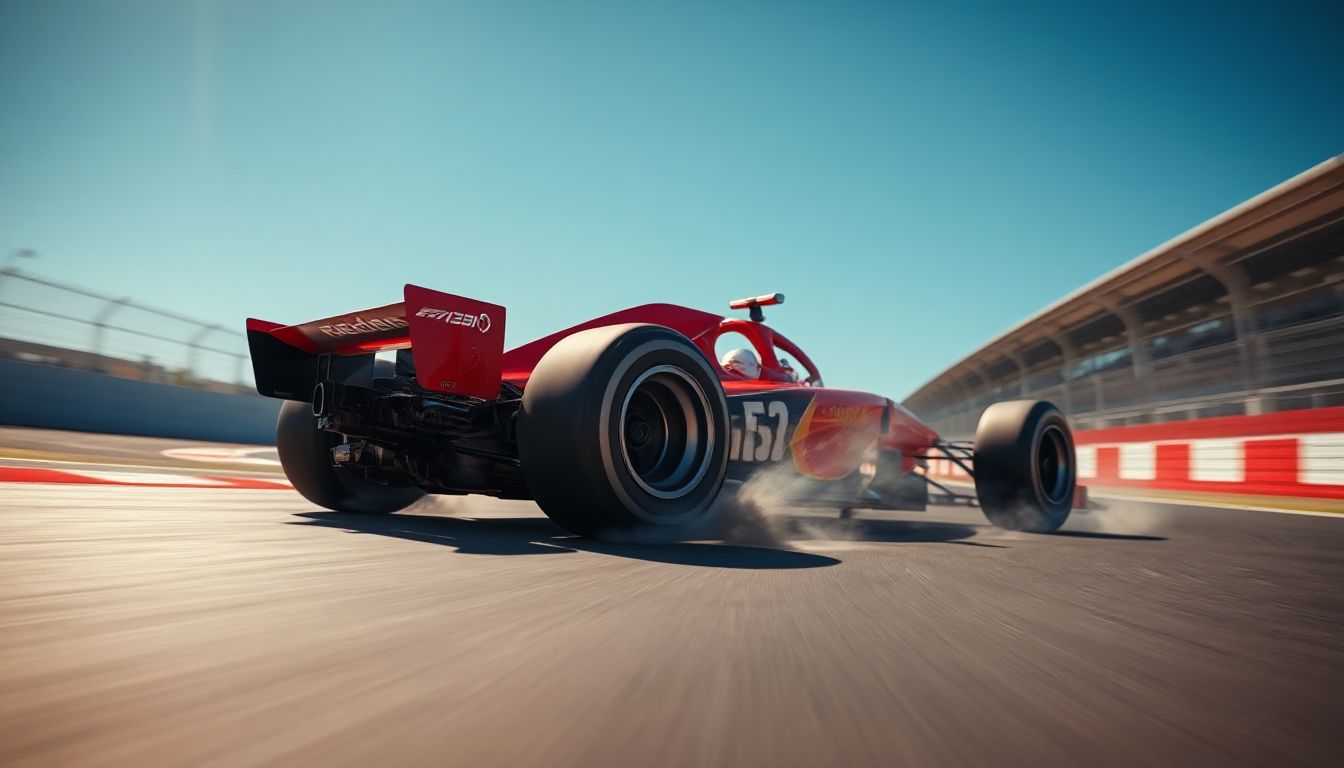
The roar of engines pulls you in. You grip the wheel, heart pounding as you hit the apex. But turning that passion into pro skills takes real training. The best racing schools in the U.S. bridge the gap from dreams to podium finishes. They offer top driving academies where you learn precision and speed. This guide breaks down the elite spots to learn to race, from curriculum to costs. We’ll rank them by what matters most for your racing path.
Factors Determining the Elite Tier: What Makes a Racing School Stand Out?
Top racing schools shine through clear markers. You want places that build solid skills fast. We judge them on teaching depth, car quality, and coach know-how. These factors set the best apart from basic track days.
Curriculum Depth and Certification Opportunities
A strong program starts with basics and builds to pro levels. You might begin with intro laps, then move to full licensing. Schools like those tied to SCCA help you get race-ready fast. They cover car control, race starts, and safety rules.
Look for courses that lead to real certs. Skip Barber, for one, preps you for SCCA novice licenses. These open doors to amateur events right away. Without them, you’re stuck watching from the pits.
Pro tip: Pick a school based on your goal. If street to track transition calls you, grab an intro weekend. For big leagues, chase FIA-style prep. That way, your time on track counts toward a career.
Quality and Variety of Fleet Vehicles
Cars matter as much as the lessons. The best fleets mix types to match real racing. You get hands-on with formula cars, stockers, or GT rides. This builds skills across classes.
Take Skip Barber’s Formula cars—they’re spec models that teach pure driving. Other spots use Spec Miatas for affordable road racing fun. High-end schools roll out Dallara chassis for that Indy feel.
One school stands out with fresh spec racers each season. Another focuses on modded street cars for daily drivers turning pro. Variety lets you test limits safely. You learn what each machine demands.
Instructor Experience and Pedigree
Great coaches turn okay drivers into stars. Seek schools with pros from IndyCar or NASCAR. Their stories and tips hit home. You absorb racecraft from folks who’ve won big.
Imagine feedback from a former IMSA champ. They spot your braking flaws in one lap. Many top academies boast lineups of ex-pros. This edge beats book learning every time.
A student once said, “My coach’s real-world wins made every session click.” Look for bios packed with podiums. That pedigree ensures you get the best shot at glory.
Paving the Path to Professionalism: Premier Open-Wheel Racing Academies
Open-wheel racing hooks many dreamers. It’s the road to Formula 1 or IndyCar glory. These schools focus on single-seaters, teaching aero grip and high-speed lines. If that’s your jam, start here for top driving academies in open-wheel.
Skip Barber Racing School (Multiple Locations)
Skip Barber leads the pack for formula training. Founded decades ago, it still shapes champs. You train at spots like Lime Rock or Laguna Seca. Their three-day course packs in seat time and classroom smarts.
They use Formula Skip Barber cars—light, nimble beasts. You master throttle control and corner speed quick. Alumni stats impress: over 200 have hit pro series. That’s your ticket to SCCA or beyond.
No fluff here. Every lap builds race IQ. If open-wheel calls, book Skip Barber now. It’s a staple among the best racing schools in the U.S.
Lucas Oil School of Racing (Previously RJB Motorsports)
This gem zeros in on open-wheel prep. Based in Texas, it offers intensive weekends for licensing. You drive karts to full formula cars, gaining real competition edge.
Focus stays on fundamentals like starts and passing. Instructors push you to FIA standards. It’s perfect for mid-level drivers eyeing pro contracts.
Graduates often jump to Skip Barber series. The hands-on style shines. For serious open-wheel aspirants, Lucas Oil delivers value.
Other Notable Formula Training Programs
Don’t sleep on regional powerhouses. Allen Berg Racing Schools in California mixes formula with sim work. You get track time plus data review for sharp feedback.
Another pick: Team O’Neil in New Hampshire. They blend rally with open-wheel basics. Great for versatile skills.
These spots round out your options. Each adds unique twists to learn to race. Check locations near you for easy access.
Mastering Stock Cars: The Best Venues for American Oval and Road Racing Techniques
Stock car racing screams American speed. Ovals demand drafting and tire smarts. Top schools teach these for NASCAR dreams. Shift from straight lines to banked turns here.
Richard Petty Driving Experience / Rusty Wallace Racing Experience
Petty’s program lets you drive real stock cars. No ride-along fluff—grab the wheel at tracks like Daytona. Three-hour sessions build confidence in heavy iron.
You learn line choice and throttle control. Instructors radio tips mid-lap. It’s thrilling yet safe for newbies.
Rusty Wallace offers similar heat at Charlotte. Both tie to NASCAR roots. Perfect intro to oval mastery among best racing schools in the U.S.
Ron Fellows Performance Driving School (at various tracks)
Ron Fellows blends stock with road course tricks. At Spring Mountain, you pilot Camaros on full circuits. Courses cover everything from braking to traffic dodges.
Pro drivers coach your progress. It’s ideal for GT-to-NASCAR crossovers. You leave with skills for road events too.
This school’s setup shines for all-around growth. Book a multi-day for deep dives.
Advanced Stock Car Preparation Schools
For next level, hit intensive programs. Dirt track academies like those at Eldora teach setup tweaks. You adjust shocks and learn dirt drafting.
Oval pros focus on endurance—long runs with fuel stops. Schools like Charlotte’s Richardson Driving School offer week-long camps.
These build race-ready habits. You graduate set for spec series entry.
GT and Endurance Racing Excellence: Road Course Dominance
GT racing tests stamina and strategy. Endurance adds team play and data smarts. Best schools here nail road course flow. Master traffic and lapping for IMSA paths.
Bob Bondurant School of High Performance Driving (Arizona)
Bondurant’s desert track hosts epic sessions. You start on skid pads, then hit full road courses. Fleet includes Mustangs and Porsches for GT feel.
Instructors stress avoidance and recovery. It’s been a staple since the ’60s. Many pros credit it for early wins.
Wide-open space means focused laps. Ideal for building road racing base.
Skip Barber (GT Focus) / Other Road Racing Specialists
Skip Barber’s advanced tracks GT cars like Miatas. You log data with AIM systems for instant review. Throttle traces reveal your edges.
Other spots, like Exotics Racing in Vegas, mix Lambos with lessons. But for pure racing, Palmer Sport at Sonoma excels.
These programs teach modern tools. Data turns raw speed into smart laps.
Actionable Tip for Endurance Drivers: Data Interpretation
Telemetry separates the pack. Schools like Bondurant show braking zones on screens. Study your lines against pros.
Great drivers tweak throttle mid-corner from charts. Pick a school with MoTeC gear. Practice reading it boosts lap times fast.
Apply this in sessions. You’ll shave seconds and stay safe.
Cost Analysis and Choosing Your Investment: Value vs. Price
Racing school ain’t cheap. But smart picks yield big returns. Weigh costs against skills gained. This section helps you budget for top driving academies.
Typical Program Structures and Associated Costs
Intro weekends run $500 to $1,500. You get 10-20 laps plus basics. Multi-day pro courses hit $3,000-$6,000.
Skip Barber’s three-day? Around $4,000 with car included. Stock car intros start at $400 for half-day.
Longer camps for licensing top $10,000. Prices vary by track and inclusions. Shop around for deals.
Hidden Costs: Travel, Maintenance, and Gear Acquisition
Don’t forget flights or drives to remote spots. Add $200-$500 per trip. Helmets need Snell rating—$300 new.
Suits and gloves run $200 more if not loaned. Licensing fees tack on $100. Trackside eats and stays pile up too.
Budget 20% extra. That covers surprises without stress.
ROI Assessment: From School Graduation to Amateur Competition
Top schools speed your entry to SCCA events. Grads race regionals within months, not years. One Skip Barber alum hit pros in two seasons.
Skills cut self-teaching errors. You save on wrecked cars later. For $5,000 invested, gain race seats worth double.
Track your progress. Strong ROI comes from applying lessons right away.
Conclusion: Mapping Your Future from Track School to the Grid
The right racing school matches your style—oval, open-wheel, or GT. No one-size-fits-all among the best racing schools in the U.S. Quality instruction beats solo practice every time. It sharpens your edge for podium chases.
We covered key factors like fleets and coaches. From Skip Barber to Bondurant, each shines in its lane. Costs add up, but smart choices pay off in race wins.
Research instructor creds and car upkeep before you sign up. Book that first session. Your grid spot waits—just hit the gas.