
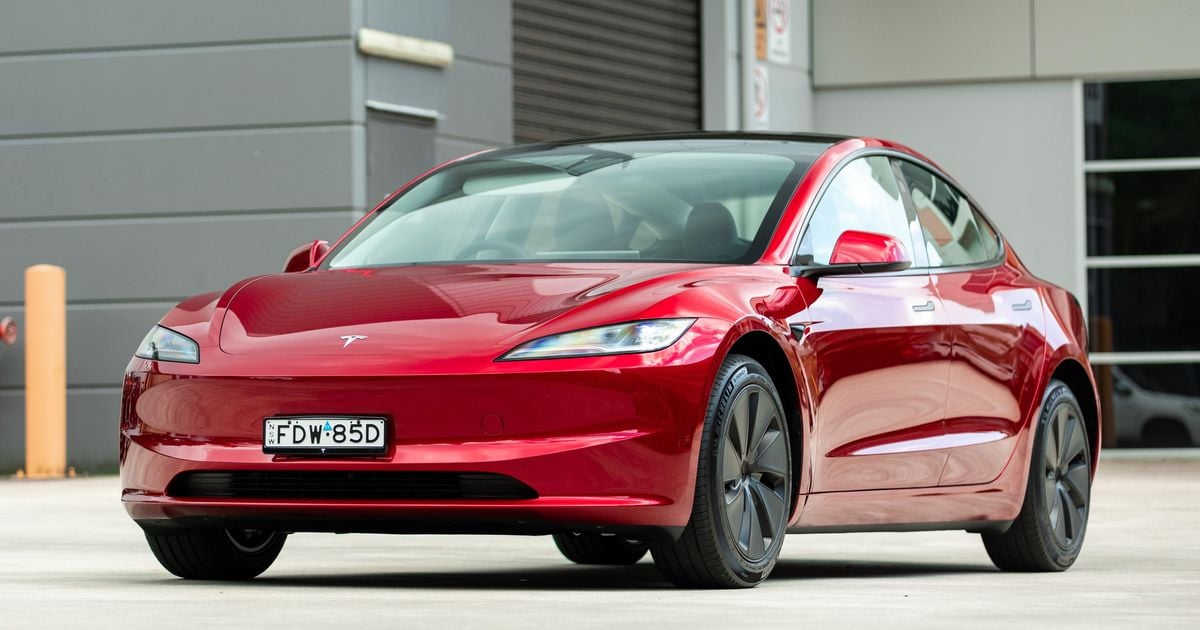
The Australian Government says the New Vehicle Efficiency Standard (NVES) has given Australians more choice when it comes to electric vehicles (EVs) – and has contributed to an overall 1.9 per cent reduction in greenhouse gases over the previous 12 months.
Speaking on the ABC AM radio program, Chris Bowen – the Minister for Climate Change and Energy – said the 8.5 million tonne reduction in Australia’s emissions to the end of September 2025 was among “encouraging figures”.
The fall generated from the transport sector wasn’t as significant as the overall drop, at 0.4 per cent, but Mr Bowen said the sector was an especially difficult one in which to reduce emissions rapidly.
“We’re also seeing, for the first time outside COVID, a reduction in our transport emissions – only a very small one … [a] 0.4 per cent reduction, but nevertheless,” he told ABC radio.
CarExpert can save you thousands on a new car. Click here to get a great deal.
“Transport is a very difficult nut to crack, a very difficult sector to turn emissions around in, because it’s such a long-term sector: you buy a car today, it’s on the road for an average of 17 years,” the minister added.
“This is the first sign our policies, [the] New Vehicle Efficiency Standard, increases in EVs, starting to have their first impact.”
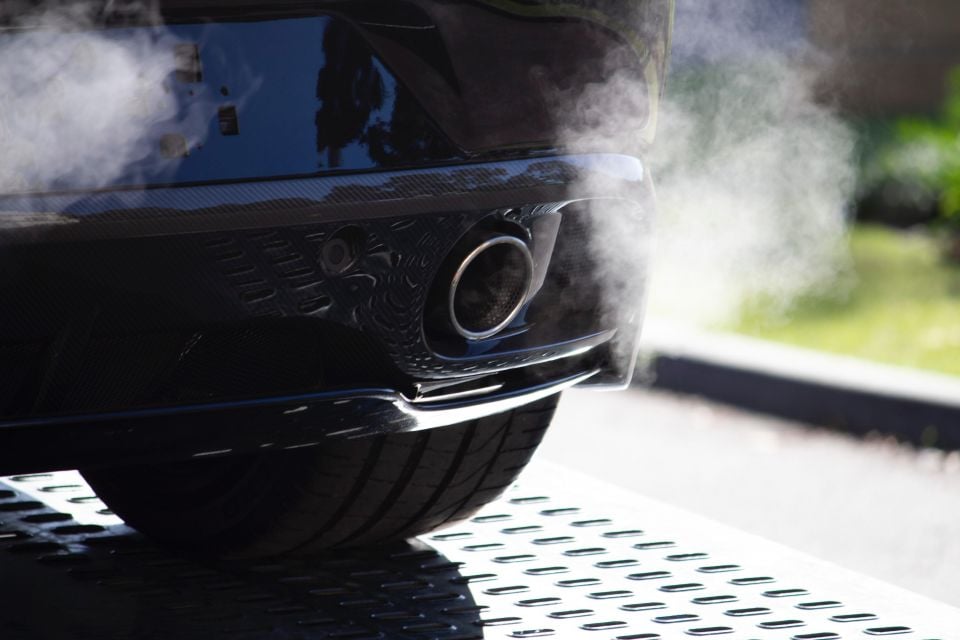
The NVES came into effect on January 1, 2025, setting limits for carbon-dioxide tailpipe emissions for new vehicle manufacturers.
Under the NVES, emissions for each automaker are averaged across their entire vehicle lineup, and those which meet the set limits are given credits which can be sold to those in excess of their limits so they can avoid financial penalties that came into effect on July 1, 2025.
The inaugural report was issued in February 2026 and showed only 19 of Australia’s approximately 70 manufacturers exceeded limits, with those in breach potentially facing penalties.
The report also showed average emissions for new light passenger vehicles beat the NVES target, which becomes more stringent each year until 2029, by 21 per cent.
Yet since 2005, the Australian transport sector’s emissions have increased 23 per cent – including 11 per cent higher diesel emissions – as pointed out to Mr Bowen by ABC’s Melissa Clarke.
“As I said at the outset, it’s a small reduction,” Mr Bowen admitted.
“I’m not getting ahead of myself, but when you consider it has been so hard to abate – and you know, people moving around more is not a bad thing, and people going places is not a bad thing – we want to see that.
“We [also] want to see that emissions intensity come down; we want to see carbon emissions associated with it come down.
“We’ve done things which have been in the too-hard basket for 20 years like the New Vehicle Efficiency Standard.
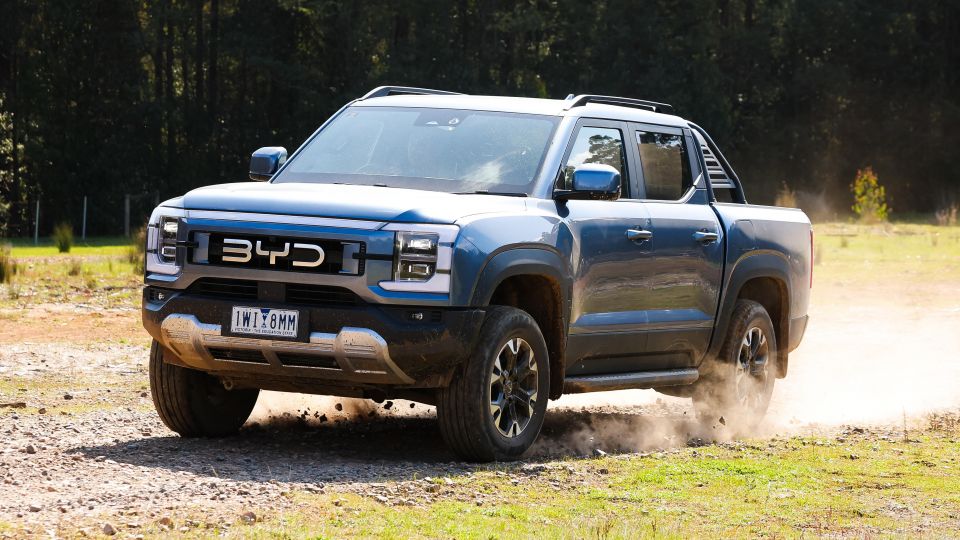
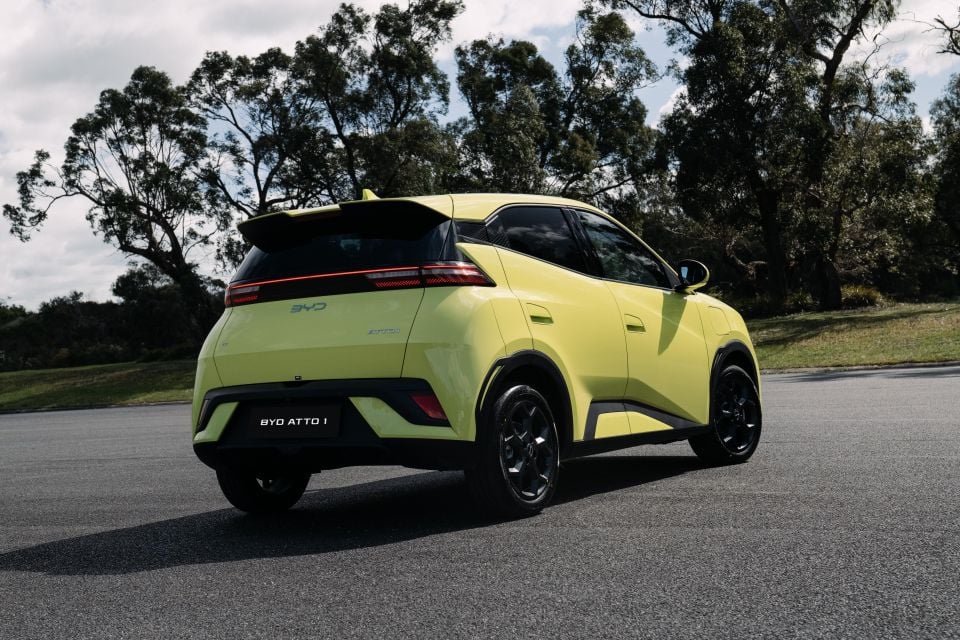
“It’s seen a massive increase in the supply of electric vehicles in terms of choices for Australia – cheap models, expensive models, low range, high range – giving Australians much more choice, and Australians increasingly taking them up.”
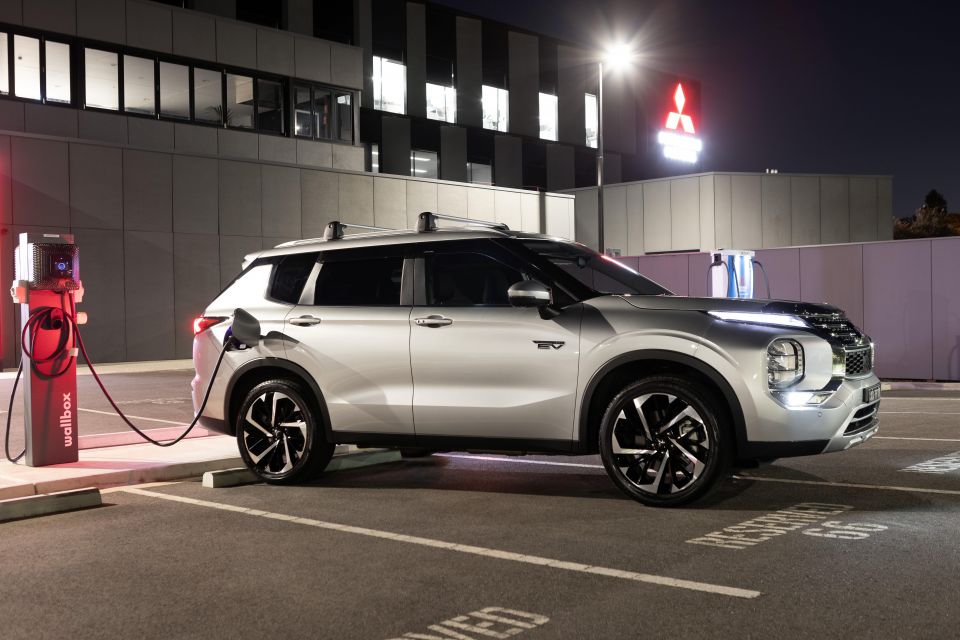
Other government initiatives have included the Vehicle-to-Grid Network (V2GN), launched by Mr Bowen in December 2025 to encourage PHEV and EV owners to feed electricity back into the national grid.
Earlier this month, the government’s Clean Energy Finance Corporation (CEFC) committed up to $60 million to see Hyundai Capital Australia (HCAU) offer discounted finance on eligible Hyundai and Kia EVs.
The Climate Change Authority’s ‘2035 Targets Advice’, announced in September, calls for a carbon-dioxide emissions reduction of between 62 and 70 per cent from 2005 levels over the next decade.
For the first time, more than 100,000 EVs were sold in Australia in 2025 – a new record – with a 13.1 per cent year-on-year gain and a record 8.3 per cent market share.

That figure was shaded by nearly 200,000 sales of non-plug-in hybrid vehicles.
“Consumers are not yet purchasing EVs at the rate that was expected, nor at the rate required to meet the emissions targets,” said Federal Chamber of Automotive Industries CEO Tony Weber.
“Key to driving EV take-up is ensuring there is adequate charging infrastructure, reducing the total cost of ownership and that EVs meet the needs and desires of Australian motorists.
“Ensuring the availability of charging infrastructure is essential if the NVES is to make a difference in meeting climate targets.”
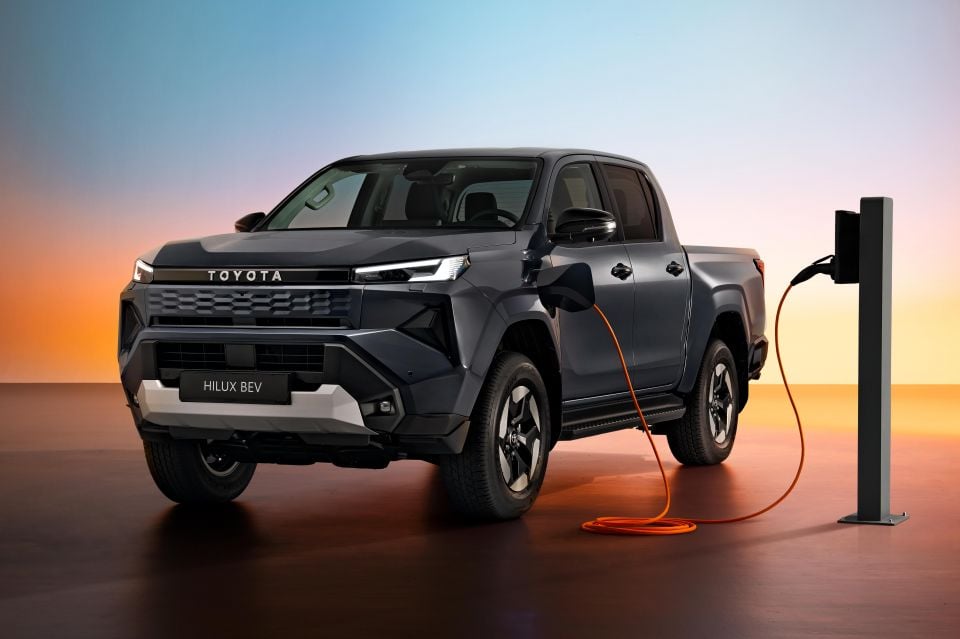
The Minister for Climate Change and Energy said the job is far from complete as he rounded out his ABC radio interview.
“[There’s] A lot more to do when it comes to charging infrastructure and ensuring that support,” Mr Bowen said.
“We’ve tripled the number of charging stations available, we’ve massively increased the number of EVs, but this is an ongoing task, and one that we’re up for.”
MORE: Who bought electrified cars in 2025, and who stuck with petrol and diesel?