
Change rarely happens softly in the automotive world. Sometimes it’s a new badge, a fresh color palette, or a tech advancement. But other times, a fundamental shift takes place — a change so big that it remaps the identity of a vehicle millions of drivers rely on. In 2026, Toyota’s iconic compact SUV, the RAV4, enters such a moment. What’s different this time? Hybrid power isn’t just an option — it’s the only powertrain.
For 2026, Toyota has made a decisive bet: electrification — specifically hybrid and plug-in hybrid technology — is central to the RAV4’s future. Gone are the gas-only engines that helped define the model’s early success; in their place is a lineup that leans fully into Toyota’s very popular hybrid systems, with upgraded power, efficiency, and a suite of new technology. This isn’t a tweak. It’s a redefinition of an SUV that has been America’s best-selling compact utility vehicle for years.
From improved performance and fuel economy to software enhancements and an expanded model lineup that includes rugged Woodland and rowdier GR SPORT trims, the 2026 RAV4 is the encapsulation of Toyota’s belief that hybrid power can be both practical and compelling.
A Hybrid-Only Lineup Means A New RAV4 Identity

The most striking change for 2026 is something many drivers may have sensed coming: Toyota has shifted the RAV4 to a hybrid-only lineup, eliminating traditional gasoline engines entirely. Toyota now offers two electrified powertrains for the RAV4: a standard hybrid system and an upgraded plug-in hybrid system, both built around a 2.5-liter four-cylinder engine paired with electric motors.
Why Toyota Dropped Gas-Only Engines In Favor Of Hybrid Power

The base hybrid setup, using Toyota’s fifth-generation hybrid system, produces 226 horsepower in front-wheel-drive trims and 236 horsepower in all-wheel-drive models, with net system output higher than the previous generation. Toyota’s hybrid system uses two motor-generators (MG1 and MG2) along with a planetary-type continuously variable transmission to balance power and efficiency. The AWD versions add a dedicated rear electric motor to bolster traction and agility. EPA hasn’t rated them officially yet, but Toyota’s estimated fuel economy for these models ranges from 39 mpg for the base hybrid and up to 42 for the plug-in version.

This move signals Toyota’s long-term vision: a world where hybrid power is the standard, not an option. By making hybrid the baseline, the 2026 RAV4 signals that Toyota believes electrified powertrains can deliver broad appeal — offering power, efficiency, and everyday usability without forcing buyers into full electric vehicles.
The Plug-In Hybrid Push: More Power And EV-Capable Range

Toyota didn’t stop at a full hybrid lineup. The 2026 RAV4 also introduces a heavily upgraded plug-in hybrid electric vehicle (PHEV) powertrain — effectively the successor to the outgoing RAV4 Prime. According to Toyota and automotive outlets, this new system uses the same 2.5-liter engine and multiple electric motors, paired with a high-capacity battery that enables about 50 miles of electric-only driving on a single charge. That’s a notable bump from the previous generation’s ~42-mile range.

Power from this plug-in system is equally compelling. The new PHEV RAV4 produces up to approximately 324 horsepower, a significant increase over the outgoing model and strong enough to give real performance without sacrificing fuel economy. PHEV models also support DC fast charging on select trims (like Woodland and XSE grades) thanks to a CCS port — a capability more commonly found on fully electric vehicles. This helps shave charging times from hours to about 30 minutes, from 10 percent to 80 percent capacity, making longer trips more practical without overreliance on the internal combustion engine.

Toyota’s continued investment in hybrid and plug-in technology echoes broader industry trends: electrification doesn’t have to mean a new lifestyle for every buyer. Instead, Toyota is proving hybrids and plug-ins remain relevant, powerful, and efficient — even for mainstream SUVs.

Hot Take: Last Year, The Toyota RAV4 Did The Unthinkable, And It’s Easy To See Why
It may not be the best at everything, but this SUV is much more than the sum of its parts.
Powerful Enough For Everyday And Bigger Adventures

While numbers don’t tell the full story of what a car is like to actually live with, they help shape expectations. The standard hybrid RAV4’s 226–236 horsepower output is up from the outgoing generation, thanks to improvements in Toyota’s fifth-generation system and enhanced power control units. The AWD hybrid versions employ a rear electric motor to assist traction and give it the extra horsepower without extra fuel consumption.
Standard And Available Powertrains That Pack A Punch

On the plug-in side, the 324-horsepower PHEV stands out not just for raw output but for its blend of electric range and SUV utility. It’s rare to see such a power in such a plain commuter, especially while still putting up MPGs like that. Toyota estimates the electric-only range to be around 50 miles.

Towing capacity in 2026 also sees improvements. AWD hybrid and PHEV trims now offer up to 3,500 pounds of towing capacity, which is a huge jump in the RAV4’s capabilities for weekend gear, small trailers, or light boats — an appealing feature for buyers who want more utility without sacrificing efficiency. The front-wheel-drive models can only pull 1,750 pounds.
Driving Modes And AWD Tech: Balanced And Flexible

Toyota doesn’t just stop at electrification; it gives drivers a suite of tools to make hybrid power feel better in real life. Every 2026 RAV4 includes selectable drive modes — Normal, Eco, Sport, and Custom — that tailor throttle response, steering weight, and shift logic. This isn’t likely to be as noticeable as with proper sports cars or performance 4x4s, but I’m sure it’ll add to some drivers’ experiences.

AWD models use an Electric On-Demand AWD system, which engages a rear motor to assist traction proactively. This system helps limit slip during start-off and improves cornering by reducing understeer — something especially welcome on rain-slicked roads, gravel paths, or fire roads. It’s a thoughtful application of tech that enhances capability without complicating things.

If You Love The Toyota RAV4, Here Are 10 Other SUVs You Should Check Out
The RAV4 has a lot of competition in the U.S., leaving consumers spoiled for choice.
Tech, Safety, And Interior Upgrades That Match The Powertrain

The 2026 RAV4’s transition isn’t limited to powertrains either. Toyota has also equipped the SUV with its new “Arene” software development platform, which underpins a more advanced infotainment system and helps enable over-the-air updates and connected features. Not the most exciting upgrade, but it again shows Toyota is heading forward into a misty future.


Find 2026 Toyota RAV4 and more cars for sale on our Marketplace
Arene Software And Smarter Multimedia

Inside, all RAV4s now come standard with a 12.3-inch digital gauge cluster and multiple touchscreen options — a 10.5-inch display on base models and up to a 12.9-inch multimedia screen on higher trims. The updated Toyota Audio Multimedia system boasts faster response times, seamless wireless Apple CarPlay and Android Auto integration, dual Bluetooth connections, and more intuitive voice commands. Wireless smartphone integration, multiple USB-C ports, Qi wireless charging, and available premium audio options are all part of Toyota’s effort to ensure the RAV4 feels current.
Safety Suite And Convenience Features

Toyota also updates the RAV4’s safety suite to Toyota Safety Sense 4.0 (TSS 4.0), which builds on the brand’s long-standing suite of active safety systems. This includes improved adaptive cruise control, lane departure alert with steering assist, automatic emergency braking with pedestrian detection, and enhanced object detection thanks to hardware and software upgrades. These systems reflect incremental but important improvements in driver assistance technology.

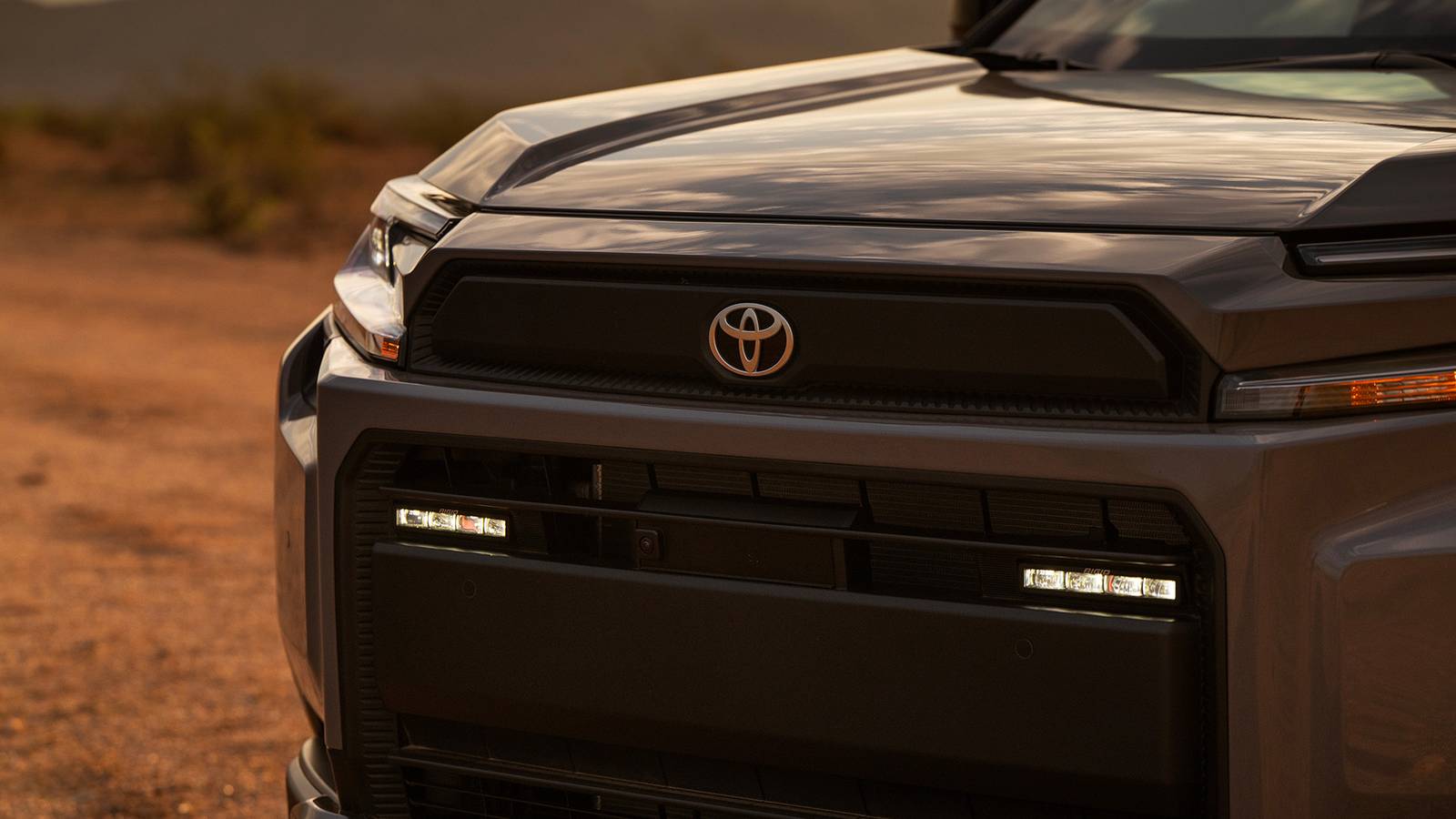
Beyond safety, convenience features like a hands-free power liftgate, ambient lighting, heated seats, and larger cargo space add to the SUV’s checklist. There are also trim-specific features — off-road cosplay Woodland models lean into outdoor themes with raised rails and off-road-y cladding accents, while the new GR SPORT trim brings a slightly stiffer suspension tune and visual flair inspired by Toyota’s Gazoo Racing division.

Ranking The Toyota RAV4 Model Years For Reliability
America’s favorite compact SUV. See the most reliable model years.
TopSpeed’s Take

The 2026 Toyota RAV4 is a bit more than your normal refresh. Toyota sees the future of its most important SUV heading in a very specific direction, and this is that first step. By making hybrid drivetrains the foundation of the lineup, improving power and efficiency, and adding more modern tech… Toyota isn’t just keeping up with the competition. It’s trying to redefine what a mainstream SUV can be.
Sources: Toyota