
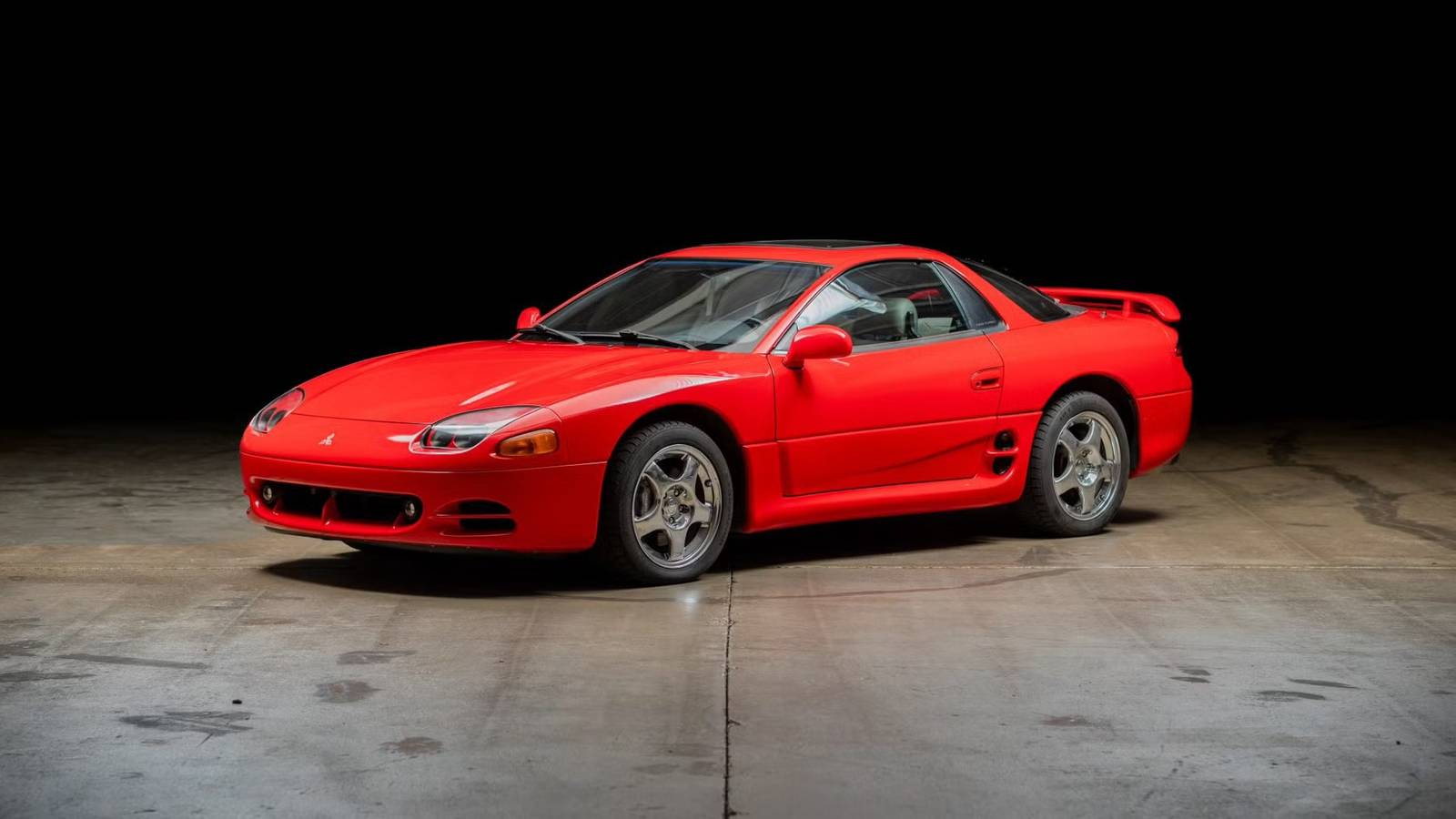
An old sports coupe is suddenly back in the spotlight, and it could reshape how automakers think about vehicle design, buyer responsibility, and even who gets to purchase certain cars.
A long-running lawsuit involving a 1992 Mitsubishi 3000GT is heading back to trial after Pennsylvania’s appeals court overturned a staggering, nearly $1 billion jury verdict against Mitsubishi Motors. The case centers on a rollover crash that left driver Francis Amagasu a quadriplegic, and raises uncomfortable questions about roof height, seatbelt design, and how far manufacturer liability should extend.

The Best Used Sports Cars You Can Buy For Under $5,000
Proof that affordable high-performance sports cars aren’t a myth and here’s why these 25 models made it to our comprehensive list
A Rollover, A Roofline, And A Billion-Dollar Verdict

The crash happened in 2017. Amagasu lost control while attempting to pass another vehicle, struck multiple trees, and rolled over. During the crash, his head contacted the roof, resulting in catastrophic spinal injuries.
His family later sued Mitsubishi, alleging that both the seatbelt and the car’s low roof contributed to the severity of his injuries. Central to the argument was the belt’s “rip-stitch” design, which tears under load to reduce deceleration forces. Plaintiffs claimed this effectively added several inches of slack, allowing excessive movement inside the cabin.
The jury awarded $977 million, consisting of $176.6 million in compensatory damages and $800 million in punitive damages. Mitsubishi appealed, and the Superior Court of Pennsylvania ultimately threw out the verdict, ruling that jurors were improperly instructed on how to evaluate whether a safer alternative design would have prevented specific injuries.
The automaker now gets a new trial. Mitsubishi maintains that the vehicle met all safety and regulatory standards at the time it was built and says the final financial impact remains uncertain.

10 Cheap Sports Cars That Could Skyrocket In Value Soon
Now could be the best time to collect one of these performance cars while they are still reasonably priced and enjoy all the fun on offer.
Why This Case Could Change What Cars Get Built (And Bought)

While the original verdict is no longer standing, the stakes remain enormous. If a future jury sides with the plaintiff on the theory that a low roofline itself constitutes a design defect, the ramifications could ripple across the industry. Sports cars, coupes, and compact vehicles often prioritize sleek lines and low-slung design over vertical headroom. A legal precedent holding manufacturers responsible for injuries tied to roof height could put those designs under intense scrutiny.
Could automakers begin limiting sales based on driver height? Could insurers challenge claims involving low-roof vehicles? Might some small or sporty cars become legally risky to sell at all? And where does personal choice factor in when someone knowingly buys a low-slung performance car? These questions aren’t hypothetical. Similar cases are already piling up.



Ford Once Faced A Big Verdict As Well

Ford faced a $1.7 billion verdict in 2022 over alleged roof-crush defects (later overturned) and is currently appealing a separate $2.5 billion judgment tied to a Super Duty rollover. Massive payouts, even when reversed, are becoming more common, and they’re rattling investors. For automakers, the concern isn’t just legal exposure. It’s product planning. If courts start treating certain body styles as inherently dangerous for taller drivers, manufacturers may rethink everything from roof structures to seating geometry and even marketing language.
For consumers, especially taller ones, this case could eventually influence what vehicles are available, affordable, or insurable. The Mitsubishi lawsuit has already dragged on for nearly a decade, and with a retrial ahead, resolution is still years away. But one thing is clear: if the plaintiff ultimately prevails, the impact won’t stop with a single aging sports coupe. It could reshape how cars are designed and who they’re designed for.