
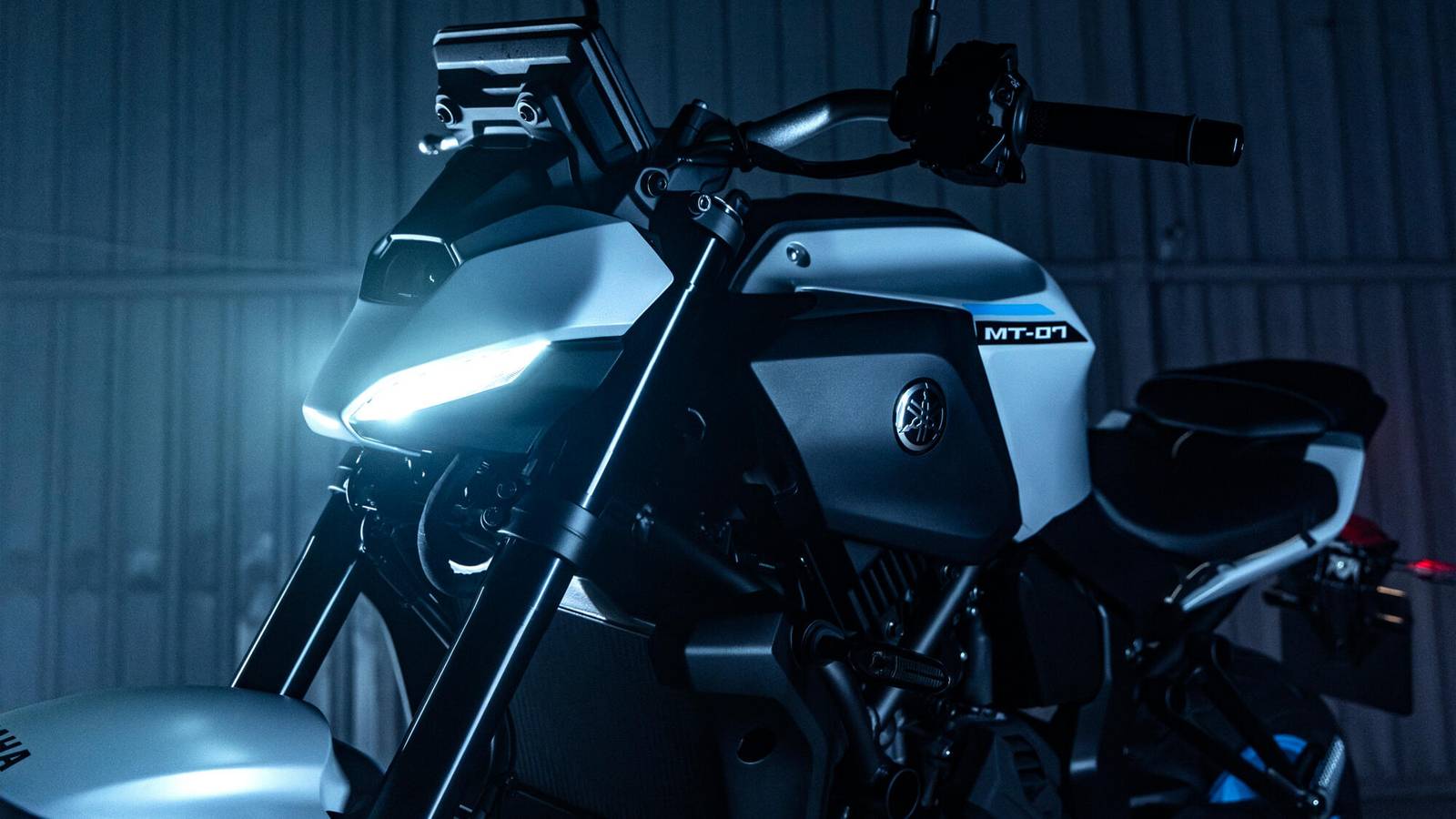
As tastes and preferences change over the years, we have seen several different motorcycle segments emerge. These days, more versatile motorcycles have become ever so popular, but in the past all motorcycles needed to be versatile. The standard motorcycle, with relaxed upright ergonomics, was a motorcycle specifically designed for broad appeal.
Over time, the term “standard” lost its luster, and in the 90s Ducati rather effectively reinvented the wheel by introducing the Ducati Monster, widely regarded as the very first naked sports bike. This one model forced answers out of all the major manufacturers, and by the 00s naked bikes had effectively evolved into the new “standard” motorcycle. Out of all the exceptional bikes in this segment, it is Yamaha’s interpretation that strikes the best balance between fun and practicality.
To give you the most up-to-date and accurate information possible, the data used to compile this article was sourced from Yamaha. Whereas, the opinions are our own.

The Naked Bike That Blends Performance, Comfort, And Everyday Fun
With a V4 engine, comfortable ergonomics, and oodles of punch, this naked bike is hard to beat
The Yamaha MT-07 Feels Easy, Enjoyable, And Built For Real Life
MSRP: $8,599

The MT-07 is one of the original multi-platform motorcycles, with its CP2 engine making its way into just about every kind of motorcycle. It all started here, though. It has since gone on to become one of the most ubiquitous motorcycles on the market, offering impressive bang for the buck, while also remaining relatively accessible. This is a crowded space, though, and even with the recent refresh there are still some impressive alternatives.

Say what you will about Chinese motorcycles, but the CFMoto 675NK looks like a bit of a bargain. It has significantly more power than the Yamaha, all the same features, and costs over $1k less. Its triple is fairly new, but it is far from proven, so even though it is potent, we simply don’t know what the long-term reliability will be like. The one thing we can say is that the build quality is not quite at the same level as the Japanese competition.

Suzuki has had the current SV650 on sale for quite some time now, and even though it is outgunned in terms of features, it has a far better chassis. It also has a genuine V-twin, and that engine alone makes it worth considering. Kawasaki, on the other hand, offers the Z650 ABS, which is cheaper, and like the Yamaha, benefits from a recent refresh. Honda has also thrown its hat into the ring with the new E-Clutch-equipped CB750 Hornet, which has the potential to disrupt the class, offering impressive value.
The MT-07 Has The Legendary CP2 Engine
Power: 72 Horsepower

The CP2 has been around for a long time now, and still boasts an enviable reliability record. Over the course of its production history, there have been no known issues related to the powertrain, and it is arguably one of the most reliable motorcycle engines ever made. While there might be several more powerful motorcycles competing in this space, none are as proven as the MT.
Balancing Reliability And Rider Engagement

By modern standards, 72 horsepower isn’t much, but just like any good middleweight, most of its torque is available throughout the rev-range. The self-proclaimed “Master of Torque” delivers on its promise. Even though it won’t win any spec-sheet wars, it has won over the hearts of those who ride any of the bikes equipped with one of these parallel twins. It is quite simply a fun bike to ride, and thanks to a recent refresh, it should be even more fun to ride.
The Latest MT-07 Has More Modern Features

The MT range all follow the modern “Transformer” design trend. Its design certainly won’t leave anyone on the fence, but the same is true for most naked bikes in this class. In our opinion, it is one of the few factors counting against the Yamaha because the latest update saw the venerable MT get features that make it more competitive than ever. It now has switchable traction control to go along with ride modes and a TFT dash with smartphone connectivity. But the big update was reserved for the chassis.
An Improved, But Still Limited Chassis

The most apparent change is to the suspension, with the bike now equipped with an upside-down fork. Yamaha claims to have also improved the rigidity of the chassis, which would be a welcome update. At this price point, all bikes are compromised in certain areas to stay on budget, and for the MT-07, Yamaha chose the chassis. Its rudimentary steel frame has always been a weak point, so the improved rigidity will certainly make a discernible difference to the handling.

Its famed agility is mostly down to the short wheelbase and low weight, rather than the chassis. This was always highlighted by the fact that the front wheel was averse to staying planted. Although we have no doubt that the handling will have improved, it is important to be realistic about what can and can’t be achieved with a bike like this. It is not a track bike after all.
If that is what you are after, Yamaha will gladly point you to the R7 – the MT is a street bike. A fun one at that. Its chassis is still far from perfect, but it is more than adequate to handle 72 horsepower. Its powertrain is engaging, but far from intimidating. This is an incredibly well-balanced package, and even though there might be some cheaper alternatives, none boast the proven track record of this fun-loving MT.
Chassis, Suspension, And Weight Specifications
|
Chassis |
Steel diamond |
|
Front Suspension |
41mm KYB inverted fork (5.1-in travel) |
|
Rear Suspension |
KYB single shock, adjustable preload and rebound damping (5.1-in travel) |
|
Weight |
403 lbs |