
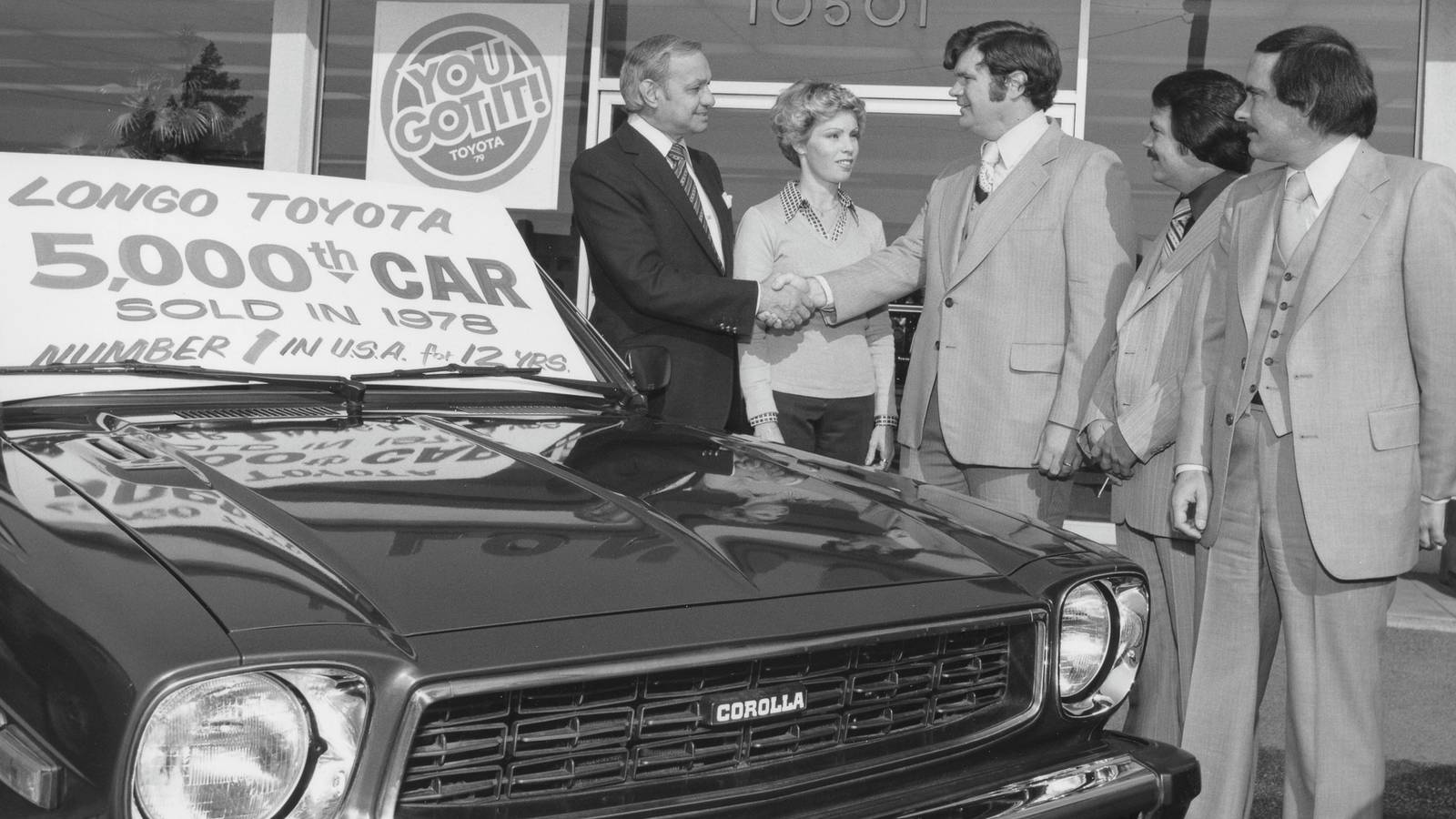
For decades, compact sedans were the backbone of American commuting. Models like the Honda Civic, Toyota Corolla, and Nissan Sentra weren’t just transportation — they were the vehicles carrying that pesky ol’ American Dream. In the 1970s and 1980s, rising fuel prices and growing suburban sprawl pushed families and daily drivers toward more reliable, easy-to-park compact cars that delivered excellent gas mileage and low ownership costs.
Buyers trusted them, mechanics loved them, and dealers stocked them like apples. But over the last two decades, the automotive landscape shifted beneath those once-solid foundations. Today, the sentiment that “everyone drives a sedan” feels not only outdated but just not true. Compact sedans still exist, but they’ve lost so much ground to crossovers, SUVs, and pickup trucks with a more commanding presence and perceived utility. We want to explore that arc — the rise of compact sedans, their peak as commuter icons, and the decline of commuter cars in America, shaped by shifting consumer psychology, changing priorities, and industry forces.

Sedan vs SUV: Which One Is Right For You?
Should you drive a sedan or an SUV? What about crossovers? Here are some answers to your questions concerning sedans vs. SUVs.
From Family Staple To Automotive Mainstay: The Rise Of Compact Sedans

Studebaker first used the term “sedan” to describe the Studebaker Four and the Studebaker Six in 1912. Although the original use of the term barely applies to the word today, it illustrates how deep the roots of the sedan reach back to the foundational years of automotive manufacturing. So, that we’re clear, the traditional classification of a sedan is what they call a three-box car, meaning a car with three distinct sections: the first box for the engine (hood), the second for the passenger cabin, and the third for the trunk.

In the post-World War II era, “compact” sedans (as compact as you could get in the 50s) began gaining traction in the U.S. marketplace. Early adopters were often city dwellers and budget-focused buyers, but the 1970s oil crisis finally pushed true small cars into legitimacy and led to the boom of Japanese cars. Fuel-efficient, reliable models like the Honda Civic, introduced in the early 1970s, and Toyota’s Corolla, around the same time, helped Americans rethink performance as a more relative term. These cars were inexpensive to insure, easy to maintain, and simple to live with — a winning combination in the days of gas price volatility.
By the 90s and even into the early 2000s, compact sedans weren’t niche anymore — they were everywhere. The Honda Civic and Toyota Corolla consistently ranked among the top-selling new cars in the U.S., prized for reliability and strong resale value. They fit neatly into the daily routines of commuters, urban families, and young drivers alike. A compact sedan wasn’t aspirational; it was practical, affordable, and everywhere.
These cars didn’t need hype. They simply worked — a testament to decades of engineering refinement that kept engines economical and packaging sensible. They simply made too much sense not to buy.

The Big Vehicle Craze May Be Coming To An End
After decades of car bloat, buyers are beginning to indicate a preference for smaller cars.
Who Knew So Many American Drivers Wanted To Sit Up Higher?

The sedan era maintained heavy strength throughout the 90s and well into the 2000s. However, also during the 90s and into the 2000s, another counter trend was burgeoning — the rise of SUVs and crossovers. Originally marketed as rugged, outdoorsy family vehicles, 90s SUVs were rugged and spartan. With the flash of the 2000s, SUVs evolved into symbols of flexibility, security, and eventually, luxury. Unlike sedans, they offered higher seating positions, easier ingress and egress, and greater cargo space without sacrificing everyday usability.
This shift wasn’t subtle. In 2005, sedans outsold SUVs by more than two to one in the U.S. In fact, SUVs outsold Sedans in America for the first time in 2014. And by 2025, SUVs and Light Trucks claimed nearly three-quarters of the market, while sedans declined to single-digit shares of total sales. This shift didn’t just politely nudge sedans aside; it flipped the entire new-car market and commuter expectations like a sandy towel.
2025 American Car Sales
|
Rank |
Brand |
Model |
Sales 2025 |
|
1 |
F-Series |
828,832 |
|
|
2 |
Silverado |
558,709 |
|
|
3 |
RAV4 |
479,288 |
|
|
4 |
CR-V |
403,768 |
|
|
5 |
Pickup |
374,059 |
|
|
6 |
Sierra |
356,218 |
|
|
7 |
Chevrolet |
Equinox |
332,301 |
|
8 |
Toyota |
Camry |
316,185 |
|
9 |
Model Y |
(est) *300,000 |
|
|
10 |
Toyota |
Tacoma |
274,638 |
Several human factors helped fuel this shift. Safety psychology experts note that taller vehicles create a sense of visibility and control that many drivers — especially families — find reassuring in daily traffic. That elevated “command seat” isn’t just a marketing slogan; it’s a perception of safety that has a real influence on buyer behavior.
Cargo and family requirements also played a huge role. Compact sedans were fine for kids and groceries, but SUVs and crossovers brought flexible seating, fold-flat storage, and the message that drivers could do more with one vehicle. Whether it was hauling bikes, pets, or luggage for a weekend trip, the SUV seemed to offer more capability for the same or slightly higher price.
Lastly, not for nothing, SUVs appealed to the masculinity that threatened some when Minivans or station wagons were near. SUVs have surfed in the wake of the sinking of the “mom car” notion, and never looked back.
Compact Sedans vs SUVs: Wall Street Meets Main Street

And manufacturers were happy to oblige the people’s new automotive obsession. SUVs and crossovers consistently delivered higher profit margins than compact sedans. Larger vehicles generally let automakers charge more, and customers proved willing to pay it. The complexity of meeting strict emissions standards for small, fuel-efficient cars also made compact sedans less attractive for automakers to prioritize, compared with larger vehicles that could absorb compliance costs more readily. The money tree was primed for getting wacked.
As SUVs blasted past the mainstream into their own stream, sedans began to disappear from showroom floors. Brands once synonymous with commuter cars gradually reduced their sedan offerings, pivoting to crossovers and truck-based platforms. Even midsize segments, long a stronghold of models such as the Chevrolet Malibu, saw their namesake retired as focus shifted to more profitable and popular segments.

The shift toward trucks and SUVs wasn’t just about size; it was about perceived versatility and lifestyle fit. For many, a crossover symbolized adaptability — a vehicle capable of weekly commutes, weekend errands, road trips, and a theoretical long weekend adventure.
What Buyers Really Want Today
Hint: It Rhymes With “Door”

More. People want more. Commuters today aren’t just buying transportation — they’re buying convenience, flexibility, something with good mileage, 4WD, heads-up display, and seven seats. A compact sedan always just represented enough. But its role has been eclipsed by vehicles that feel less constrained by “enough” and are now being sold as “Yeah, but what if…?” What car shoppers want today over anything else is “more.” More room, more horsepower, more screens, more outlets, cupholders, tech, seats, doors… because we want to have a vehicle that does everything.
Technology adoption is also part of the story. Many modern SUVs and crossovers integrate advanced infotainment systems, connectivity, cameras, driver aids, and features that sedans of the same price can struggle to match due to packaging or cost constraints. These features don’t just feel like luxuries, they’ve become expected — especially for younger buyers who grew up with these technologies.

Some buyers say they feel “more in control” in an SUV simply because of the higher driving position, even if the physics of safety are complex. That psychological association between size and safety — rightly or wrongly — influences many decisions in crowded urban and suburban environments alike.

Compact sedans, to their credit, still have some fight left in them, offering advantages like better fuel economy, easier maneuverability in tight spaces, and lower price tags. But for most buyers, those benefits are outweighed by the utility premium offered by crossovers. One major dealership group pointed out that, even though over 1 million new sedans were registered in 2025, the shift toward larger vehicles has fundamentally altered how consumers perceive the ideal commuter car.

What Happened To American Station Wagons, And Can They Make A Comeback?
What was once a staple on the market has all but disappeared. Here is what happened to the American station wagon and what it needs for a comeback.
Is The Compact Sedan Dead? Or Just Evolving?

Despite their decline, compact sedans aren’t gone for good. Some models continue to sell, and a few even buck the trend with consistent sales year after year. For example, the Toyota Corolla — an icon of the compact segment — reported rising sales figures in 2025 even as the overall segment contracted slightly.
But the role compact sedans play has undeniably changed. They’re no longer the unquestioned commuters’ choice. Instead, sedans feel like thoughtful alternatives for drivers who prioritize fuel economy, lower ownership costs, and a simpler driving experience over the versatility of an SUV. That niche is growing in specific demographics, but it’s not large enough to restore sedans to their former dominance.
Some analysts even see the sedan’s decline as halting, not terminal. With rising fuel prices and growing interest in downsizing, some buyers are returning to smaller vehicles — not because they miss sedans per se, but because compact SUVs combine many of the benefits of both worlds.

Consumer Preferences Toward Pickups Radically Changing And Here’s Proof
We love a pickup truck here in the U.S.A., but our preferences to what kind of truck we buy has changed, here is what you need to know about the shift
A Shift That Reflects Everyday Life
Even The Things That Seem Still…

The story of compact sedans in America isn’t just about car styles; it’s about how people live, work, and envision their daily routines. Once the unquestioned choice for commuters, compact sedans fell out of favor not just because people’s tastes evolved; it’s because our lives changed. Buyers now seek vehicles that fit a broader set of needs — from weekend adventures to family outings — without sacrificing anything.
The rise of compact sedans showed how functionality and economy could define a generation’s mobility. Their decline reveals how shifting lifestyles, technology expectations, and human psychology have reshaped everything. In that sense, the tale of the compact sedan isn’t over — it’s just changed.