
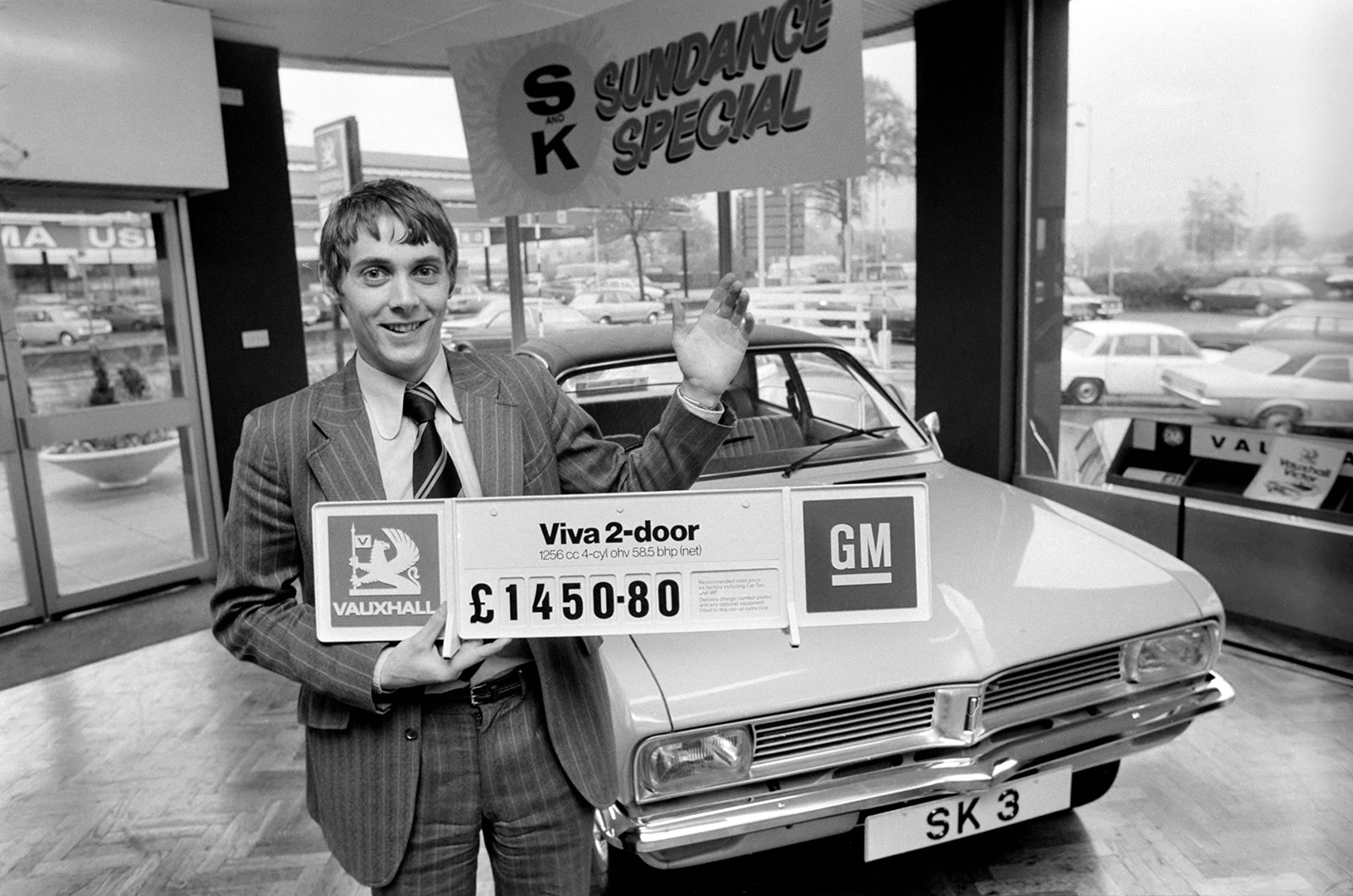
“In the past, British car manufacturers have been rather reluctant to issue any clear figures on their actual model production,” we reported in May 1969.
“Now the Society of Motor Manufacturers and Traders has compiled detailed statistics for the Big Four – British Leyland, Ford, Rootes and Vauxhall.”
Car production and export figures had been obtainable as early as the 1900s, extracted from government trade documentation, but they were expressed in financial terms and didn’t distinguish between makers, let alone individual vehicle types.
Before long, the SMMT started to release its own statistics. In 1923, for instance, the British industry made 153k vehicles, of which 29k, or 19%, were exported (primarily to Australia, if you’re interested).
Enjoy full access to the complete Autocar archive at the magazineshop.com
Whether statistics on makes and models existed for SMMT members isn’t entirely clear, but we would assume Wolseley had some basis for its claim in a 1934 advert to be the maker of the best-seller in the 9hp class.
After the war, members allowed more detail to be publicly divulged in the form of capacity categories. For instance, Autocar reported in 1951 that cars under 1600cc were by far the most popular.
This was still in contrast with the situation in several other countries, though. For example, we reported in 1954 that Volvo, Volkswagen and Ford led the way in Sweden; in 1957 that Renault was the favourite in France, selling nearly twice as many cars as Simca, Citroën or Peugeot (in that order); and through the 1950s, we often labelled Chevrolet as America’s number one.
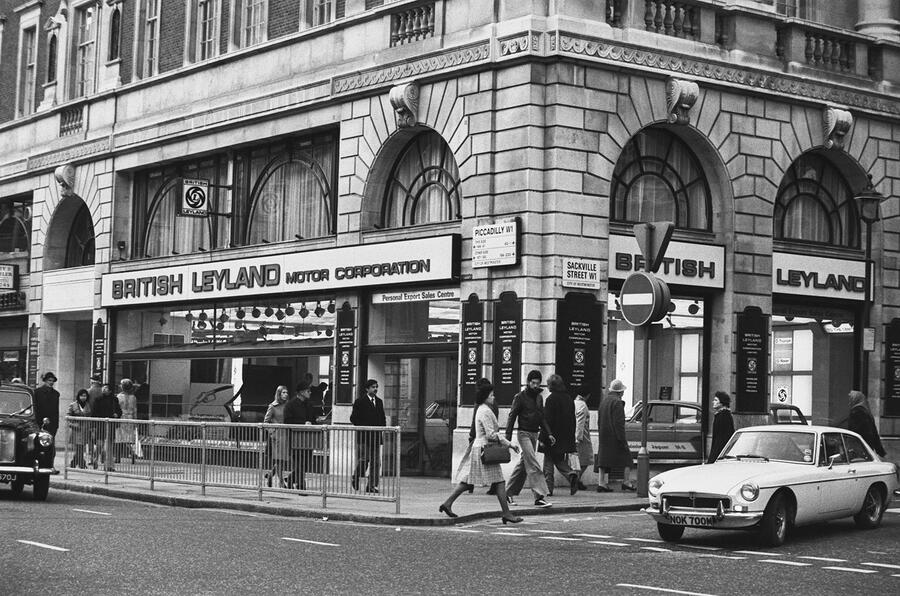
Then came that British watershed moment of May 1969 – and it wasn’t only make and model statistics for the previous year that were shared but for the previous four years.
The British Motor Corporation’s 1100/1300 range had topped the 1965 model chart (the Austin and Morris saloon versions being the most common), with 158k sales, followed by the Ford Cortina (117k) and Austin/Morris Mini (104k).
In 1967, the Cortina blasted past the 1100/1300, with 165k sales versus 131k, while the new Vauxhall Viva appeared in third with 100k.
Worryingly for the British firms, imported cars had scaled a steep incline during those four years, rising from 56k to 91k annually. Leading the charge were Fiat, Volkswagen and Renault – but they each had a market share of only 2%, compared with 40% for BMC successor British Leyland, 27% for Ford, 12% for Vauxhall and 10% for Rootes.