
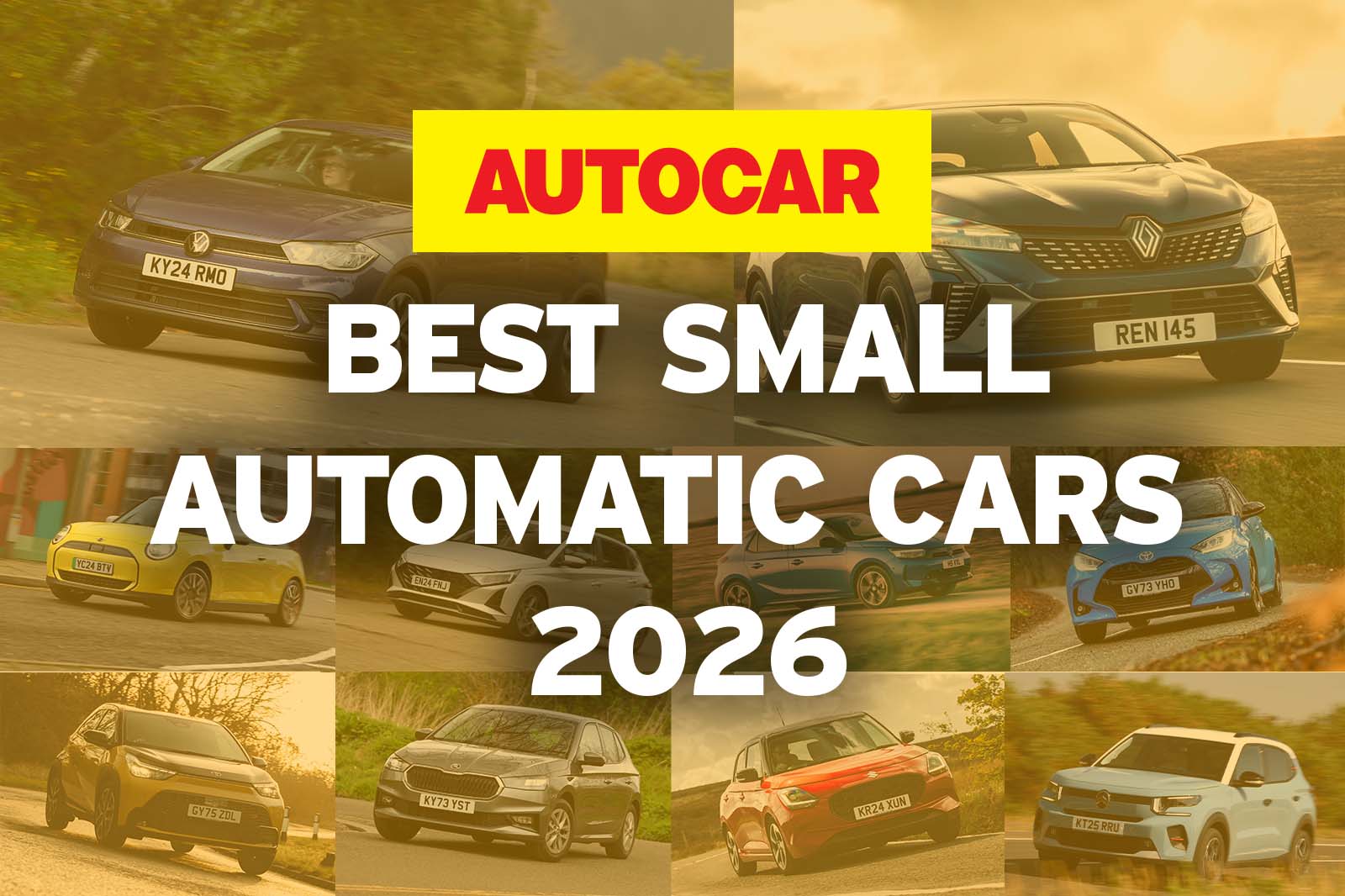
When reviewing the best small automatic cars, we focused on the specific needs of the modern driver: effortless urban commuting, refinement at speed and the smoothness of the gearbox itself. Here’s what we assessed:
1. Transmission calibration
Not all automatics are the same. We evaluated the responsiveness of dual-clutch transmissions (DCTs) for low-speed ‘creep’ and shift speed, tested CVTs for engine “drone” under acceleration and checked traditional torque converters for smoothness. We also looked out for jerkiness at low speeds.
2. Urban agility and manoeuvrability
A small car must excel in tight spaces. We compared the turning circle of each car and tested the steering weight to see how easily each car navigates mini-roundabouts and multi-storey car parks.
3. Real-world efficiency
Small cars are often chosen for low running costs. We assessed each car’s claimed MPG and compared this to its real-world figure. We measured the efficiency both in urban and motorway driving.
4. Refinement and ride quality
Small cars often struggle with the UK’s pockmarked roads. We tested each vehicle’s ability to soak up potholes and speed bumps. Crucially, we measured cabin decibel levels at 70mph to see which cars actually feel more mature at a cruise on the motorway.
5. Visibility and technology
Ease of driving is paramount. We assessed over-the-shoulder visibility and the effectiveness of standard-fit driver aids like reversing cameras, blindspot monitoring and auto-hold functions.