
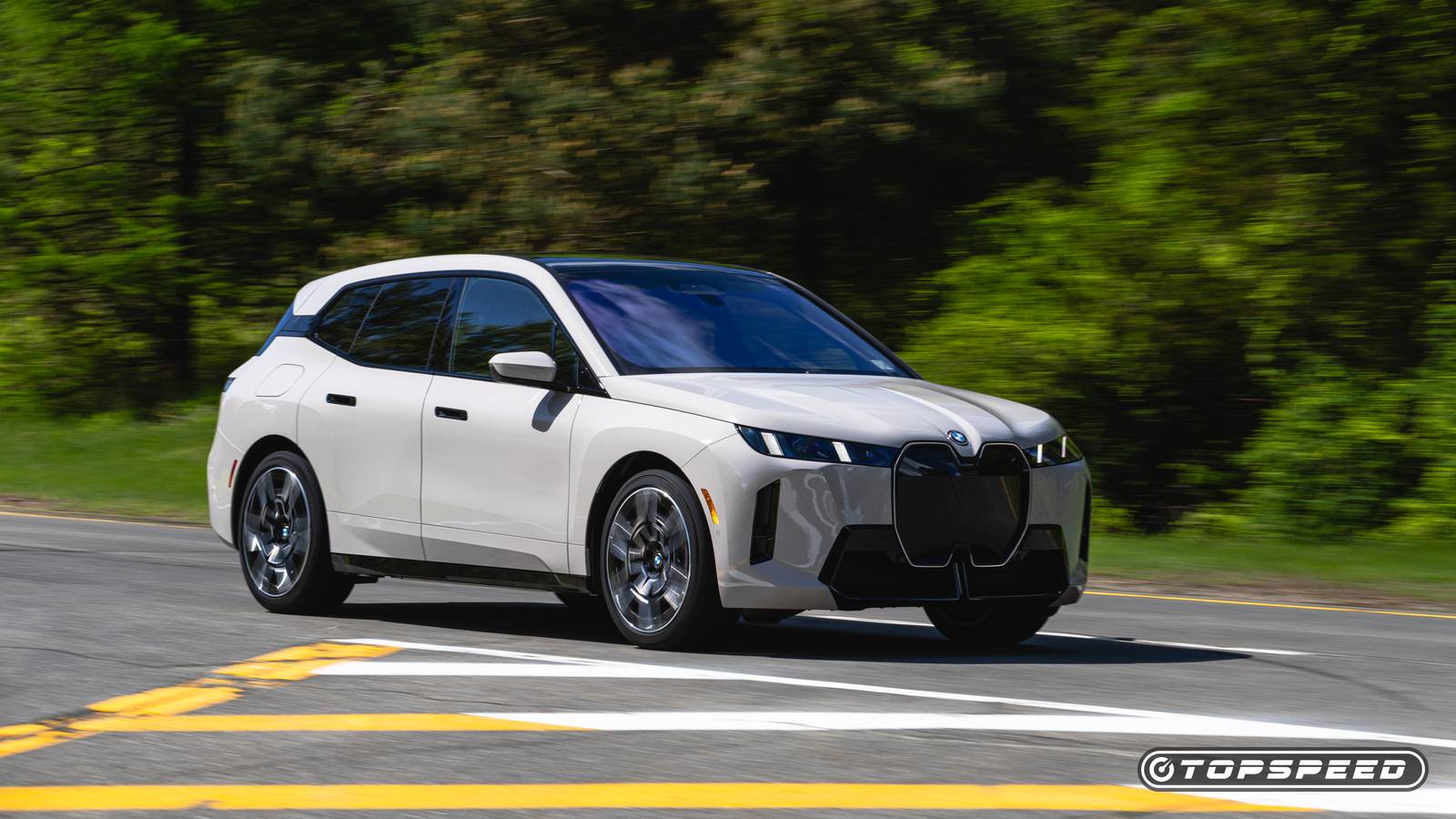
BMW has staked a bold claim in the electrified vehicle (EV) and plug-in hybrid (PHEV) space, bringing performance, luxury, and cutting-edge technology to its growing lineup. From the sporty i4 and iX to hybrid X3 and X5 variants, the Bavarian brand has electrified nearly every segment it touches. Yet, as with most automotive breakthroughs, the question of reliability looms large. Enthusiasts and prospective buyers alike want assurances that these advanced powertrains and sophisticated electronics can stand the test of time, especially given the premium price tags that BMW commands. Reliability perceptions influence resale values, ownership costs, and overall customer satisfaction, so they matter just as much as range figures and 0–60 mph times.


Find 2026 BMW iX and more cars for sale on our Marketplace
In the last few years, independent data from Consumer Reports, iSeeCars, and J.D. Power have provided early glimpses into how BMW’s hybrids and EVs are faring against the broader field. While there are signs of improvement, especially in pure EV models, the electrified segment still wrestles with teething issues related to software, charging systems, and hybrid complexity. Comparing electrified BMWs not just to competitors but to their own gasoline-powered siblings reveals important context for buyers. Here’s a deeper dive into what the data says, and what it means if you’re considering your first or next electrified BMW.
Consumer Reports Shows BMW EV Reliability Is Improving

Consumer Reports (CR), known for its stringent reliability scoring, has been tracking BMW’s transition into electrification with keen interest. Over the past few years, CR’s surveys have painted a picture of gradual improvement across the BMW EV lineup. Earlier EV entries, such as the original i3, suffered from inconsistent reliability and range anxiety that contributed to mediocre scores. However, more recent models, including the i4 and iX, are earning higher reliability marks as owners report fewer mechanical issues and more satisfying ownership experiences. This shift reflects both technological maturation and BMW’s increasing focus on refining its EV systems before they reach the consumer.

Part of the reliability uptick can be attributed to BMW’s work on battery management and drivetrain durability. Electric vehicles depend on complex software to balance power output, thermal regulation, and charging behavior, and early iterations of these systems can be prone to glitches. According to CR’s feedback, later BMW EVs have fewer reports of sudden shutdowns or erratic gauge behavior, two common pain points in early EVs. Drivers also indicate that build quality and interior electronics, historically strengths for the brand, persist in electrified models, mitigating some reliability concerns tied to new powertrains.
That said, Consumer Reports still advises caution. While the recent data shows improvement relative to BMW’s earlier electric attempts, reliability remains average when judged against segment leaders such as Toyota for hybrids or Lexus for luxury reliability. CR’s surveys suggest that BMW’s EV reliability curve is trending upward, but prospective buyers should weigh this progress against the premium they’re paying for cutting-edge technology. Extended warranties and manufacturer updates can help bridge the gap, but long-term ownership data is still accumulating.

The Most Reliable BMWs You Can Buy In 2025
J.D. Power’s 2025 consumer ratings show that BMW still offers several models with strong dependability records.
iSeeCars Data Places BMW Plug-In Hybrids Mid-Pack

iSeeCars, which analyzes millions of used car transactions to draw conclusions about depreciation and reliability, offers another lens through which to view BMW’s plug-in hybrid efforts. Its data suggests that PHEVs from BMW, including the 330e, X5 xDrive45e, and 745e, tend to occupy a mid-pack position in reliability rankings. Unlike standout performers that attract high resale values and low repair records, BMW PHEVs don’t quite match leaders like the Toyota RAV4 Prime or Honda Clarity Plug-In in terms of long-term ownership satisfaction. Instead, BMW’s PHEVs fall somewhere between mainstream competitors and other luxury electrified options.

This mid-pack placement reflects a blend of factors. For one, the complexity of integrating a gasoline engine with electric motors inherently raises the possibility of issues. PHEVs combine two propulsion systems, each with its own maintenance needs, and the coordination between them, managed by software and high-voltage hardware, can introduce points of failure. iSeeCars’ market data shows that while owners appreciate the performance and fuel-savings potential of BMW PHEVs, they also encounter more frequent visits to the shop compared to simpler, non-luxury alternatives.
Moreover, resale trends indicate that depreciation for BMW PHEVs is steeper than for some rivals. Reliability perceptions play into this: buyers in the used market tend to discount vehicles with uncertain long-term profiles, especially when battery health and software support become questions over time. Although iSeeCars’ data doesn’t condemn BMW PHEVs, it does caution that they’re not yet establishing the same reliability reputation enjoyed by the best in class. For buyers prioritizing dependability above all, this mid-pack showing suggests there are safer bets, though few deliver the dynamic driving experience BMW promises.

Here’s Why Buying A Hybrid Car In 2025 Is A Smart Decision
If you’re ready to accept electrification, but don’t want to take the full-blown BEV plunge, then buying a hybrid would be a good start.
J.D. Power Finds Fewer EV Issues But Ongoing Tech Problems

J.D. Power’s annual Vehicle Dependability and Initial Quality Studies offer further insight, drawing from tens of thousands of owners about their firsthand experiences. According to recent J.D. Power results, BMW’s EVs receive comparatively fewer reports of powertrain and drivetrain issues than earlier electrified models. Electric motors and battery systems have matured, reducing the frequency of significant mechanical problems. This trend aligns with broader industry data that pure EVs, with fewer moving parts than internal combustion engines, often sidestep classic reliability pitfalls like oil leaks, timing chain failures, and turbocharger woes.

However, J.D. Power also highlights a persistent theme: ongoing teething problems with tech and electronics. BMW’s infotainment systems, driver-assist features, and over-the-air update mechanisms continue to generate a disproportionate share of owner complaints. These issues range from screen freezes and navigation glitches to erratic behavior in adaptive cruise control. Such problems don’t generally compromise vehicle safety or core propulsion, but they do erode user confidence and contribute to the perception that BMW’s advanced tech isn’t as reliable.
Interestingly, J.D. Power data often shows a contrast between early EV adopters and those who wait for later production years. Vehicles built after the first one or two production cycles tend to benefit from software refinements and manufacturing tweaks, resulting in noticeably better owner satisfaction scores. This pattern suggests that BMW, like many automakers, learns quickly from initial customer feedback, but buyers of new EV tech must be comfortable being early participants in an evolving product. For reliability purists, this means considering later model years or even certified pre-owned options that have had initial bugs worked out.

Why This 3-Year-Old Plug-in Hybrid SUV Beats Most Brand-New Cars In Reliability
This 3-year-old plug-in hybrid SUV offers unmatched reliability, proving itself as a better choice than many brand-new models on the market today.
Why BMW Hybrids Trail Traditional Hybrids In Reliability

When it comes to hybrids, BMW’s offerings, such as the 330e and 530e, are often compared against stalwarts like the Toyota Prius or Honda Accord Hybrid. In many reliability studies, BMW hybrids lag behind these traditional models. The reasons are rooted in engineering complexity and differing priorities: while Toyota and Honda have focused on simplicity and proven hybrid architectures for decades, BMW’s approach blends high performance with electrification, creating systems that are powerful but inherently intricate.

BMW’s hybrids incorporate both performance-oriented turbo engines and robust electric motors, coupled with sophisticated transmission systems. This architecture delivers strong acceleration and dynamic handling, but it also places more stress on components and requires more elaborate control software. Traditional hybrids, by contrast, emphasize efficiency and reliability over outright speed, and their simpler power management systems have decades of refinement. As a result, reliability surveys often show fewer visits to service centers for basic hybrid components in mainstream rivals compared to BMW’s premium cars.
Repair costs for BMW hybrids are usually significantly higher due to premium-priced parts and specialized labor, a combination that further impacts real-world owner satisfaction scores. While BMW’s hybrid technology is impressive on paper, it hasn’t yet achieved the same reliability prestige as the workhorse systems from manufacturers with a longer hybrid pedigree.
How BMW EVs Compare To Gas BMWs in Reliability Data

Comparing BMW’s EVs to its traditional gasoline models yields an intriguing picture. On one hand, pure electric BMWs often outperform their gas-powered counterparts in categories tied directly to propulsion reliability. Electric powertrains have fewer moving parts, no oil to change, and no complex timing systems, all factors that historically generate problems in internal combustion engines. As a result, EV owners report fewer breakdowns related to core propulsion, a trend that reliability studies reflect across multiple brands, including BMW.

However, when reliability data is expanded to include electronics, infotainment, and advanced safety systems, which are abundant in both EV and gasoline BMWs, the advantages narrow. Luxury vehicles, by their nature, are packed with technology features that can be a double-edged sword: they enhance comfort and convenience but also introduce more potential failure points. BMW’s classic gas models, such as the 3 Series and 5 Series, have had their share of tech-related complaints over the years, and this pattern persists in the EV lineup. In some reliability surveys, BMW EVs score similarly to gas models precisely because neither lineup is immune to electronics critique.
Interestingly, in long-term ownership studies, maintenance and repair costs for electric BMWs can be lower overall than for gas equivalents, primarily due to reduced routine servicing needs (no oil changes, fewer brake replacements thanks to regenerative braking, etc.). Yet battery aging and eventual replacement costs, a unique concern for EVs, remain wildcards in long-range reliability projections. Gas-powered BMWs don’t face these issues but carry their own legacy of high-pressure fuel systems and turbocharged engine maintenance. Thus, while BMW’s EVs may offer reliability advantages in specific areas, the overall reliability picture is nuanced and depends heavily on what metrics owners prioritize.
Sources: Consumer Reports, iSeeCars, and J.D. Power