
Some of the famous cars on our roads are famous for many reasons; they are performance demons, feature in some of the most-loved movies and TV shows, and are either exceptionally great or exceptionally bad.
While some of the most iconic sports cars, like the Porsche 911, celebrated pickup trucks, like the Chevy Silverado, and famously frugal hatchbacks, like the OG Prius, get all the glory for the impression they have left on all of us, there are countless overlooked models. This includes underrated muscle cars from the golden era of muscle and unappreciated sports cars flying under the radar that are still roaming the wild and have gone on to change the course of auto history with their unique designs, the power they can churn out, their performance features, and how they combine more than one car’s worth of usefulness into a single model.

The Most Underrated American V8 Engines Of All Time
For reasons that defy reality, some of the greatest American V-8s have been shamefully disregarded, but now we give them a voice.
10
1969 Buick Gran Sport 400
In 1968 and 1969, Buick offered the GS 400 as either a hardtop or convertible alongside their relatively large lineup of Gran Sports, and what they released was a muscle car that seamlessly blends luxury and potent performance. Under the hood sits a raucous V-8 that shifts this barge-looking luxury muscle car to 60 MPH in around 6 seconds, while the inside is built for comfort and an opulent driving experience thanks to comfortable padded seats, a glovebox light, optional bucket seats, a full-length functional console, a Deluxe steering wheel as standard, and air conditioning.
1969 Buick Gran Sport 400 Performance Specifications
|
Engine |
6.6-Liter V-8 |
|
Transmission |
Three-Speed Automatic or Four-Speed Manual |
|
Horsepower |
340 Horsepower |
|
Torque |
440 LB-FT |
|
Driveline |
Rear-Wheel Drive |
|
0-60 MPH |
6.1 Seconds |
|
Top Speed |
120 MPH |
The GS 400 also boasts functional hood scoops, and if you are looking for better performance, the GS 400 is available with the Stage 1 Package, which offers a higher-lift camshaft and a modified carburetor, upping horsepower by a few horses and giving you some extra pull up to 60 MPH. Only around 1,500 Stage 1 engines were fitted in 1969, but if you think this underrated muscle car looks like your ideal ride, you can pick up a Stage 1 GS400 for around $46,000.
Though it hasn’t reached the lofty heights of other muscle cars from the era, the 1969 Buick Gran Sport 400 was instrumental in showing the auto market that luxury and high-end performance can live hand-in-hand in one impressive-looking machine.
9
1970 AMC Gremlin
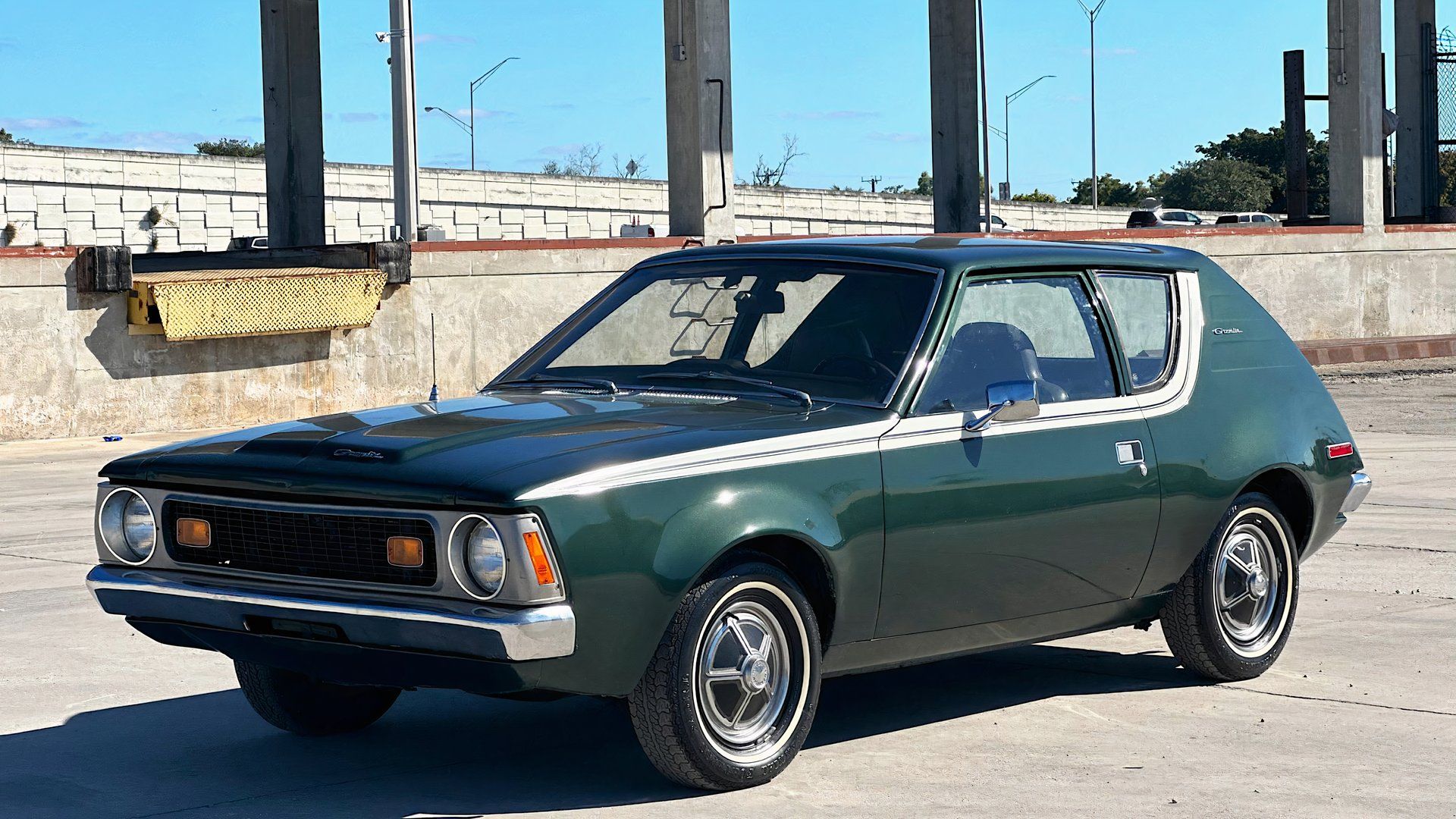
As one of America’s first sub- compact cars, the AMC Gremlin boasts a bold design that turned heads when it was released in 1970 and still does today – you can’t blend in with a Gremlin. Essentially, the Gremlin is a cut-off AMC Javelin design built on top of an AMC Hornet chassis with most of a Hornet body. Unlike some of the older hatchbacks that are still cruising about, the Gremlin is unique due to the abrupt design, which sees 12 inches chopped off the back of a Javelin while leaving the long hood and a relatively powerful mill equipped.
1970 AMC Gremlin Performance Specifications
|
Engine |
3.3-Liter Inline-Six |
3.8-Liter Inline-Six |
|
Transmission |
Three-Speed Manual |
Three-Speed Manual |
|
Horsepower |
128 Horsepower |
145 Horsepower |
|
Torque |
190 LB-FT |
210 LB-FT |
|
Driveline |
Rear-Wheel Drive |
Rear-Wheel Drive |
|
0-60 MPH |
15.8 Seconds |
12.6 Seconds |
|
Top Speed |
85 MPH |
95 MPH |
The Gremlin came around at a good time, just before the 1973 oil crisis, which saw oil and gas prices rise a lot. The 1970 Gremlin was designed to give you a range of around 500 miles, so it was quite a feat for the 1970s, and it made it popular for its relatively cheap running costs at a hard time.
Sub-compact cars have come and gone here in the U.S.A., bigger is increasingly better for a lot of drivers, and standout modes like the Mini Hatch, Toyota Yaris, and Renault Clio have all made their names for their small stature and frugal engines, but the Gremlin has arguably done more than the early years of these models in shaping what small cars and hatchbacks should be; fun, frugal and bold.
8
1973 AMC Hornet
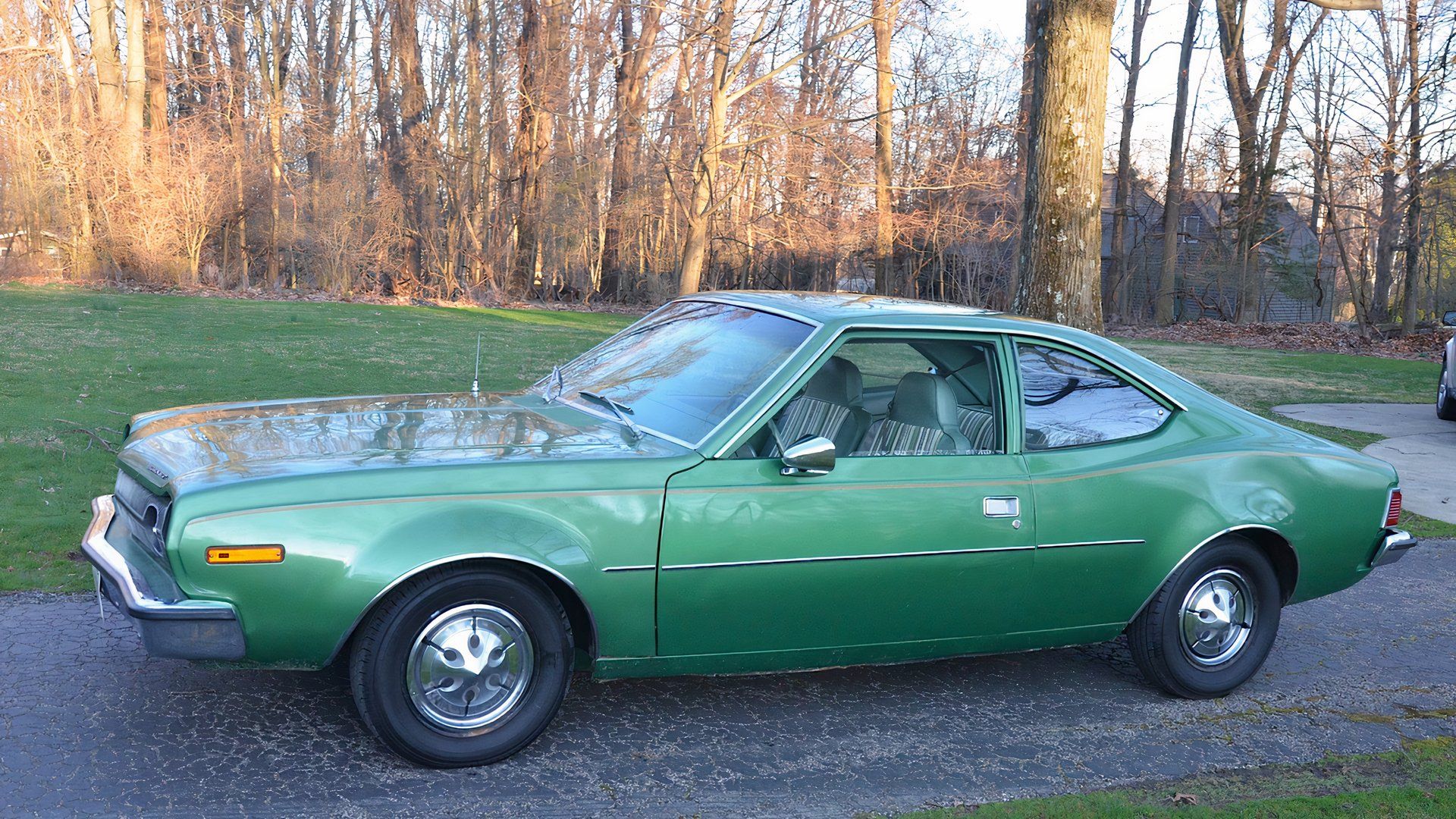
Another AMC compact car, but this time, a lot more performance-orientated – proving that smaller cars don’t have to be boring. Something we all value in some of the best hot hatches today. Boasting a bold front grille, sculpted body lines, and unmistakable presence on the road, the AMC Hornet is both eye-catching and can offer you some decent performance props, thanks to the four available mills.
The largest engine that is available is a 5.9-liter V-8 that boasts a cast-iron block and heads, a bore of 4.08 inches and a stroke of 3.44 inches, nodular iron crankshaft, and connecting rods, and a 16-valve setup with OHV, resulting in a decent torque output and a robust build.
1973 AMC Hornet Performance Specifications
|
Engine |
3.8-Liter Inline-Six |
4.2-Liter Inline-Six |
5.0-Liter V-8 |
5.9-Liter V-8 |
|
Transmission |
Three-Speed Automatic |
Three-Speed Automatic |
Three-Speed Automatic |
Three-Speed Automatic |
|
Horsepower |
145 Horsepower |
200 Horsepower |
210 Horsepower |
175 Horsepower |
|
Torque |
215 LB-FT |
280 LB-FT |
305 LB-FT |
305 LB-FT |
|
Driveline |
Rear-Wheel Drive |
Rear-Wheel Drive |
Rear-Wheel Drive |
Rear-Wheel Drive |
|
0-60 MPH |
13 Seconds |
12 Seconds |
Unverified |
8.4 Seconds |
|
Top Speed |
Unverified |
90 MPH |
100 MPH |
110 MPH |
The addition of the punchy V-8 gives the Hornet true muscle-car DNA in a small package, and originally without the high prices (the ’73 Hornet had an original price of $2,298) that you would have paid for something like a 1973 Ford Mustang ($2,907). Today, you can buy a ’73 for an average price of $16,500, but it stands as an underrated classic car that showed the world that compact cars can have power, style, and attitude in one package.

10 Underrated Used American Cars You Can Buy For Less Than $15,000
Why buy an expensive new model when there are great forgotten American models sitting on the used market at a price that can’t be ignored?
7
1978 Ford Mustang II King Cobra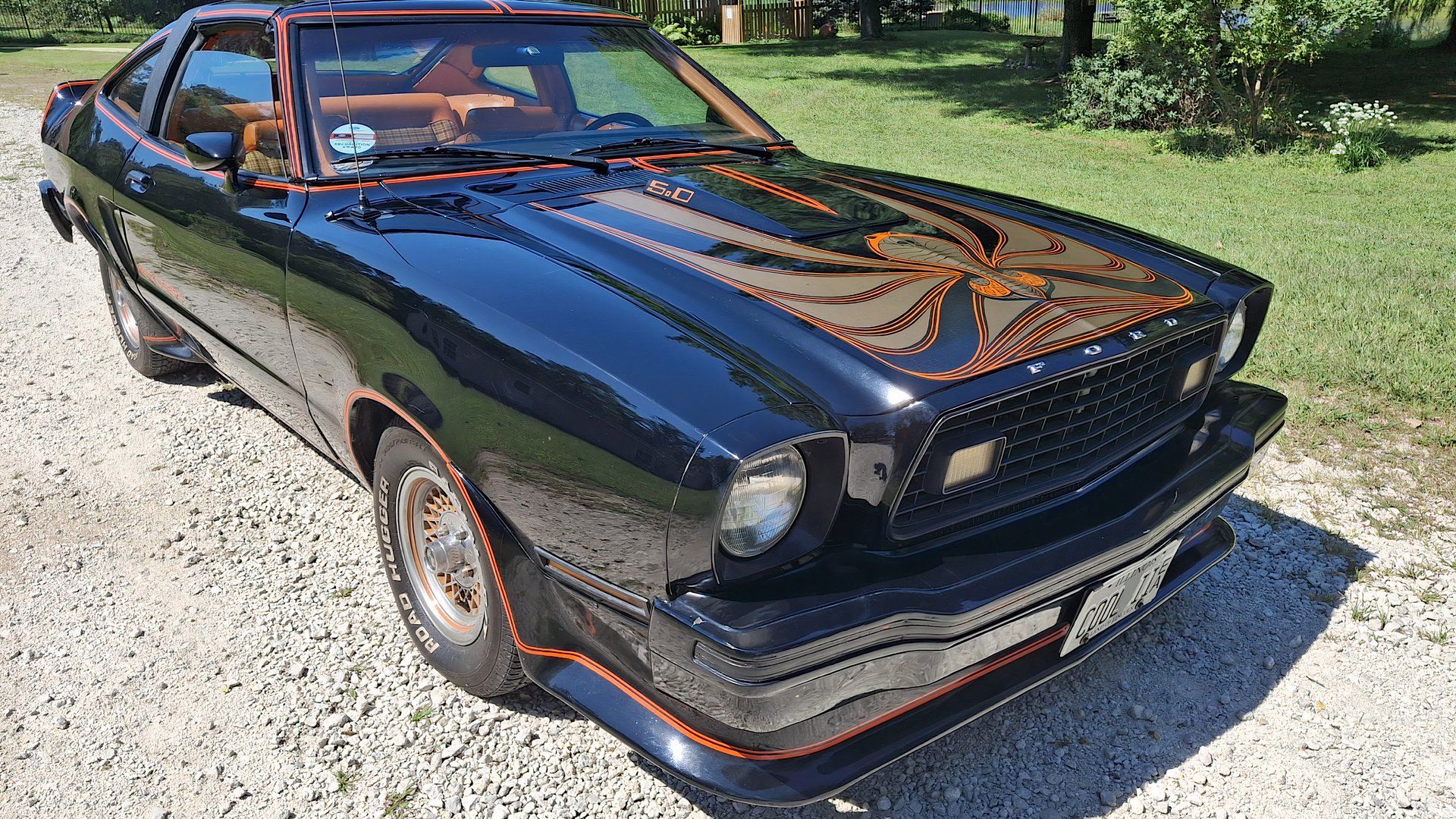
The ’78 Mustang II King Cobra is a distinctive model in the iconic Ford Mustang lineup that combines impressive performance enhancements with unique styling elements that, at the time, helped to keep the legend alive at a time of tight emissions regulations, and today, it makes for a severely underrated model.
The King Cobra was only released as a limited line, with only around 4,000 units released, and boasts a unique interior with sporty black vinyl seats with a Cobra logo embroidered on them, a thicker-rimmed steering wheel, unique gauges, an exclusive black and silver interior color scheme, and an optional T-top roof.
1978 Ford Mustang II King Cobra Performance Specifications
|
Engine |
4.9-Liter V-8 |
|
Transmission |
Four-Speed Manual |
|
Horsepower |
139 Horsepower |
|
Torque |
250 LB-FT |
|
Driveline |
Rear-Wheel Drive |
|
0-60 MPH |
9.8 Seconds |
|
Top Speed |
132 MPH |
The exterior design of the Mustang II King Cobra is what really makes it pop though, which at the forefront includes the exclusive Cobra detailing on the hood, but it also includes :
- Aggressive Front Air Dam. Designed to improve aerodynamics and provide a very muscular appearance.
- Ralleye Wheels. 15-inch rally wheels, which feature black centers and chrome rims.
- Hood Scoop. Provides extra air intake for engine cooling.
- Rear Spoiler. Helps to increase high stability and gives the King Cobra a sporty silhouette.
Today, a 1978 Mustang II King Cobra can fetch prices of $22,900, for an example in good condition.
6
1979 AMC Pacer
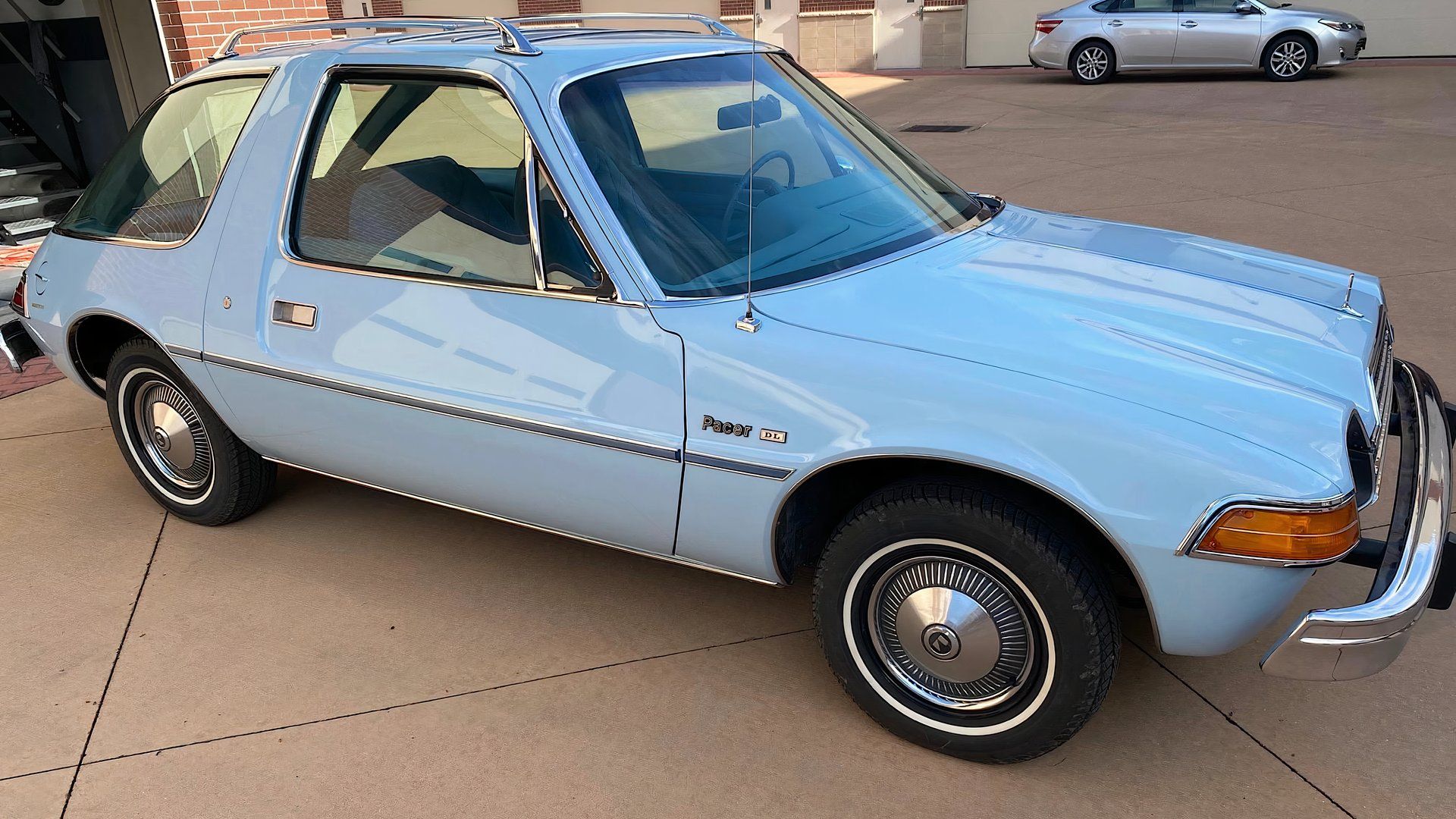
Marking a radical departure from conventional car design for AMC, the AMC Pacer combines a bubble car look at the rear end with an almost futuristic design with an asymmetrical rear side window, a roomy and comfortable interior, and a cargo capacity of 29.5 cubic feet. The Pacer helped to pave the way for the design of cars that incorporate versatility, maximum cargo capacity in a small vehicle, and unique designs.
One of the biggest accolades for the AMC Pacer (not the 1979 model, but the 1976 model) was its starring role in Wayne’s World back in 1992 – making it an enduring part of automotive and movie history.
1979 AMC Pacer Performance Specifications
|
Engine |
4.2-Liter Inline-Six |
5.0-Liter V-8 |
|
Transmission |
Three-Speed Automatic or Four-Speed Manual |
Three-Speed Automatic or Four-Speed Manual |
|
Horsepower |
100 Horsepower |
125 Horsepower |
|
Torque |
210 LB-FT |
220 LB-FT |
|
Driveline |
Rear-Wheel Drive |
Rear-Wheel Drive |
|
0-60 MPH |
15 Seconds |
12 Seconds |
|
Top Speed |
75 MPH |
85 MPH |
Performance-wise, the Pacer wasn’t designed for face-melting speed, but offers a smooth and comfortable ride thanks to a decently torquey available V-8, decent handling thanks to its lightweight design and rear-wheel drive, and spacious front legroom of around 40 inches.
Demand died down for this small and wide compact car during the 1970s when Japanese and German compact cars with good fuel consumption were being imported in increasingly high numbers (the ’79 Pacer can only muster around 22 combined MPG). But today, one of these unique ’70s cars can be bought for just under $13,000.
5
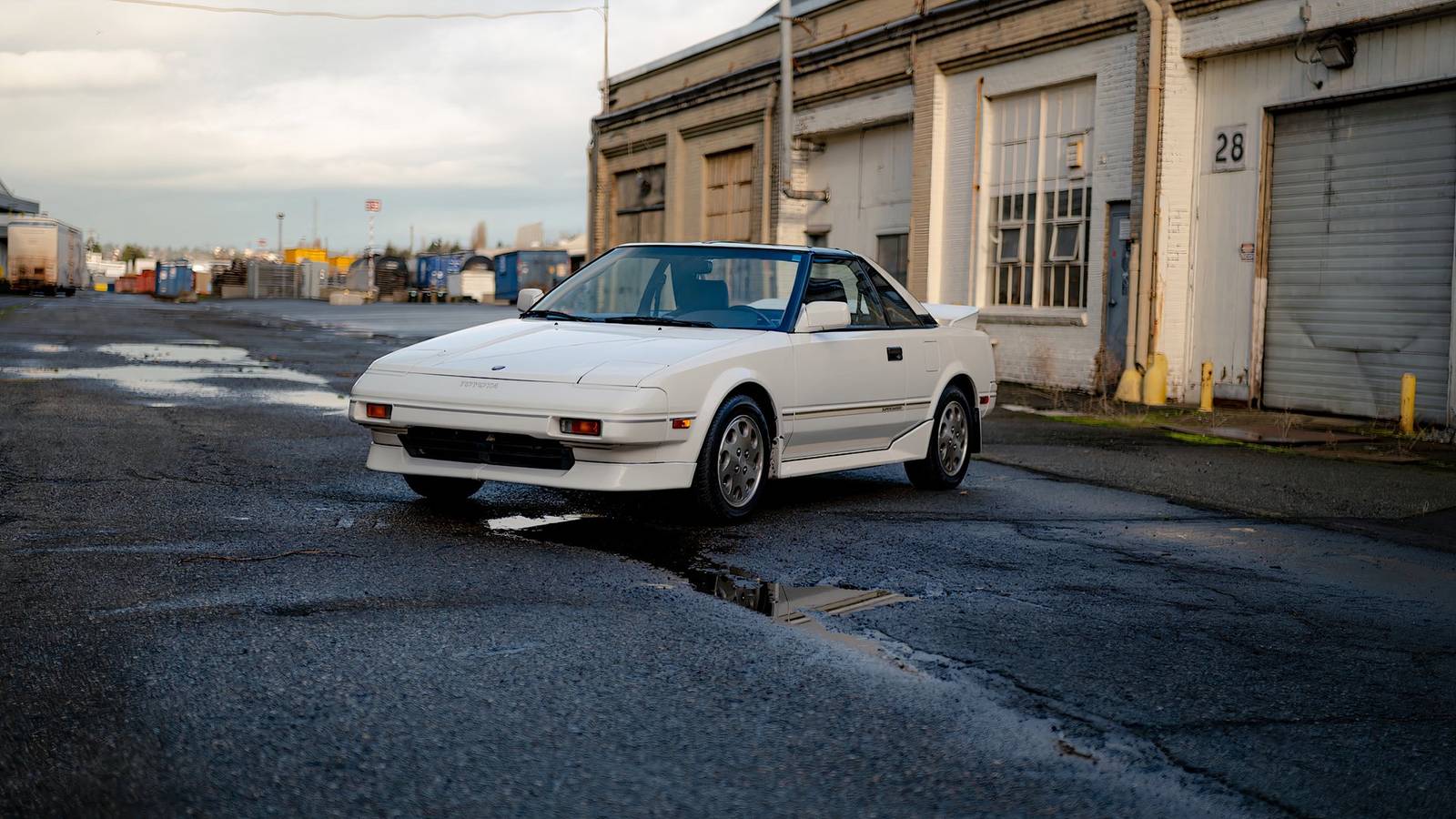
1988 Toyota MR2
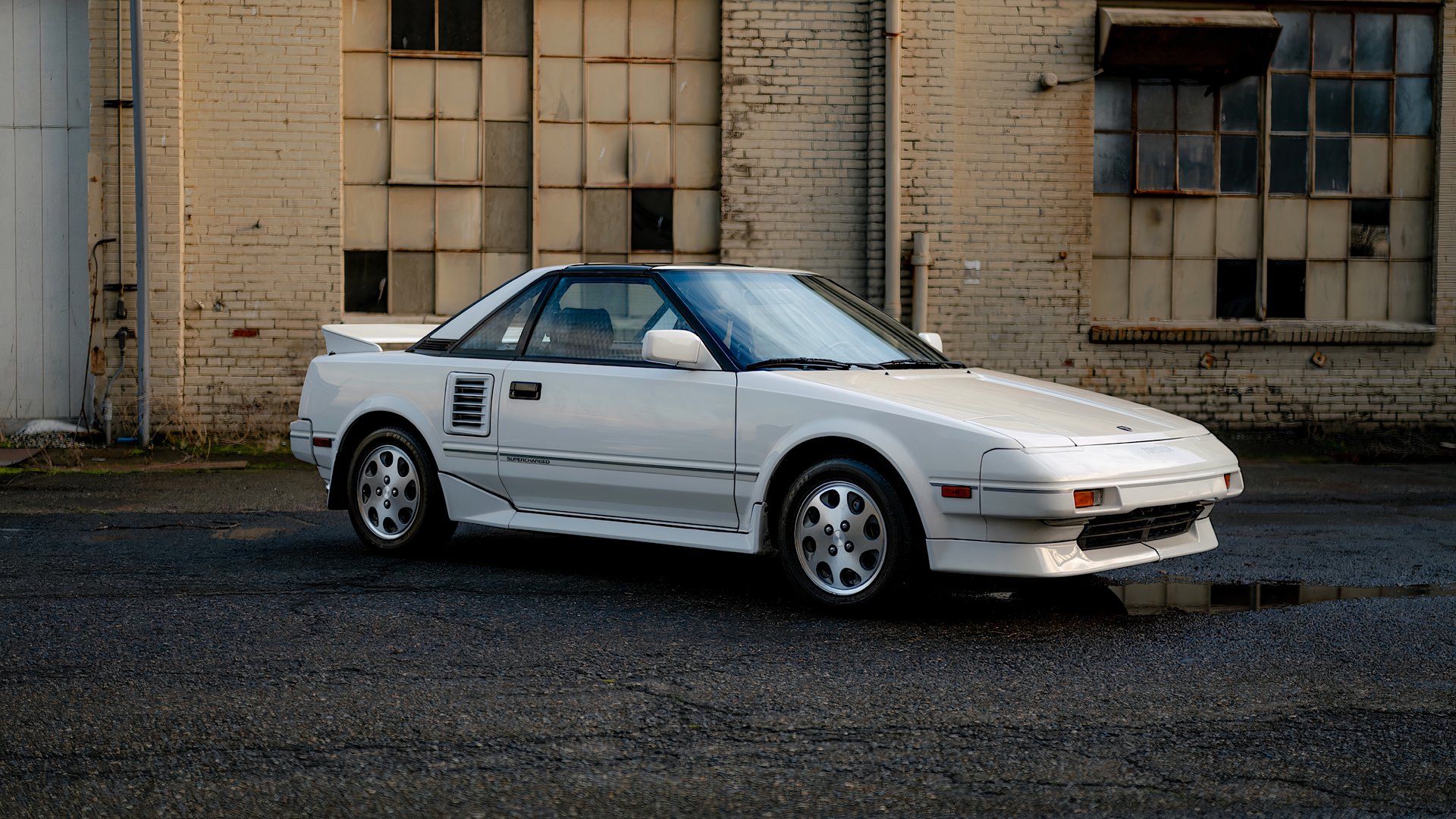
We all know that the Toyota MR2 is one of the best JDM models ever made, and you can pick up a used example for around $17,700, but one of the standout but overlooked models is the supercharged 1988 model. This model isn’t as legendary as the original ultimate budget sports car, which is the 1984 MR2, but it is a lot more powerful. With this extra power, it comes at a higher cost though, and the ’84 model can be bought for an average used price of $12,000, whereas the supercharged version will set you back around $21,000.
1988 Toyota MR2 Performance Specifications
|
Engine |
1.6-Liter Supercharged Inline-Four |
|
Transmission |
Five-Speed Manual or Four-Speed Automatic |
|
Horsepower |
145 Horsepower |
|
Torque |
137 LB-FT |
|
Driveline |
Rear-Wheel Drive |
|
0-60 MPH |
6.5 Seconds |
|
Top Speed |
130 MPH |
You still benefit from the mid-engine, rear-wheel drive layout, and lightweight curb weight of 2,500 pounds, which makes it such a nimble little beast, but more importantly, you get a supercharged inline-four instead of a naturally aspirated one, and ‘teardrop’ aluminum wheels.
The ’88 model was the first supercharged variant available in the U.S.A. and is equipped with a hardy 4A-GZE mill mated with a belt-driven Roots-type supercharger, a Denso intercooler, and a relatively low compression ratio of 8:1, which really makes it a weapon of a JDM car. What this model year represents for the MR2, JDM culture, and car culture as a whole, is the ambition for relatively new models to be chopped and changed at factory level to create something extraordinary.

10 Underrated Sports Cars That Are Definitely Worth Buying
Sports cars are often synonymous with flashy price tags and mainstream icons, but some hidden gems offer exhilarating performance and unique style.
4
1988 Merkur XR4Ti
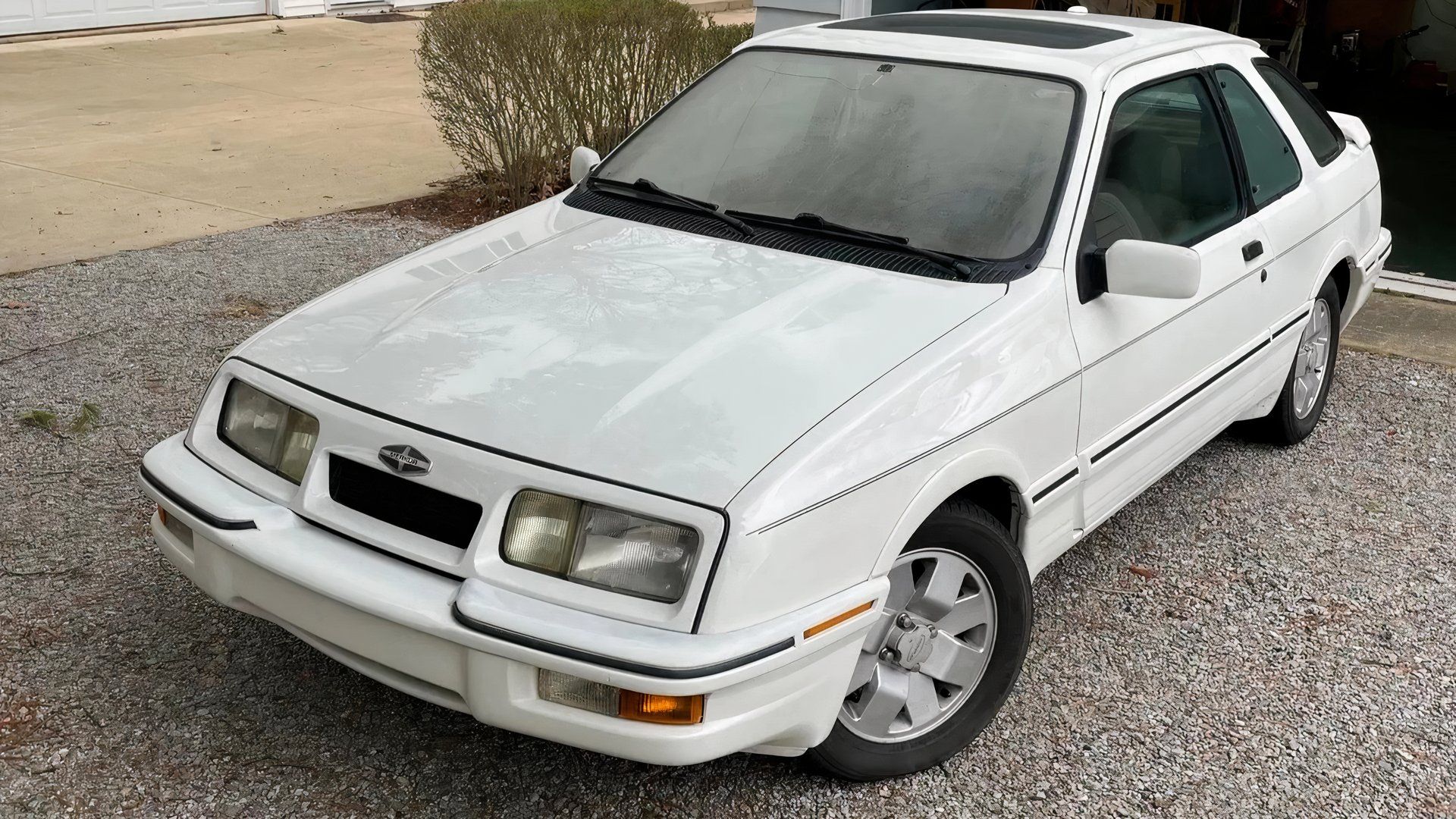
Taking inspiration from the European performance coupes of the time, this little pocket rocket stood out in the U.S. car market for its unique engineering, sporty appeal, and relatively good aerodynamics. The XR4Ti is effectively a Ford Sierra in disguise with Merkur badging and with a turbocharged engine under the hood.
The Ford Sierra on which the Merkur is based boasts a Cologne OHV V-6, but a powerful inline-four is the only option you get with the XR4Ti. The Lima engine utilized is effectively the same as what is equipped to some 1980s Mustang GTs and boasts an air-to-air intercooler, electronic fuel injection, and a Garret T3 turbo, which gives you some decent mid-range power.
1988 Merkur XR4Ti Performance Specifications
|
Engine |
2.3-Liter Turbocharged Inline-Four |
|
Transmission |
Five-Speed Manual or Three-Speed Automatic |
|
Horsepower |
175 Horsepower |
|
Torque |
200 LB-FT |
|
Driveline |
Rear-Wheel Drive |
|
0-60 MPH |
7.9 Seconds |
|
Top Speed |
129 MPH |
Unfortunately, the XR4Ti doesn’t boast the sportiest handling and is made for comfort with “European-esque” handling traits thanks to its front engine layout, MacPherson struts, and semi-trailing arms in the rear, progressive coil springs, and rear-wheel drive setup.
What it does achieve, though, is a near 50/50 weight distribution, plus it features a rear bi-plane wing, sloping glass fastback, integrated bumpers, and flush-mounted headlights, so a balanced, aerodynamic, and predictable ride is offered. The interior showcases a driver-centric cockpit with sporty bucket seats, a leather-wrapped three-spoke steering wheel, and an analog cluster that includes a 7,000 RPM tachometer, turbo-boost gauge, and oil pressure meter – giving you the impression that, despite the handling flaws, you are sitting in a real performance beast.
3
1989 Ford Taurus SHO
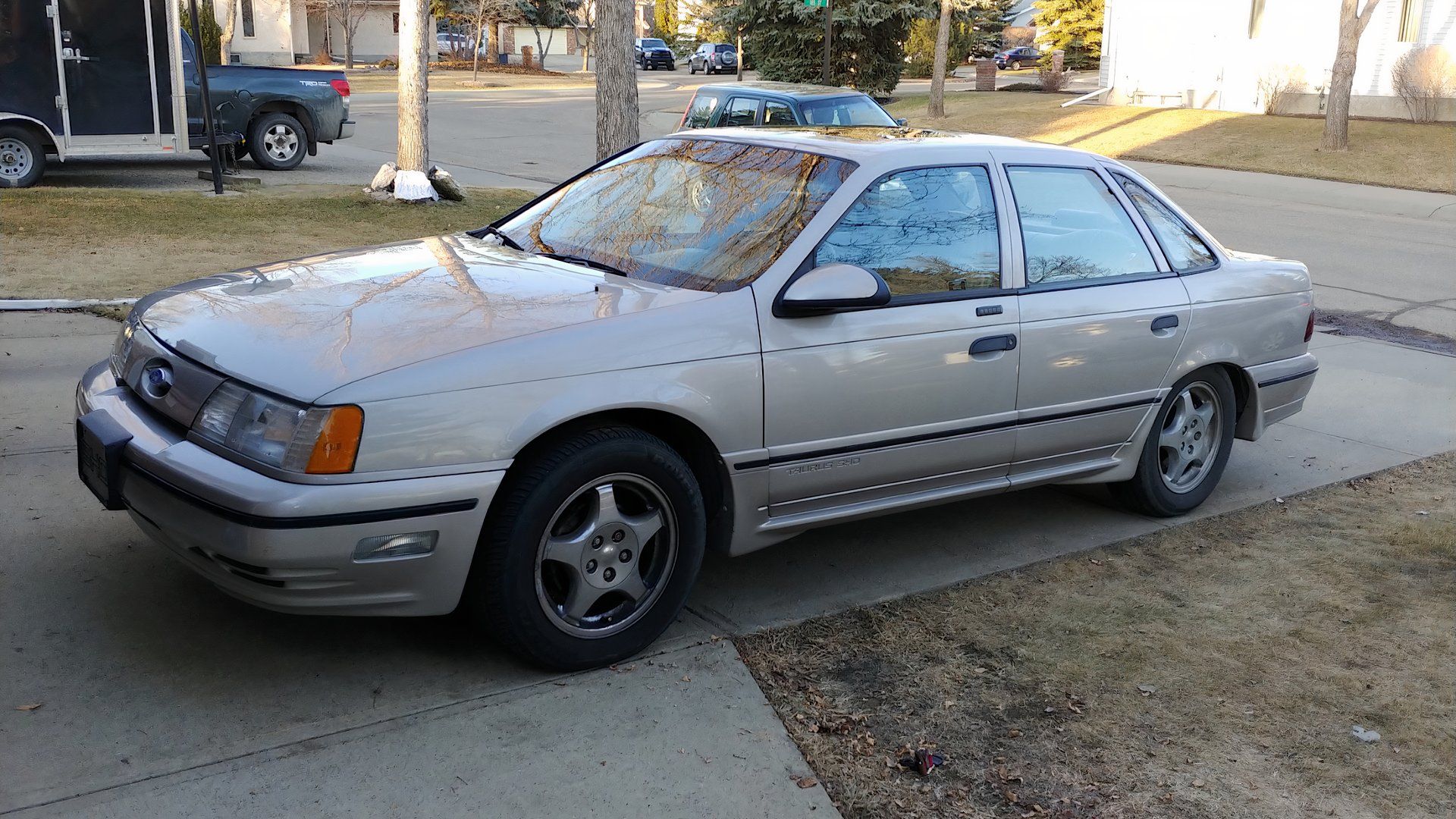
A lot of us have come to think of sleepers as undercover wagons with raucous speeds and gnarly engines, but the Ford Taurus SHO has got sleeper sedan written all over it. You probably wouldn’t think twice if you saw one ambling down a road, but, if you’re driving one and want to impress people with the unexpected, this Taurus SHO can really shift. The Taurus is credited with turning around Ford’s fortunes in the ’80s, and the Yamaha-designed OHV V-6 lurking beneath the hood is partially to thank.
Boasting a unique dual-stage intake manifold, which optimizes airflow for both low-end grunt and high-end horses, a sequential multi-port fuel injection system, a 10.6:1 compression ratio, and a redline of 7,000 RPM, this lightweight mill can help you keep up with a lot of sports cars of the 1980s in true sleeper style.
1989 Ford Taurus SHO Performance Specifications
|
Engine |
3.0-Liter V-6 |
|
Transmission |
Five-Speed Manual |
|
Horsepower |
220 Horsepower |
|
Torque |
200 LB-FT |
|
Driveline |
Front-Wheel Drive |
|
0-60 MPH |
6.6 Seconds |
|
Top Speed |
143 MPH |
The unassuming looks are one thing, but underneath, the Taurus SHO also features sport-tuned suspension and upgraded brakes, so not only can you shoot past something that looks like it was for speed, but you can also do a good job at holding the corners well.
The V-6 that the Taurus SHO boasts has become a favorite for performance geeks thanks to its easy-breathing nature, while the Taurus SHO itself has become synonymous with undercover power compared to the flashier-looking sports cars and muscle cars that you’d expect to tear it up, and influencing the world of four-door performance sedans for years to come.
2
1996 Subaru SVX
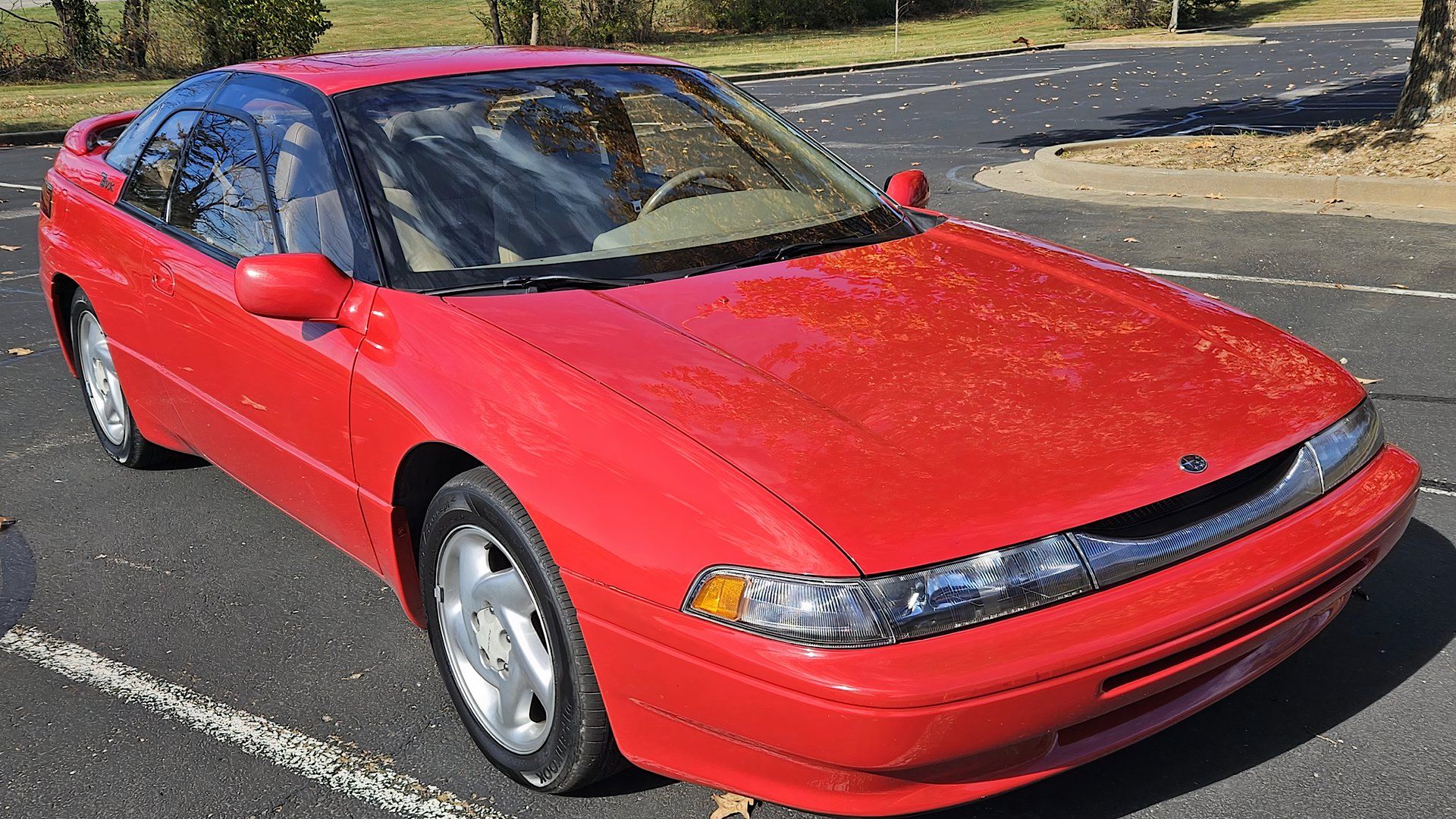
The 1996 Subaru SVX is a criminally underrated grand tourer that blends futuristic design with advanced tech (for the time) and comfort. One of its standout features includes its ‘window-within-a-window’ design, where the glass on the side splits into two sections. Though it looks cool, it is not merely for aesthetics – it significantly reduces wind noise when you have the windows rolled down, a common issue that you’ll know if you have driven an older GT at any sort of speed.
Subaru isn’t the first brand you think of when you think of luxury, but the SVX bucks the trend and comes equipped with leather-trimmed, power-adjustable seats, a driver-centric dashboard and center console, an automatic digital climate control system, and a premium audio system.
1996 Subaru SVX Performance Specifications
|
Engine |
3.3-Liter Flat-Six |
|
Transmission |
Four-Speed Automatic |
|
Horsepower |
230 Horsepower |
|
Torque |
228 LB-FT |
|
Driveline |
All-Wheel Drive |
|
0-60 MPH |
7 Seconds |
|
Top Speed |
143 MPH |
What really makes the SVX deserve the most attention is its all-wheel-drive system, which is more in tune with Subaru’s philosophy, and four-wheel independent suspension, giving the SVX a smooth and capable ride over a lot of different terrains.
Today, we see luxury SUVs and crossovers capable of cruising, off-roading, and doing it all in style, but the Subaru SVX was ahead of the game in terms of combining an aerodynamic shape, all-weather capabilities, comfort features, and advanced features into one useful, conveniently-sized, fun, and relatively plush grand tourer.

10 Underrated Used Powerful Sedans Worth Every Penny
Combining speed, style and uniqueness here’s a look at ten underrated used sports sedans that deserve a second look.
1
1998 Mitsubishi Eclipse GSX
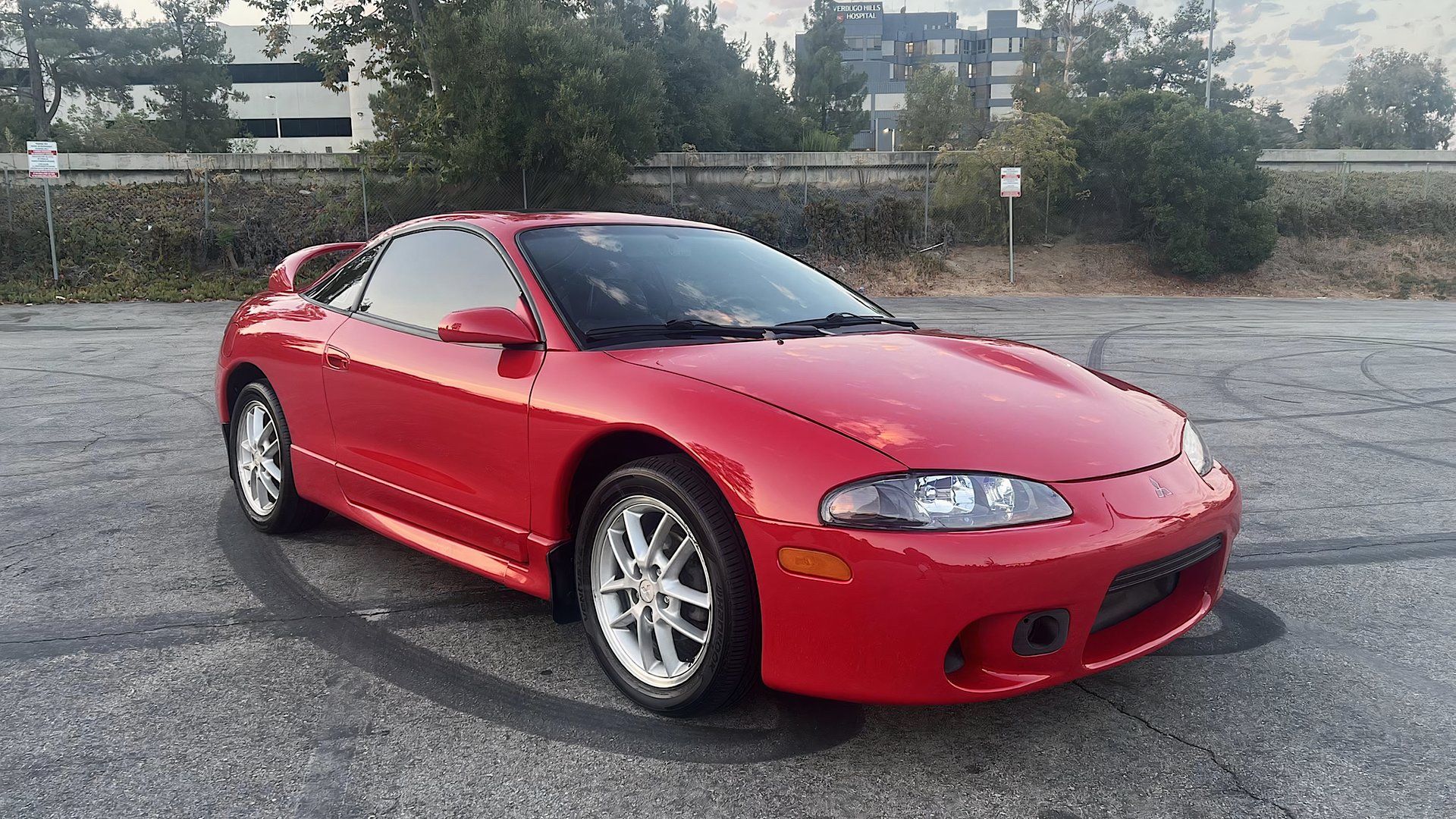
The ’98 Mitsubishi Eclipse GSX is a twisty, performance-orientated beast that not only excels in available power from the turbocharged mill that many people have subsequently juiced up, but also for its handling capabilities. It doesn’t have the reliability of a Mazda MX5 or a Toyota Coupe, but it does boast all-wheel drive, which helps to give it some impressive traction while also showcasing sport-tuned suspension, with struts in the front and a multi-link setup in the rear.
1998 Mitsubishi Eclipse GSX Performance Specifications
|
Engine |
2.0-Liter Turbocharged Inline-Four |
|
Transmission |
Five-Speed Manual |
|
Horsepower |
210 Horsepower |
|
Torque |
214 LB-FT |
|
Driveline |
All-Wheel Drive |
|
0-60 MPH |
6.6 Seconds |
|
Top Speed |
140 MPH |
You do get some decently nippy 0-60 MPH times, but it is no supercar in terms of speed, but where it can embarrass high-priced roadsters is in the corners thanks to finely-tuned power-assisted rack-and-pinion steering paired with large ventilated brake disk brakes, allowing for minimal brake fade and decent stopping power.
The ’95 GSX has a notable role in Fast & Furious as a jacked-up street fighter, and this could be what has contributed to so many modders swapping out everything from the turbo to something more potent, giving the intercooler an upgrade, changing the suspension to coilovers, tuning the ECU, adding Brembo brakes, utilizing a new clutch and flywheel, and adding a Magnaflow or Apexi exhaust system. What the Eclipse has brought to car culture is the ability to take a standard JDM and turn it into a truly special JDM mod job.
A blast to drive. I love my little Eclipse. It handles great for the most part, it corners really well. I live in West Virginia, Va. around tons of curvy roads, and my Eclipse GS handles like a dream around the mountainous terrain.
– Owner review of their 1998 Mitsubishi Eclipse GSX on Car Survey.org
Sources: Classic.com, Repair Pal, Old School Jdm’s YouTube Channel, Hagerty, and Car Survey.org