
There’s something poetic about watching a car’s odometer roll into six-digit territory. It’s a truth serum moment, the point where all the spreadsheets, EPA estimates, and glossy marketing claims finally have to face real-world math. At 100,000 miles, you know exactly what a car costs you. You know whether it’s been a dependable sidekick or a wallet vampire. And when you’re talking hybrids, that milestone becomes even more decisive. Batteries, electric motors, and complex systems all start showing their true colors.
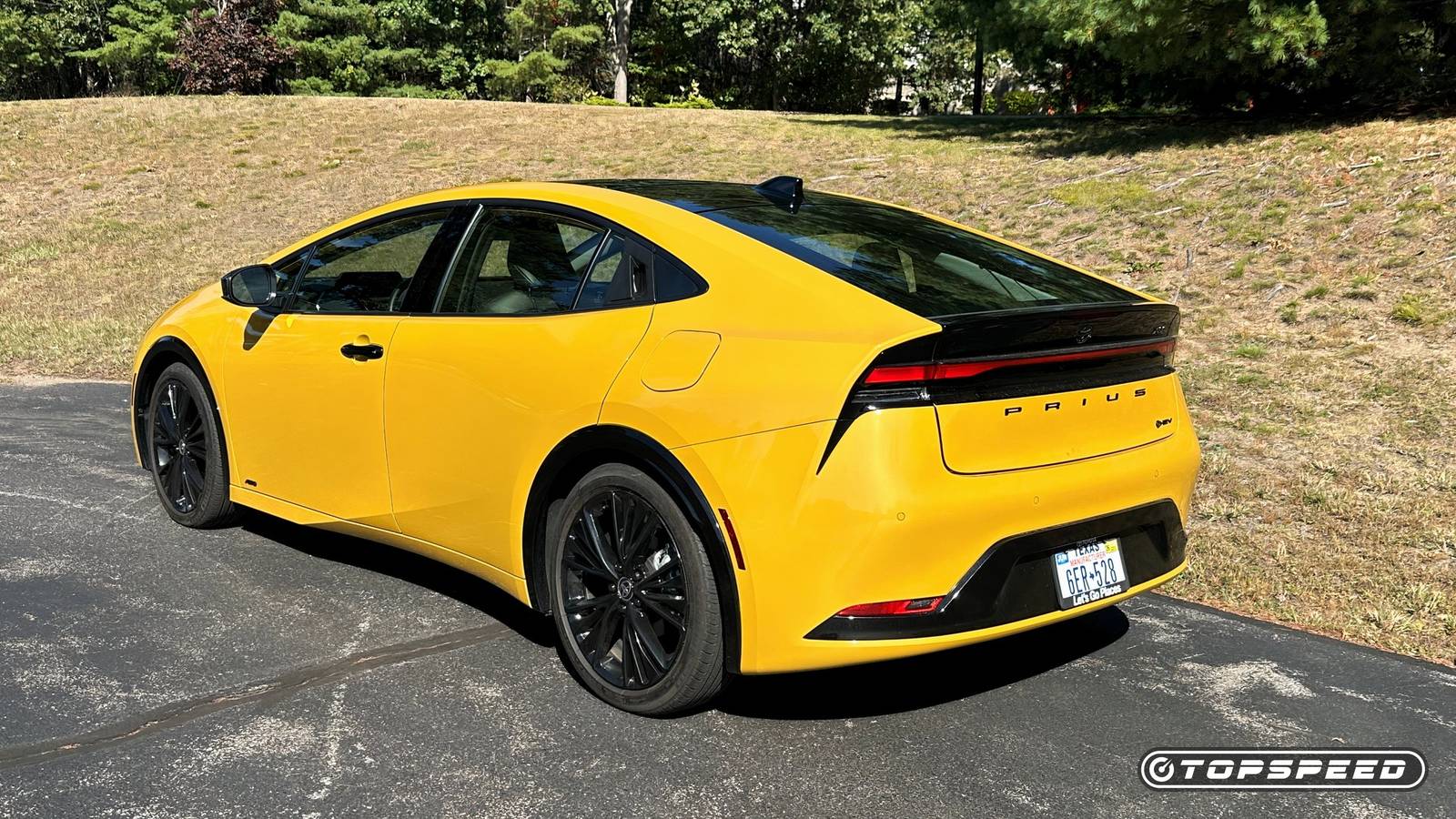
Yet one hybrid shrugs at the 100,000 line like it’s no more significant than a routine oil change. The Toyota Prius doesn’t just survive long-term ownership; it thrives in it. Over and over again, ownership studies, cost-tracking apps, and actual human beings with high-mileage Priuses keep arriving at the same verdict: this thing is the cheapest hybrid to own over 100,000 miles. Not because it’s exciting or flashy, but because it’s ruthlessly efficient at every level. You don’t buy a Prius for theatrics. You buy one because it’s the automotive equivalent of compound interest. And when you start stacking fuel savings, maintenance costs, reliability data, and depreciation, the story becomes beautifully lopsided.
Why The Prius Wins The 100,000-Mile Cost Race
Exceptional Fuel Savings

The Prius’ MPG numbers aren’t just good on paper. They’re real-world consistent in a way few hybrids match. A lot of cars claim 50 mpg; the Prius actually delivers it, even when driven with the enthusiasm of someone late to work. Run the math: at 50+ mpg, a Prius burns roughly half the fuel of a typical compact sedan over 100,000 miles. That alone can save thousands of dollars. That predictability is part of the magic. No matter what the gas station marquee says on a random Tuesday, the Prius softens the blow.

Across 100,000 miles, fuel savings aren’t just noticeable. They’re staggering. And unlike some hybrids that become thirsty over time as batteries degrade, the Prius tends to hold its efficiency well past the point where other cars start to loosen up.
Maintenance Costs That Stay Low

This is where Toyota’s philosophy flexes. The hybrid system in the Prius is simpler than most shoppers realize. No traditional alternator. No starter motor. No conventional automatic transmission with dozens of gears waiting to grenade. Fewer fragile parts mean fewer surprise expenses. Owners regularly report that a Prius’ maintenance schedule feels almost suspiciously light. Tires, brake pads, fluid changes, filters. That’s most of the story. Regenerative braking reduces wear, so even brake jobs happen less often than expected. Meanwhile, the gasoline engine hums along like it’s eternally sipping chamomile tea, never stressed, never overworked.

The absence of major repairs isn’t luck. It’s architecture. Toyota overbuilt the hybrid components, under-stressed the engine, and gave the whole package a reliability ceiling far beyond what anyone predicted when the Prius debuted. The result is a maintenance budget that stays boring — and inexpensive — all the way to 100,000 miles.
Battery Longevity And Warranty Protection

Battery fear was the great boogeyman of early hybrid ownership. But the Prius spent two decades proving that fear wrong. Its battery packs are absurdly durable. Toyota’s own data and countless owner stories show packs regularly lasting 150,000 to 200,000 miles with no drama. Pair that with generous hybrid battery warranty coverage, and the financial risk becomes microscopic. For most owners, the battery simply isn’t a line item at 100,000 miles. It’s still working, still holding charge, and still doing Prius things without complaint. When the big-ticket component that scares buyers the most is also the one that rarely fails, you start to see why the Prius keeps winning the cost-to-own debate.

The Used Hybrid With The Best Fuel Economy You Can Get For Under $15,000
Discover the best used hybrid under $15,000, offering outstanding fuel economy and great value for budget-conscious drivers.
Reliability That Cuts Down Unexpected Expenses
Proven Long-Term Durability

The Prius doesn’t just make it to 100,000 miles. It glides past 150,000, nods politely at 200,000, and keeps going like it has somewhere important to be. Fleet data, government studies, and owner forums are littered with examples of Priuses brushing up against 300,000 miles with minimal wear. Plenty of things make the Prius easy to hate, but its proven reliability and efficiency have made that hatred seem pretty silly over the years.

This long-term durability isn’t accidental. The car’s entire drivetrain is built to run cool, run clean, and avoid the mechanical stress most engines endure. Fewer failures. Fewer roadside surprises. Fewer late-night Googling sessions about odd noises. It’s what Toyota does. When a car is this consistent, unexpected expenses shrink. Reliability becomes a shield between your wallet and Murphy’s Law.
Strong Depreciation Performance

Depreciation is where many hybrids bleed value. The Prius isn’t one of them. Used prices stay surprisingly strong because the car has a reputation for lasting longer than Thanksgiving leftovers. When you buy one used, you’re not watching money evaporate. And when you eventually sell it, someone else is ready to scoop it up with confidence — which means resale value stays higher than most vehicles in its class. Low depreciation is a quiet cost-saver, but it makes a huge difference when you zoom out and look at total ownership cost.

Ranking The Top 10 Toyota Prius Model Years For Reliability
The Prius is one of Toyota’s most iconic hybrids. While it might not look aesthetically pleasing, its reliability makes up for it.
How The Prius Compares To Other Hybrids
Lower Fuel And Maintenance Costs

The Corolla Hybrid is efficient and affordable. Few other models can hang with the Prius, but this is surely one of them. The Hyundai Elantra Hybrid delivers solid gas mileage and a strong reputation for reliability. The Honda Accord Hybrid, like the Corolla, has a long history of making buyers comfortable with its renowned reliability. While all of these models might not have gobs of power, the power they do have is smooth and super usable. Here’s a sliver of a real Toyota Corolla Hybrid owner’s review from Edmond’s:
I am going to give you the “No Nonsense” review on this vehicle. This is my fourth Hybrid….Previously had 2013 Avalon Hybrid – Good….2015 Lexus ES300H Hybrid – Good….2019 Accord Hybrid- Also good…..When I say good, I am talking about the fuel mileage….When it comes to the 2023 Corolla, the fuel mileage is off the charts FANTASTIC! I have not dropped below 50 MPG since I started driving this car…
The Prius usually gets the best real-world fuel economy. It has a simpler hybrid system than Honda’s dual-motor setup. It carries lower long-term maintenance projections than Hyundai’s newer hybrid platform. And because it’s one of the few hybrids with a massive high-mileage owner base, the data backing up its low-cost, long-term performance is unshakable. Toyota had a decades-long head start in hybrid development, and it shows.
Ownership Costs In Real-World Use

Ask a Prius owner about long-term costs, and you’ll rarely hear a horror story. Instead, you get a bunch of anecdotes that sound suspiciously like bragging: original batteries at 200,000, brake pads lasting 100,000, and engines running like they were born yesterday. High-mileage Prius culture is a thing. Entire online communities compare odometer readings the way other enthusiasts compare horsepower numbers. That culture has helped build an enormous archive of real-world data — and the pattern is beautifully predictable: the Prius is cheap to fuel, cheap to maintain, cheap to repair, and cheap to keep running well past the 100,000-mile mark. And “cheap” here never feels like a compromise. It feels intentional, engineered, baked into the DNA.

The Real Cost Of Replacing A Toyota Prius Battery In 2025
This is how much you can expect to spend to have your Prius’s battery replaced.
TopSpeed’s Take: The Prius Pinches Pennies Like No Other

When it comes to real-world, long-distance ownership, the Toyota Prius is the hybrid that keeps your bank account calm. At 100,000 miles, it stands out as the cheapest hybrid to live with because every facet of its engineering points toward efficiency — not just at the pump, but in the financial sense.

Fuel savings pile up. Maintenance stays mellow. The battery keeps doing its job. Depreciation barely dents the overall equation. And reliability makes the entire journey feel uneventful in the best way possible. The Prius is boring and predictable and, ultimately, forgettable, which proves the Prius’ real superpower.
Sources: The EPA, J.D. Power, iSeeCars, RepairPal