
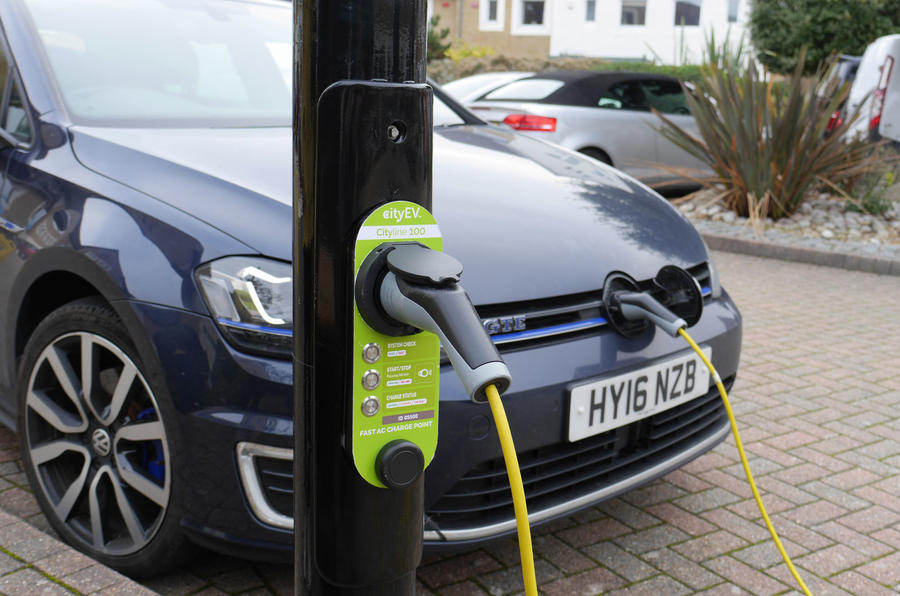
When it comes to EVs, almost every day brings fresh innovation that boosts both usability and desirability. From performance through to range, efficiency and pricing, the best all-electric cars no longer have to make excuses. Even dyed-in-wool internal combustion advocates are making the switch.
However, while the cars themselves get ever better, the process of charging still remains a stumbling block for so many. It’s not just a question of range anxiety or even of cost, especially when it comes to public chargers: there’s also the issue of access. For users with a driveway, charging an EV at home makes lots of sense, which is why around 90% of owners refill their car batteries this way. Not only is it cheaper thanks to lower rates for domestic electricity, but it’s also more convenient because you can charge when the car would otherwise be doing nothing, such as overnight when you’re asleep.
So, what’s the problem? Well, when you consider that over 40% of households in the UK don’t have access to off-street parking, it becomes clear that plenty of potential EV converts are being put off making a purchase. Yet dig a little deeper and you’ll find that driving an electric car and having to park on the road shouldn’t be mutually exclusive. In fact, read on and you’ll find that it could be easier to do than you think.
Can I run a cable across the pavement?
In theory, the easiest solution is simply to run a cable from your property, across the pavement and then plug into your car at the kerbside. Yet there are some hazards – literal tripping ones as well those of the legal kind – to be aware of if you’re considering this option.
On paper there’s nothing wrong with doing this, but there are some guidelines you should follow. First off, you should make sure the cable is laid as flat as possible, and when charging is complete, the cable needs to be removed immediately. You should also only plug into a ground floor or basement power supply. Hanging a cable from a first floor window is very much frowned upon.
If there’s no other choice to do this, then you can consider a raised cable protector, like those often used on pavements where roadworks are being undertaken. It’ll need to be made of tough non-slip plastic and be finished in contrasting colours, such as yellow and black, for maximum visibility. Bear in mind, however, that you’ll still need to take the protector and cable up every time you finish charging, which is a bit of a faff.
From the point of view of the charger itself, it’s also worth considering the length of the charging cable, especially if you’re using the three-pin domestic unit. Most won’t have cables that are long enough to stretch from the house to the car, and using an extension cord is forbidden by most EV manufacturers.
In terms of legislation, it’s not illegal to run the cable across the pavement, but you must ensure it doesn’t cause a danger or nuisance to pedestrians. Perhaps most importantly of all, if someone does trip and injures themselves, you will be held legally responsible. As a result, councils will caution against this practice, although only a few ban it outright.
However, over the past couple of years, an increasing number of councils and companies have started offering services to install dedicated channels for routing charging cablings underneath footpaths. Essentially running from the boundary of a property to the kerbside, these systems virtually eliminate trip hazards, allowing you to plug in and power up even if you haven’t got a driveway.