To mangle an old saying, only two things are certain in this world: death and company car tax. You can’t avoid the first, and however hard you try to dodge the second, you’ll always end up paying something.
Company cars are quite the cash cow for the Treasury. There were 840,000 Brits paying company car tax in 2023/24, according to the latest figures from His Majesty’s Revenue & Customs, raking in a combined £3.27 billion for the Treasury.
However, to misappropriate another phrase, the times they are a-changin’. The UK is on course to phase out all but zero-emission vehicles within a decade, and company car tax is an important lever in that process.
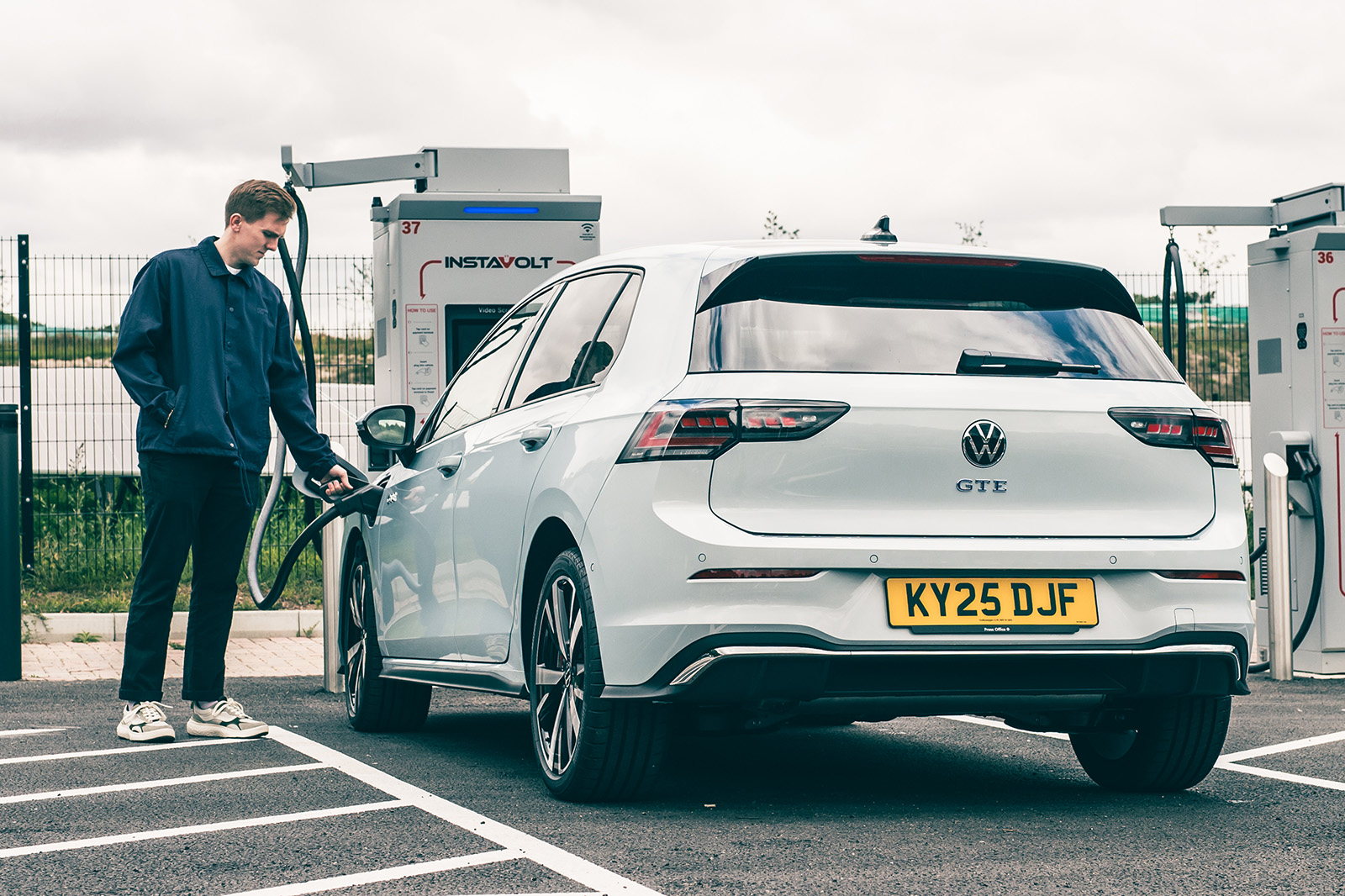
In fact, the rates for plug-in hybrid (PHEV) and electric vehicles (EVs) have become so favourable that uptake has increased by 120,000 people since the system was overhauled in April 2020.
Although the incentives have softened a bit, and the goalposts will continue to move over the next few years, it’s still a great time to opt into a company car if your employer offers you one. But there are a few additional hacks that can help keep your bills as low as possible.
How does company car tax work?
It’s worth understanding this as a baseline. If your employer issues you with a car as part of your job, and you’re able to use it outside work hours (and, yes, that includes commuting) then it’s classed as a ‘Benefit-in-Kind’ and you’ll pay tax for that privilege.
Effectively, HMRC treats company cars as a form of additional income, with a slightly convoluted way of calculating their equivalent cash value. Each vehicle is assigned what’s called a ‘taxable value’ – which is a percentage of its list price (or P11d) banded based on its CO2 emissions and (for most PHEVs) the electric range.
As a driver, you’ll then pay Benefit-in-Kind tax on that value at the same as your salary (usually 20%, 40% or 45%, unless you’re in Scotland). The resulting tax bill is usually much lower than the cost of financing the same car privately, as shown by the following example:
P11D value of the car: £30,000CO2 emissions: 95g/kmFuel type: Petrol HybridCar’s BIK rate: 25%User’s income tax band: 20%Car’s BIK value (P11d x BIK rate): £7,500Tax charge (BIK value x income tax band): £1,500 a year or £125 per month
How can I reduce my company car tax bill?
Choose an EV
If you’re looking to make the biggest impact on your tax bill, then there’s no substitute for going electric.
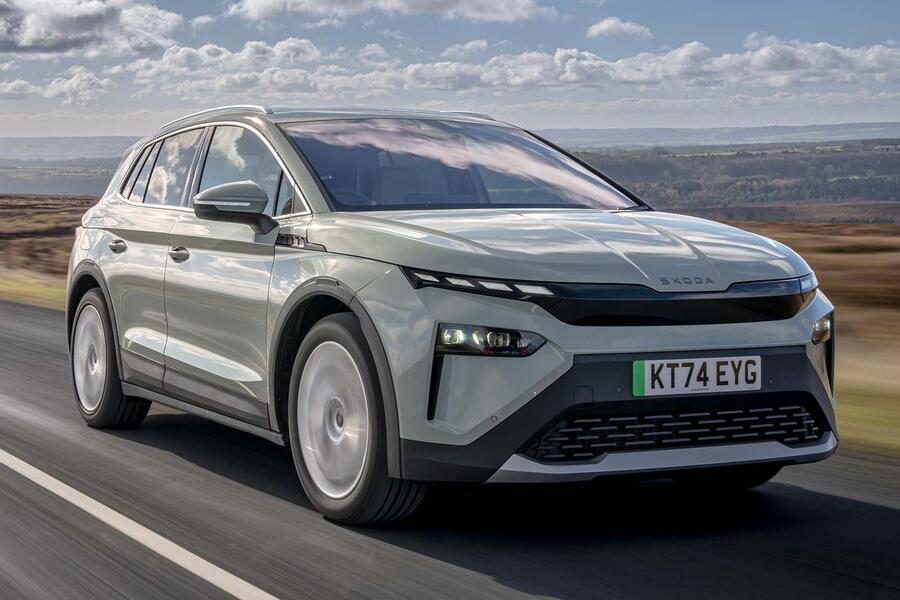
HMRC has spent almost 25 years using company tax to incentivise low-CO2 cars, and EVs (which are rated at 0g/km) are currently taxed at just 4% of their list price. With even the most efficient petrol cars coming in at 25%, going electric can shave around 80% off your tax costs.
Coupled with longer ranges and faster charging times, it’s hardly surprising that drivers have flocked to go electric since the ultra-low rates came into effect in April 2020. In 2020/21, only 52,000 drivers (7% of the total) were in an EV, but that had grown to 342,000 (a massive 41% of all company cars) in 2023/24.