
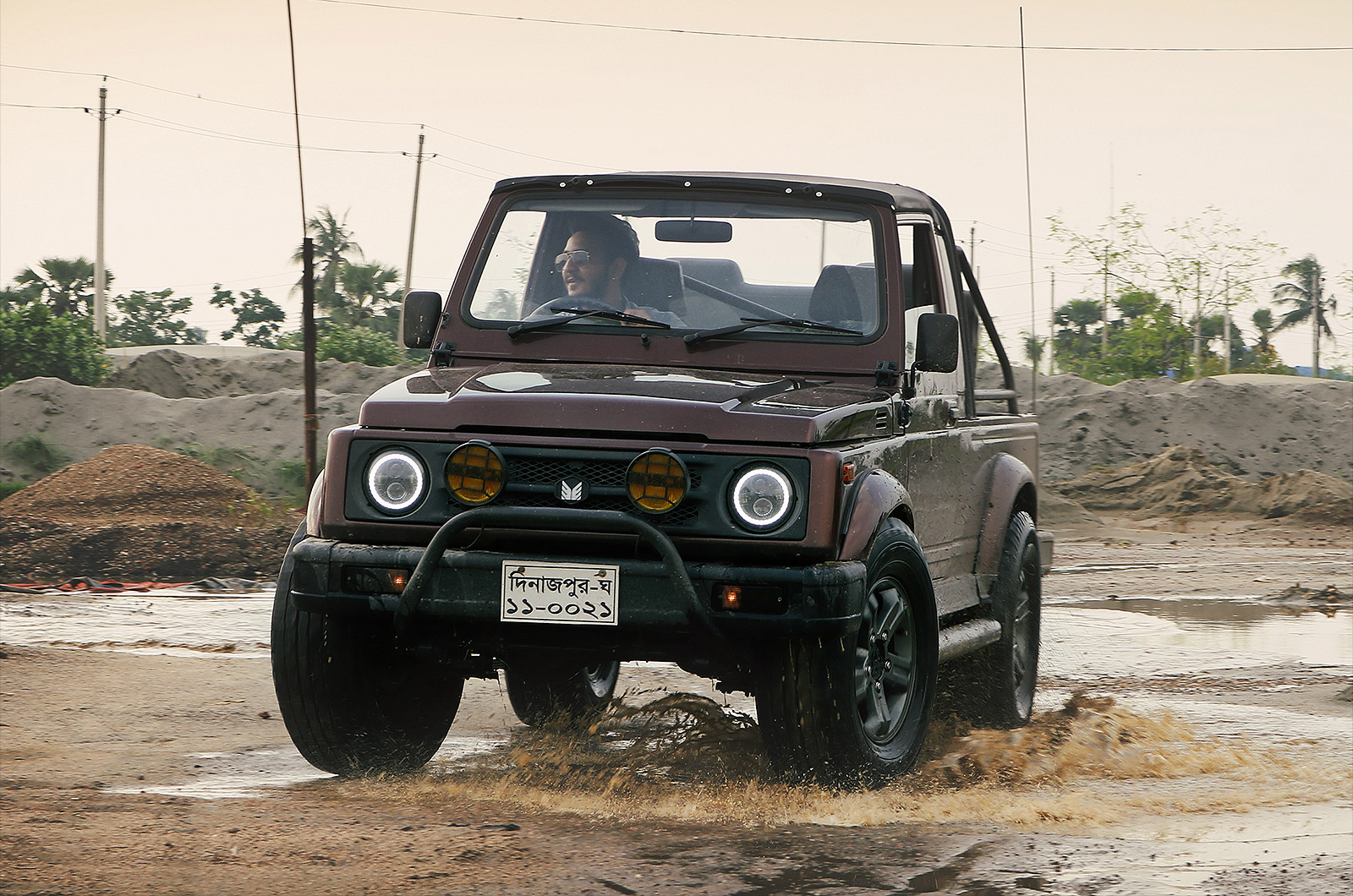
First produced by the Rootes Group in 1966, the Hunter went onto become one of Britain’s best-selling cars during its 13-year UK lifespan, though is largely forgotten today. Shortly after it was first produced, Iran’s national car company signed a deal to produce the car from knock-down kits supplied by Rootes.
The resulting car was named the Paykan (pictured), and quickly became known as Iran’s national car, with widespread ownership and usage as taxis and police cars. With the remnants of Rootes now owned by Peugeot, full-assembly started in 1985, with the car powered by engines from the Peugeot 504. Hopelessly outdated, the model was in effect replaced by a model called the Samand based on the (somewhat) more modern Peugeot 405.
Mini (1959-2000) – 41 YEARS
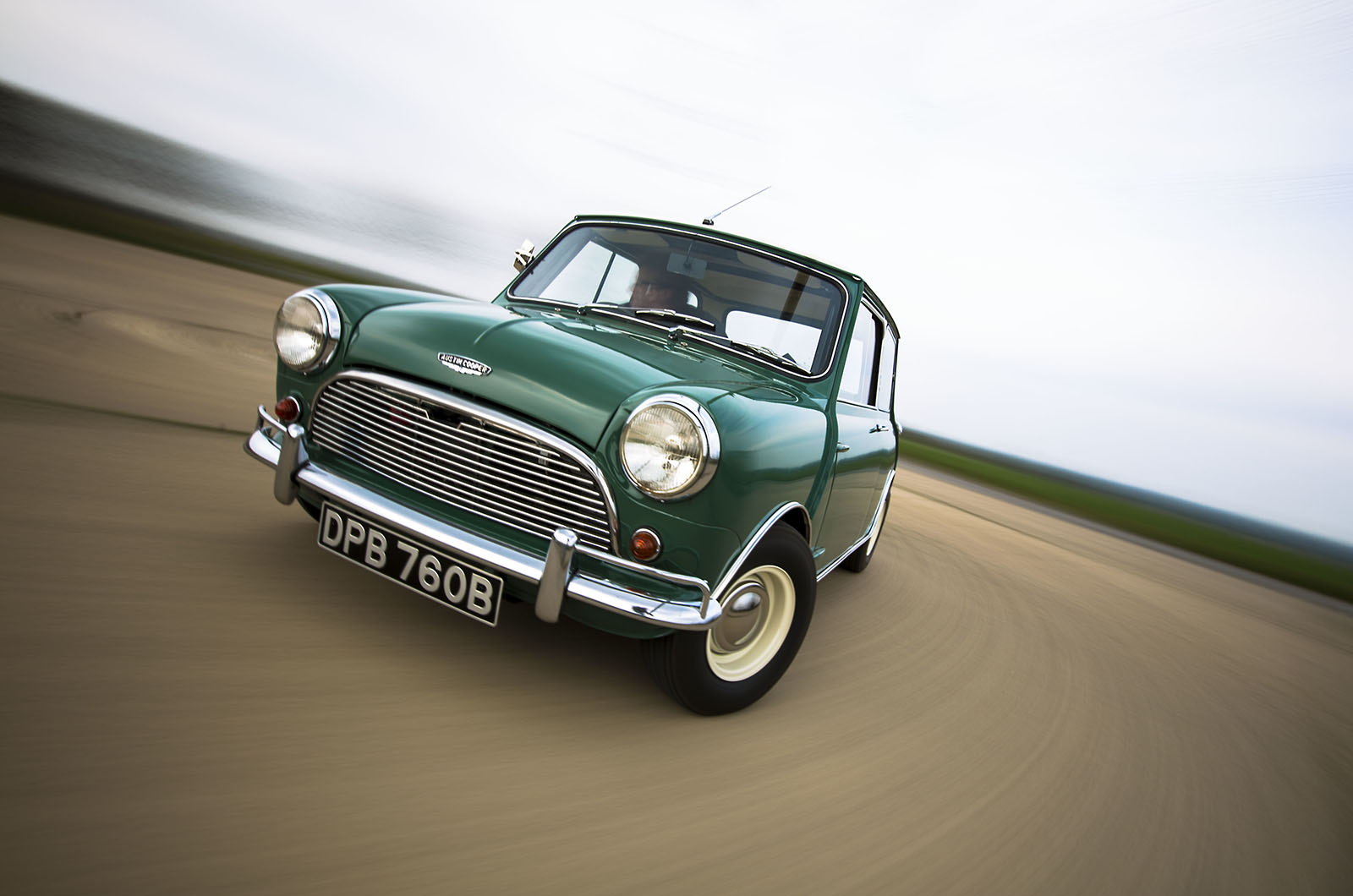
With 5.3 million examples built, the original Mini is to England’s automotive industry what The Beatles are to British music. Alec Issigonis’ engineering brilliance sent it from a design sketch to a production model in just 27 months.
Fitting four passengers in a tiny car was no small feat, but its most innovative design feature was under the bonnet. The British Motor Corporation (BMC) dropped a transversally-mounted, water-cooled four-cylinder engine right over a four-speed manual gearbox, a packaging solution which significantly reduced the drivetrain’s footprint.
The Mini influenced city cars and supercars alike. When Lamborghini couldn’t fit a 4.0-litre V12 behind the Miura’s passenger compartment, an engineer stepped out to the parking lot and glanced under the bonnet of a Mini for inspiration.
Vaz 2121/Lada Niva/ Lada 4×4 (1977-present) – 43 YEARS & COUNTING
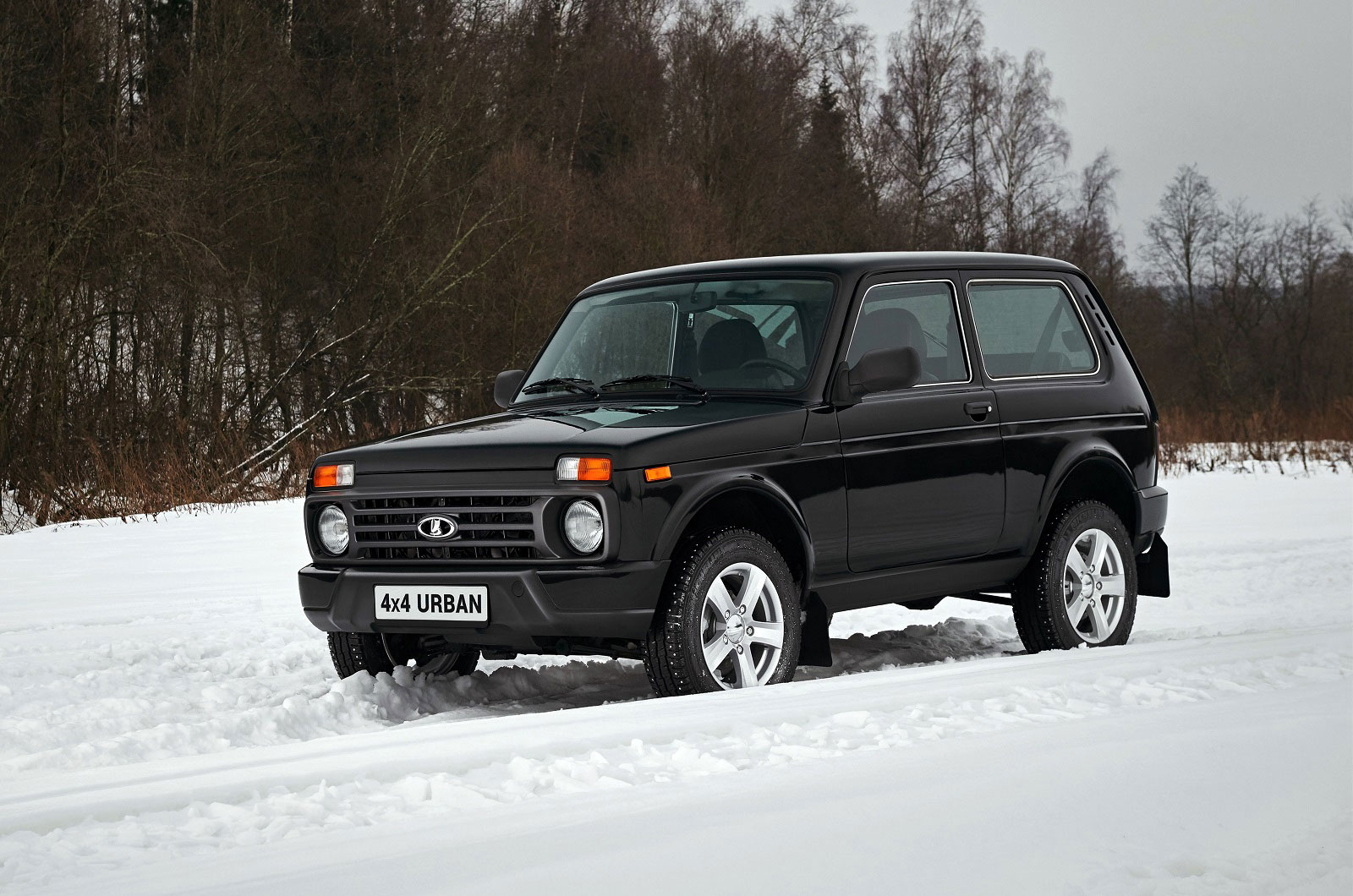
Lada developed the Niva to fill demand for a rugged, no-nonsense off-roader capable of tackling Siberia. While it shared some parts with the Fiat-derived 2101, the Niva was designed entirely in-house. Light, compact and affordable, it became an overnight hit – and Lada’s most exportable product.
Lada is hardly synonymous with quality, but the Niva was solid enough to survive a decade as a support vehicle for the Russian base in Antarctica. Production continues today, and it’s just had a minor facelift for 2020. But the end is near; an eyecatching new Niva concept car was unveiled in 2018, and we expect a production model to arrive in 2022.