
GWM Australia has ambitious plans to become a top-five brand in Australia by the end of 2027, and it’s gearing up to launch nine new models before the end of 2026 to help it achieve that goal.
The lineup of incoming models comprises new nameplates, facelifts to existing models, several new powertrains, and even a new brand, all of which, according to GWM Australia, result from its unlimited access to GWM’s entire global vehicle portfolio.
“Australia is now one of GWM Group’s top three strategic international markets. As such, we’ll continue investing our best products, technologies and resources into the [Australia and New Zealand] region,” GWM Australia managing director Andrew Gao said in a press release.
“We’re only at the beginning of our journey in Australia, and we truly believe the best is yet to come,” he added, despite GWM being the longest-standing Chinese brand in Australia. It launched locally in 2009.
Looking for your next car? We’ll help you research and compare so you choose with confidence.
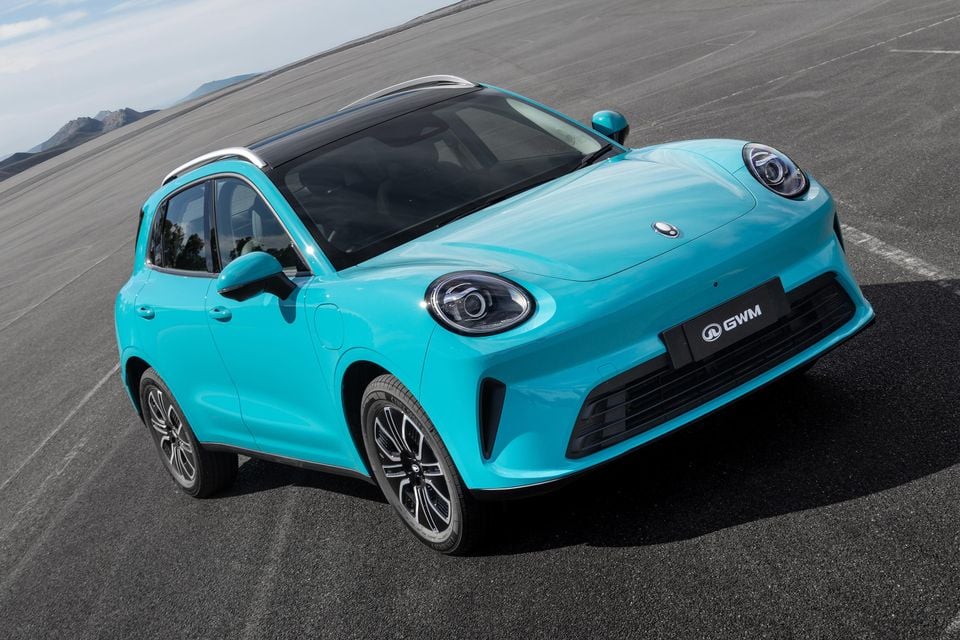
First cab off the rank in GWM’s model onslaught is the Ora 5, a new small electric SUV. It replaces the electric Ora hatch that has been on sale locally since 2023, but maintains the same competitive pricing despite its larger body and improved tech, starting at $33,990 drive-away.
It’s launching first as a small SUV, and it’ll soon be joined by a new ‘Hatch’ variant. Both the SUV and the Hatch share the same body and will therefore be the same size, though GWM says the Hatch will ride lower, remove the SUV’s roof rails, and likely be fitted with a smaller battery to bring down its price.
Rounding out the new Ora 5 range will be a stretched Touring variant, taking on a more wagon-like form and positioned as a mid-size SUV. Details are so far limited on this model, though it’s expected to be fitted with a 71.1kWh battery, up from the regular Ora 5’s 58.3kWh unit.
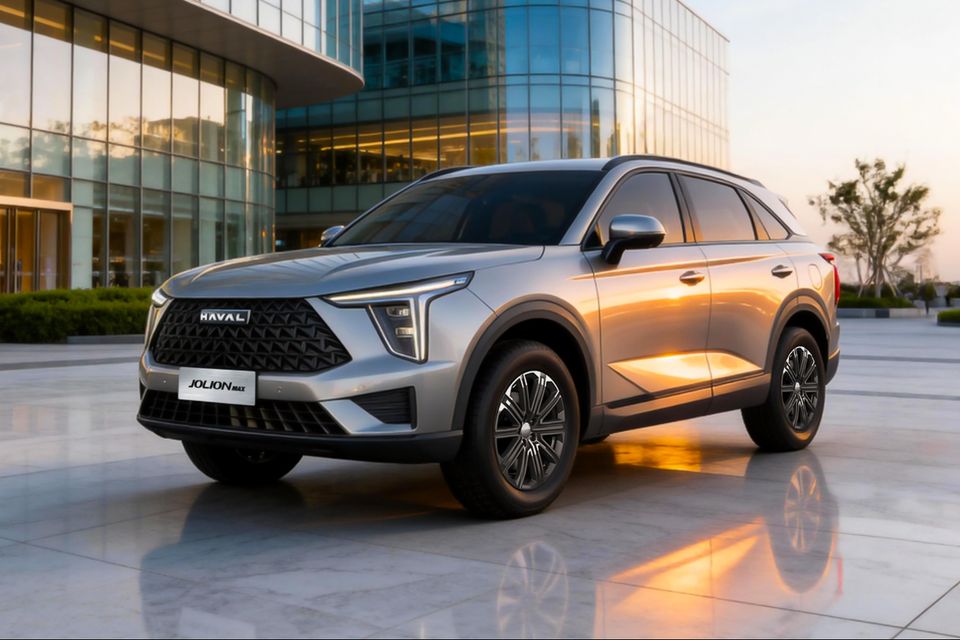
GWM’s EV offerings will be further bolstered by the introduction of the Haval Jolion Max later in 2026. It’ll arrive with both EV and plug-in hybrid (PHEV) powertrains and slot between the existing Jolion and Haval H6, though further details are yet to be announced.
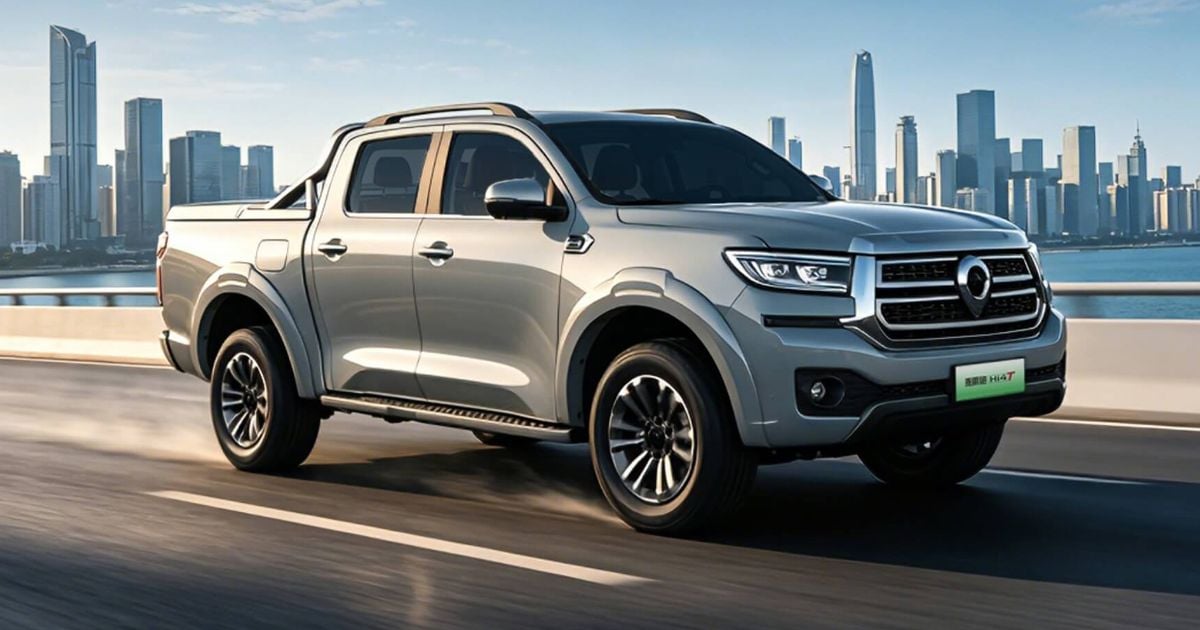
Beyond that, the Chinese brand is bringing its off-road-focused Hi4-T plug-in hybrid (PHEV) powertrain further down its model range. Joining the existing Cannon Alpha Hi4-T PHEV in September 2026 will be the smaller Cannon Hi4-T, for which pricing and specifications have yet to be announced.
For context, the Cannon Alpha Hi4-T uses a 2.0-litre turbocharged four-cylinder engine and a 37.1kWh battery, with a claimed EV-only range of 115km on the more lenient NEDC test. The Cannon PHEV will compete directly with the BYD Shark and Ford Ranger Hybrid.
On the topic of the Cannon Alpha, it’ll also receive a new powertrain: a 3.0-litre four-cylinder turbo-diesel engine, without any electrification, developed for both the ute and the Tank 500 SUV.
This is distinct from the 2.4-litre four-cylinder turbo-diesel fitted to the current Tank 300, though the brand says both engines incorporate significant “Australian customer feedback”. Further, GWM says the 3.0-litre brings “increased power and torque while improving fuel efficiency, providing greater towing confidence, touring capability, and everyday drivability”.
GWM has previously confirmed it’ll produce 170kW of power and 620Nm of torque.
The Cannon Alpha will also receive a new XSR trim in the coming months. The XSR is currently the more off-road-focused flagship trim level in the regular Cannon range, and in the larger Cannon Alpha XSR the Chinese brand promises “enhanced off-road performance”.
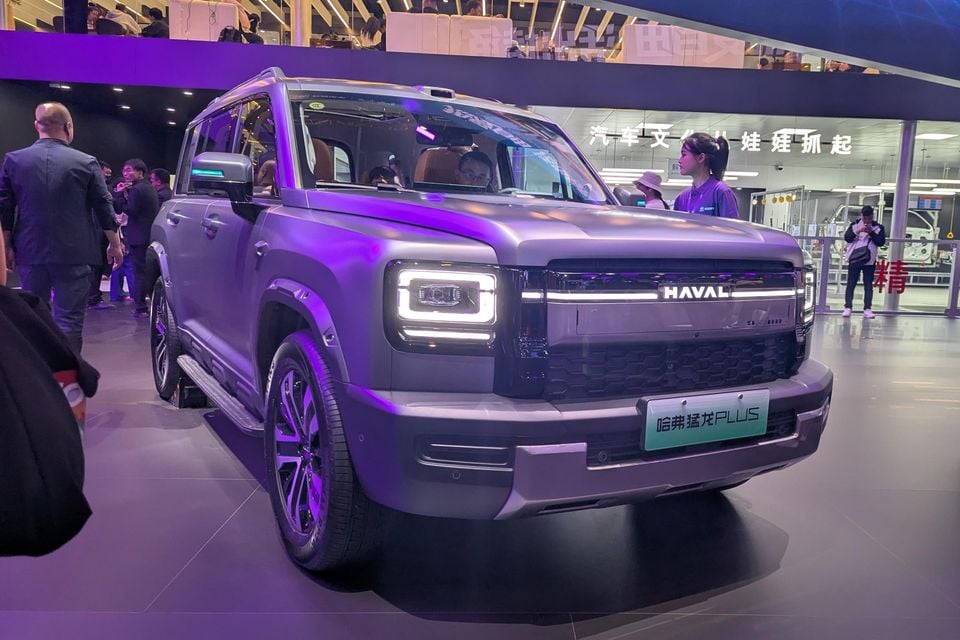
The final confirmed model for 2026 is the new GWM Haval H7. It’ll replace the current H7, which was only introduced in mid-2025, with a “completely new model” that’ll be offered with petrol-hybrid and Hi4 PHEV power.
Select variants will be fitted with front and rear differential locks for improved off-roading, while the range will be treated to an improved interior with upgraded tech. Outside, it also sports a boxier body and more upright styling compared to the outgoing H7.
Significantly, GWM also plans to introduce a fifth sub-brand to the Australian market before the end of 2026. Wey will join Haval, Tank, Cannon, and Ora underneath the broader GWM umbrella, supposedly “designed for buyers seeking premium appointments, exceptional comfort and intelligent innovation”.
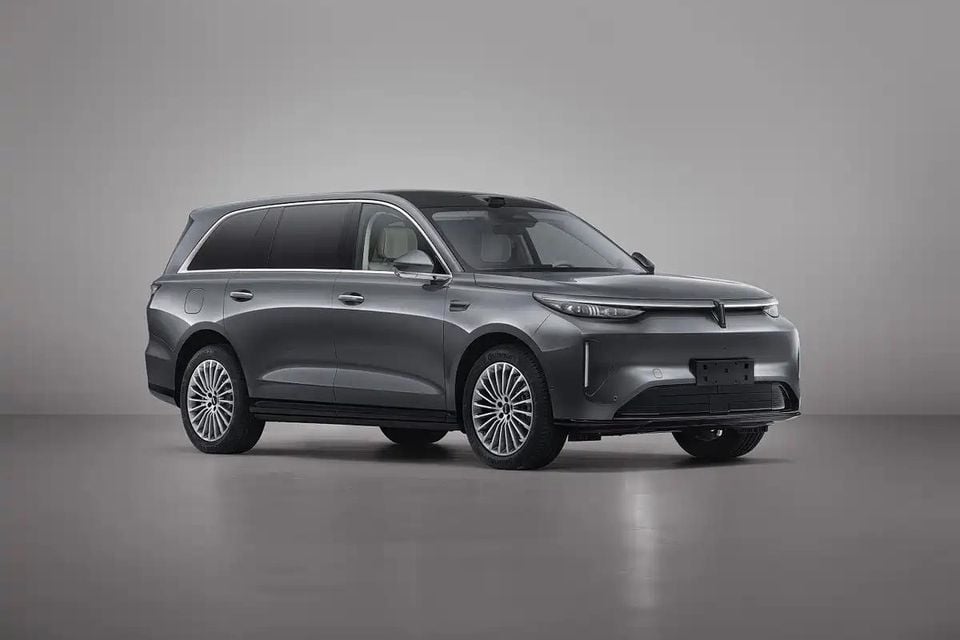
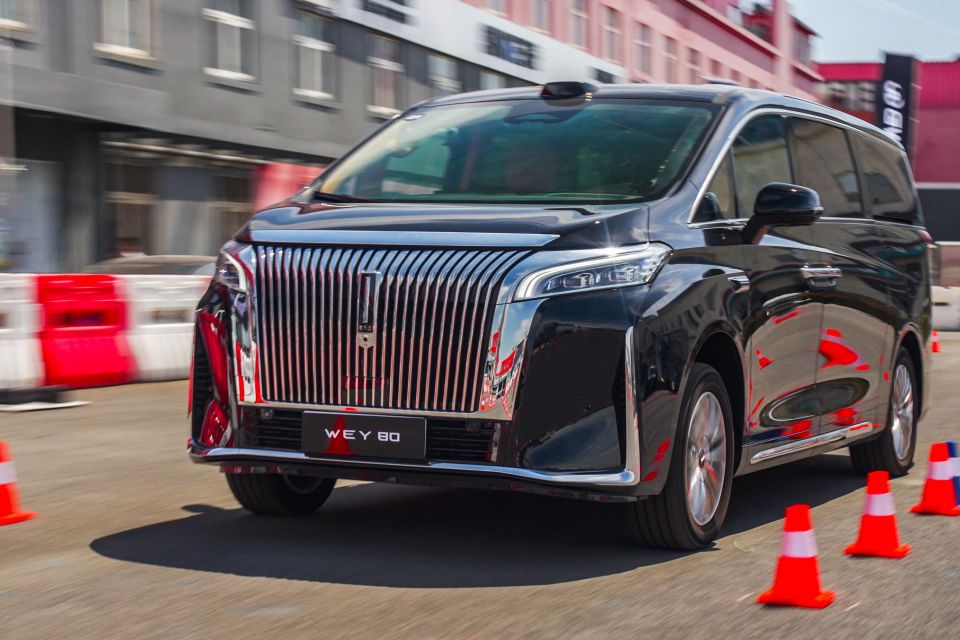
GWM says Wey will expand “the brand’s reach into the large SUV and MPV segments”, marking the beginning of its “premium vehicle strategy for Australia”. The brand has yet to confirm which Wey models it’ll bring to Australia, but its Chinese lineup consists primarily of PHEV SUVs and people movers including the recently revealed full-size V9X SUV which will offer hybrid, PHEV and electric powertrains.
Additionally, GWM Australia has expressed interest in introducing its new V8 engine in 2027, along with diesel-hybrid and diesel PHEV powertrains. It’ll also continue its local tuning efforts headed by Rob Trubiani.
“No single technology wins every customer, and no single customer needs every technology. Our role is to give customers the freedom to choose the solution that best fits their lives, whether that’s petrol, diesel, hybrid, plug-in hybrid or electric,” GWM Australia COO John Kett said.
“We’re not building a strategy around the business we have today. We’re building a strategy around the business we are becoming.
“By the end of 2026, we’ll have one of the market’s most comprehensive portfolios, offering more models, more technologies and more powertrain choices than ever before … we’re incredibly excited about what’s ahead.”
MORE: Explore the GWM showroom