
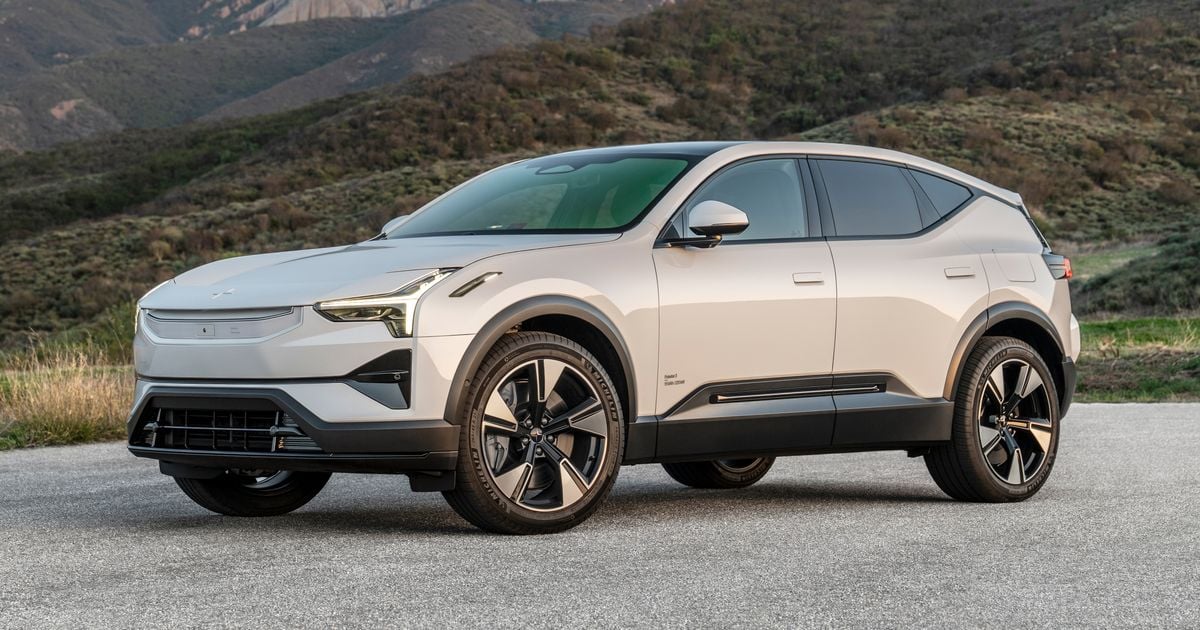
Polestar is withdrawing from the US market after the government refused to grant it authorisation to continue selling vehicles there, citing national security concerns.
The US Department of Commerce’s Bureau of Industry and Security (BIS) didn’t grant the brand – part of Chinese automotive giant Geely – an authorisation under the Connected Vehicle Rule from model year 2027 onwards.
The Connected Vehicle Rule, per the BIS, “prohibits sales of connected vehicles by connected vehicle manufacturers owned by, controlled by, or subject to the jurisdiction or direction of China or Russia, and vehicles using their covered software”.
Looking for your next car? We’ll help you research and compare so you choose with confidence.
These regulations were proposed under President Joe Biden in 2024, but came into effect after President Donald Trump once again took office in 2025.
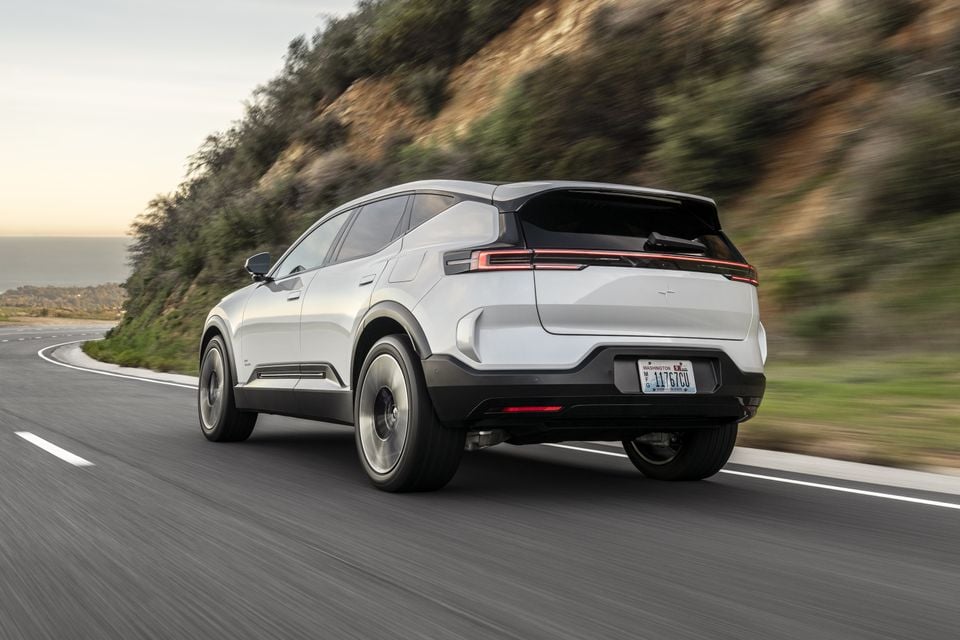
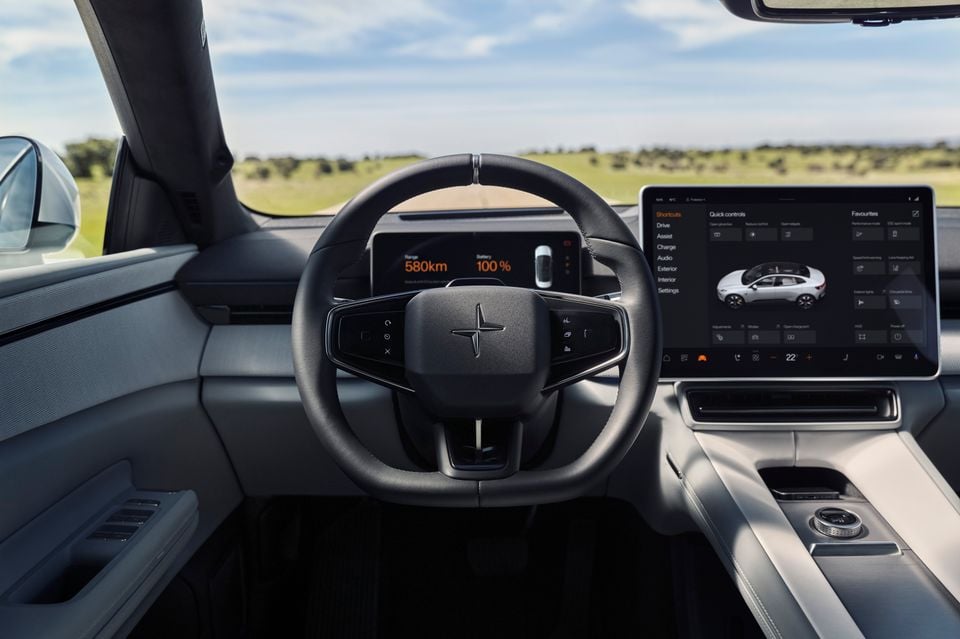
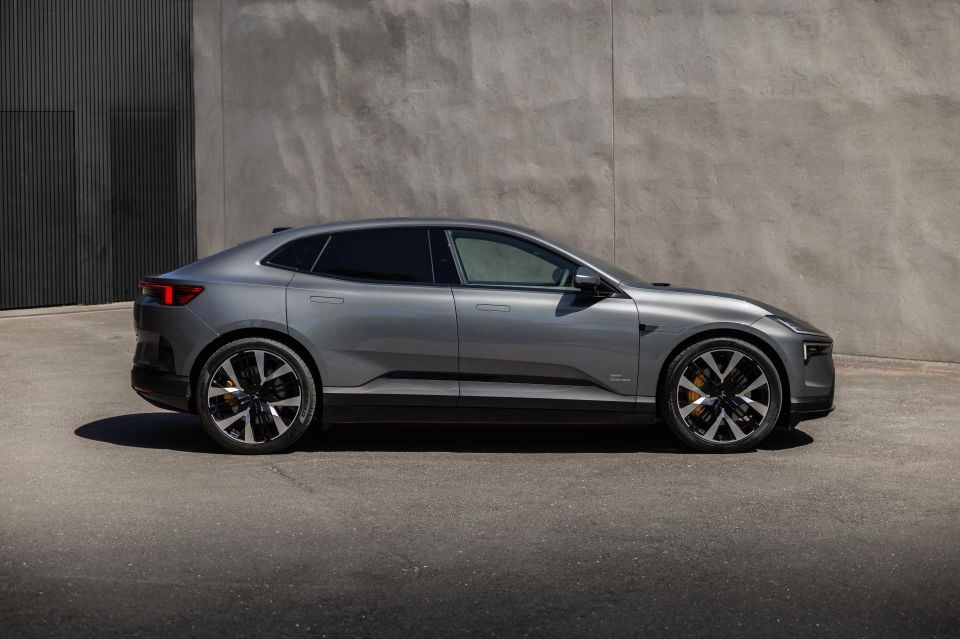
Polestar is being shut out of the US market despite its Polestar 3 being built in the US, and the Polestar 4 being imported from South Korea.
A recent US Securities and Exchange Commission (SEC) filing shows Geely boss Li Shufu owns just over 55 per cent of Polestar. However, Volvo is also majority-owned by Geely, but hasn’t been impacted by the new rule.
Volvo has exported vehicles from China to the US previously, but has shifted away from this. Polestar’s sister brand confirmed in May it had been granted an authorisation from the US government, allowing it to “continue its growth plans in the US’.
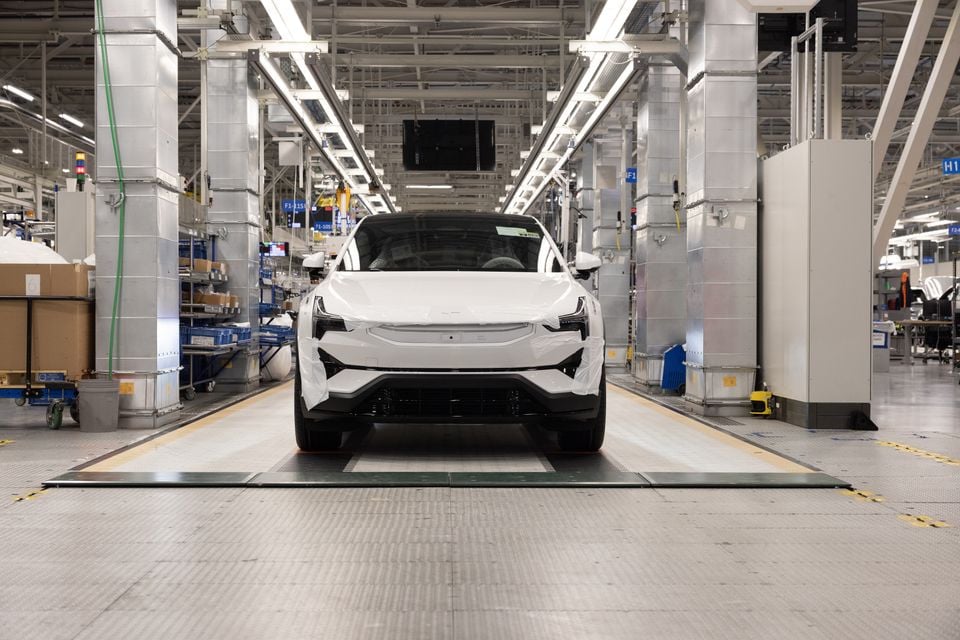
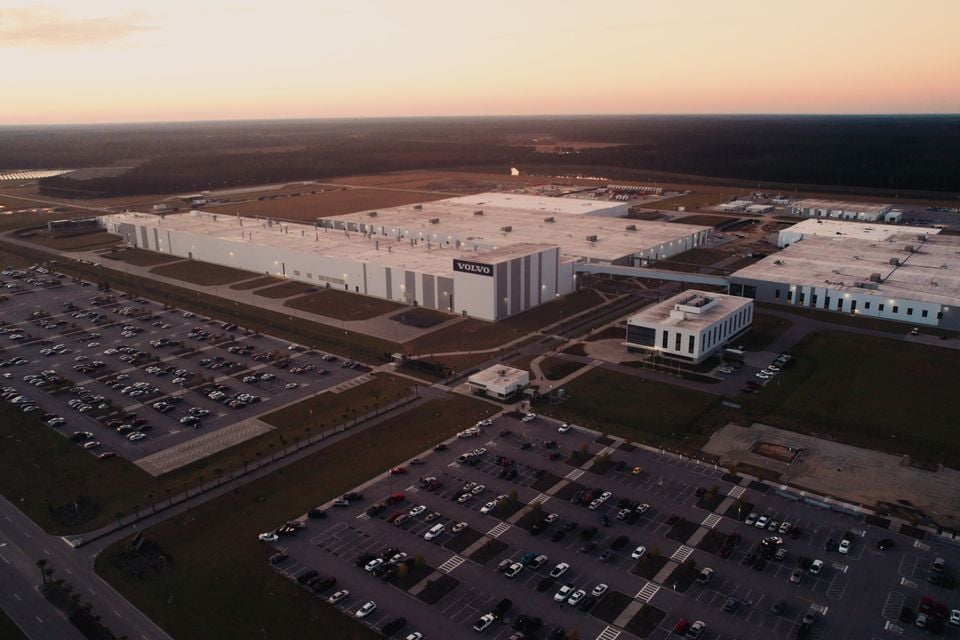
Polestar has also been increasing US production, and announced in March 2026 it would consolidate production of its large Polestar 3 SUV – produced since launch in China – at the Volvo Cars plant in the US state of South Carolina.
“Polestar Australia will continue to operate as normal; the overnight decision to cease sales of MY27 vehicles in the US will have no impact on the local market here,” said Polestar Australia managing director Scott Maynard in a statement.
“With 94 per cent of Polestar’s global sales originating outside of the US, this decision affirms Polestar’s commitments to those other key markets, such as Australia.
“Our South Carolina-based production is separate to our US operations. We are working with our manufacturing partner to see what impact, if any, there is on those factories, and we retain the current production capacity in China that is supplying our order bank for the new Polestar 3.”
In a release in the US, Polestar said it “will continue to sell existing stock of Polestar 3 and Polestar 4 in the US and will continue to support customers, including providing access to its service network”.
It says just six per cent of its retail sales in the first quarter of 2026 were in the US, despite the US being the world’s second-largest automotive market behind China.
Polestar sales haven’t been broken out in annual Kelley Blue Book EV sales reports since 2023, when it delivered 12,215 vehicles there. From 2024 onwards, the brand was lumped in an “Additional EV models” category that’s understood to include models from VinFast; last year, this category accounted for 10,548 sales.
The Geely-owned brand now says it’s “increasing its strategic focus on Europe”, which represents close to 80 per cent of its retail sales volumes.
“The automotive industry is entering a new phase, based on regional dynamics. Our strategy reflects that, with Europe being our largest growth engine and our plan to manufacture Polestar 7 in Europe,” said Polestar CEO Michael Lohscheller in a release.
“Our record sales in 2025 and the first quarter of 2026 show that we are making strong progress, with several new market launches taking place in Europe this year. In addition, we will continue to invest in markets where we have opportunities to continue to grow, like Southeast Asia, Eastern Europe, Latin America and Canada.”
The brand doesn’t break down its sales by region, but China doesn’t account for a significant share despite Polestar’s majority Chinese ownership. Polestar won’t offer its flagship Polestar 5 there, and a US entry has been scuttled by the new regulatory changes.
Connected vehicle regulations will become even stricter in the US.
From model year 2030, or January 1, 2029 for non-model-year components, the US government will prohibit the import of “[Vehicle Connectivity System] hardware from companies owned by, controlled by, or subject to the jurisdiction or direction of China or Russia”.
With Polestar’s departure from the US market, that will leave just Volvo and Lotus as the only majority Chinese-owned auto brands there.
There’s only a tiny handful of Chinese-built vehicles still offered in the US market. These comprise the Lotus Eletre and Emeya, and the Buick Envision and Lincoln Nautilus.
Despite the US shutting out Chinese automakers with tariffs and connected vehicle regulations, they’ve rapidly proliferated south of the border in Mexico, while north of the border Canada is softening tariffs against these brands.