
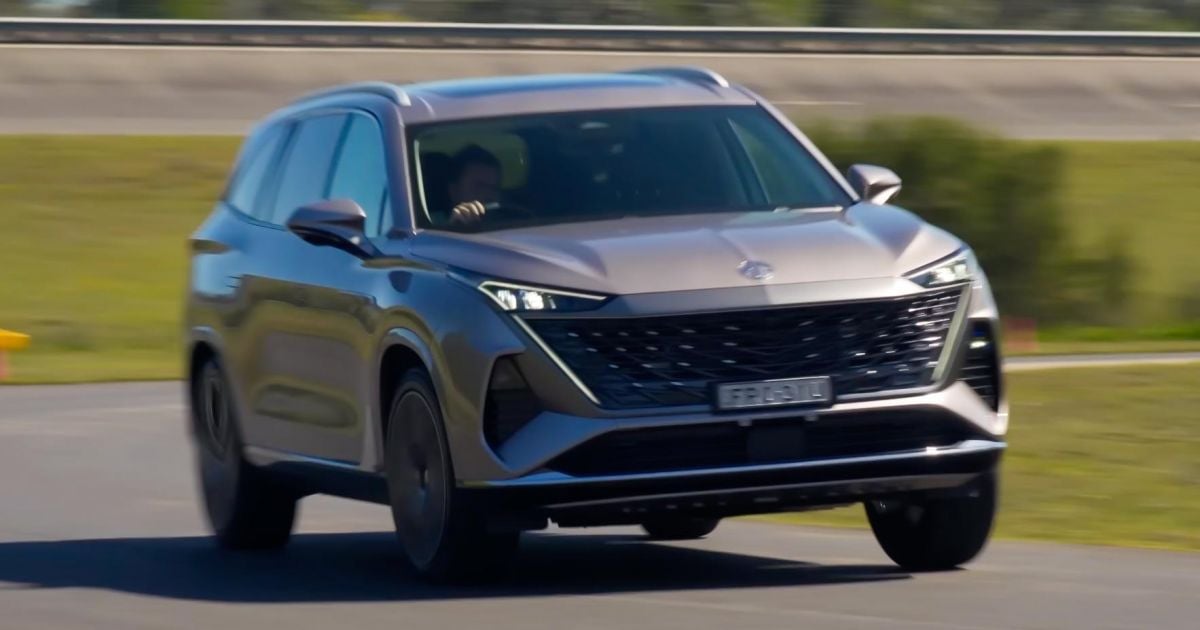
The MG QS is yet more proof the Chinese have well and truly infiltrated the Australian car market.
Four Chinese marques have become regular fixtures in the list of top 10 best-selling brands, and you can find Chinese models across a raft of segments from light cars all the way up to utes and large off-road SUVs.
And yet, surprisingly, until recently the Chinese have largely avoided the large crossover SUV segment that’s home to the top-selling Toyota Kluger, Hyundai Santa Fe and Kia Sorento.
GWM’s short-lived, five-seat Haval H8, axed in 2018, had been the only entrant until last year when Chery launched its Tiggo 8 Pro Max… though we’d argue that’s more of a mid-sizer, even if it does have a third row of seating.
Then, this year, Chery lobbed the Jaecoo J8 and Chery Tiggo 9 cousins, BYD confirmed the Sealion 8 for a 2026 launch, and MG launched this: the QS. The Chinese are making up for lost time, it seems.
We’ve been well overdue for a large MG SUV with three rows of seating, as MG launched its RX8 in the Middle East back in 2018. But that was a body-on-frame off-road SUV, whereas the new QS is proper crossover SUV with car-like unibody construction.
The old RX8 and the new QS do have one thing in common, though: they’re both not really MGs.
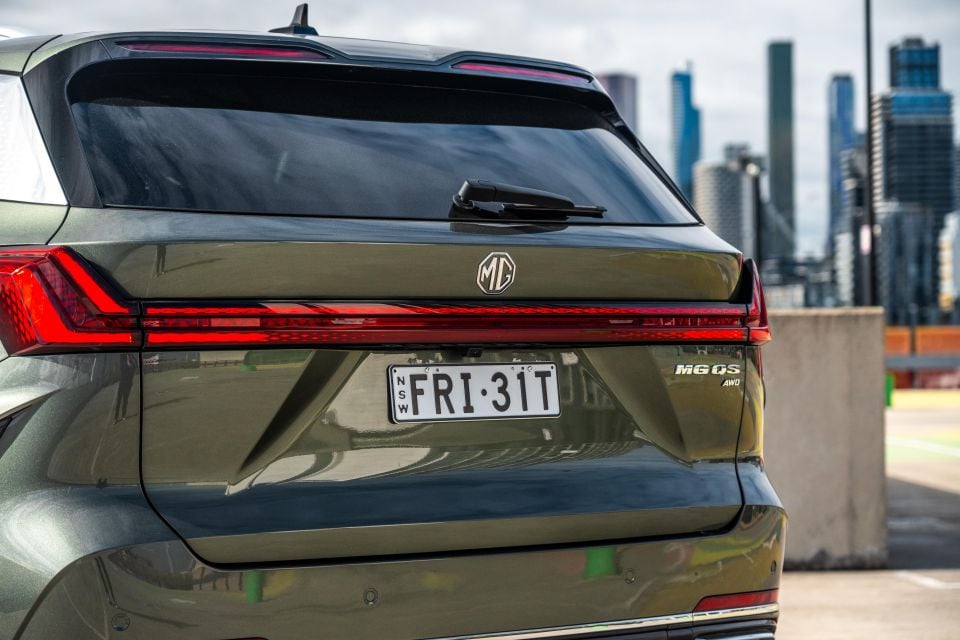
See, MG’s parent SAIC Motor likes to put the MG octagon on vehicles from its other brands where they can plug a gap. That’s how the LDV Terron 9 ute became the MG U9, and it’s how the Roewe RX9 has become the MG QS. In other markets, you’ve even been able to buy MG vans and people movers.
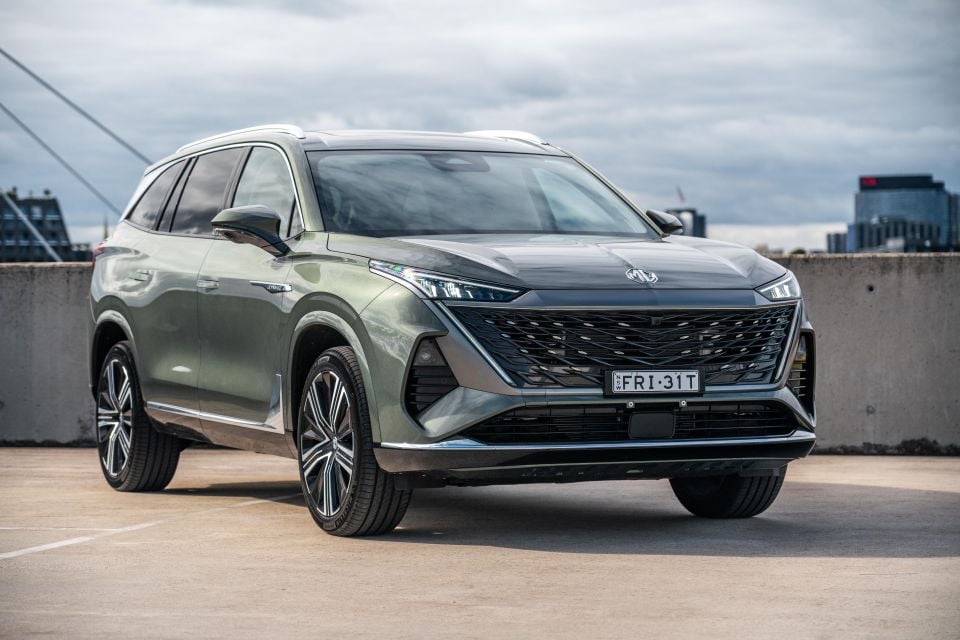
Roewe is MG’s Chinese-market sister brand, with model designs that are generally a little less sporty and a little more elegant. And unlike the Roewe RX5, which received a nose job to become the second-generation MG HS, the QS is pure Roewe externally.
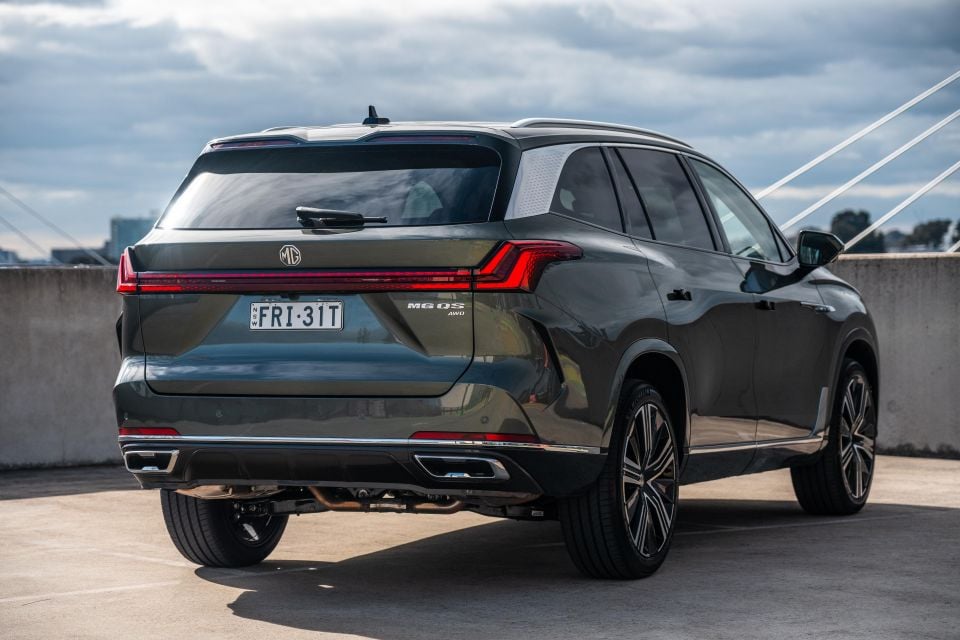
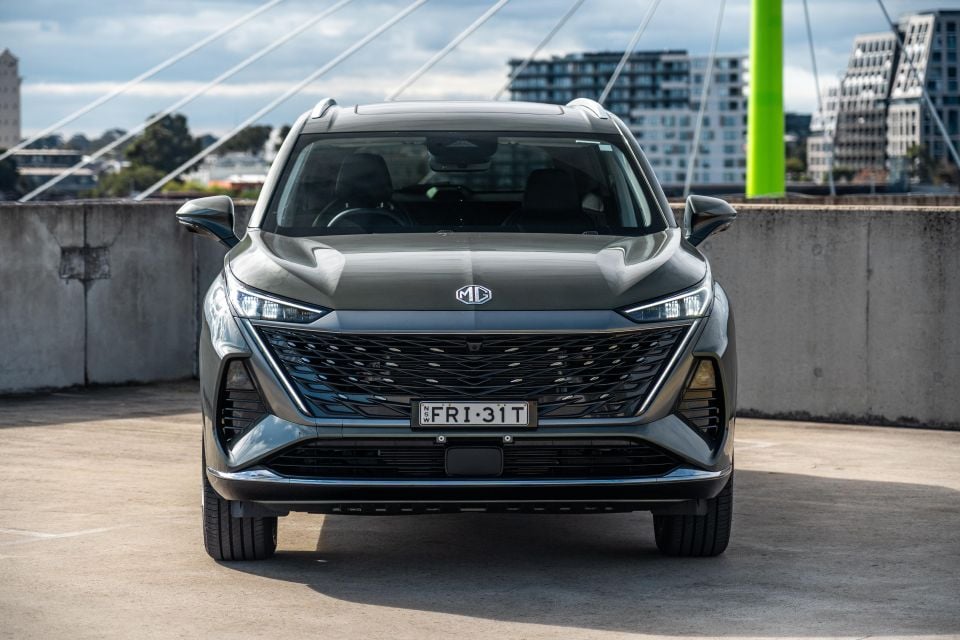
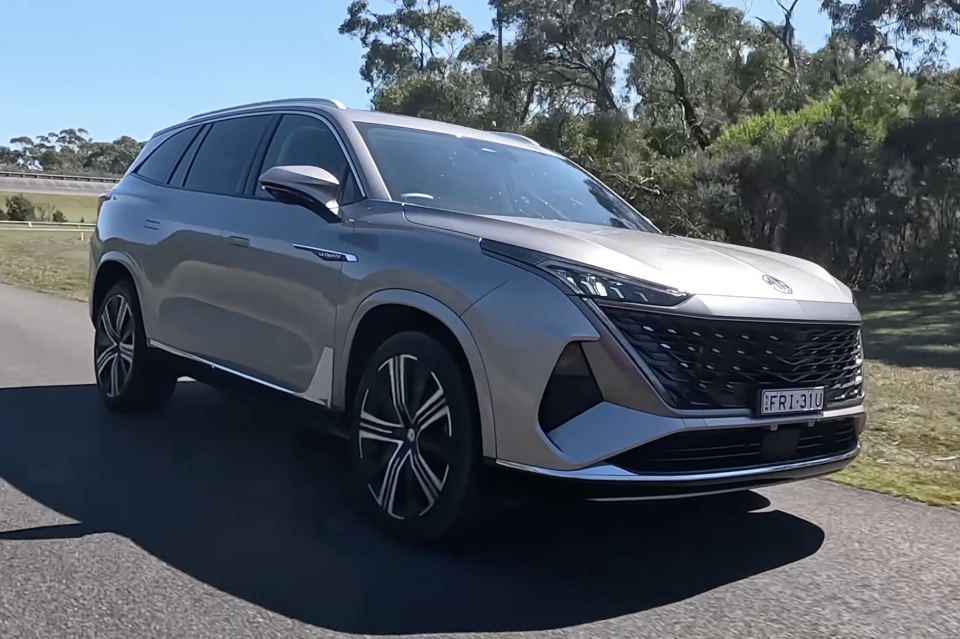
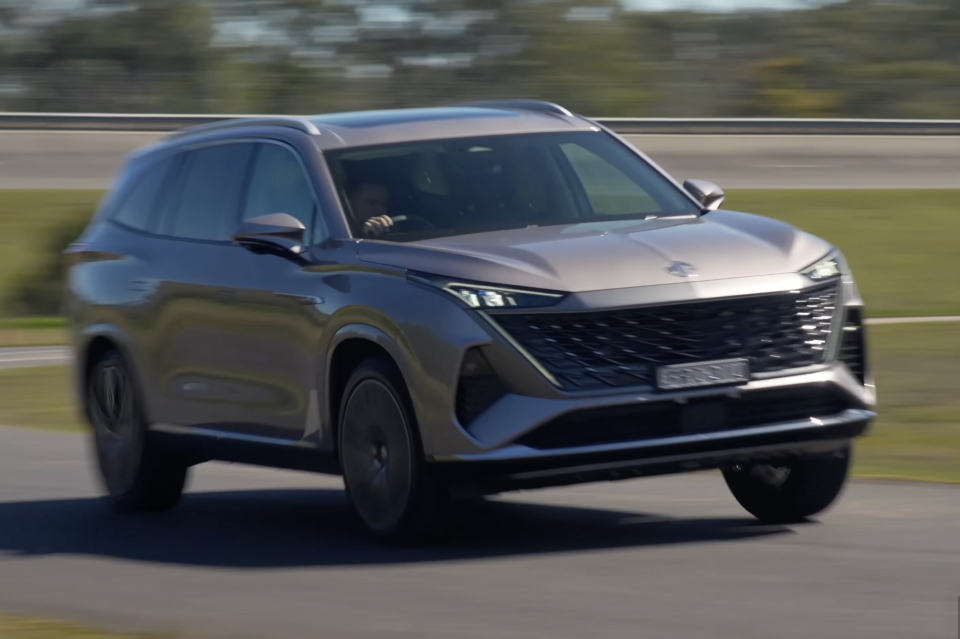
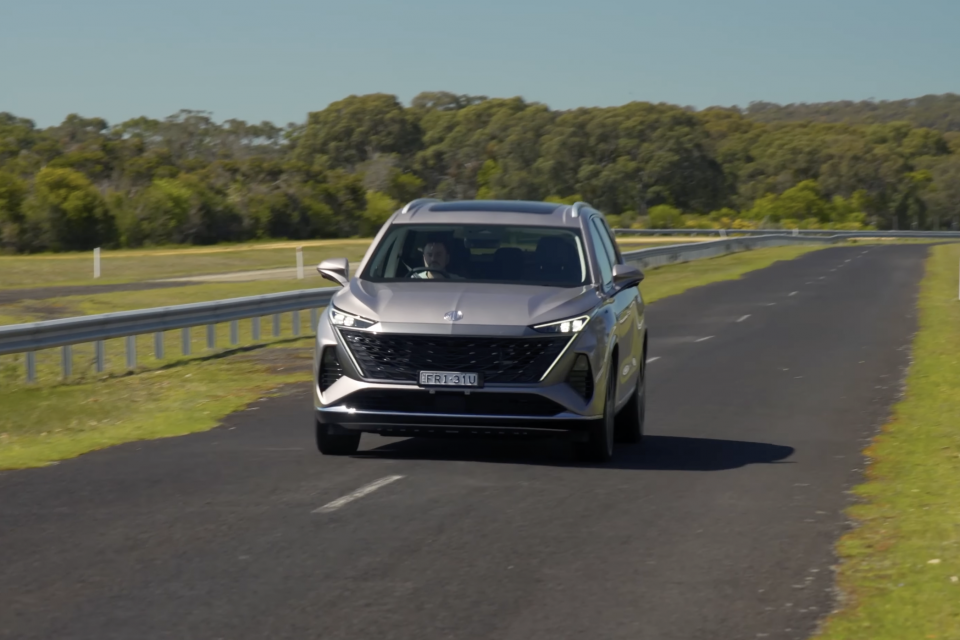
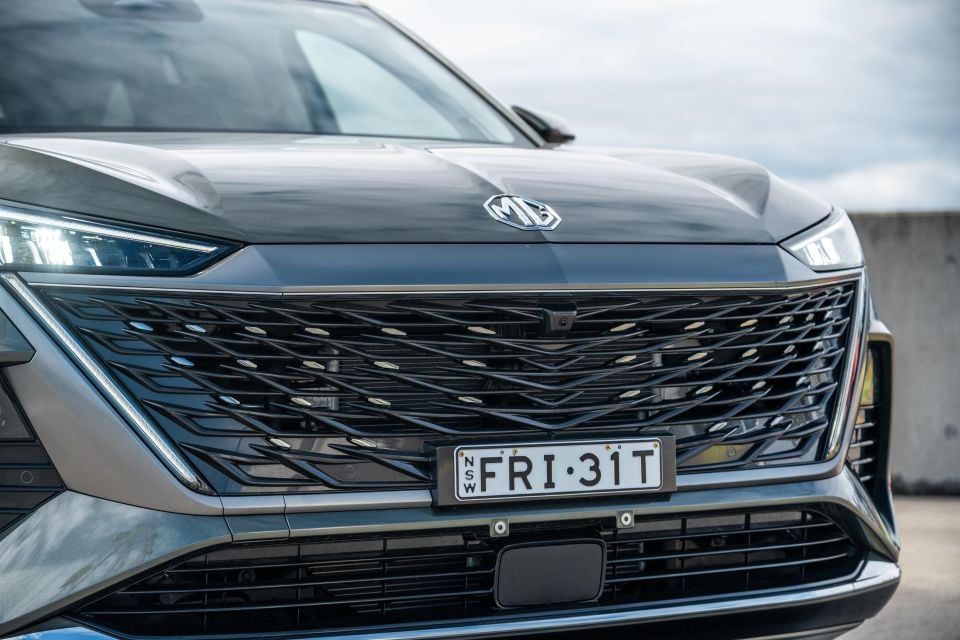
Not that we’re complaining. This is, to my eyes at least, a fairly handsome SUV. Oh sure, your pareidolia may find that grille reminiscent of a menacing smirk, with the angled headlights glaring and the plunging diagonal LED daytime running lights looking like fangs.
But if you don’t see faces in inanimate objects, you’ll notice the handsome metallic accents around the grille, on the D-pillar, and along the rockers, which add an elegant and distinctive touch.
There are trim pieces reminiscent of fender vents, though bafflingly they read ‘Ultimate’ on all QS variants even though none of them are called that. This isn’t the first time MG has done this in Australia…
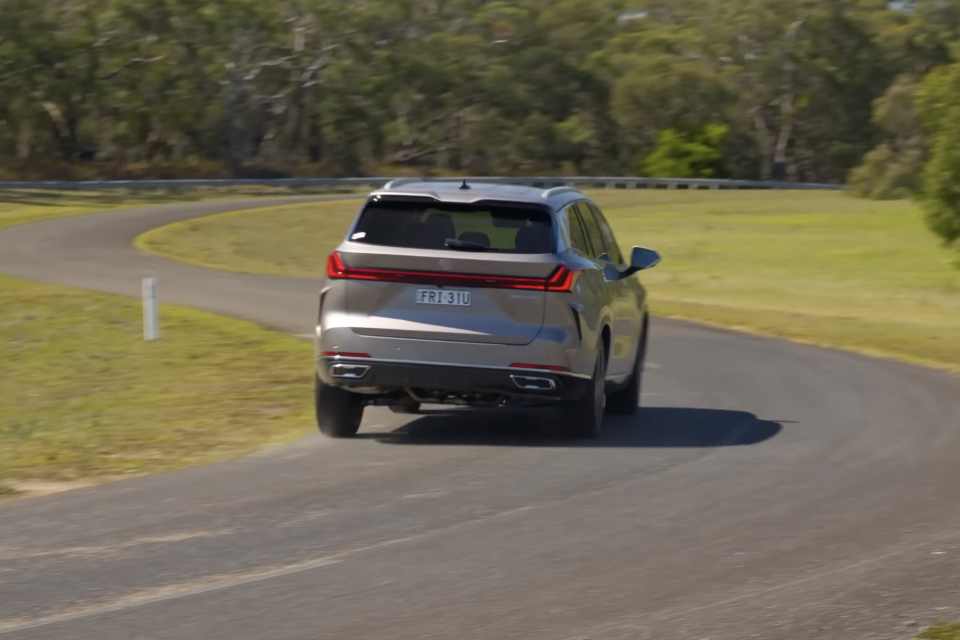
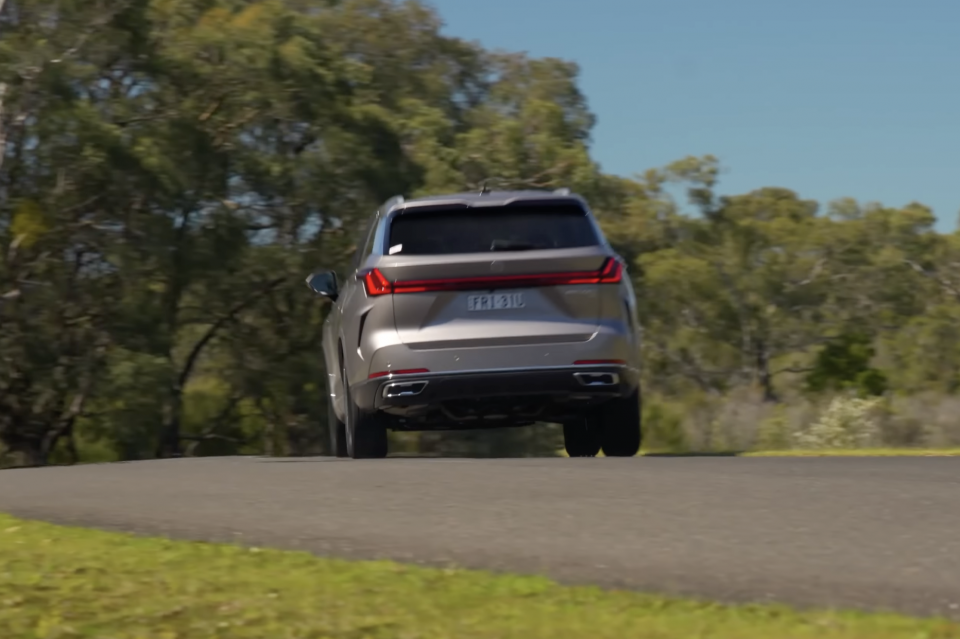
Throw in a set of attractive 21-inch alloy wheels that nicely fill out the arches, and this QS Essence – not Ultimate – has got some serious showroom appeal.
How much does the MG QS cost?
| Model | Drive-away pricing |
|---|---|
| 2026 MG QS Excite | $46,990 |
| 2026 MG QS Essence | $50,990 |
To see how the MG QS lines up against the competition, check out our comparison tool
Let us help you find your new car
Buy your new car without the stress. It’s fast, simple and completely free.
Great service from Travis and team, second time I have used this business would not hesitate to recommend them to anyone
Craig C.
Purchased a Ford Ranger in Sunshine Coast, QLD
CarExpert helped Craig save thousands on his Ford Ranger, now let us save you on your next new car.
What is the MG QS like on the inside?
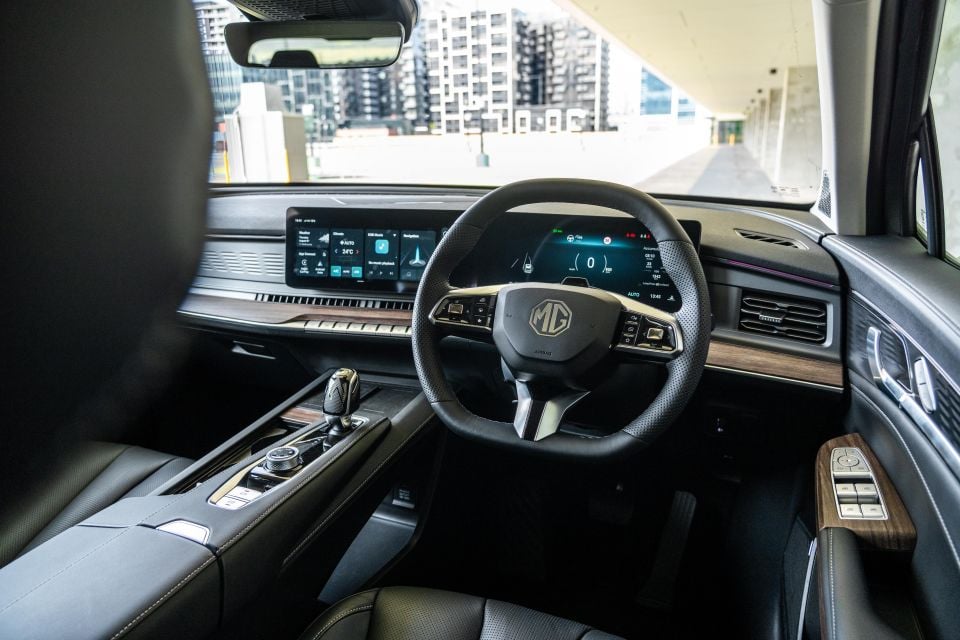
The MG QS has a modern, distinctive and generally well-appointed cabin. There are some minor usability issues, however.
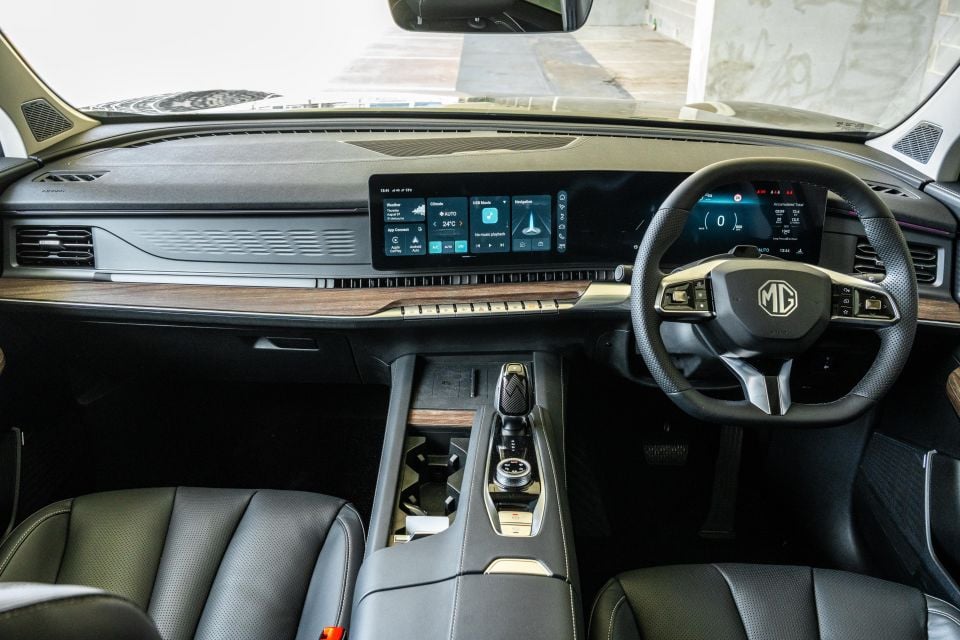
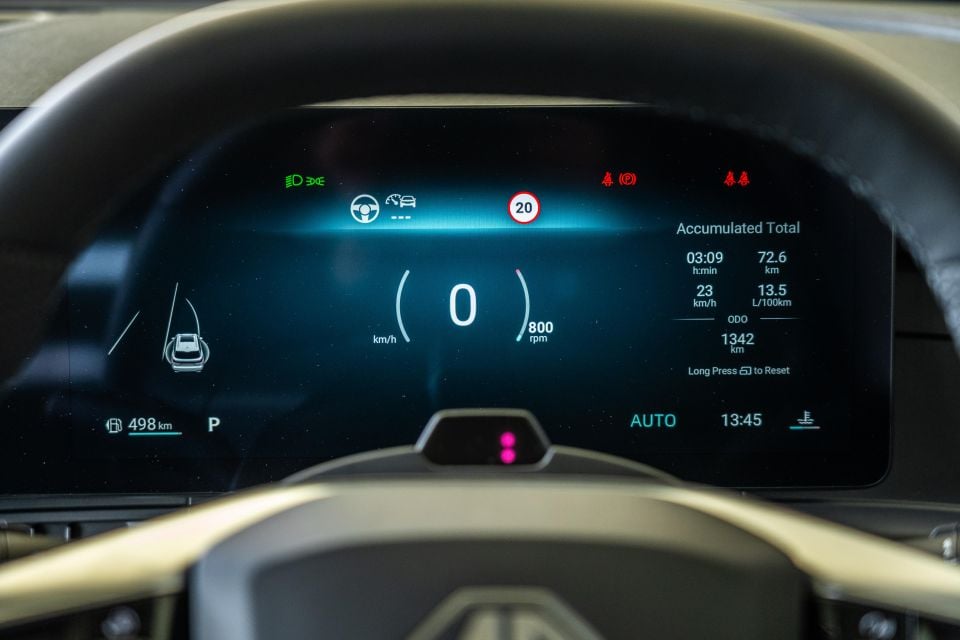
There’s no head-up display, even though this is the top-spec QS. That mightn’t sound like the end of the world, but in two of the three digital instrument cluster themes, the speed readout is displayed at the top of the screen. Depending on your seating and steering wheel position, this readout can be blocked.
Speaking of the digital instrument cluster, you can choose between the default view, a full-screen map view (handy!) and an ‘intelligent drive’ view that shows little animated versions of the cars around you (dumb!)
A separate ‘immersion mode’ allows you to have a minimalist display with only key information visible, while for each of the main views you can choose what appears on the side of the screen – for example, fuel economy or media information.
The touchscreen infotainment system is generally good, and a marked improvement over previous MG systems. MG has also resisted the temptation to move almost everything to the touchscreen, and it’s arguably just two to four physical buttons away from hitting the sweet spot.
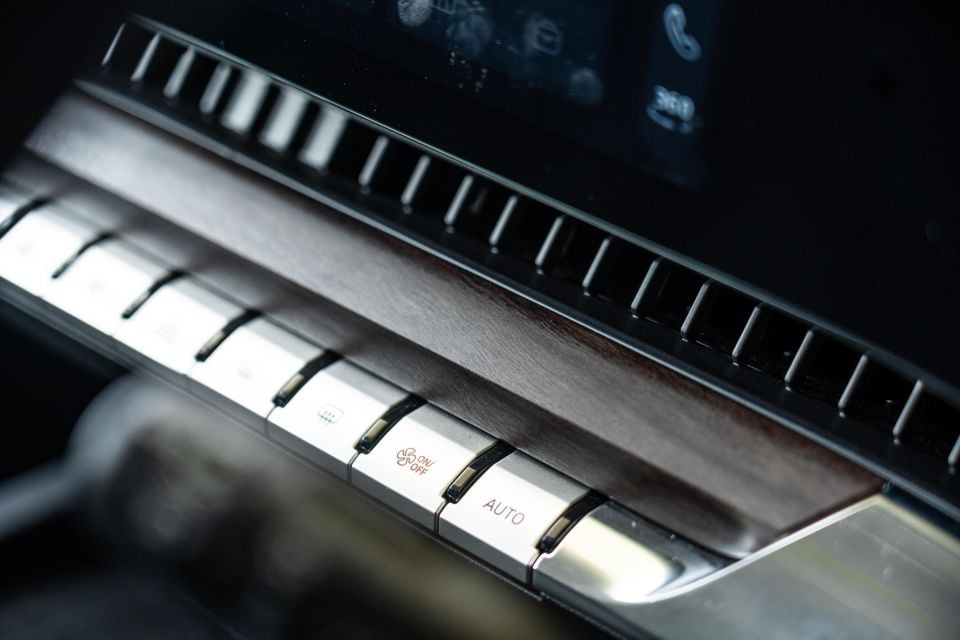
You still get physical buttons for fan speed, and turning the air-conditioning, hazard lights and demisters on and off, plus a shortcut button to the climate menu and the infotainment’s home menu.
The home menu is neatly laid out, and you can adjust the temperature on here without further burrowing into the climate menu. Still, even though you can use the climate control, we’d like a physical button for adjusting the temperature.
It’s also a bit frustrating having to dive into a menu or use the voice assistant to adjust the heated and ventilated front seats and heated steering wheel.
MG is still more user-friendly than some Chinese brands though, offering programmable shortcut buttons on the steering wheel. We can’t think of too many cars outside the MG brand that allow you to adjust the AC using the steering wheel.
The touchscreen includes a handy anchored shortcar bar, with buttons for home, navigation, media, vehicle settings, phone and the surround-view camera. Annoyingly, however, it doesn’t seem to consistently appear when you have smartphone mirroring on.
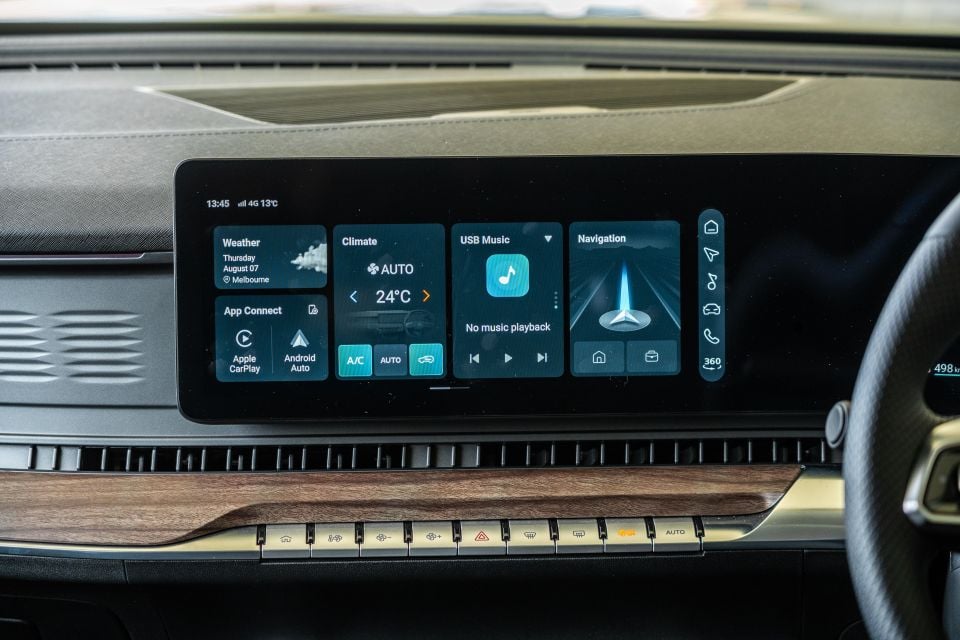
Wireless Android Auto worked a treat, booting up quickly every time we started the QS, and never disconnecting unexpectedly, though once in a while we would have an issue with media skipping slightly. In a different QS Essence tester, however, Paul Maric had no end of troubles with wireless Apple CarPlay.
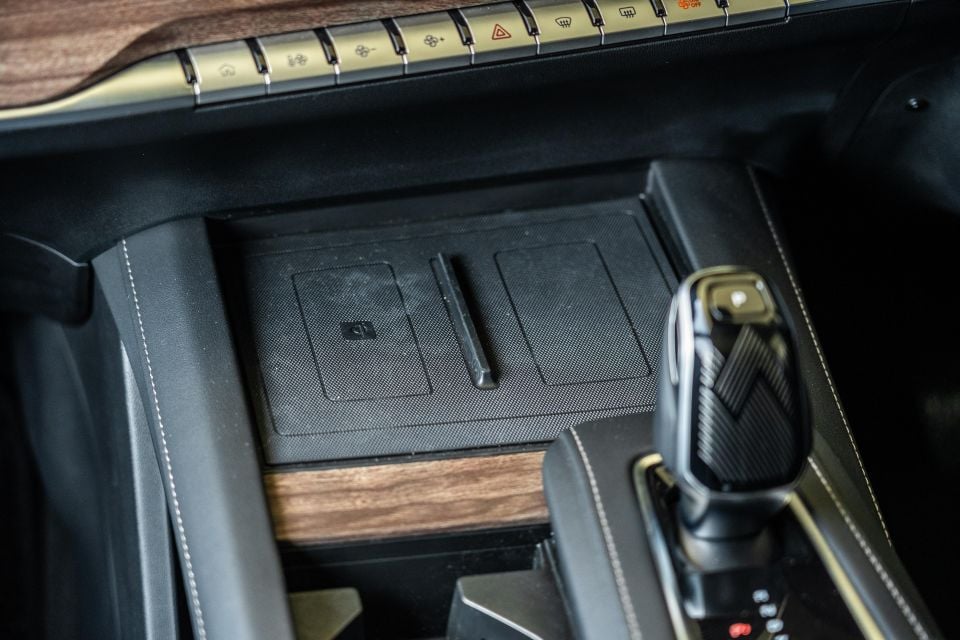
At the base of the centre stack, you’ll find a conveniently located wireless charging pad with another rubberised pad next to it.
The centre console has two levels. The top tier features the monostatic gear selector, rotary dial for drive mode selection, and buttons for the park brake and auto hold function – by the way, the auto hold will stay on so you don’t have to turn it on every time you start the car. There’s also a pair of cupholders with a woodgrain roller cover.
There’s a softly padded lid for the centre console bin which, while not having a particularly large opening, is quite deep. The button to pop its lid, however, is far too easy to hit with your elbow.
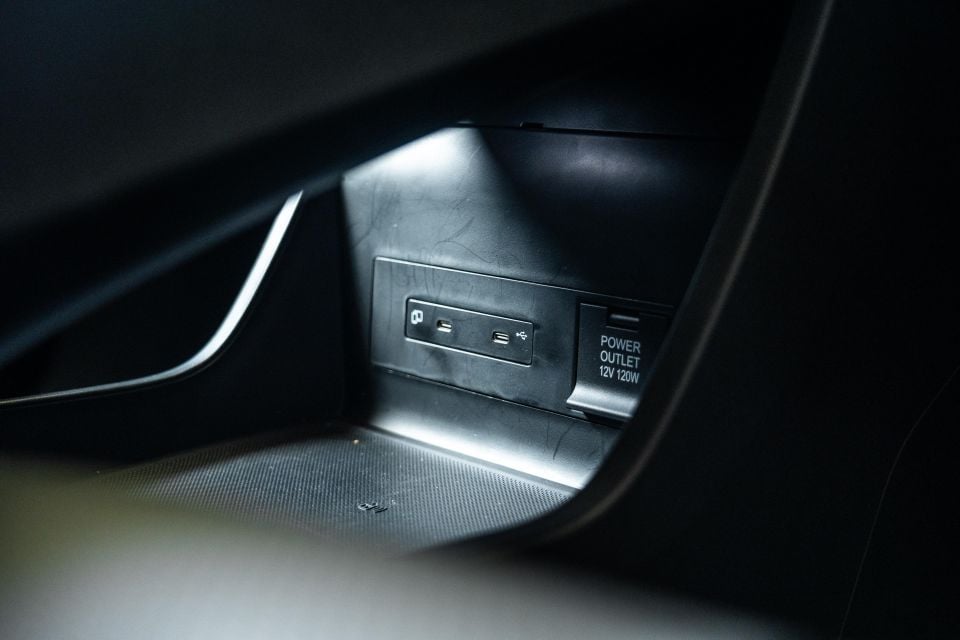
Below the upper tier of the centre console is a rubberised shelf where you can put a purse or wallet, and which features a pair of USB-C power outlets and a 12V port.
Storage is quite good in the QS, with the bottle openers in the doors also large enough to fit 1.5-litre bottles plus a pair of smaller bottles.
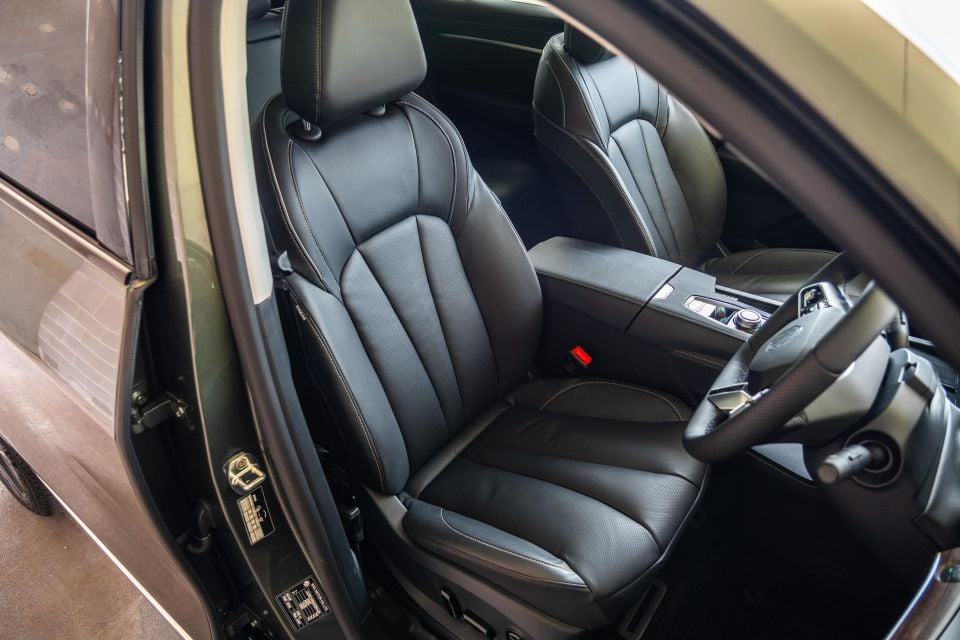
There’s an easy entry and exit mode that moves the driver’s seat when you get in and turn the car on, which is neat.
The front seats are plush and comfortable, and yet still proved supportive in the corners. They feature heating and ventilation, annoyingly without physical buttons for adjustment, and unusually you can actually turn on both functions at the same time.
It’s a strange feeling to have the QS’ seat warm your posterior as cool air is propelled through the vents at your back. We said strange, not bad.
The expansive panoramic sunroof is another luxurious touch, though we do wish it had a thicker shade.
The woodgrain appliques, which simulate open-pore wood trim, are tasteful. They’re accompanied by odd textured, grey trim pieces which are less so, and lend an almost industrial look to a cabin that’s otherwise aiming for modern chic.
The dash top is finished in exceptionally soft trim that eschews a traditional leather-look graining for a distinctive pattern, while the centre console is wrapped in firmer, leather-look trim to give it an upscale look. The top half of the doors are also finished in attractive, soft materials.
You need to look down to the doors to find hard plastics, and these do look quite cheap – but there’s not much of this material, thankfully.
Chinese brands have gotten a lot better at translating warning messages and menu items to English, but the QS has some doozies in the ambient lighting menu.
If you go into this menu and press ‘scenario settings’, there’s an option for ‘breathing effect’ – okay, that one’s pretty logical, the ambient lighting pulsates. But what is ‘welcome to get on’, for which you can toggle between standard, elegant and strong modes?
There’s also a ‘light-sensing’ option, the only one which has an explanation… but the explanation simply reads “automatically on or off with the width lamp status”, which makes no sense.
The QS features proximity entry, so you don’t have to take the key fob – which is oddly emblazoned with The Roaring Raindrop, a vehicle from the MG marque’s very distant past, on the rear – out of your pocket.
The flush door handles pop out when the vehicle is unlocked, and they’re easy to open. The rear doors do require a firm slam to shut, though, even if they don’t feel light and tinny.
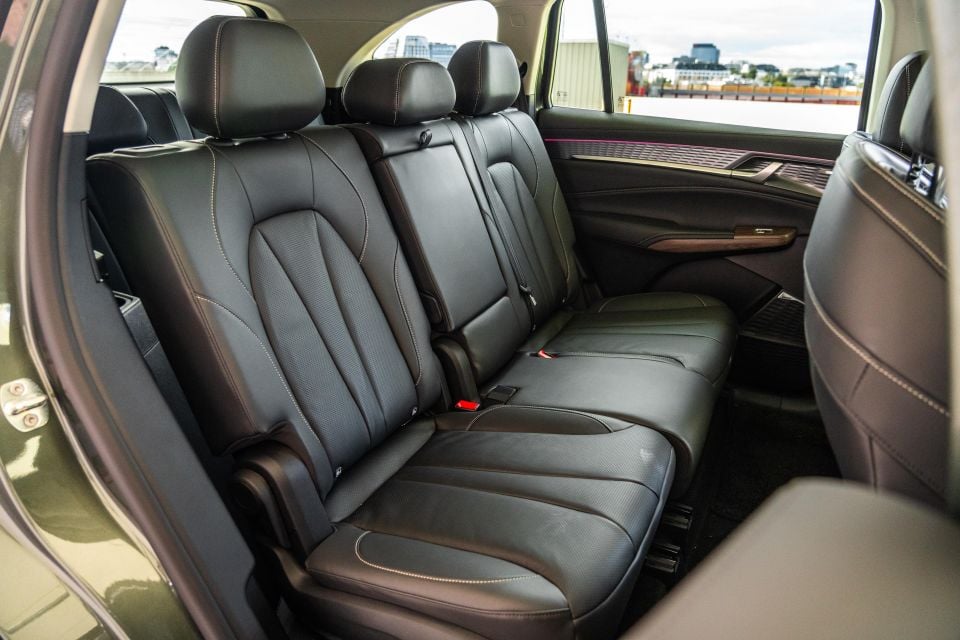
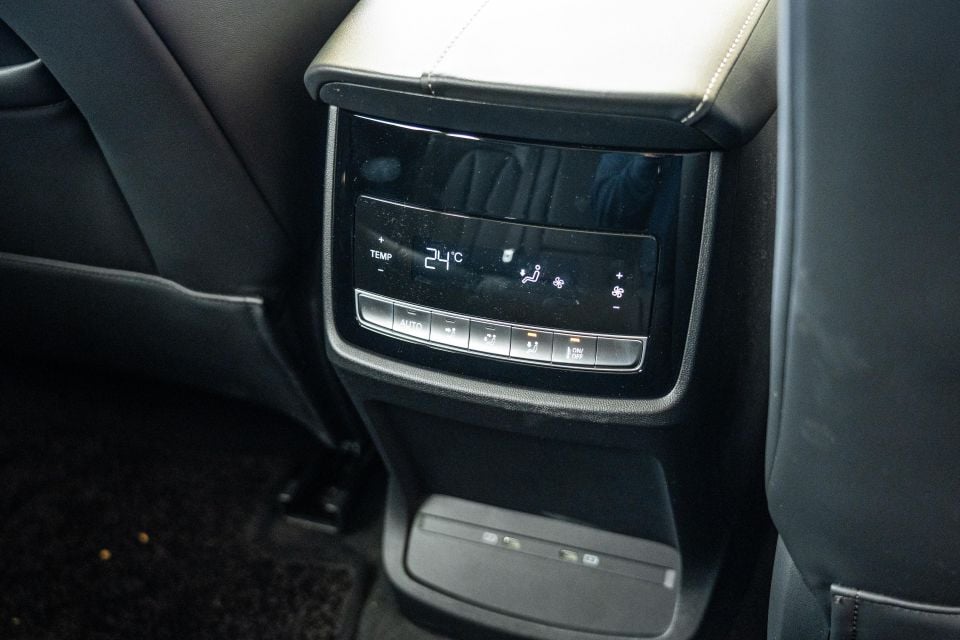
Step into the second row and you’ll find a floor that’s virtually flat. There are air vents in the roof, plus controls at the rear of the centre console for adjusting AC settings. A pair of USB-C outlets can also be found here, while the soft front seatbacks feature map pockets and the fold-down centre armrest houses a pair of cupholders.
The doors back here are still finished in a mix of soft-touch plastic and leatherette trim, with hard plastics reserved only for the bottom.
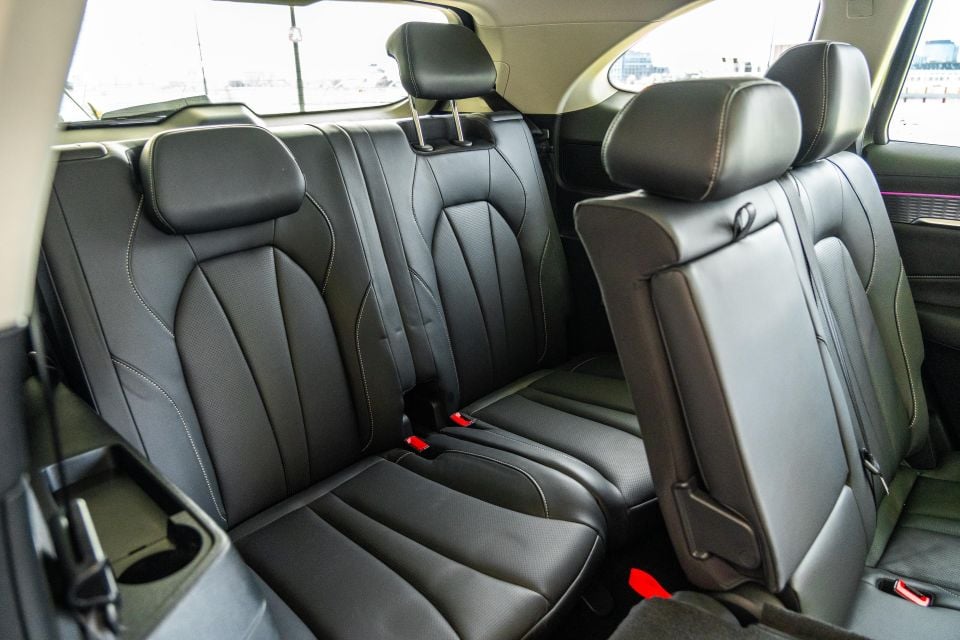
The bench is comfortable, though the middle seat is firmer and slightly elevated. Still, at 180cm tall I could comfortably sit upright in this position, even with a panoramic sunroof above. The lack of a driveline hump is also a boon for legroom.
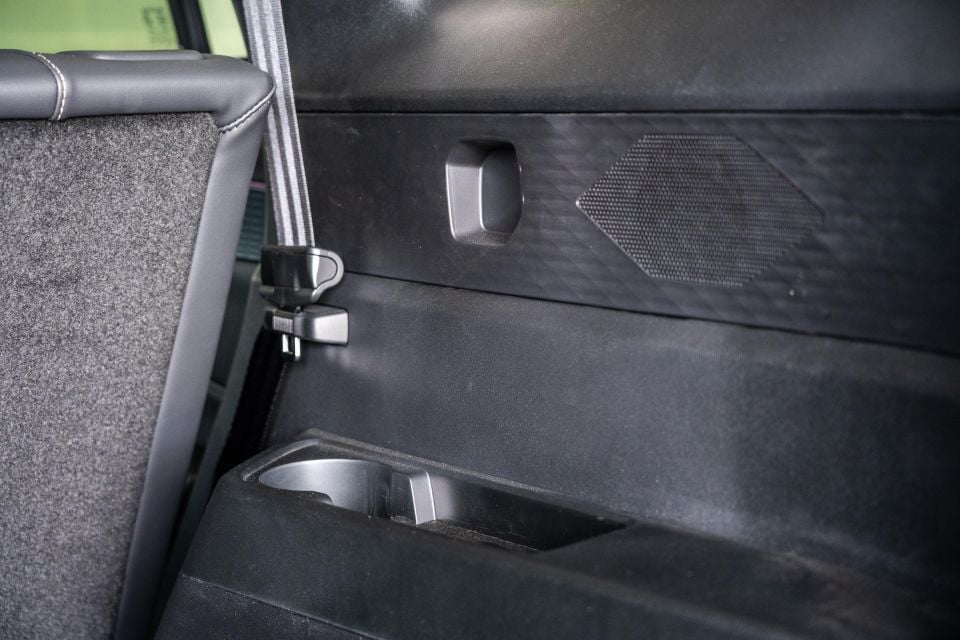
Step into the third row and all the lovely materials seen up front evaporate. It’s nothing but hard, scratchy plastic here, though the seats are finished in the same plush material as the first and second rows, and some textured plastic trim attempts to add some contrast.
There are cupholders and air vents on either side, but only one USB-C outlet back here. There are also no top-tether or ISOFIX anchor points back here, so child seats will have to be fitted in the second row.
How does the QS’ third row measure up? Well, with the second row in its default position, I had enough toe room and my head only slightly brushed the roof if I maintained proper posture.
My knees touched the second-row seatbacks, but it was entirely possible to adjust the second-row seats to a position where people my height could be comfortable across both rows. Suffice to say, kids will have no problem.
There’s a button on the second-row seatback to tilt and slide it forward, but this can only be found on one side of the car. On our tester, this was on the driver’s side – not ideal for loading children into the third row when street-parked, as this would have to be done from the traffic-side of the car.
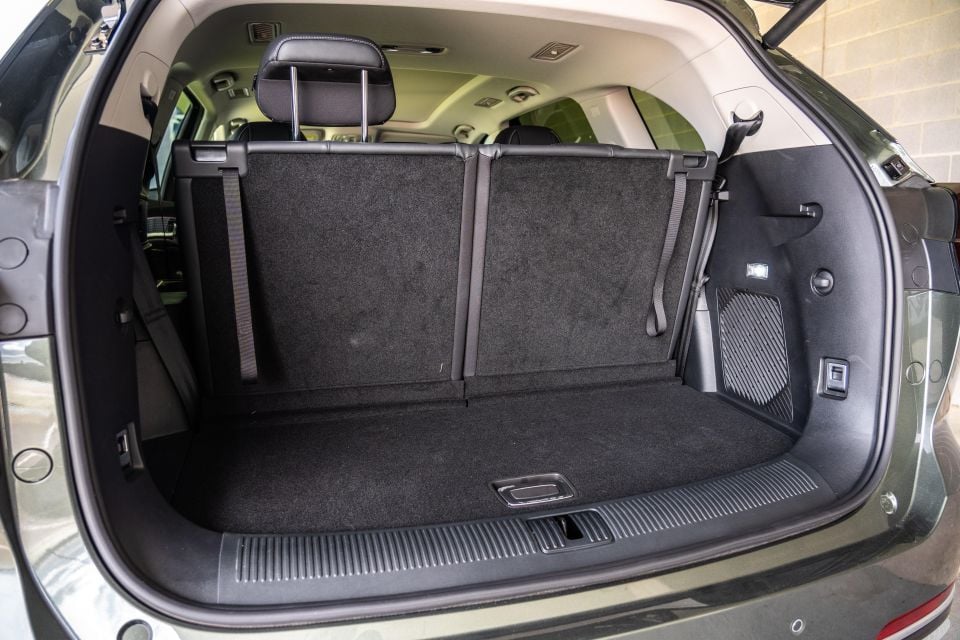
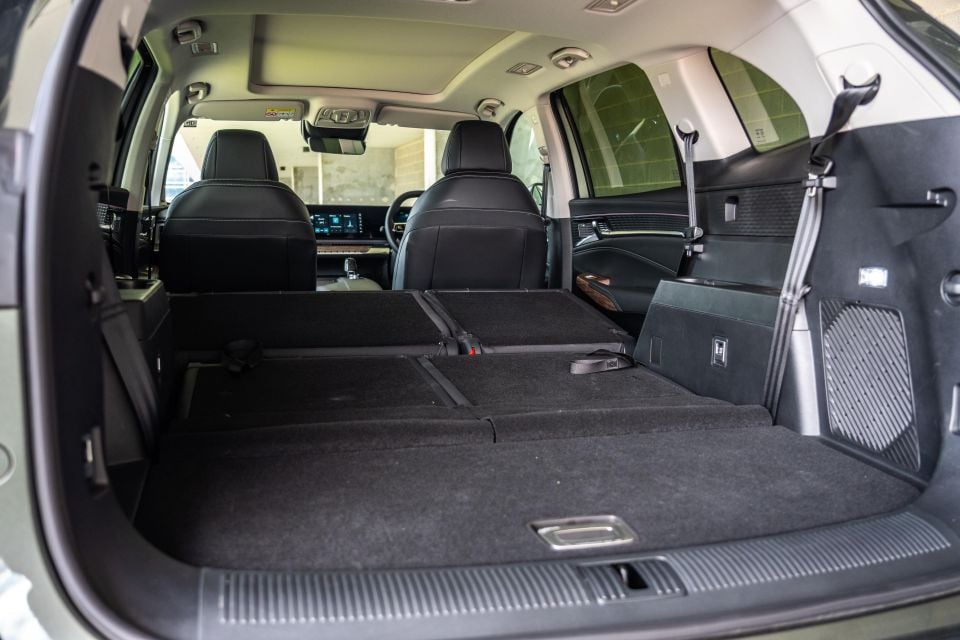
With the third row up, boot space is limited – as is typically the case with three-row SUVs. You might be able to fit a pair of overnight bags, or a small suitcase.
There’s a 12V outlet plus some storage under the boot floor, with the spare wheel actually mounted under the vehicle. So why, then, is the spare a space-saver? Give us a full-sizer!
| Dimensions | MG QS |
|---|---|
| Length | 4983mm |
| Width | 1967mm |
| Height | 1778mm |
| Wheelbase | 2915mm |
| Cargo capacity | 203L (behind third row) 517L (third row folded) 1052L (second and third rows folded) |
To see how the MG QS lines up against the competition, check out our comparison tool
What’s under the bonnet?
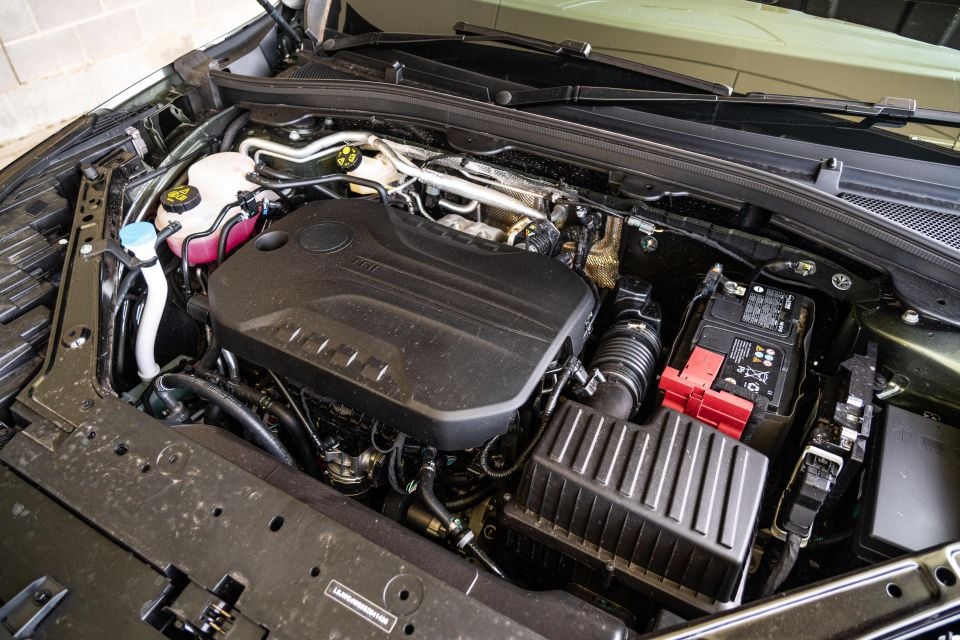
For now, there’s just one engine in the QS lineup, a turbocharged 2.0-litre four-cylinder petrol mill, though a plug-in hybrid powertrain is set to join it.
Trusted Reviews, Smarter Choices, Better Prices
Where expert car reviews meet expert car buying – CarExpert gives you trusted advice, personalised service and real savings on your next new car.
| Specifications | MG QS Essence |
|---|---|
| Engine | 2.0L 4cyl turbo-petrol |
| Power | 153kW |
| Torque | 360Nm |
| Transmission | 9-speed auto |
| Drive type | All-wheel drive |
| Weight | 1994kg (tare) |
| 0-100km/h (as tested) | 9.11 seconds |
| Fuel economy (claimed) | 8.8L/100km |
| Fuel economy (as tested) | 10.2L/100km (inner-city, suburban and highway loop) 13.2L/100km (over the course of a week) |
| Fuel tank capacity | 65L |
| Fuel requirement | 95-octane premium unleaded |
| CO2 emissions | 198g/km |
| Braked tow capacity | 2000kg |
Over a mix of inner-city, suburban and highway driving, we averaged 10.2L/100km. Over the course of a week, this swelled to 13.2L/100km.
It’s worth noting our tester was barely broken in, with only a few hundred kilometres on the odometer – less, even, than the Melbourne-based example featured in these images.
To see how the MG QS lines up against the competition, check out our comparison tool
How does the MG QS drive?
The MG QS’ outputs don’t look extraordinary on paper, and yet this large SUV feels pretty sprightly around town.
Throttle response off the line is surprisingly rapid and even with a few passengers on board, if not a full complement, the QS didn’t feel underdone in the powertrain department.
The nine-speed automatic shifts fairly smoothly and quickly, which is good as there are no paddle shifters and no other way to manually change gears.
The steering is light without being too light, and helps make this large SUV easy to twirl around a tight parking lot or city street without feeling disconcertingly vague.
The QS is also a comfortable cruiser. There’s an occasional thump from the big 21-inch alloy wheels, but the Essence also includes adaptive dampers which help offset this.
We drove the QS over a mixture of surfaces and found the ride to be generally quite comfortable; there’s a bit of bobbing on some undulating surfaces, but the QS doesn’t feel too floaty or uncontrolled.
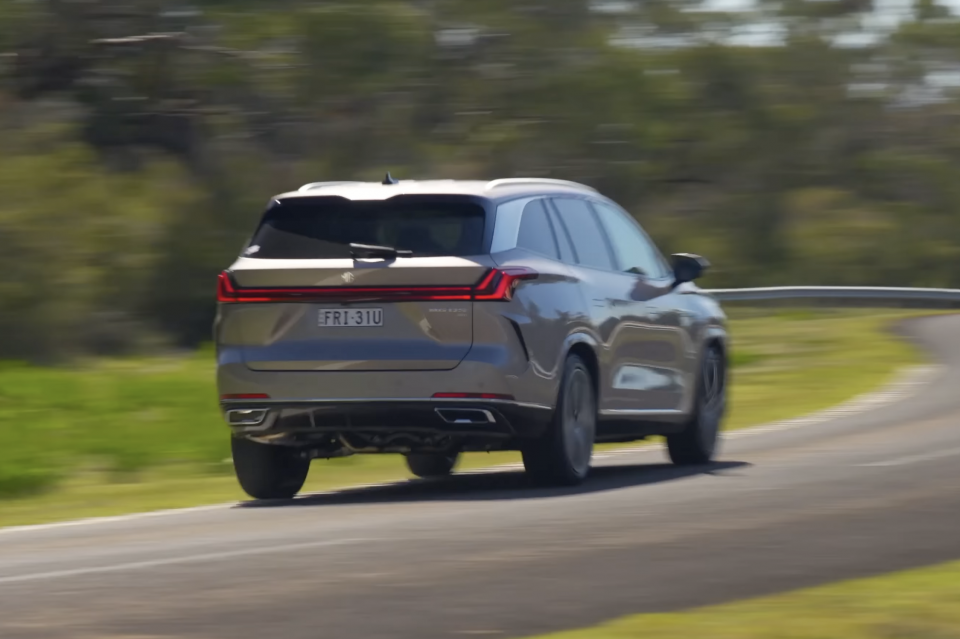
You can pop it into Sport mode which firms up the dampers, adds some more weight to the steering, and quickens throttle response.
This can only do so much to make the QS dynamic, though. While it feels more tied down in Sport mode, push it into a corner and you’re greeted with understeer and body roll, while even a brief mountain drive had the brakes smelling thoroughly cooked.
But while the typical QS buyer isn’t going to take this canyon-carving, the spongy brake pedal will be disappointing in all driving scenarios. There’s no feel in the pedal, and it makes the QS less confidence-inspiring to drive.
The 2.0-litre engine has a bit of a raspy note to it, but noise suppression in the cabin is quite good so this will be much more noticeable to pedestrians than passengers.
Wind noise is well-contained, and there’s only modest roar from the Michelin ePrimacy tyres over coarse-chip surfaces.
There are Normal, Sport, Snow, Off-Road and Custom drive modes, with the latter allowing you to toggle between Eco, Normal and Sport modes for the powertrain and steering, Normal or Sport modes for the suspension, and Auto or Off-Road modes for the all-wheel drive system.
There’s an automatic engine stop/start system, which we know many people find frustrating, but it’s smoothly calibrated.
Not so smoothly calibrated are the advanced driver assistance systems (ADAS). Let me preface this by saying this is far from the most poorly calibrated suite of ADAS I’ve experienced, but that should also give you an idea of where we’re at in 2025.
If you’ve gotten out of your older car and into a QS for a test drive, and find yourself driving 2km/h over the speed limit while letting out a brief yawn and crossing a lane marking on a narrow street with cars parked on the side, you may find the cacophony of bings and bongs to be overwhelming.
For those of us in new cars every week, the QS is fairly close to normal. The alert noises are relatively subdued, apart from the lane departure warning which is a tad melodramatic, while the lane-keep assist gently nudges you back into place and has different levels of adjustability, and the driver monitoring system was actually quite accurate – yes, I really was yawning all those times, not obnoxiously chewing gum.
There were a couple of moments when the ADAS did genuinely give me (and my passengers) a fright.
Reversing out of a driveway onto a busy street, the rear cross-traffic assist slammed on the brakes even though I was reversing onto the opposite side of the street from where the traffic was. The autonomous emergency braking system also tried to brake when I was travelling along a street with vehicles parked on either side.
Then there’s the adaptive cruise control, where you can hear the brakes being applied, and it won’t work in Sport or Custom drive modes.
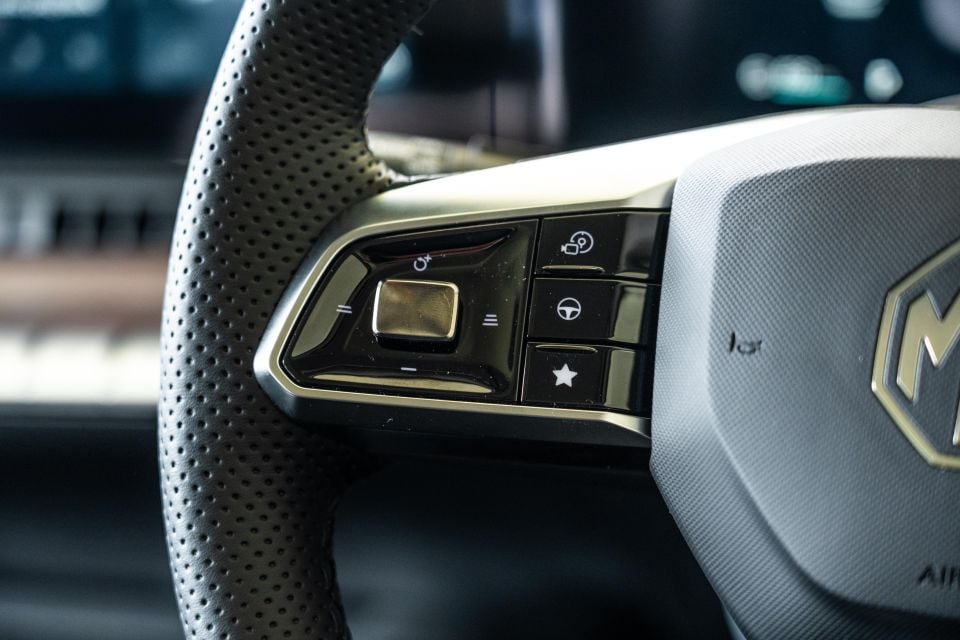
You activate and adjust the adaptive cruise by pushing the button on the steering wheel shaped like a steering wheel, then setting the speed with the silver rectangular toggle button. There’s another button that looks like a camera and a push pin, but this turns on the speed-limiter function.
To turn on lane centring, long press the steering wheel icon. Alas, the QS’ system reminded me all too quickly of other MGs like the MG 4. As soon as you press the button, all feeling is drained from the steering, leaving it light and bobbly like an arcade car. The wheel has so much give, and the system moves it in a twitchy, jerky fashion.
A lack of steering feel with this feature turned on would be forgiven if you didn’t have to keep your hands on the wheel, but you do. And you’d want to, anyway – it’s really not the best lane centring system, and can ping pong you in your lane.
The overspeed alert defaults to on when you start the vehicle, which is annoying and requires a few button presses (and an awkward swipe) to fix each time. The chime is slightly less annoying than that in Hyundai and Kia products, and at least there’s no ‘new speed limit detected’ chime that defaults to on.
The cameras are a mixed bag. In daytime, they’re bloody good, being crisp and clear albeit with a touch of lag. At night time, however, they get very washed out.
Like so many other Chinese cars, the QS also insists on turning on a side camera view when you turn on the indicators. It’s not as helpful as, say, Hyundai and Kia’s Blind-Spot View Monitor as the camera is pointed out the side of the vehicle and not at the blind spot.
One other minor gripe: the park brake doesn’t consistently turn on when you turn the car off. Sometimes it does, sometimes it doesn’t.
To see how the MG QS lines up against the competition, check out our comparison tool
What do you get?
There are two members of the QS lineup in Australia.
2026 MG QS Excite standard equipment highlights:
- 20-inch alloy wheels in 245/50 R20 tyres
- T145/80 R18 spare tyre
- Automatic LED headlights
- Rain-sensing wipers
- Power-folding, heated exterior mirrors with memory
- Power tailgate
- Panoramic sunroof
- Electric parking brake
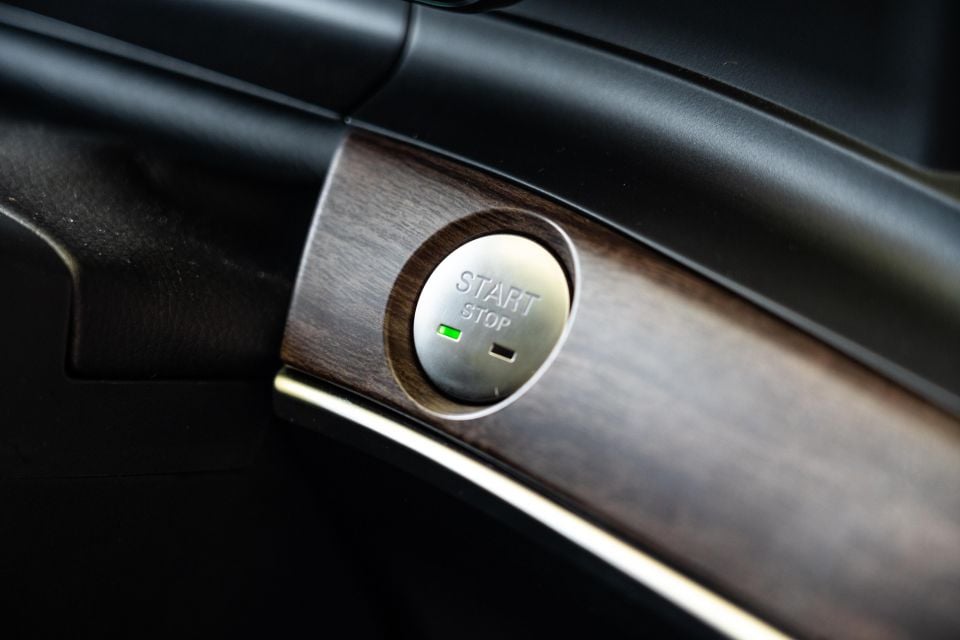
- Proximity entry with push-button start
- Normal, Sport, Eco drive modes
- 12.3-inch digital instrument cluster
- 12.3-inch touchscreen infotainment system
- Wireless Apple CarPlay and Android Auto
- DAB+ digital radio
- Satellite navigation
- 8-speaker sound system
- Fabric upholstery
- 8-way power-adjustable front seats
- Sliding second-row seats
- 60/40 split-fold second-row seats with easy entry on right side
- Microfibre/leather steering wheel
- Tilt and telescopic steering wheel adjustment
- 256-colour ambient lighting
- Woodgrain trim
- Tri-zone climate control with rear controls, vents in all three rows
- 5 x USB ports (2 x front, 2 x rear, 1 x third row)
- 1 x front 12V outlet
- 1 x 12V outlet in boot
- 12 months’ complimentary iSmart access
- Remote adjustment of locks, climate control
- Remote view of vehicle information including tyre pressure, fuel levels
- Vehicle tracking
The Essence adds:
- 21-inch alloy wheels in 255/45 R21 tyres
- Adaptive suspension
- Normal, Snow, Off-Road, Sport, Custom, Eco drive modes
- Automatic high-beam
- LED front fog lights with static cornering lights
- Wireless phone charger
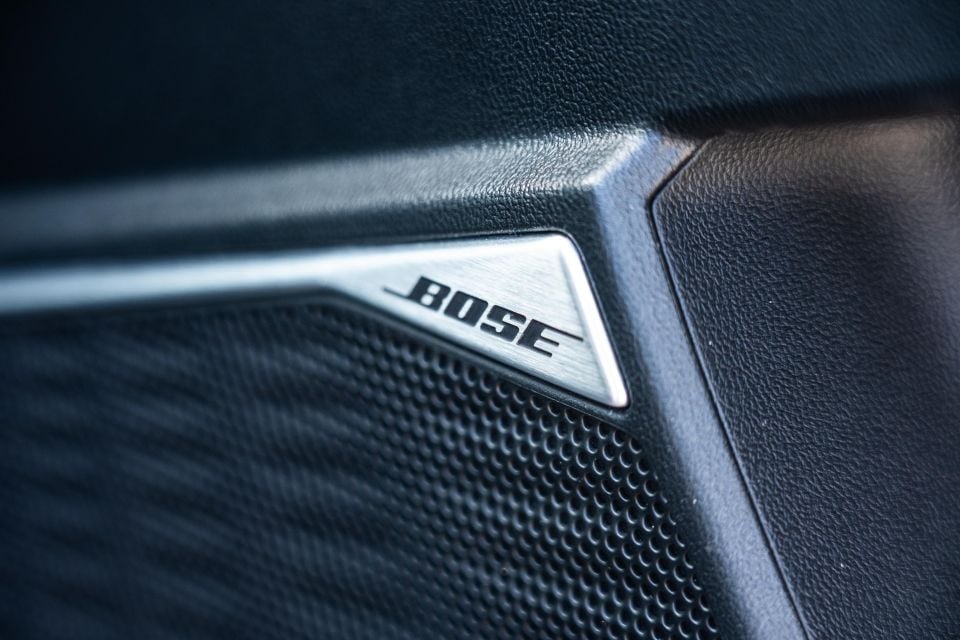
- 12-speaker Bose sound system
- 8-way power driver’s seat with 4-way power lumbar, memory
- Heated and ventilated front seats
- Perforated leather upholstery
While both the Excite and Essence come with a black interior, a Stone Beige colourway is a $700 option on the top-spec QS. All exterior paint finishes bar Oxford White Metallic also attract an $800 surcharge.
To see how the MG QS lines up against the competition, check out our comparison tool
Is the MG QS safe?
The MG QS received a five-star rating from safety authority ANCAP this year.
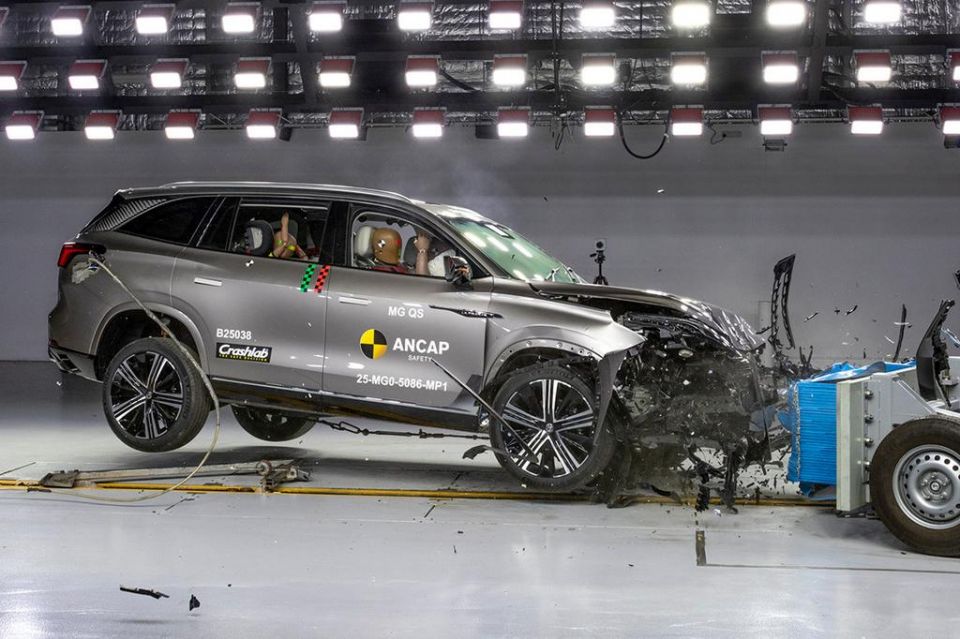
| Category | MG QS |
|---|---|
| Adult occupant protection | 88 per cent |
| Child occupant protection | 86 per cent |
| Vulnerable road user protection | 76 per cent |
| Safety assist | 80 per cent |
Standard safety equipment across the QS range includes:
- Adaptive cruise control
- Autonomous emergency braking
- Blind-spot monitoring
- Driver attention monitoring
- Intelligent Cruise Assist
- Intelligent Speed Limit Assist
- Lane-keep assist
- Rear cross-traffic assist
- Safe exit warning
- Tyre pressure monitoring
- Front, front-side, far-side and curtain airbags
- Rear parking sensors
The Essence adds front parking sensors.
To see how the MG QS lines up against the competition, check out our comparison tool
How much does the MG QS cost to run?
MG did an about-face on the QS’ capped-price servicing program after negative press coverage concerning a sixth-year service that cost almost $3000.
| Servicing and Warranty | MG QS |
|---|---|
| Warranty | 10 years, 250,000km (service-activated) |
| Roadside assistance | Up to 10 years |
| Service intervals | 12 months or 15,000km |
| Capped-price servicing | 7 years or 105,000km |
| Average annual service cost | $413.28 |
| Total capped-price service cost | $2893 |
After originally outlining at launch a total cost over seven years or 105,000km of $6962 to service the QS within the MG dealer network, the brand slashed pricing in September to just $2893. Now, the most expensive service is $699, with the cheapest costing $299. It’s gone from being absurdly expensive to service to being class-competitive.
MG offers one of the longest warranties in the business at 10 years or 250,000km, though this is contingent on you servicing the QS within its workshop network – now a much more palatable proposition. If you choose to service it independently, the warranty drops down to a still-impressive seven-year, unlimited-kilometre program.
To see how the MG QS lines up against the competition, check out our comparison tool
CarExpert’s Take on the MG QS
The MG QS is sensational value for money. At a price point where most seven-seat SUVs are a whole size smaller with inhospitable third rows, this new Chinese SUV boasts a spacious and well-appointed cabin. You can fit adults in the back, too, while the second row is superbly comfortable.
For less money than even the most affordable Kia Sorento ($51,630 before on-roads), the $50,990 drive-away QS Essence offers a long, long list of standard equipment – all that’s conceivably missing is a head-up display and, if we’re being greedy, massaging seats.
The in-car tech has its quirks, but the QS is generally more user-friendly than a lot of other new Chinese cars.
The advanced driver assistance systems are also modestly less annoying than those in some other new Chinese cars, but they can still annoy or alarm you in day-to-day commuting.
They take away from a driving experience that’s otherwise quite good, thanks to a responsive powertrain, manageable steering and a comfortable ride.
Throw in the distinctive design inside and out, and the QS’ pros outweigh its cons.
CarExpert can save you thousands on a new MG QS. Click here to get a great deal.
Click the images for the full gallery